

16 Publix Bakery Breads, Ranked From Worst To Best
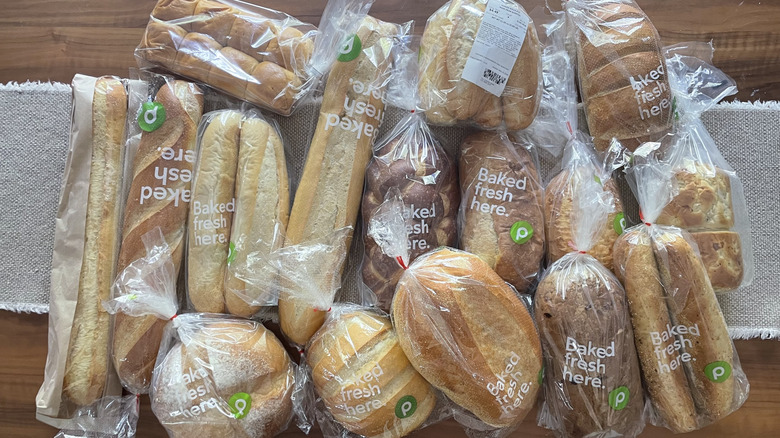
If you live in the Southeast, in the state of Florida in particular, you've probably come in contact with one of the most beloved regional grocery stores: Publix. In addition to receiving praise for its cleanliness and aesthetic layout, the Publix deli and bakery section is often showered with love. In fact, few grocery store bakeries enjoy as devoted a fanbase as Publix does. One reason for this is that the Publix bakery makes its bread in-house. Fresh daily loaves are the standard, not the outlier.
Still, it can be hard to parse out which loaf is worth your hard-earned cash, especially in an era of rampant grocery inflation. With that in mind, I tried several Publix bakery breads and ranked them based on their texture, taste, value, and versatility to see which ones are worth a spot in your bread box. From rolls to baguettes, this is how the Publix baked goods battle royale turned out.
Prices are as of the date of publication and may vary based on region.
16. Hoagie Rolls
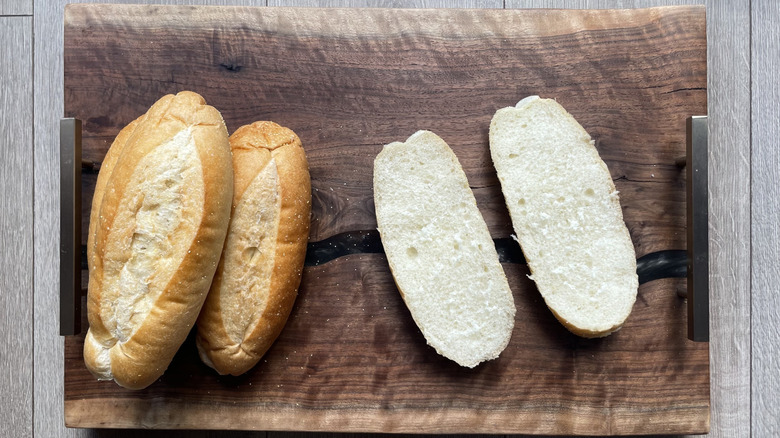
These roughly 6-inch hoagie rolls, which come four to a bag, offer an alternative to the much longer sub rolls you can get at Publix. While the smaller size was appreciated, these rolls suffered from a marked level of mediocrity. They were on the drier side, with a plain and borderline flavorless taste, meaning there was nothing to set them apart from the billion other blah rolls I've had in the past.
What really made this roll feel so unmemorable is that it had to be directly compared to the other far superior Publix sub breads. Hoagies are meant to be used for sandwiches, but who would go to Publix and get this bread instead of the traditional white sub bread? Not this reviewer or any other Publix customer in the know. This unfavorable comparison to other Publix sandwich breads, combined with the blandness and overly dry texture, landed these rolls at the bottom of my ranking.
15. Chicago Italian Bread
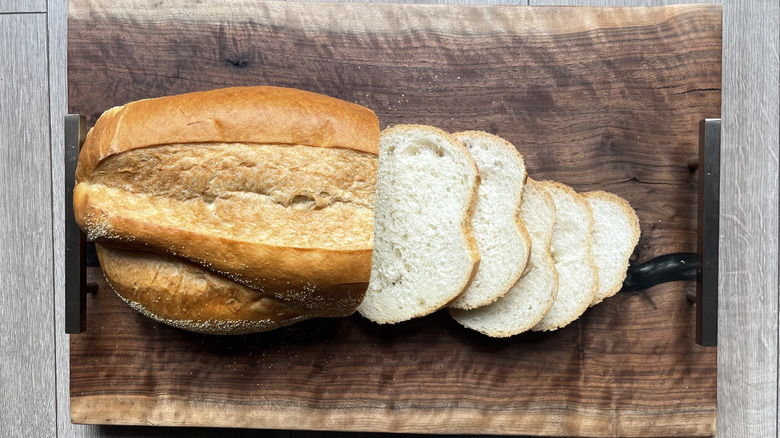
As one of the cheaper loaves ($3.89) on this list, I was hoping that the Chicago Italian bread would be a nice addition to dinner toast rotation. Though you can purchase it pre-sliced (often in very thin slices), I selected the whole loaf. It's made without sugar or fats, a nice option for those looking to avoid some of those classic allergens, like eggs and dairy, or who prefer a non-enriched bread. Unfortunately, it was extremely dry and beyond flavorless.
You can blame the lack of fats and sugars for the flavor, but plenty of other baked goods work under the same conditions and still taste better than this. The only thing that saved this loaf from being dead last was that it toasted beautifully and could be transformed into tasty homemade croutons.
14. Brioche Dinner Rolls
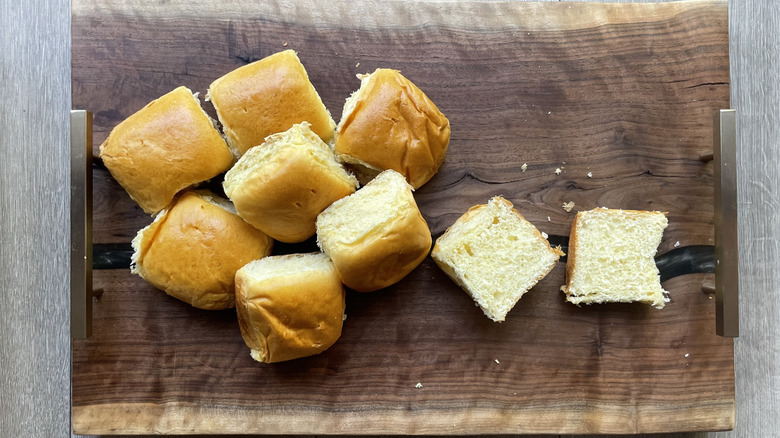
A good brioche roll can be a very valuable addition to a dinner spread, and plenty of people swear by Publix's brioche – particularly the hamburger buns. But things didn't bode well from the beginning. Though these have a buttery yellow hue, a look at the ingredient list shows that this golden color comes from beta carotene rather than butter. The issues go beyond just the cosmetics with this bread.
When I took a bite, the texture was exactly right: It had both a tender chew and cottony fluffiness. But this texture was immediately ruined by a distinctly artificial butter flavor. Brioche is defined by its enriched ingredients, so if the butter tastes off, the rest of the bread does too. This phony taste may have come from either the butter or canola oil being expired, which can lead to rancid aromas. While the texture made it more enjoyable than the previous loaves, its artificial taste landed it well below everything else.
13. Onion Rolls
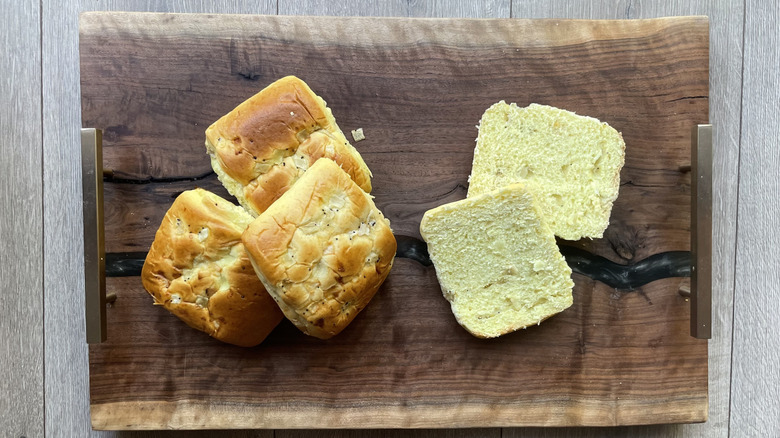
This four-pack of onion rolls immediately impressed me with its rich allium aroma. Each roll is properly studded with sufficiently crunchy, caramelized onion bits. The poppy seeds seemed like an afterthought, but that's a small quibble. Like the aforementioned brioche rolls, their texture was delectable. Each roll offers a soft, yet sturdy option for sandwiches and sliders.
My real frustration with these rolls was the sugar content. When working with onions, there's already a considerable level of sweetness naturally popping up. So why, then, add in an extra scoop of sugar to the bread dough? Even with all the pungent onion pieces, the allium flavor got washed out by a borderline dessert-level sweetness. When checking the nutritional info, I noted that each roll contained 5 grams of added sugar. Though it tasted slightly better than the brioche and had a nice texture, a sugary onion roll is still going to land at the back of the bread pack.
12. Rye Bread
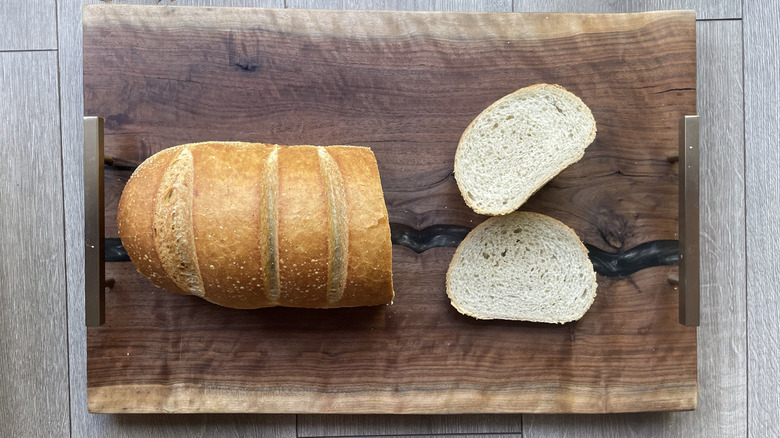
At my local Publix, I've seen Seeded Rye, Marbled Rye, and the plain Rye Bread on offer. I decided to keep it simple and evaluate the latter. Even with its light color, I was quickly hit by this loaf's heady scent of rye, dill, and caraway seeds. Unfortunately, this trio of aromas wasn't as well balanced in the actual flavor. My first bite of an untoasted slice delivered a knockout punch of caraway, followed closely by a super tangy dill aftertaste. I detected a hint of rye, but it couldn't quite stand up to the other seasonings.
This flavor imbalance was less noticeable when I toasted the bread, as the dill mellowed out and the peppery rye taste sharpened. A strongly seasoned rye isn't a bad thing; it lends itself well to equally strong proteins like mackerel, pickled herring, and other fragrant sardine-type toppings. But as this is not the most versatile loaf to have on hand, you want to buy a rye bread that truly has superior flavor. While more palatable than the brioche and onion rolls, this too-tangy loaf has little to recommend it beyond the "not terrible" qualifier, so it sits low on the list.
11. French Bread
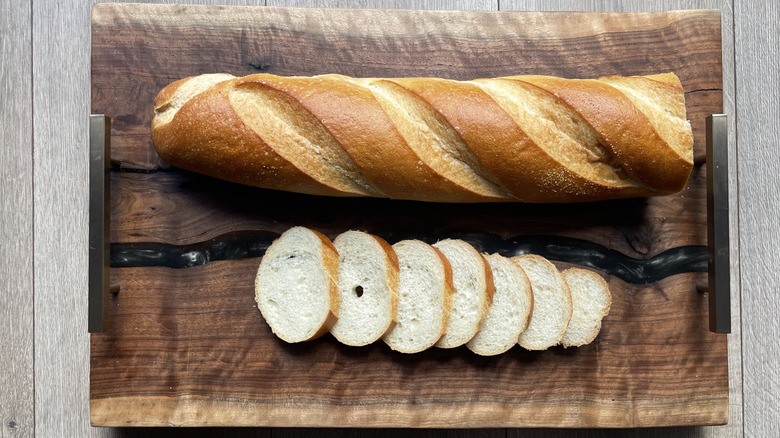
Despite its title, French bread is a distinctly American invention, with a softer crumb, rounder shape, and slightly sweeter taste than a standard French loaf. In the South, French bread can be used to make a classic po'boy or sliced into rounds and toasted for dipping into a gooey spinach and artichoke dip or a pot of bubbling fondue. All of this is to say that French bread is an important Southern staple, so I expected Publix to deliver on it.
While this is an acceptable loaf, complete with an excellent price point — at $2.99, it was the cheapest bread I sampled — I found it to be mind-numbingly okay. When eaten both toasted and untoasted, the chewy texture and mild taste could only rise to the descriptor of "perfectly fine." If I were hosting a dinner party and my meal got this kind of faint praise, I'd be brutally disappointed. Still, its versatility and unbeatable $3 price tag elevated it above the five lowest-ranked options.
10. Sourdough Round Bread
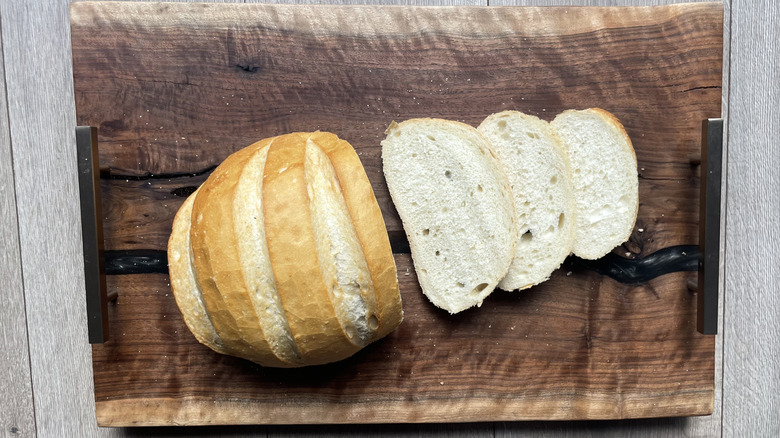
Purists be warned: This sourdough loaf contains commercial yeast to leaven the dough, while certain acids (lactic acid and acetic acid) are added for tangy flavor. For sourdough fanatics, this makes this bread a bit of an imposter when it comes to its sourdough label. However, this is standard practice for plenty of other commercial bread bakers, so I won't look unkindly on Publix following the status quo.
This is a good sourdough bread option for someone who doesn't typically like sourdough. The texture of the untoasted bread was an above-average take, with a hearty chew that definitely reminded me of other sourdough boules I've had. It didn't shy away from the sour flavor, but it was nowhere near as strong as a true sourdough would be. Alas, when compared to a true sourdough-leavened bread loaf, this round couldn't quite measure up — there are better sourdough bread brands out there. Even with an alright texture and taste, its misleading sourdough label has it running in the bottom half of my bread options.
9. Cuban Bread
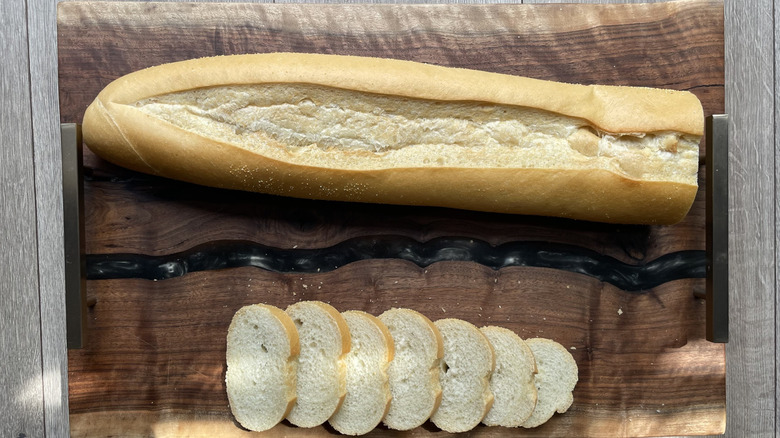
In Florida, Cuban bread has an important foothold in the deli community. Cuban bread isn't even from Cuba; instead, it hails from a community of Cuban immigrants from in the Tampa region of Florida. Whether working as the defining piece of a perfect Cuban sandwich or enjoyed all on its own as a buttered tostada, Cuban bread is defined by its crisp crust, pillowy interior, and lard-accented flavor.
Even with an excellent texture, the flavor of this bread was as bland as the hoagie rolls, which sank the whole endeavor. I believe that much of that has to do with its lack of lard, as a quick glance at the ingredient list shows that soybean oil, not lard, is the main fat in this loaf. Flavor quibble aside, it's nice to be able to find any kind of Cuban bread at a major grocery store, even if it's a subpar one, so it gets a higher spot than the comparable French bread and the faux sourdough.
8. Cranberry Walnut Artisan Loaf
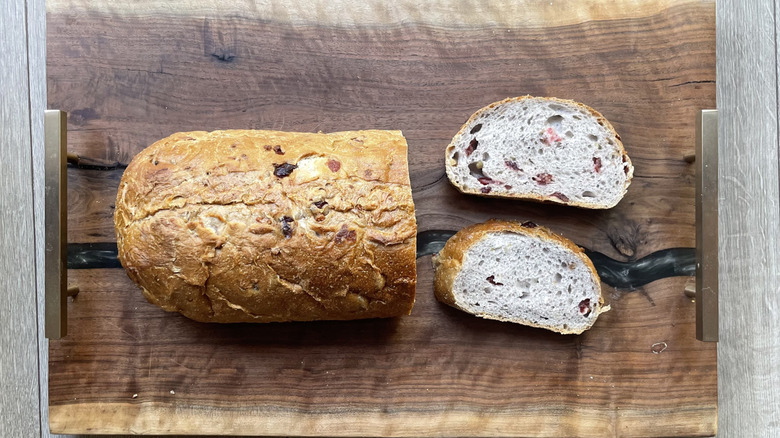
Though it can be a divisive variety, a cranberry- and nut-studded loaf can elevate everything from a grilled cheese to a turkey club. As the second-most expensive bread item on this list ($6.09 for a 16-ounce loaf), I expected it to be loaded with cranberries and walnut halves. Luckily, it did not disappoint.
Just one slice offered plenty of surprisingly plump cranberries and tender slivers of walnut, with each subsequent slice showing an even amount of mix-in distribution. Once toasted, it took on a whole new dimension of flavor, giving a richer note to the walnuts and a sharper touch to the cranberries. For those who are looking to get into the slightly sweet artisan bread game, I highly recommend the Cranberry Walnut as a gateway product. Still, it's not the most versatile of bread loaves, and it's not cheap. For those reasons, it's what I affectionately call "the worst of the best" options at Publix.
7. Tuscan-Style Roasted Garlic Loaf
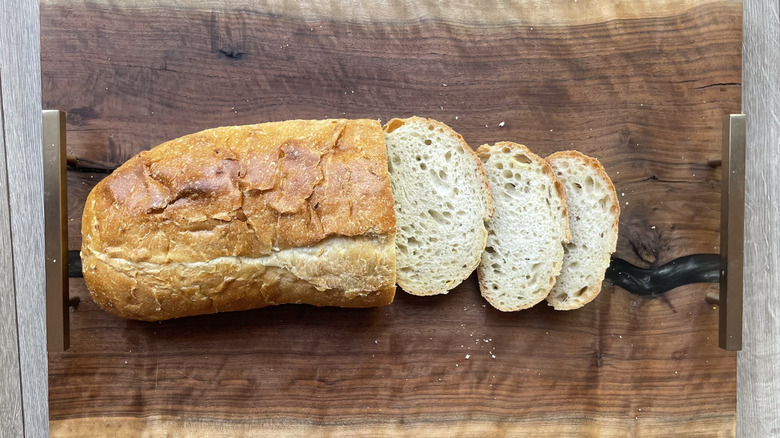
This Tuscan-Style Roasted Garlic Loaf, a more sophisticated entry into the garlic bread realm, definitely enticed me with its scent alone. The untoasted slice offered a garlic flavor that was mellow and sweet, suggesting it was roasted. Add to that a delightfully chewy texture and an underlining earthy, fermented bread taste, and this is one of the most pleasant stand-alone loaves on this list. Obviously, all of these positives only get better after toasting.
On the storage front, the compact crumb meant that it kept very well in the fridge for about a week, and I can see it freezing even better. The only reason it's ranked lower is that I felt there could have been more garlic cloves per slice. If the main flavoring agent is roasted garlic, go ahead and go all in on that. But I admit it's a crowd-pleasing option. I'll leave you with a quote on this loaf from my husband, a man of few words when it comes to food: "This is the good stuff."
6. Italian Five Grain Sub Rolls
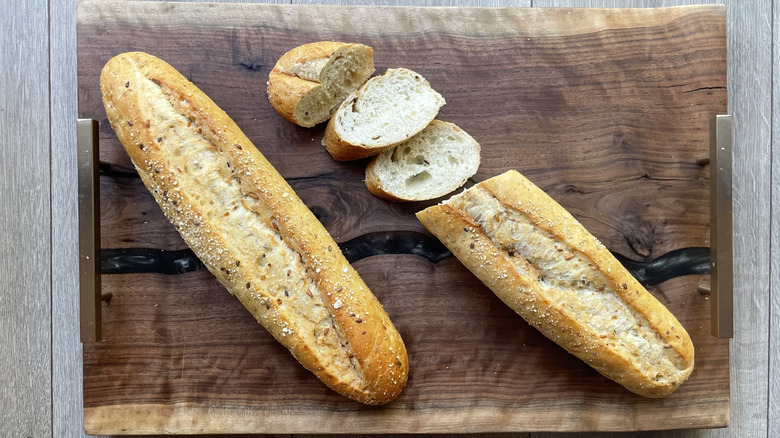
You can order the Italian Five Grain bread one of two ways at Publix: as one jumbo loaf or as two smaller sub rolls. While the large loaf lends itself well to plenty of dinner recipes, I selected the sub rolls, as they're also used for one of Publix's most popular offerings: Pub Sub sandwiches. A sub sandwich is only as good as its bread, and Publix has long proven that it doesn't ignore this carby cornerstone.
What I like so much about this sub roll is that it combines the soft chewiness of white bread with the nutty flavor of seeds and grains (which is normally confined to a denser whole wheat loaf). The five grains in question are cracked wheat, barley, oats, millet, and a combo of flax and sunflower seeds — a perfectly tasty blend, in my opinion. Still, its size and length confines it to only sandwich making, and there's still one better sub bread you can grab at Publix.
5. Deli-Style Sub Rolls
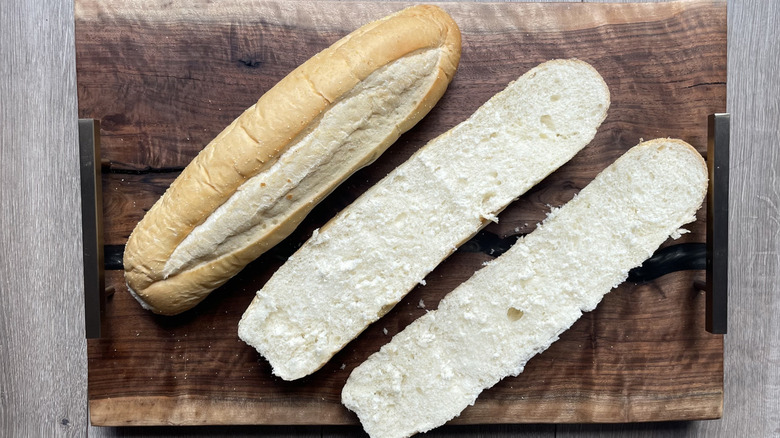
There's a reason that one of the best things to get on your first trip to Publix is the Italian Pub Sub. It often features tasty Boar's Head meats and cheeses, but the secret power behind the Publix bakery throne is the high-quality bread that anchors each sub sandwich. In an age where the term "white bread" denotes blandness and a lack of character, the Deli-Style Sub Rolls at Publix dare to bring more to the table.
It shouldn't stand out, but the excellent flavor and texture of the bread is hard to forget. It's soft yet sturdy, with a mild but nuanced taste, making it ideal for any sandwich. These are best enjoyed fresh, as they can get a bit hard a day after being left in the open air, but I found a tight plastic wrap cocoon and a chill in the refrigerator slowed this hardening down. Because of this limited shelf life and niche recipe uses, it couldn't rank higher.
4. Tutto Cheese Medley Bread
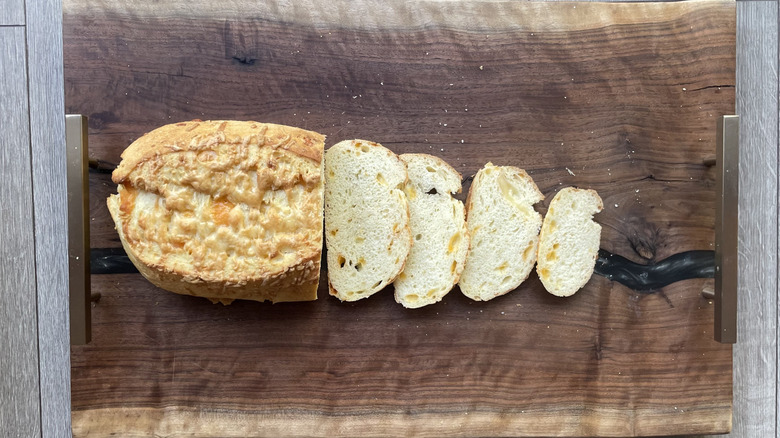
As the most expensive loaf on this list ($6.59 for a 12-ounce loaf), I expected this to deliver some serious oomph. But although this bread is expensive, it more than delivers on quality. Not only is the bread set apart by its cheese blend of cheddar, Parmesan, Romano, and Asiago, but it also uses the Tutto Pugliese flour blend. Beyond being grown and milled in Italy, this premium blend contains durum wheat semolina flour and sourdough flour. Both do wonders for the texture and taste of any dough it touches.
With a sophisticated yet comforting flavor, I have a tough time seeing any meal not improved by the mere presence of this cheesy loaf. The only thing holding it back from being a staple in my house is its eye-watering price tag. For that, it stays a little lower on the list and remains an item I'd splurge on, but not buy consistently.
3. Egg Bread (Challah)
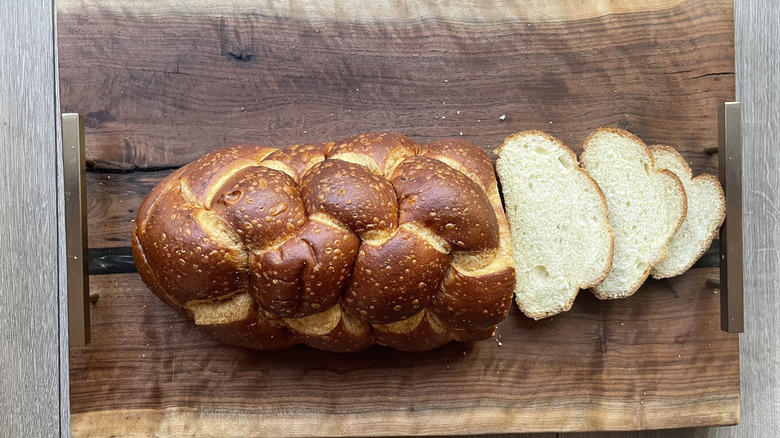
With the prior brioche buns being so lackluster, I was concerned that the challah loaf, while perfectly bronze and beautiful, would have a similarly disappointing flavor. As a delightful surprise, this enriched loaf exceeded my expectations. It's loaded with eggs and sugar, and the richness of the bread is cut with a dark, toasted crust and the perfect amount of salt.
I'd argue that this is one of the most versatile loaves on the list. Imagine using it as a base for bread pudding, French toast, or even a decadent take on a savory strata. Of all the loaves on this list, this is the one hardest to find, as it sells out quickly. The only small critique I can give it is that any bread that relies on eggs and sugar for flavor is going to be delicious, so it can't take the top spot.
2. Tutto Baguette
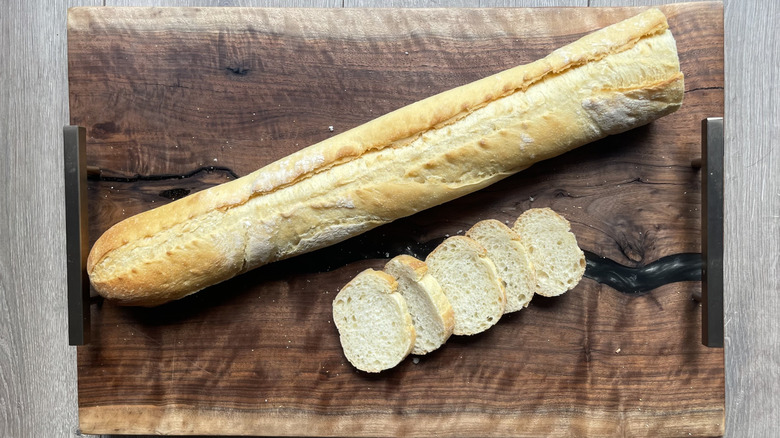
No bread item has the potential to cause as much joy or dismay as the baguette. This baton should call to mind the fragrant boulangeries of Paris, but often tastes like bland, chewy pieces of cardboard. Once again, that magical Tutto Pugliese flour helps set this bread apart from a sea of unworthy impersonators.
Beyond containing the special flour blend, the Tutto designation also means that the baguette has a higher hydration level. More water means the bakers have to perform more kneading and shaping, plus there's a need for a nice, long cold fermentation period followed by a slow, luxurious proof. You can taste that extra love and attention. A chewy, springy crumb is matched by a seriously crisp crust, while that nuanced fermented bread flavor is balanced with a hint of sourness. Still, the skinny baguette shape makes it a hair less versatile than my overall number one choice.
1. White Mountain Bread
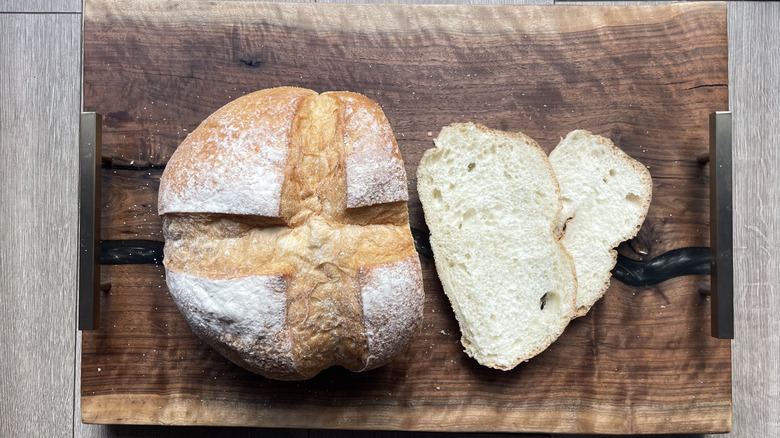
When I looked at the bread lineup, not once did I think the White Mountain Bread would rate so high, let alone take the top spot. Because let's be real here: Everything about this bread should have been boring and unmemorable, as it's essentially a white loaf that doesn't have tangy sourdough or flavorful Tutto Pugliese flour blend to lean on. It also can't hide behind tasty mix-ins like cheese, garlic, nuts, or seeds. Yet it accomplishes a nearly impossible task: Making the ordinary extraordinary.
A rustic white loaf of bread is something that shoppers often take for granted, but the White Mountain Bread's superior taste and texture begs you to change that mindset. With a perfectly soft interior, delicately crisp crust, and nuanced flavor, I kept coming back to this loaf to enhance any dish I fancied, from grilled cheese to garlic toast. Versatile, affordable, and delicious, it's magnificent any way you slice it.
Methodology
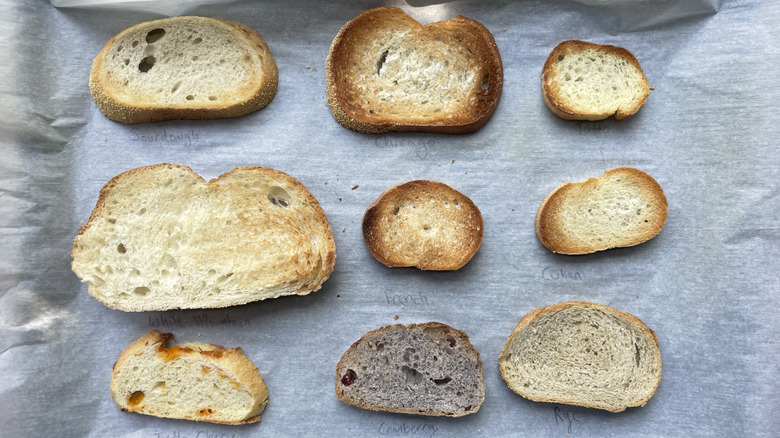
I tried to pick loaves that had received high praise in reviews on Reddit and Facebook or were classic standards of the deli, like the white sub rolls. In addition to looking at reviews, I also tried to buy a range of bread types, from crunchy baguettes to soft brioche rolls. In order to make sure that I tasted each bread at its freshest, I tried it the day I bought it. For tasting purposes, I tried most loaves both plain and toasted, unless it seemed counterintuitive to the texture, like for the brioche rolls.
While trying the bread, I evaluated the texture of the crumb (fluffy or chewy), crust (crisp or leathery), and mix-ins (soft or hard). When assessing the taste, I looked for the expected flavors, like an eggy richness in the challah and savory notes in the cheese bread, and unexpected ones that either improved or ruined the bread (like the sweetness in the onion rolls). I also considered cost, value, and versatility of each loaf, as well as the ingredient list, looking to see what was included or missing from the dough.