

Your Grocery Store Preference Could Be Adding An Extra 20% To Your Bill
We all know you pay a premium to shop at certain grocery stores, but you might not realize just how much extra you're paying. Despite being several years out from the worst of the pandemic era price jumps, the high price of groceries continues to be a major sore spot for consumers. Its not hard to see why, as the average cost jumped around 30% from 2020 to 2025, with little sign they are ever coming back down. With that in mind, plenty of shoppers are looking for ways to lower their grocery bills, and one of the only ways to do that these days is through switching up where you're getting your food from. But that one switch can actually make a huge difference, as a new Consumer Reports investigation finds some grocery stores are charging 20% to 30% more than the competition.
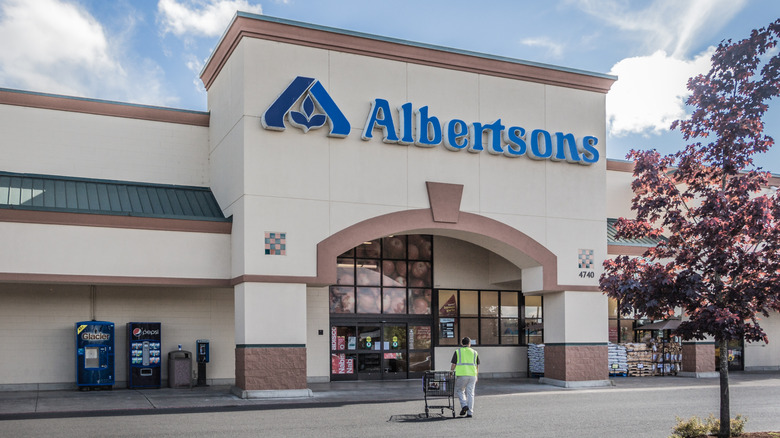
Walmart was used as the baseline for prices because it is the largest grocery retailer in the country, accounting for 25% of all sales nationwide. Using this metric, Consumer Reports found that nationally, on average, the most expensive widespread chain was Whole Foods, with a basket of items that cost almost 40% more than similar options at Walmart. But it wasn't just "premium" chains like Whole Foods that saw big jumps. Albertsons stores, and many brands it owns like Jewel-Osco, were 25% to 30% higher than the baseline. Kroger and its brands fared a little better, but were still 15% to 20% higher than Walmart, while Florida-based Publix was 20% more pricey on average. In a bit of a surprise, given its reputation for cheaper store-brand products, Trader Joe's was one of the most expensive stores overall, coming in at almost 25% higher than Walmart.
Brands like Kroger and Albertsons can be up to 25% more expensive than budget stores
Consumer Reports gathered the data by comparing the final cost of a basket of goods in the same metro areas at dozens of different retailers. The basket included a mix of packaged goods, produce and meat, including items from grocery stores' private label brands when they sold similar items. All the prices were also taken in person within the same 48 hour period to ensure consistency.
Comparisons to Walmart as a baseline may be slightly unfair, as the company is famous for low prices, which it often gets from squeezing suppliers through its market power. Walmart is also known to not have the highest quality food, with its produce often poorly reviewed, while other stores like Whole Foods source fresher, organic food. However, even with quality taken into account, it is still nice to see just where different grocery chains land on the price scale. For example, a surprisingly affordable performer was Wegman's, which came in at only 7.6% above Walmart, despite the chain's strong reputation for quality. Despite Albertsons high prices, subsidiary Safeway was actually one of the most affordable chains as well.
So who actually beat Walmart? Unsurprisingly wholesalers Costco and BJ's were the cheapest, with both bulk retailers coming in around 21% cheaper. If you don't want an entire crate of something, Aldi also was more affordable than Walmart, with 8% lower prices. There are certainly tradeoffs when switching between grocery stores, but depending on how you cook and what you're willing to go without, the savings can be pretty massive.