

The 7 Biggest Mistakes Haunting Subway
It's no secret that the sub sandwich chain Subway is seriously struggling right now. Although it was once the place to go when you wanted an ostensibly "healthier" fast food meal, the chain is now closing stores left and right. It peaked over a decade ago — since then, its footprint has shrunk to under 20,000 locations. The Subway locations we've been to in the last several years or so have generally looked unkempt, and the food didn't appear or taste very fresh in most cases (although we can still get down with a cheeky Footlong from time to time).
So, how exactly did Subway fall from grace? There are a lot of factors to consider, like the COVID-19 pandemic, which caused many restaurants to struggle. But Subway has also made a lot of mistakes over the years, some of which have ultimately really affected the business' bottom line and its perception by customers. We're taking a deeper look into some of the company's most egregious mistakes to get a better sense of where exactly Subway went wrong.
Choosing Jared Fogle as the company's spokesperson
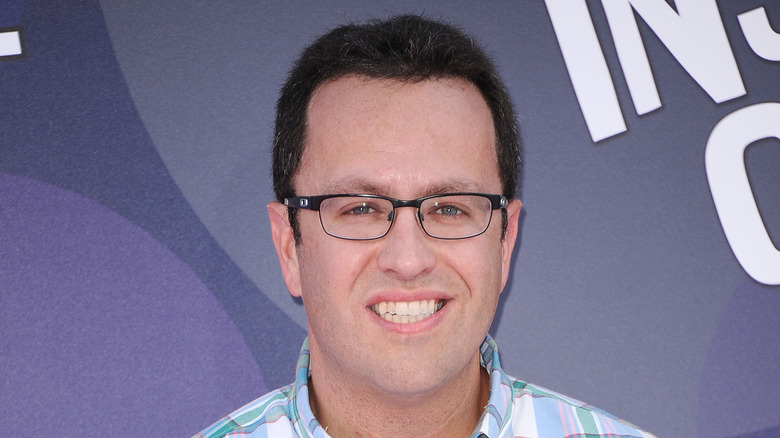
It probably goes without saying that Subway's biggest mistake was selecting Jared Fogle as the company's spokesperson. Fogle, who reportedly lost a significant amount of weight eating basically nothing but Subway sandwiches for an extended period of time, repped the brand for years, often showing off the jeans he wore when he was much larger, to emphasize his noticeably slimmer frame. The whole gimmick helped Subway position itself as a healthier option than other fast food restaurants, even though there wasn't necessarily anything special about its sandwiches in aiding fat loss.
But in 2015, Fogle was charged with child abuse and possession of CSAM. It was a disaster for Subway — you couldn't dream of a worse public relations nightmare. Not only was Subway criticized for working with Fogle in the first place, but the company initially made itself look even worse by failing to speak out publicly against its former spokesperson for his crimes. In fact, Fogle's ex-wife even alleged that Subway knew that Fogle had been accused of sexual misconduct in the past and had failed to act. Out of all the things that Subway has done wrong in its history, it's hard to beat just how bad this one mistake is.
Expanding too much, too fast
When you think of the largest fast food restaurant empire in the United States, which restaurant first comes to mind? If you're thinking of McDonald's, Starbucks, or even Burger King, you're wrong. In reality, Subway actually boasts the most locations of any fast food restaurant in the country. That's why you've probably noticed that you can find a Subway in seemingly every mall, train station, and suburb in the country.
This was a key part of Subway's growth strategy. But expanding that much has led to some major oversights. Because there are so many Subway locations around, it's easy for them to undercut one another, meaning that two stores near each other may both be struggling since neither one gets enough business. Because the company expanded so quickly, it didn't have enough time to evaluate whether this aggressive expansion plan was a smart one. Perhaps this is why Subway closed over 1,600 locations between 2022 and 2025.
Serving Footlongs that weren't actually a foot long
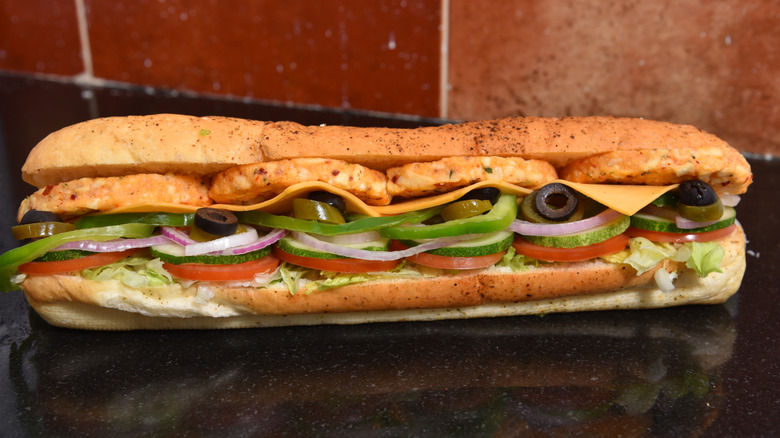
If Subway is known for one thing, it has to be its Footlong sandwiches. As the name suggests, these sandwiches were indeed meant to be a full 12 inches long. Although you could certainly share this size of sandwich or just save some for later, many patrons wanted to eat every inch of that sandwich all in one go. So, when an Australian teenager measured their supposedly foot-long sandwich and found that it only came out to 11 inches, they were understandably upset — after all, the sandwich was specifically marketed as being a whole foot long.
Ultimately, there was a class action lawsuit, and Subway settled in a lower court for a little over $500,000. It also promised to ensure that its bread would actually be 12 inches long going forward. Still, though, according to a judge involved in the case, there was still a chance that consumers could get a sandwich that was slightly under a whole foot.
Trying to position itself as a healthy option
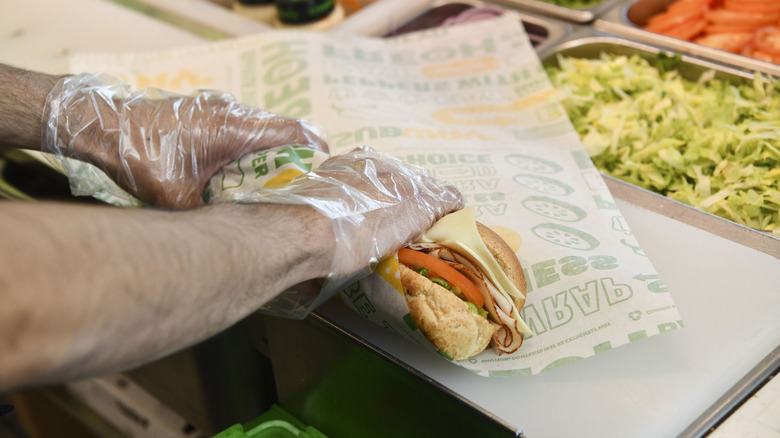
Subway got its start all the way back in 1965. While it was coming up and gaining prominence, there was a problem in the world of fast food: There were essentially no healthy options from which to choose. Sure, you could grab a burger and maybe even a fried chicken sandwich. But if you wanted actual, fresh veg and some sort of non-fried meat, you were pretty much out of luck. In this environment, it makes sense that Subway touted itself as a healthier fast food restaurant, highlighting its relatively low-fat options and, once again, employing Jared Fogle as proof that you could, in fact, lose weight by eating Subway sandwiches.
But, in reality, studies have shown that Subway isn't really that much healthier than its competitors. Of course, there are items you can order off the Subway menu that are healthier than others, but that's true of most fast food joints. And considering that there are so many healthier fast casual chains scattered across cities these days — think Cava and Sweetgreen — Subway's assertion that it's a super-healthy option just doesn't add up now.
Not being innovative enough
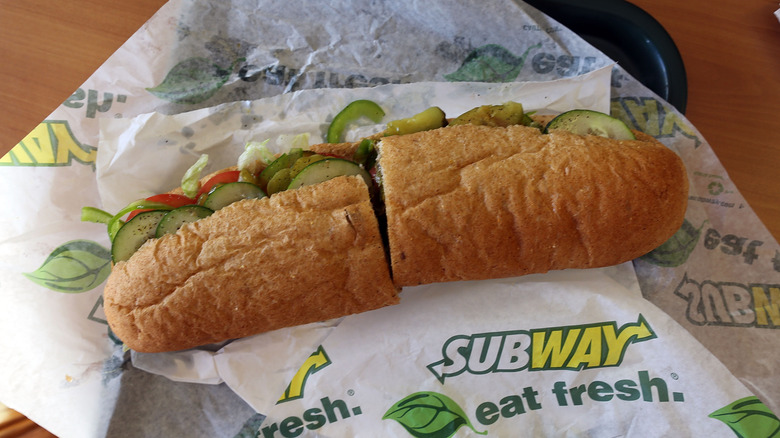
Innovation is important in the fast food game. Sure, restaurants might get return customers from a few of their most beloved items on the menu, but creating new, innovative menu items is what attracts a lot of customers to fast food joints after the novelty starts to wear off. Unfortunately, though, Subway just hasn't delivered much on this front. It's only made little tweaks to its menu, like creating the $5 Footlong deal and venturing into wraps instead of strictly staying with sandwiches, but compared to strange concoctions like KFC's Double Down, those relatively tame menu items just haven't been able to compete.
We get it if Subway thought itself above the wacky trends that other fast food restaurants have embraced in recent years, but the brand isn't even innovative enough to really lean into quality, healthy ingredients. It's been accused of serving mushy, less-than-fresh vegetables, which doesn't exactly appeal to a consumer base that's now largely more used to encountering higher-quality and even local food.
Offering a lower-quality product that people could make at home
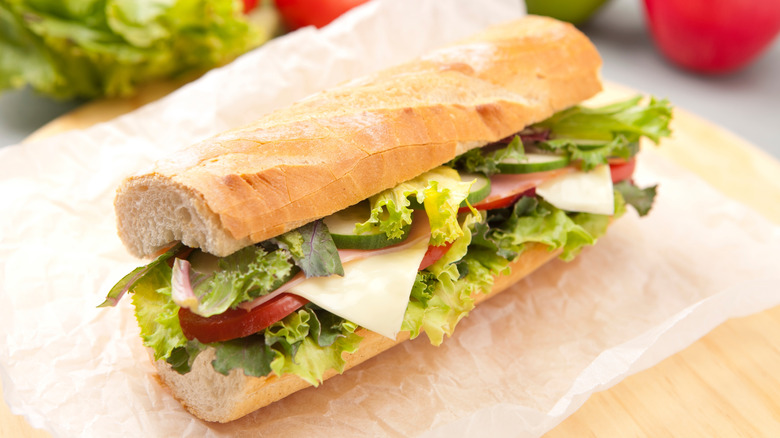
Another one of Subway's main mistakes in the last several years is not appealing to the right consumers. A lot of chains that are focused on freshness and healthier options have gone premium, focusing on customers with more money and a willingness to spend it on higher-quality food. These people are more likely to visit a fast casual restaurant that boasts an array of fresh vegetables, ranging from more accessible options like Chipotle to arguably somewhat more expensive chains, like Sweetgreen.
Instead, Subway decided to target a customer base that doesn't quite have the same amount of money to spend on going out to eat. The only problem? What Subway's making isn't that special, and people who don't have a ton of disposable cash can nearly as easily make a similar sandwich at home. Subway had a chance to reach an audience looking for a more premium product, but it unfortunately neglected to appeal to them, to its detriment.
Alleged poor treatment of franchisees
For years, Subway sold itself to franchisees as an incredible business opportunity. Because Subway is a pretty inexpensive shop to open, it appealed to those who wanted to get into the fast food business without spending exorbitant amounts of money. But the chain didn't do a good enough job to ensure that these locations weren't too close to each other, which led to serious revenue problems for the franchisees, many of whom claim they were uninformed. They've also claimed that they've been forced to leave their stores for small mistakes.
In fact, some employees say that working with Subway has been so difficult that they call the experience "a nightmare," saying that they're scared of retaliation if they don't do everything according to corporate's demands. These are the people who are actually running the individual businesses that the chain depends on, and by some accounts, they've been treated quite poorly. It's just one more mistake that's harmed Subway and contributed to its slow decline over the last several years.