

Italian Bakeries Often Sell Out Before Lunch, And There's A Good Reason Why
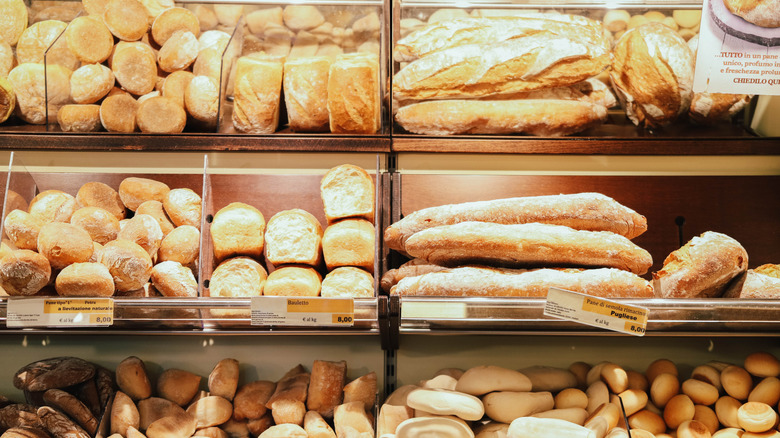
When visiting Italy, tourists will inevitably come face-to-face with "la vita lenta," or the slow life. From hours-long family dinners to post-meal passeggiate, slowing down and savoring the moment — and the food — is at the heart of Italian culture. I lived in Rome for years, and adapting to the "vita lenta" lifestyle and the associated Italian food rules was a challenge at first. But after many mornings lingering over my macchiato and people-watching in my local bar, I can say that it's a wonderful way to live. However, there are is one thing you'll want to pick the pace up on: To find the best bread and pastries, you should always aim to be among the local bakery's first customers of the day.
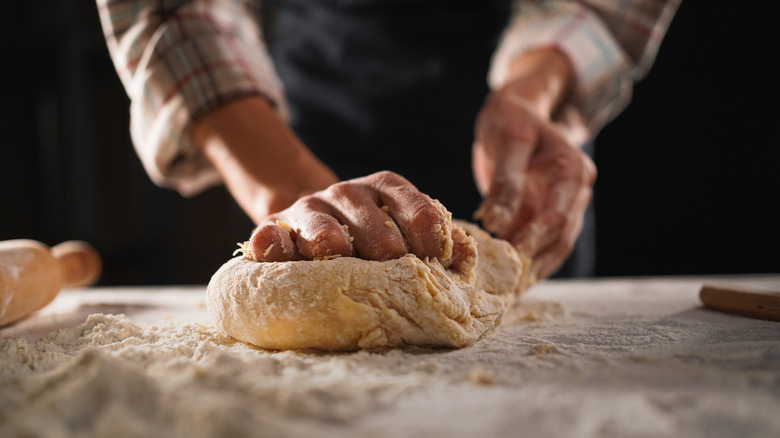
While you can buy decent bread at any Italian supermarket, the best place for freshly-baked options is at the local forno or panificio. For the same reason why you should think twice about buying baked goods at grocery stores in the U.S., the forno or panificio is where you'll find fresher and higher-quality products. Italian bakeries prepare their bread overnight and bake it fresh early the next morning, which is why you'll want to get there as early as possible. Italians prioritize freshness, so don't expect to be the only one doing so. However, if you arrive early enough, you'll be more likely to grab your favorite loaf — and it might even still be warm from the oven.
Depending on where you are, many popular bakeries sell out of their best-selling products by noon, and if it's a small forno, they might even close for the day during lunch. Some will open back up again, but others may not, especially if they're sold out, meaning you might just have to wait until tomorrow to satisfy your cravings.
What to look for when visiting an Italian forno
Before visiting your local forno, think about what you want to purchase. While you might not know everything in its lineup, consider which Italian region you're visiting, as this can help you narrow down what to look for. For instance, if you're visiting Liguria, you'll want to try the real-deal, gold standard Ligurian focaccia. If you're visiting Tuscany, you'll want to try traditional pane toscano, which is known for its distinct lack of salt.
You can't visit Italy without trying regional specialties, and the forno is a great way to do this. In nearly all fornos, bread is weighed per kilogram. This means you can purchase just a small amount of everything you'd like to sample, making the forno a great place to find inexpensive food in Italy. In addition to bread, many Italian fornos also serve pastries, panini, cookies, and even pizza. These are especially worth trying to get a real taste of the local cuisine.
No matter what region you're in, spotting your local forno is easy. Many of them boast a big street sign that reads "forno" in big 3D letters. If you don't see that, look for signs in the window that read "panificio artigianale." If all else fails, just start walking. On a slow, Italian morning, you're almost guaranteed to smell the bread long before you see the forno sign.