

These Overlooked Kitchen Items Can Replace Small Trash Bags, And You Already Have Them
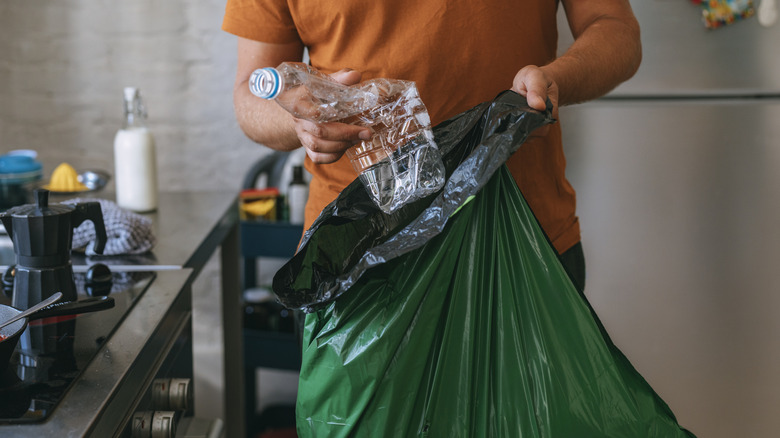
You can buy boxes of small trash bags that are specifically sized to line the smaller waste receptacles of your home, but most homes already have a constant influx of something that can accomplish the task. Take a cue from Tasting Table's story, Garbage Bag Alternatives That Won't Cost You a Penny, and you'll find that they're often tucked away in your home: the grocery bags, takeout bags, newspaper bags, bread sleeves, cereal box liners, and large plastic delivery envelopes. All of these are inevitable byproducts of contemporary consumption, which accumulate soundlessly, ceaselessly, inundating our lives with single-use plastic wrappers of every ilk.
These types of plastic bags don't require any special adjustment; a grocery bag tucked into a small trash can holds garbage just as well as a store-bought liner. If it's already in your grasp, works the same way, costs nothing, and doesn't really have any practical downsides, it's hard to argue for spending money on something new.
Plastic is made from petroleum, and every step of extracting it and manufacturing it into a finished product costs more than it used to. Between oil prices, inflation, labor, packaging, and distribution, the cost of even the most mundane products is increasing at breakneck speed, reflecting the whole apparatus behind their production and transport. Purchasing specialized, tiny trash bags is a kind of manufactured redundancy, yet another example of how we're all trapped in the web of a precarious global supply chain. But if you step outside the box of intended purpose, there are tiny trash bags everywhere, for those with eyes to see them.
A bag is a bag is a bag
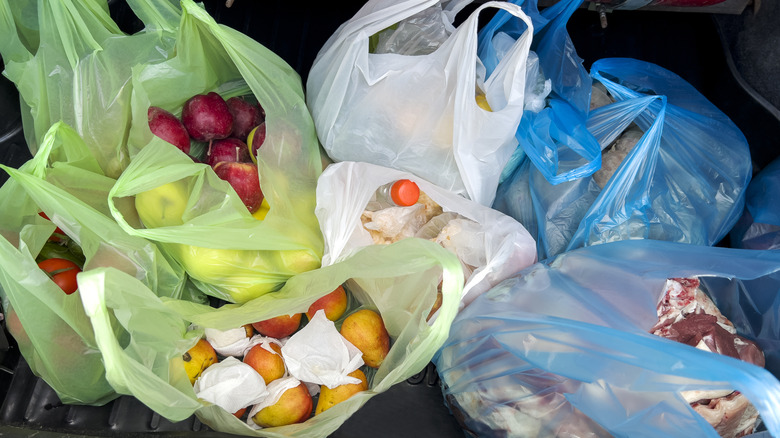
These bags are useful for pretty much anything that isn't very wet or very heavy. They're perfectly fine for cleaning up after a birthday party or art project, collecting veggie scraps during a big cooking project, sorting through paper clutter, and so on. Tie it off, throw it out, and move on, no extra purchase necessary.
For some people, this kind of reuse strategy might carry a faint stigma, a sense of neurotic penny pinching or performative over-frugality, as if buying unnecessary, redundant, and wasteful products signals status. But nobody is scrutinizing how posh your bathroom trash liners are, and there's actually nothing new or revolutionary about repurposing useful materials. In previous generations, scanning something for utility before tossing it was just a matter of course. Many who grew up during the Depression learned to get the most out of all materials, and continued lifelong habits of rinsing out and repurposing zip-top plastic bags, or finding unexpected ways to reuse pretty old tea tins in the kitchen.
Once you reframe your mindset around re-usability, you'll begin to see opportunities everywhere, like freezing leftovers or soup in takeout containers. Plastic, for all the problems it creates, is durable. It persists in landfills and waterways, even after it has lived out its purpose. It's physically capable of more than one use. Briefly extending its life won't solve larger environmental trajectories, but it pushes back against the cycle of overproduction. If something already exists, use it till you can't.