

Lead Might Be Hiding In Your Spice Rack — What Every Home Chef Needs To Know
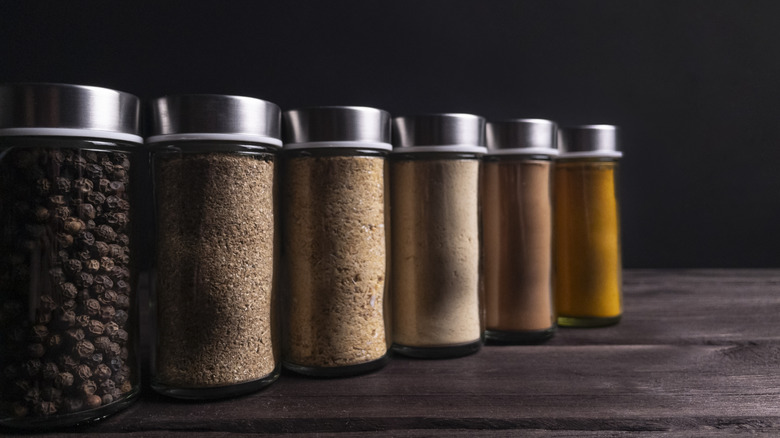
Product labeling is improving all the time, letting us know not just the nutritional value but also potential health risks like high levels of saturated fats, salt, or other ingredients people may want to avoid. Unfortunately, spices often get overlooked when it comes to what else might be in the package. Some spices, especially cinnamon, may contain elevated levels of lead or other contaminants depending on where they come from or how they're processed.
The FDA issued public health alerts for around two dozen brands of cinnamon that contained elevated levels of lead in 2024 and 2025. And in 2023, there was a recall of apple sauce after more than 500 children suffered lead and chromium poisoning from the cinnamon in it. One part per million of lead in dry cinnamon is enough to trigger a recall. And, because cinnamon has a long shelf life, these products could still be within their best-before date if purchased before the recall.
In addition to Consumer Reports finding that Whole Foods Cinnamon was one of the safest on the market, with the lowest lead levels in 2024, the organization tested 126 spices from brands including McCormick, Trader Joe's, Great Value, and Whole Foods in 2021. At that time, it discovered levels of heavy metals, including arsenic, cadmium, and lead, that were high enough to pose health risks to kids who ate them regularly. Many were high enough to be a risk for adults. Thyme and oregano from every brand showed elevated levels. Lead levels were high in 31 different spices, regardless of where they came from and whether or not they were organic.
The danger of heavy metals
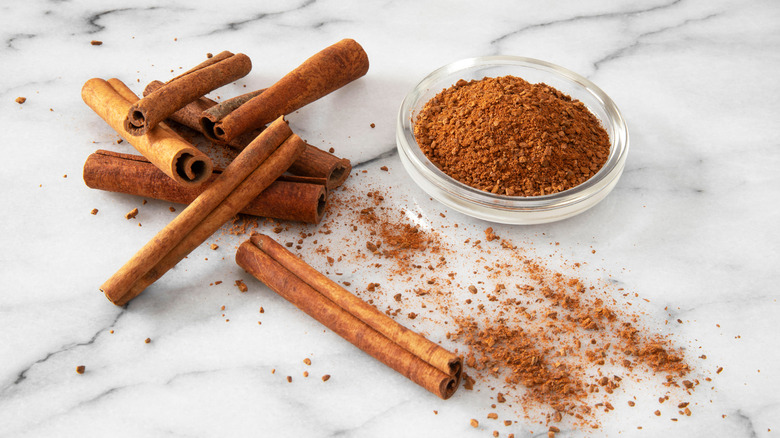
In addition to cinnamon, data from the Minnesota Department of Health and the Texas Department of State Health Services shows that spices like turmeric, coriander, chili powder, cloves, and paprika are more likely to contain lead than other spices. In 2025, a test in Lancaster, Pennsylvania, found that 90% of spices sold in stores or donated by homeowners contained heavy metals, per Environmental Monitoring and Assessment. Over 40% had lead levels that exceeded the daily recommended limits.
Lead contamination in spices is usually not natural. Plants can absorb lead through the soil or water if it is heavily contaminated, but some spices are contaminated externally. Intentionally adding lead to spices is illegal and dangerous. Lead poisoning is especially dangerous for children. It can cause brain damage, neurological issues, kidney problems, and even death. Because lead and other heavy metals accumulate in the body over time, even small amounts can pose serious health risks. Tiny amounts are generally harmless, but regular consumption is how they become a risk.
Contaminated spices typically come from abroad, so it's safer to buy spices made and processed in the U.S., where higher safety standards are at play. Manufacturers may intentionally add lead powder to increase the weight of bulk spices, and also to make the color more vibrant. Unintentionally, lead can find its way into spices during the manufacturing process from machinery.
Unfortunately, there's no way to tell if spices are contaminated without lab testing. Watch for FDA alerts and check the Consumer Reports list, which recommends cinnamon distributed by Sadaf, Whole Foods, Morton & Bassett, and Loisa.