

The 6 Most Affordable Vegetables To Plant In Your Garden, According To A Farmer
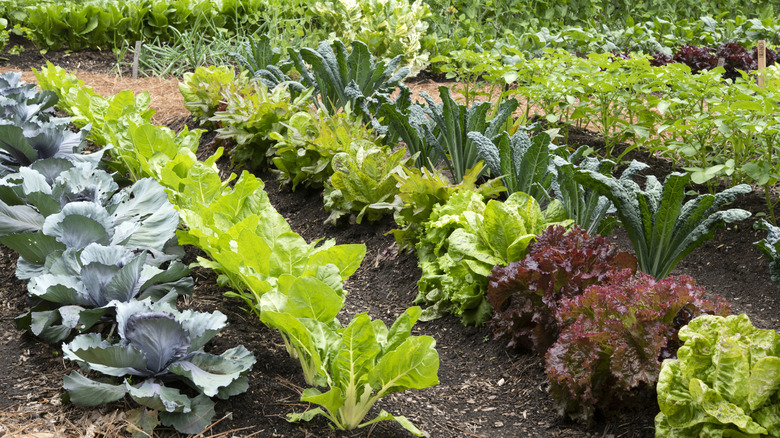
There's nothing quite as tranquil and rewarding as tending a garden, particularly one devoted to growing your own vegetables. A veggie garden can be a simple, sustainable, and enjoyable way to prioritize fresh and nutritious food in your life, so long as you stock up on all the tools you need to keep your garden healthy. And considering the state of the economy, the hobby can also double as a humble and practical solution to ever-increasing grocery costs. According to the USDA's Consumer Price Index, grocery prices are expected to increase 3.1% in 2026, meaning a little self-sufficiency could have a big impact on your grocery budget. Whether you're using a few containers on a balcony or have a spacious backyard patch, you too can engage in this fulfilling hobby.
To get some insight on how to start and which vegetables you can grow on a budget, we spoke to an industry expert: farmer William Henpenn from Umbel Roots Farm, who works with the Graton Resort & Casino. Henpenn, who is dedicated to growing organic, seasonal produce on the farm, offered some recommendations for the most affordable vegetable plants that you can grow in your garden. The process of growing your own veggies can be time-consuming and costly, considering some crops require extra water, special care, expensive fertilizers, or hyper-specific climates. Henpenn's suggestions are low-cost yet still allow you to enjoy fresh, nutritious produce.
Spring green garlic
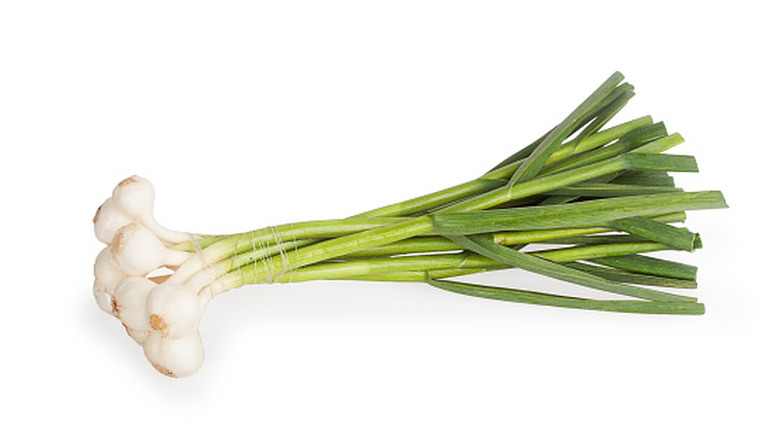
Spring green garlic, also known as green garlic, is a garlic plant harvested before maturation — meaning before its bulbs are fully grown and the stems brown. The stems of spring green garlic resemble scallions or green onions, and they have very small garlic bulbs on the end. It can be harvested once the stems reach the length of a pencil.
Farmer William Henpenn calls spring green garlic "a standout from this year's early harvests." He praises the vegetable for being slightly less pungent than mature garlic while maintaining all of the same nutritional benefits. "100% of the spring green garlic plant is usable, making it an especially versatile and economical crop for home gardeners," he says.
It's also remarkably simple to grow spring green garlic. The vegetable can be grown from individual cloves, which most people generally already have at home. While the crop enjoys direct sun, it does not require excessive watering or care. In addition, spring green garlic is hardy and can thrive in a small container in your kitchen. Home gardeners can harvest spring green garlic early in the season while allowing some of the plants to fully mature into garlic bulbs later on. In other words, it's basically a two-for-one deal!
Salanova lettuce
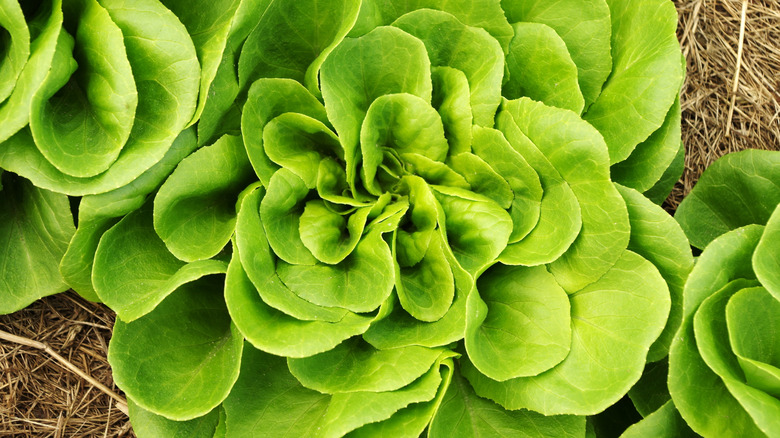
Salanova lettuce comes in a variety of colors, such as red and green, as well as various textures. It's distinguished by the rose-like patterning of its salad leaves. Salanova lettuce produces many more salad leaves as other lettuce varieties, making it a highly productive plant worth growing. In addition, the leaves can be easily separated from the lettuce core, significantly reducing prep time and waste. According to William Henpenn, Salanova is a consistently flavorsome lettuce variant, making it a staple for home gardens and kitchens alike.
Regarding its affordability, Henpenn praises Salanova lettuce for its longevity, which he says "[continues] to thrive well beyond winter." In fact, Salanova can last up to twice as long as other lettuce varieties. It can also be grown in various spaces, both indoors and outdoors, allowing for a high yield from even very small growing spaces. For instance, it is just as happy grown in greenhouses or hydroponically as it would be if grown outside in a field. In other words, regardless of your garden set-up, the vegetable is durable enough to thrive.
La Ratte potatoes
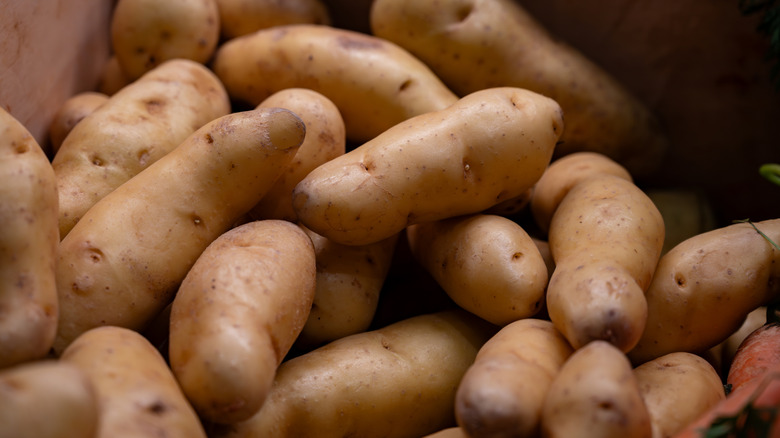
La Ratte potatoes are a small fingerling variety that originated in France. The humble vegetable is considered a favorite by many French chefs and has made a splash in America. "These true fingerling potatoes are deliciously nutty and versatile to complement a variety of dishes," William Henpenn says. These restaurant-worthy potatoes are an affordable and practical option for home gardens for a multitude of reasons, including their minimal space needs, high yields, low input costs, and simple cultivation.
La Ratte potatoes do not require much space and are relatively robust. The vegetables can be grown in containers, gardens, raised beds, or greenhouses. In addition, the fingerlings only require minimal care, such as moderate light, well-drained soil, and direct sunlight, meaning you won't need to spend a ton on water or elaborate agricultural setups. The potatoes are also known for producing a high yield from relatively few tubers, so gardeners can harvest a substantial crop without spending a ton on tubers.
Epazote
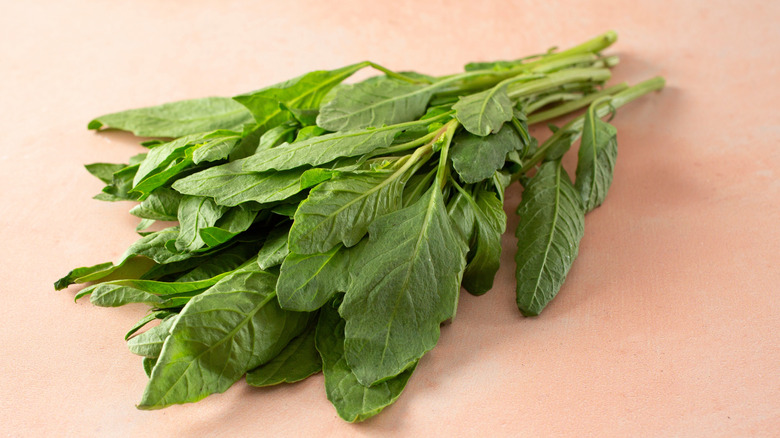
Epazote is known for both its culinary utility and its traditional medicine applications, which date back as far as the Mayan Empire. According to William Henpenn, "Epazote is a Mexican herb cultivated by growing a blend of oregano, mint, fennel, anise, and celery stalk. This combination results in a deeply aromatic and multifunctional plant." This affordable Mexican plant can be used to enhance your next dish with its distinctly earthy flavor.
The herb is budget-friendly and easy to grow, making it a unique addition to any home vegetable garden. In fact, epazote's rapid growth rate has earned it the reputation of being a weed. The herb sprouts quickly, in as little as seven days, and yields many leaves. In addition, the herb is robust and does not require any specialized equipment or care — just ensure that it gets enough light. For instance, there's no need for extra fertilization. This prolific grower also self-seeds, meaning gardeners can enjoy the earthy herb annually before having to repurchase seeds. In fact, epazote is so prolific that many actually recommend growing the herb in small pots or containers to prevent it from taking over.
Pink celery
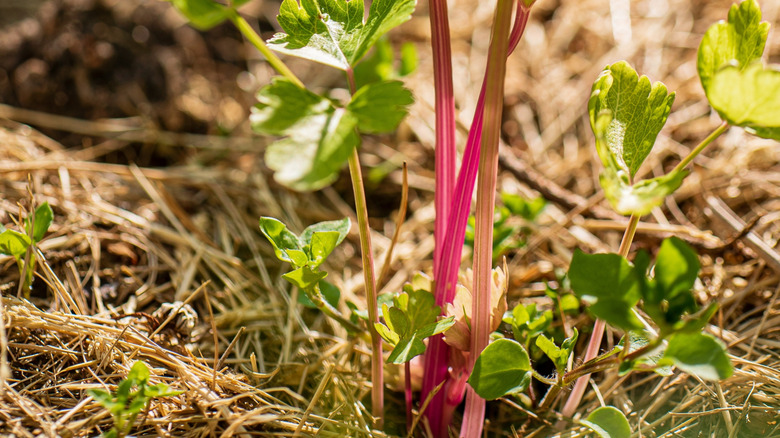
Pink celery, a variant of Chinese celery, is a unique and visually striking vegetable. The stems are bright pink and slightly thinner than green celery, and its leaves are soft and feathery. "Pink celery offers the satisfying crunch of traditional celery but without the bitterness, making it a more appealing option for a wider range of dishes," says William Henpenn. "Whether shaved, sliced, sauteed, or pickled, it's a productive and flexible plant that rewards gardeners and chefs with multiple uses."
Regarding the vegetable's affordability, a single packet can contain hundreds of seeds at a very low cost (often less than $10), which is especially significant considering pink celery is thought of as a unique or specialty crop. Not only is this vegetable productive, as Henpenn suggests, but it's also space-efficient because it is compact, smaller, and shorter than green celery. The vegetable is suitable for growing in containers (so long as it receives direct sunlight and sufficient drainage) and in smaller vegetable gardens. The plant can also be harvested continuously by trimming the bigger exterior stalks and allowing the rest of the plant to keep growing. While the plant is a little slow to germinate, once it does, it's very productive, so you can continue to enjoy the specialty vegetable without needing to visit a specialty grocer.
Atlas carrots
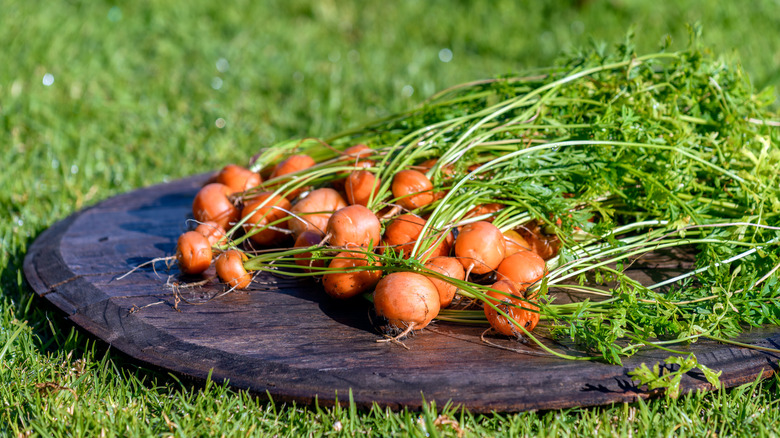
Carrots come in an array of variants, and one that you should try growing is the Atlas. Atlas carrots are an upgraded take on a type of 19th-century Parisian heirloom carrot. Despite the vegetable's gourmet background, Atlas carrots are an affordable option for even the humblest of home vegetable gardens. William Henpenn praises the crop for being a stand-out vegetable that is both tasty and easy to prepare, as they don't require peeling. "Their ease of preparation and everlasting flavor punch make them a cost-effective addition to the garden," he says. In addition, the vegetables offer high yields with low input costs and are an extremely adaptable and reliable crop.
Starting costs are low, as one packet containing hundreds of seeds can be purchased for less than $3 and potentially last several harvests. Atlas carrots offer high yield and consistent production while being low-maintenance and simple to grow, even for first-time gardeners. So long as they have enough sun and water, you can expect your carrots in around 70 to 80 days.
Furthermore, the carrots' signature small, rounded root means it grows well in shallow soil, so you can save on soil costs, especially if you have a raised bed. Atlas carrots, like other carrot varieties, store well after harvest and are a versatile vegetable. In other words, you'll have plenty of use for them as the seasons change, and your wallet will thank you in the long run.