

12 Common Foods That Are Dangerous To Eat Raw

When I started culinary school (longer ago than I would care to admit), I had dreams of moving around massive kitchens, getting to experiment with all sorts of exotic ingredients, studying at the elbows of chefs who had stories careers both here and in restaurants abroad. I had worked in kitchens before starting culinary school, dogging dishes and prepping vegetables. I was ready to shed my greasy dishwasher's apron and don the white coat of a chef. I wanted to get to the food of it all and just disappear into the decadence of melted butter and seared steaks.
Imagine my surprise, then, when I started my program and found out that the first six weeks were devoted to food safety, all culminating in an exam that would determine whether or not we would be able to continue on to the actual task of food handling. Instead of cooking, my first month and a half of culinary school was spent learning the complicated names of various food-borne pathogens, the proper temperatures that meat, fish, and dairy needed to be stored at, and how to prevent cross-contamination. I studied harder for my food safety exam than any other test I had ever taken. Everything I learned from that first chapter of school has stuck with me in the ensuing decades of my time in food service.
Cooking food to the proper temperature is a crucial method of making sure that what you're eating is safe. Some of the items on this list might surprise you with how dangerous they can be when eaten raw, but take my word for it when I say that when it comes to food-borne illnesses, it is always better to err on the side of caution.
Chicken/poultry
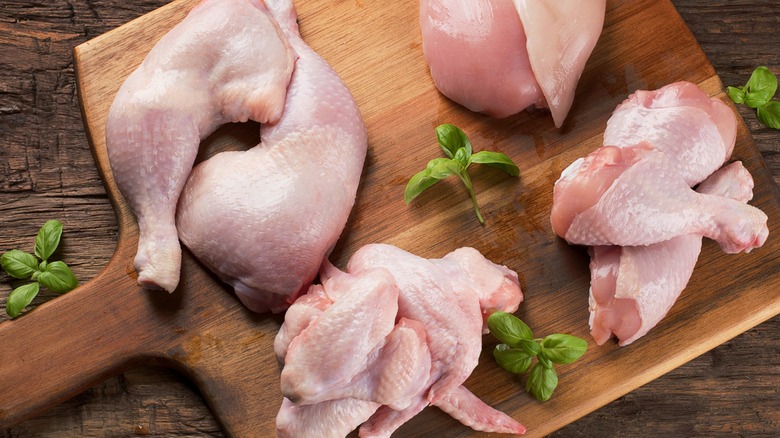
This first item shouldn't surprise anyone who has ever turned on a burner. Raw chicken is often villainized, cast as the most dangerous of the raw meats, and with good reason. Campylobacter, Salmonella, and Clostridium perfringens are the three major culprits when it comes to food-borne illnesses that can be introduced by raw chicken and other poultry.
You might be familiar with the effects of Salmonella, which, according to the CDC, sickens 1.35 million people a year in the United States. Headache, nausea, vomiting and diarrhea can last between 4-7 days.
Campylobacter causes intense stomach upset, along with diarrhea and dehydration from vomiting. It can be especially dangerous for elderly people, young children, and anyone who might be immunocompromised. It can take a few days for the symptoms to show up, but they can linger for a week once the bacteria takes hold. Clostridium perfringens also produces painful gastrointestinal distress. Per the CDC, however, the effects tend to last only about 24 hours.
So what's the solution when it comes to chicken, other than donning a full yellow HAZMAT suit? It's all about containment and mitigating the spread of potentially harmful bacteria. While washing down the raw chicken to rid it of the germs is a practice that is seen in many home kitchens, the USDA actually recommends against it as it can spread the harmful bacteria around your kitchen via your sink. Properly sanitizing your cutting boards, countertops, and thoroughly washing your hands after handling the raw meat is the best way to keep yourself safe, along with cooking the chicken to at least 165°F.
Ground beef/meat
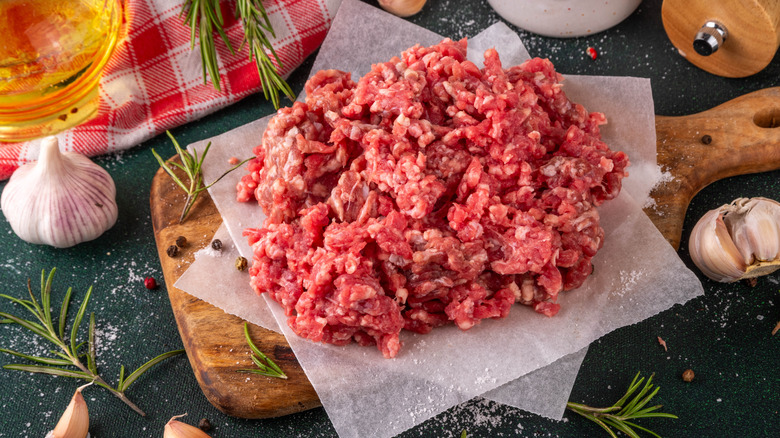
Beef, like fish, is actually a meat that can be eaten raw, if it's handled properly. Various cultures have dishes that feature raw beef, from steak tartare to carpaccio. However, once you start to grind the beef, you're opening yourself up to a host of risks if you eat it raw or undercooked. So what's the difference between whole raw beef and raw ground beef?
When beef, or other meat, is ground, it's often meat from multiple different cows that are being ground together in a single batch, which means that if one cow is infected with an illness, it can contaminate a wider batch of ground beef. The grinding process also exposes more of the surface area of the meat to bacteria, both within the mechanisms of the ginder and to the surrounding environment.
E. coli and Salmonella are most commonly found in undercooked ground beef, which can be very dangerous for the very young, the elderly, and pregnant people. It's imperative to cook ground beef and other ground meats thoroughly to 160 degrees Fahrenheit to ensure that all bacteria is destroyed.
Eggs
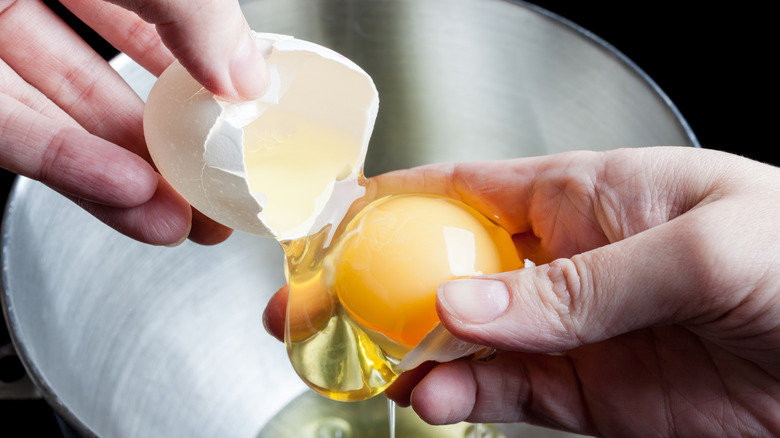
Salmonella is a recurring villain when it comes to food-borne illnesses. 420 deaths per year are linked to Salmonella poisoning, and 26,500 hospitalizations. It's not a disease that you want to take lightly. Growing up, I was always told the fastest way to get Salmonella is to mess around with raw eggs. What surprised me when I started learning more about food-borne illnesses in culinary school was that it wasn't the interior of the eggs that contained the risk of Salmonella, but the shell.
Salmonella infection is transmitted through the droppings of chickens with the bacteria in their guts, so when eggs in nests are in contact with those droppings, the bacteria can coat the shells and can then transfer into your food when you crack the eggs and the interior contents touch the infected outer shell. It seems like a long journey, but it's a simple matter of basic cross contamination. Once the germs have infiltrated your food, the only way to kill the pathogens is to heat the eggs to 160°F.
Fortunately, most eggs that you buy at the grocery store have been thoroughly washed and sterilized before you bring them home. The rate of Salmonella infection is much lower than it was in the past, however there are instances of infected chickens laying eggs that contain the bacteria from inception, so it's always better to play it safe than sorry when it comes to raw eggs.
Flour
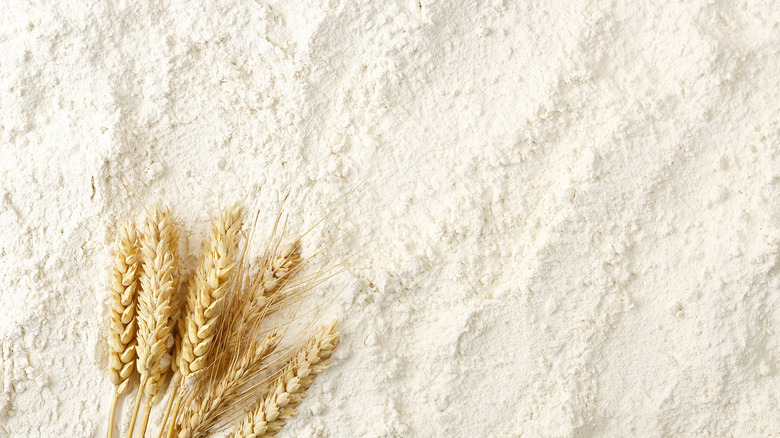
I think we all know better than to eat raw cookie dough, no matter how tempting it can be to sneak a nibble of the gooey batter. I always thought that the danger lay in the raw eggs. However, it turns out that the danger is actually two-fold. The flour in raw dough is actually a risk, as well!
I had never thought of flour being a raw food, however it doesn't go through any actual cooking process before it hits the shelves, so yes, it is technically raw. While it's growing, wheat can be exposed to many contaminants in its environment, including E. coli and Salmonella. During the grinding and processing that the wheat goes through in its journey to become the lovely, fluffy ingredient we know so well, it is again exposed to bacteria that can lurk in the machinery and storage containers along the way.
You should always make sure to thoroughly bake any food that contains flour and carefully wash all surfaces and utensils that come into contact with flour during the cooking process. Finally, resist the urge to snack on raw cookie dough. If you can't fight the temptation that cookie dough presents, then do yourself a favor and bake your flour first! You can make raw cookie dough safer by omitting the raw egg and zapping your flour in the microwave or toasting it in the oven to kill any hidden bacteria that's out to turn a good thing super bad.
Potatoes
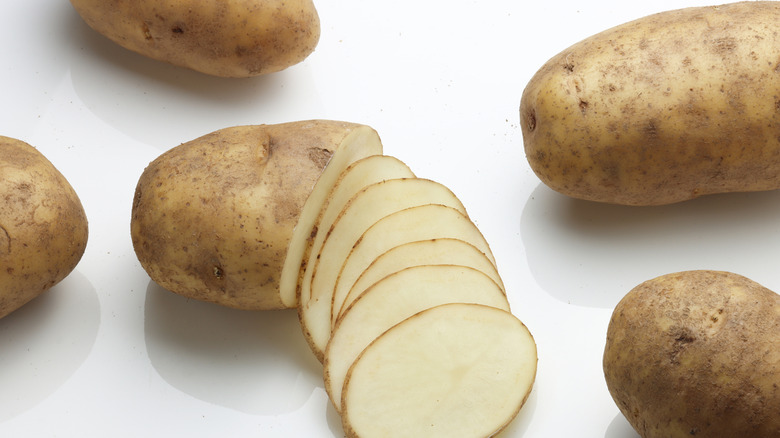
When it comes to raw food, it's not always the germs that will get you (though, seriously... wash all your veggies as soon as you get home from the market), but the compounds within the plant might be the culprit making you sick. Potatoes are America's favorite vegetable, but they are not without their dangers.
Potatoes contain an element called solanine, which is especially concentrated around the greener parts of potatoes and any sprouts they might start growing if you let them sit for too long. Solanine, unlike bacteria, cannot be cooked out of the potato, so it's best to cut away any green or sprouted portion before eating your spud, otherwise you could be in for some abdominal pain and vomiting.
The starch in raw potatoes can also lead to some tummy troubles if you're not breaking them down with heat. The same starches that make you feel so cozy and full after your favorite potato dish, are also snacked on by bacteria which leads to small-scale fermentation, which can lead to gas if you're not cooking everything thoroughly.
Milk
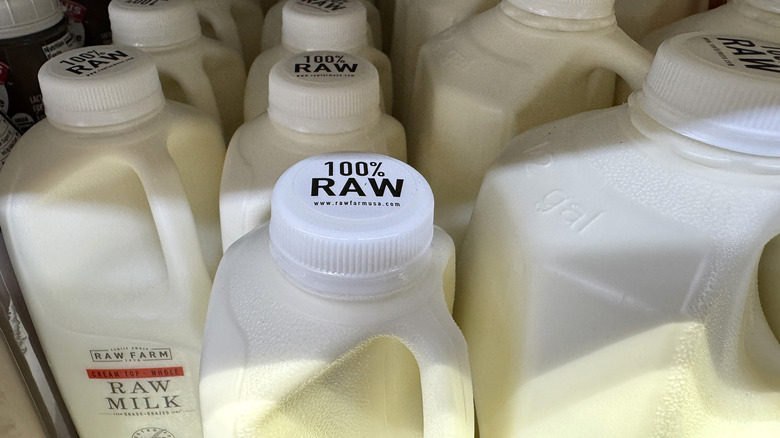
Almost all milk that Americans buy commercially is pasteurized. However the last several years have seen a rise in popularity of consuming milk and other dairy products that haven't undergone that crucial pasteurization process. Not only does that mean the milk could be contaminated with E. coli, Listeria, Salmonella, but also with additional viruses that affect dairy herds, like bird flu.
Listeria, in particular, is incredibly bad for pregnant women, whose unborn babies can suffer the brunt of the damage from the Listeria infection. This sort of infection is utterly preventable by ensuring that all cheeses, yogurts, and milk that you consume are fully pasteurized, which involves being heated to a temperature that kills all bacteria and viruses that could be transmitted to humans from the dairy herd.
Sprouts
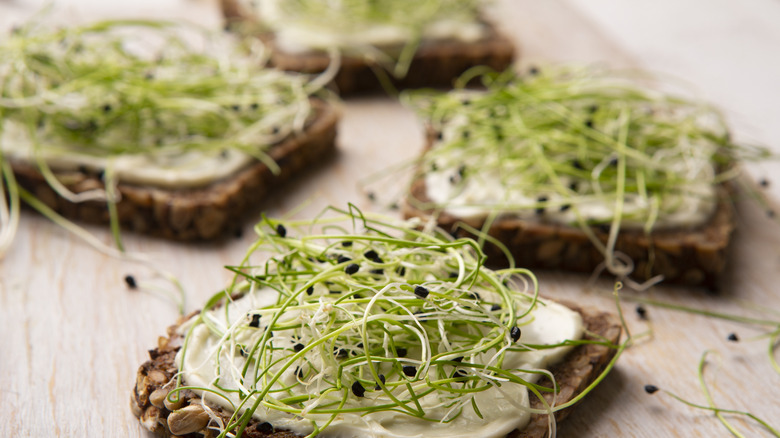
Sprouts are, as the name implies, the earliest stage of a seed's growing cycle. Since rising to popularity during the healthy-eating boom in the late 70's and early 80's, spouts have become a familiar sight on sandwiches, salads, and stir-fries. They're touted for their nutritional value since they're relatively high in vitamin C, protein, iron, and calcium, plus they had fantastic texture to your food. The popping crunch of a sprout is impossible to replicate and gives a unique twist to your standard meal.
Unfortunately, the very conditions that nurtures sprouts to, well.. sprout, also allow the profiligation of all the nasty bacteria that can make you really sick. Salmonella and E. coli, everyone's two least favorite picnic guests, love the warm, moist environment that sprouts need in order to germinate. Any bacteria contaminant that might be in the soil has ample opportunity to multiply enough to cause serious illness if consumed. Since 1996, there have been 48 outbreaks of food-borne illness connected to infected sprouts, which resulted in 179 hospitalizations and 3 deaths.
If you're vulnerable to food-borne illness due to pregnancy or a compromised immune system, just skip sprouts all together. The health benefits are overshadowed by the risks. If you're in relatively good health and want to partake in that crunchy, stringy uniqueness that is sprouts, then ensure that you're handling them properly. Keep them refrigerated below 40 degrees Fahrenheit and rinse them thoroughly before you use them. Give them a good sniff and ensure that they don't smell sour or musty, and make sure they don't feel slimy. When in doubt, though, toss them out!
Kidney beans
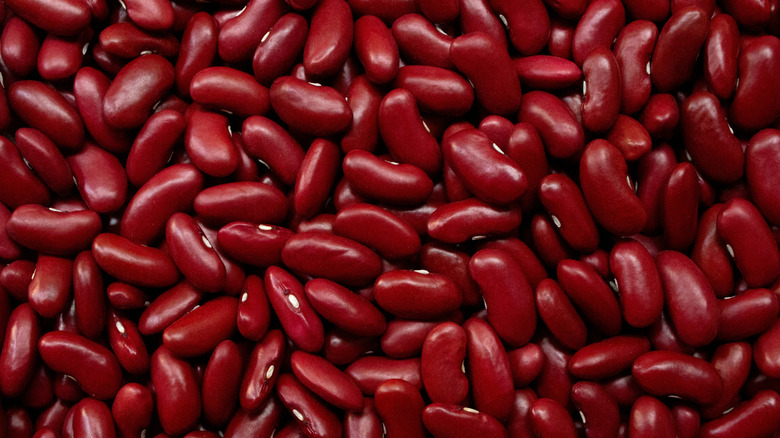
Kidney beans are a super nutritious addition to soups, salads, curries, and chili. They have a mild flavor, so they're incredibly versatile. If I ever want to bulk up a meal or add an extra helping of protein and fiber, I tend to drain a can of kidney beans and toss them into whatever I'm making. I never thought twice about it.
It turns out that raw kidney beans are very toxic. They contain a certain lectin called phytohaemagglutinin, which can impact how your red blood cells function. It doesn't take all that many beans to make you sick, either. As few as four to five raw kidney beans is enough to cause a reaction in most people, which typically consists of vomiting, diarrhea, and stomach pain which can start within just a few hours of eating the beans.
Soaking dried beans draws out the toxins, so the beans are the most dangerous coming from a fresh soax. They need to be vigorously boiled for at least 20 minutes in clean water before they're eaten in order to be considered safe. Never boil the beans in the water you soaked them in because you're essentially cooking them in a stew of their own toxins.
Here's the good news, though, canned kidney beans have already been cooked! You could eat them directly from the can with no ill effect because they were already heated before being canned. Dump them into your recipes with abandon and enjoy.
Lima beans
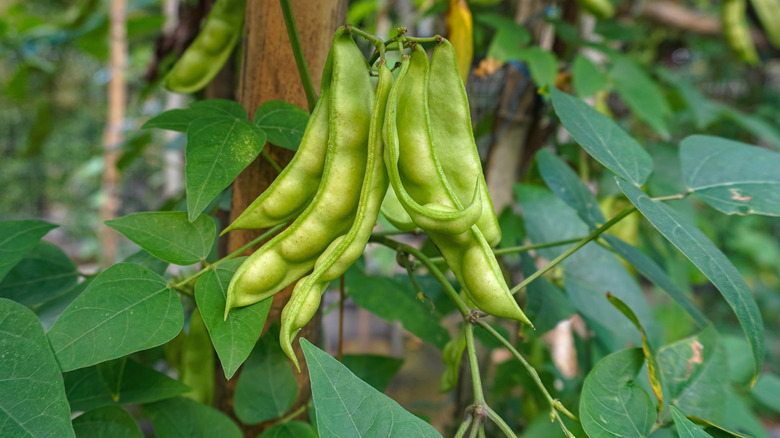
Speaking of beans, don't tell the picky eaters and kids in your life who turn their noses up at lima beans, but they are actually pretty poisonous when they're eaten raw. Linamarin is a compound found in raw lima beans. When lima beans are chewed, they release cyanide. Yes, like in an Agatha Christie novel. It's believed that the cyanide reaction developed as a way for the plants to protect themselves from being eaten in the wild. Since humans have cultivated lima beans, however, their cyanide content has decreased, per Oregon State University.
Fortunately, much like kidney beans, you're not often going to come up against raw lima beans as a casual consumer. Canned and frozen lima beans have already been cooked, so there's no danger in eat them without cooking them a second time (though I can't speak to how appetizing that would be).
Rhubarb leaves
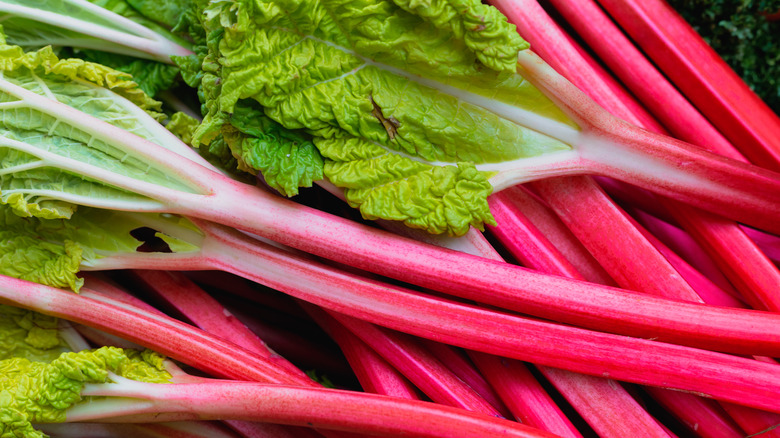
With its snappy tartness that finds itself just as much at home in pies as it is in mocktails, rhubarb is a unique plant that has lots of culinary applications. The beautiful pink stalks can be pickled or candied and be thoroughly enjoyed.
The leaves, however, contain oxalic acid, which, when consumed in high quantities can result in kidney stones and further kidney damage. Even if you aren't eating a full salad of the leaves, just a small amount can lead to blisters forming in your mouth, nausea, and, in some cases, seizures. If your mouth and throat get swollen enough from the reaction, you might also find yourself struggling to breathe. There are so many other leafy greens that you can fill your plate with. Stick to the stalks of rhubarb for your pie and toss the leaves into the compost.
Mushrooms
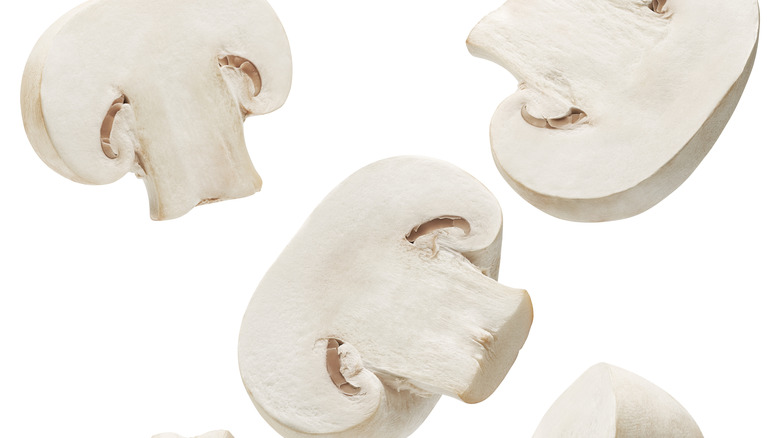
I am going to be vulnerable and admit a stupid mistake I made when I was young and considered myself to be immortal. With just a guidebook, I went out into the woods and foraged mushrooms. I had no training, no guidance, I just picked when I saw, matched it as best I could to pictures in my book, and took my finding home, where served them to myself and my partner at the time. We became violently ill and that was us getting off easy. Mushrooms can be so incredibly toxic and you should never eat wild mushrooms unless you know exactly what you're doing.
Obviously, there are plenty of delicious wild mushrooms out there, and if you take classes or buy them directly from a skiller forager, then you should be fine. However, toxic mushrooms are out there and they can cause you a host of problems that can range from something as simple as gastric upset to as serious as respiratory failure and heart palpitations and death. Cooking the mushrooms doesn't always mitigate the effect of the toxins. So raw or cooked, just don't mess with wild mushrooms unless you're an expert.
Shellfish
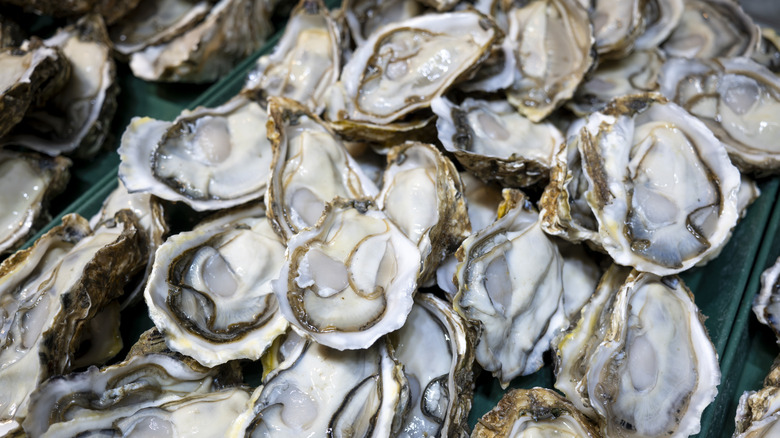
Growing up in New England, I adore seafood. I love clams, mussels, oysters. If it's in a shell and comes from the ocean, I am all about it. In general, seafood is generally safe to be eaten raw as long as it is handled properly and kept at safe temperatures to prevent spoiling and bacteria growth.
The problem with shellfish, and most bivalves in general, is that they are the ocean's filters. They suck in the toxins in their environment, which can build up in the oyster or clam's system. Vibrio bacteria is naturally occuring in the ocean, especially in the brackish waters where oysters and clams hang out. If you eat an oyster or clam that has high concentrations of vibrio, you may develop vibriosis. Symptoms of vibriosis typically include vomiting, chills, and diarrhea, but they can progress to fever and low blood pressure if the infection spreads into your bloodstream.
Since they are a filter-feeder, shellfish can also pick up such nasty infections as Hepatitis A and norovirus that might be in the water that they're constantly passing through their systems. Alcohol, lemon juice, and hot sauce aren't enough to kill these infections. You need to properly cook your shellfish if you want to enjoy a truly safe eating experience.