

Charcoal Vs Wood Vs Gas: What's Actually Best For Grilling?
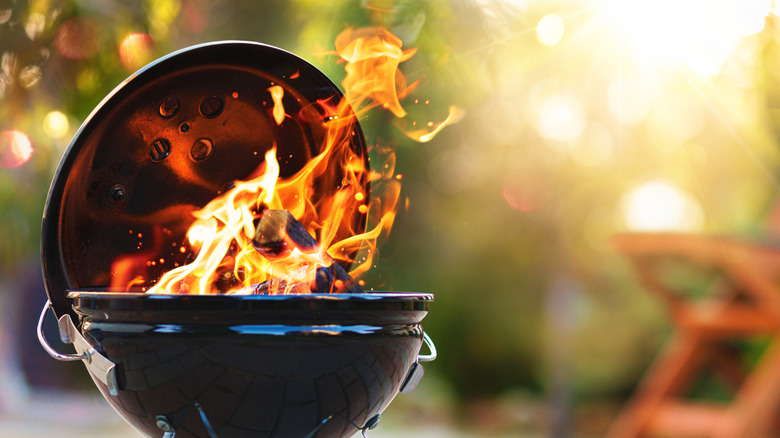
Whether you are new to grilling, only do it occasionally, or are a dedicated griller, you likely know the debate over which method is best. Some swear by wood, others prefer charcoal, and many like the simplicity of a gas grill. There are some distinct differences and benefits to each, so we decided to head to an expert to learn more.
World-renowned chef José Andrés, who is coming out with a new cookbook in May, "Spain My Way," knows the ins and outs of grilling, so we asked the chef how wood, charcoal, and gas affect grilling. "What you cook with is what you will taste!" he told us. "The way I think about it, charcoal is for temperature, wood is for flavor — there is simply nothing like the sweet whisper of wood when you're grilling."
You can't choose just any wood, either. Andrés makes sure to use specific types to complement the dish he's cooking. "I love cooking with wood to add aromas and flavor — you can think of it as an ingredient," he says. "To me, mesquite, it burns well but the aromas you're getting from it aren't always very nice, they can be harsh. A more neutral, clean-burning wood like oak is beautiful, or when you're cooking something delicate like fish, a sweet wood like cherry is nice."
Cooking on a gas grill with Chef Andrés
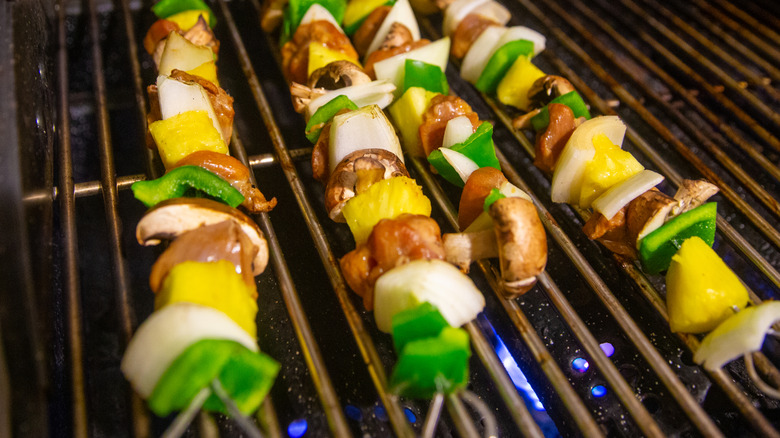
We know Chef Andrés thinks wood is best, but he still makes room for gas grilling. "I think there are a few advantages it has — while it is nowhere nearly as good an outcome as cooking over wood, a paella on a gas ring is perfectly acceptable," he says. "It is much faster to set up, can control the heat and the flame, and the pan itself protects your food from the flavor of gas." Paella needs to be cooked in a pan, not directly on the grill like a steak, and that's a key difference for Andrés. "What I don't think you should be doing is cooking food directly over gas," he says. "I know it's easier, and many, many people have gas grills, but the flavor you're getting just doesn't taste right. You get that flavor of propane, the bitter taste. That's why cooking over embers is nearly always better."
Andrés' concerns were the same ones that came up when we compared the pros and cons of gas and charcoal grilling. The fact is, you just can't replicate the taste of natural wood when using a gas grill. It really does add a unique, smoky dimension to food. Ingredients like liquid smoke or other seasonings may try to emulate it, but they fall short of the real thing. Perhaps the biggest advantage a gas grill can offer is less prep time and less cleanup, giving you more time for eating and socializing.
Tips from a master
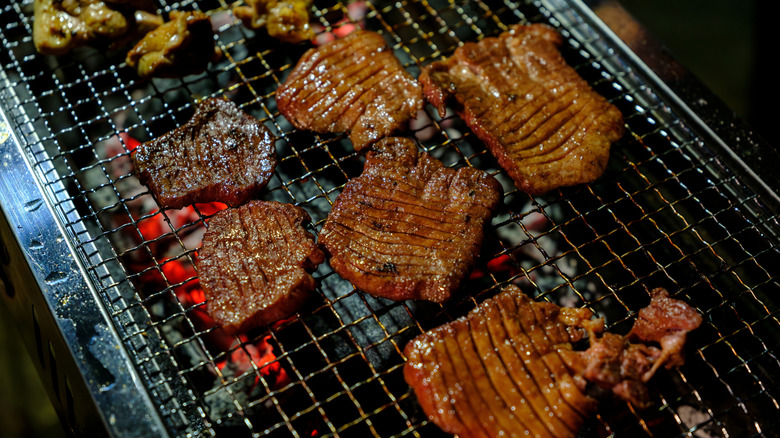
Chef Andrés acknowledges that time needs to factor into your grilling, and he has some tips for using wood or charcoal. "You always want to cook with the hot embers that you get after burning wood or charcoal for 20, 30 minutes. This is how you get a consistent, hot fire for grilling," he says. "You don't want to cook on 'raw' charcoal — always get it started ahead of time. If you need to add more, make sure it's embered over before adding it to the grill."
There are many mistakes people make when grilling with charcoal, and what Chef Andrés pointed out is just one of them. This is another reason gas grills have an advantage over charcoal and wood grills. They are a lot easier to use, and there are fewer things you need to keep in mind to make the most of them. For a beginner, a gas grill can be an easier way to get into grilling. Over time, as you learn more, like which woods to use and which to avoid, you can master a charcoal grill and take advantage of cooking over embers and adding smoky flavor to your dishes.
When we put the choices head to head and asked Chef Andrés which he preferred, charcoal or gas, his answer was clear: "Charcoal, no question."