

These 5 Plants Hate Coffee Ground Fertilizer — Here's What To Use Instead
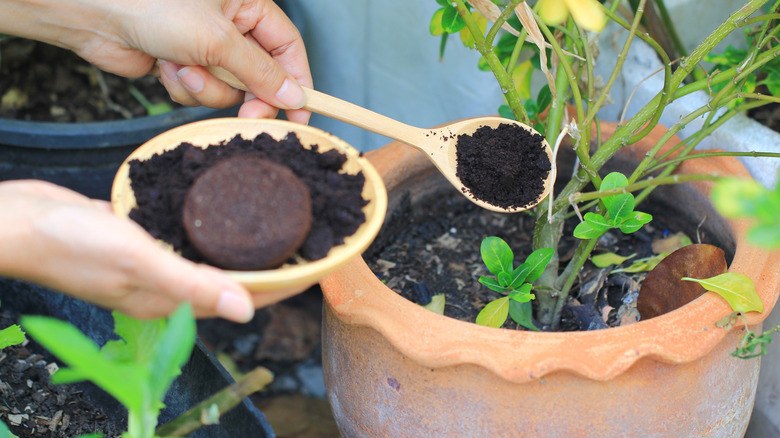
Who doesn't like a nice, strong cup of coffee in the morning as a pick-me-up? Some plants, it turns out. Adding used coffee grounds and diluted brewed coffee to fertilizer can enhance the carbon and nitrogen levels in your soil, giving acid-loving plants a helpful boost. When you add grounds to your compost pile, the organic matter feeds helpful bacteria and fungi that can later enrich your garden beds. Yet allowing this process to occur among your plants is actually detrimental, because the microbes you are feeding with coffee will actually rob the soil of the nitrogen the plants need to survive.
So take care when using this gardening tip because not all plants love coffee, and adding coffee-enriched compost or fertilizer to the wrong plants can backfire. The caffeine in brewed coffee or grounds can interfere with the germination process of young plants, inhibiting root growth. It can also add too much acid to the soil, which alkaline-loving plants won't appreciate. If you use coffee grounds, they may clump up too much, blocking water and air from getting to your plants' roots. If you do use coffee to fertilize your garden, it should be used grounds or diluted brewed coffee, and it should be left to decompose for a while before using it in your garden. Add it to mulch material or your compost pile, and then only use it on plants that thrive in acidic soil, like blueberries. Avoid using coffee ground fertilizer on these five plants, instead opting for organic alkaline fertilizers and natural mulch.
Mediterranean herbs like sage, rosemary, and thyme
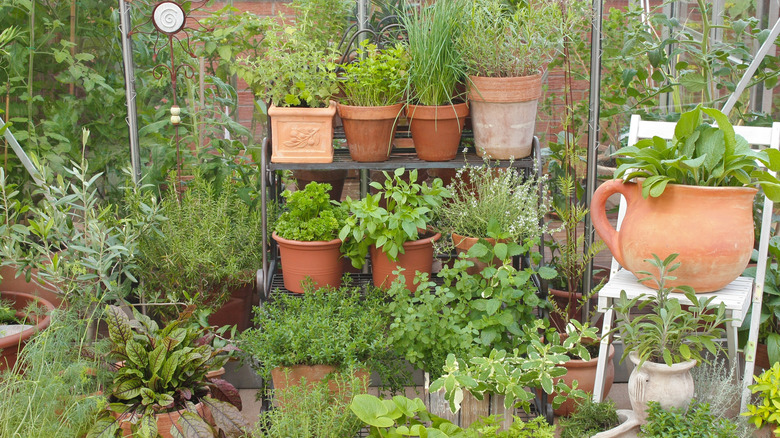
Mediterranean herbs like bay, sage, oregano, rosemary, and thyme are some of the best herbs to have in your kitchen. Growing them in your own backyard herb garden is easier than you think, as long as you use well-draining neutral or slightly alkaline soil. These herbs prefer dry soil, and fertilizing with clumps of wet coffee grounds can prevent water from draining properly through the plants' root systems. Instead, the water will remain in the coffee grounds, bogging down the root zone. When herb roots get waterlogged, the plants may develop root rot and experience delayed growth or yellowing leaves.
The best type of fertilizer for your herb garden is a low-nitrogen, organic fertilizer. Opt for fish emulsion, kelp extract, tomato feed, or a slow-release organic granule fertilizer rather than coffee grounds. Take care when applying fertilizer, and only use a light layer, as over-fertilizing can affect the flavor of your herbs and weaken your plants. The ideal soil pH level for most Mediterranean herbs is between 6.0 and 8.0. If the soil pH is below 7.0, use agricultural lime to raise it. Though these herbs can benefit from mulching, coffee grounds or coffee-enriched mulch isn't a great idea. The best type of mulch for Mediterranean herbs is an inorganic material like gravel, crushed stone, or decomposed granite. These materials enhance soil drainage, keep plant roots dry, reflect sunlight and heat back on the plants, and prevent root rot.
Broccoli
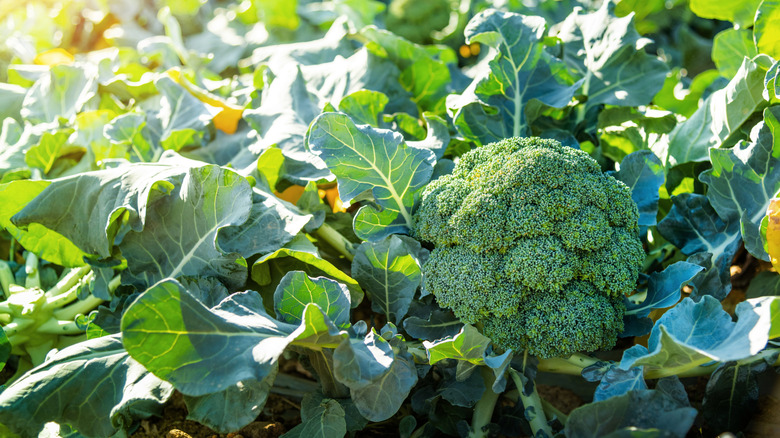
Broccoli requires a highly controlled process for cultivation and growth, which is why you will never find broccoli growing in the wild. It benefits from nutrient- and moisture-rich soil that is also well-draining. The soil should be slightly acidic to neutral, with a pH between 6.0 and 7.0. Adding coffee grounds can increase soil acidity and negatively affect the texture of the soil. Depending on the type of coffee you use and how strong it is, it may also contain compounds that are toxic to broccoli and that could stunt its growth or even kill young plants. Coffee that is particularly high in caffeine, including freshly brewed coffee and unused grounds, can kill beneficial bacteria in the soil that is necessary for healthy plant growth.
Rather than using coffee grounds to fertilize broccoli plants, choose a nitrogen-rich organic compost or manure. Fish emulsion and blood meal can add beneficial nutrients, while wood ash can provide necessary potassium, calcium, and magnesium for healthy growth. Wood ash can also prevent clubroot, which is a common problem with broccoli and other brassicas. Garden lime can raise the soil pH and lower acidity to the ideal alkaline level, and can reduce the risk of clubroot. However, always test soil pH before adding wood ash or lime, and only apply it if the soil pH is below 6.0.
Tomatoes
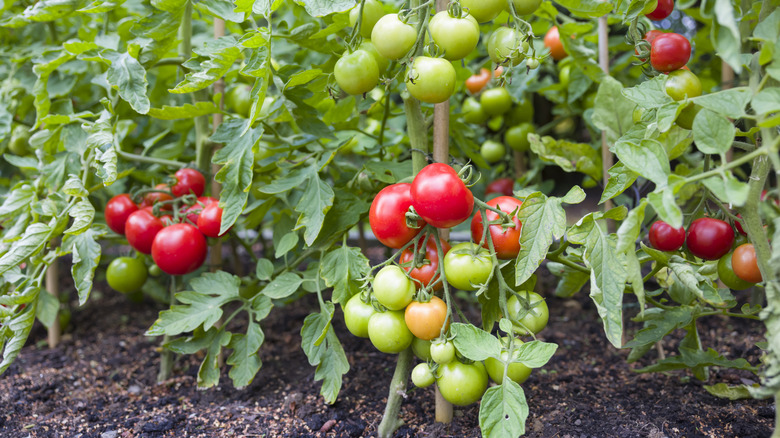
Tomatoes do best in loose, well-draining, and nutrient-rich soil. The plants prefer a slightly acidic to neutral soil with a pH between 6.2 and 6.8. However, if the soil is too acidic, your plants won't grow tall and healthy. Adding brewed coffee to the soil or fertilizer can cause the soil's pH level to become imbalanced, which can negatively affect root development. If you are growing tomatoes from seedlings, the caffeine in coffee can actually suppress seedling germination, killing young tomato plants before they even have a chance to sprout. Using wet coffee grounds can encourage water retention in the soil, leading to mold and fungi growth that threatens the health of your tomatoes. Coffee grounds may also attract fruit flies, which are a serious threat to tomato plants. Flies lay their eggs in ripening tomatoes, and when they hatch, the fruit rots from the inside.
The best fertilizer for tomato plants is one with high nitrogen, phosphorus, and potassium levels, like granular tomato fertilizer, fish emulsion, and water-soluble organic fertilizer. Before adding fertilizer, check the pH level of your soil. To lower the acidity and increase the pH, use lime, wood ash, or mushroom compost. If the pH is above 6.8, use elemental sulfur, iron sulfate, or aluminum sulfate to lower the pH. Mulch can keep your tomato plants cooler in the summer, enhance soil nutrients, and conserve soil moisture without negatively impacting the soil pH. The best mulch for tomato plants is organic materials like straw, shredded leaves, grass clippings, and compost.
Spinach
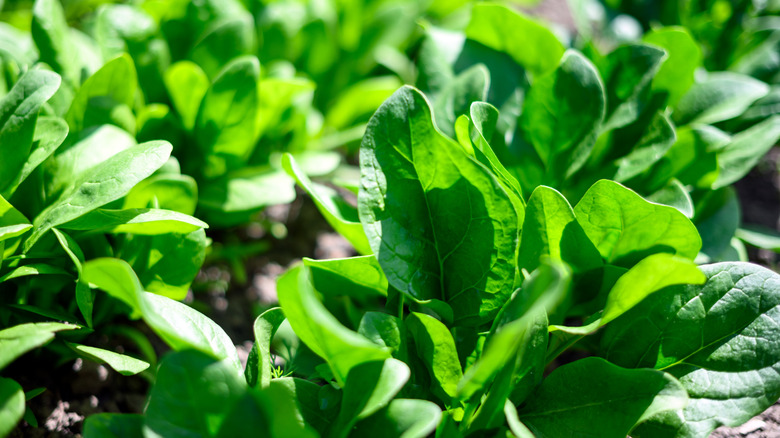
For healthy spinach plants, grow them in loose, fertile, and well-draining sandy loam with a soil pH between 6.5 and 8.0. Excess acid from coffee grounds or brewed coffee can cause spinach leaves to wilt. Spinach thrives in cool weather, and prefers full sun to partial shade. In fact, colder temperatures make spinach sweeter instead of bitter. Coffee grounds can compact soil and prevent proper drainage, blocking water, air, and sunlight from penetrating the roots of the spinach plants. Over time, this can cause the temperature of the soil to rise, leading to heat damage to your plants. Adding grounds too close to the roots or stems of spinach plants can actually burn them due to the high caffeine content. The caffeine can also inhibit root growth and promote the growth of harmful fungi.
Instead of adding coffee to your compost or fertilizer, choose a nitrogen-rich organic fertilizer that will promote lush leaf growth. Blood meal, fish emulsion, aged manure, or other rich organic fertilizers work best. Because spinach prefers cool soil, use a lightweight mulch in summer, such as straw, chopped leaves, or compost to keep the soil moist and prevent heat stress or premature bolting. If the soil pH is below 6.0, use agricultural lime to lower the acidity.
Asparagus
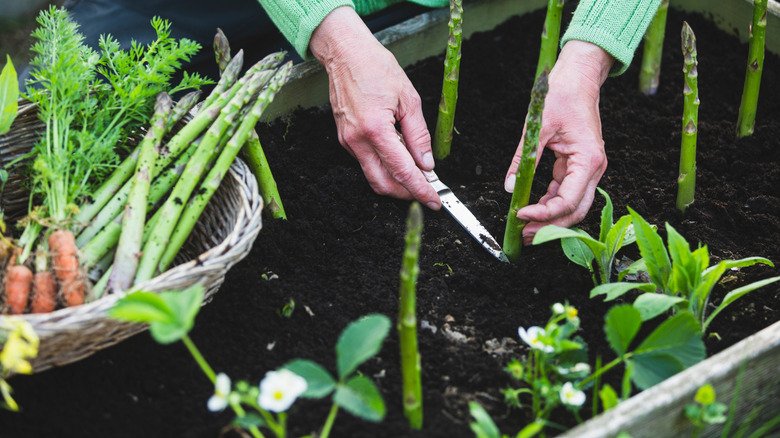
Asparagus is a slow-growing crop that pays off big when you start it from seed. Before planting, check the soil type and pH level — and do not even think about using coffee grounds as fertilizer or mulch. Asparagus prefers deep, well-draining soil or sandy loam with a pH between 6.5 and 7.0. Using coffee in mulch or fertilizer can increase soil acidity and negatively affect the growth of asparagus plants. Stems may wilt or become limp if the soil becomes too acidic, leading to unattractive (and not as tasty) veggies. The acidity and caffeine content can also repel beneficial garden visitors like earthworms, who are a crucial part of maintaining your garden's delicate ecosystem. Earthworms break down organic material and enhance soil health, which in turn creates ideal growing conditions for herbaceous plants like asparagus.
To encourage healthy growth and tasty asparagus, use a balanced, slow-release organic fertilizer in early spring, and a light, nitrogen- and phosphorous-rich fertilizer in June, post-harvest. You can use amendments like wood ash to increase potassium levels and rock phosphate to strengthen root systems; however, take care not to raise soil pH too high. A light mulch can suppress weed growth and enhance nutrients without affecting soil drainage. Add straw or leaves in late October to help soil retain warmth.