

Before You Lay Landscape Fabric In Your Edible Garden, Here's What You Should Know
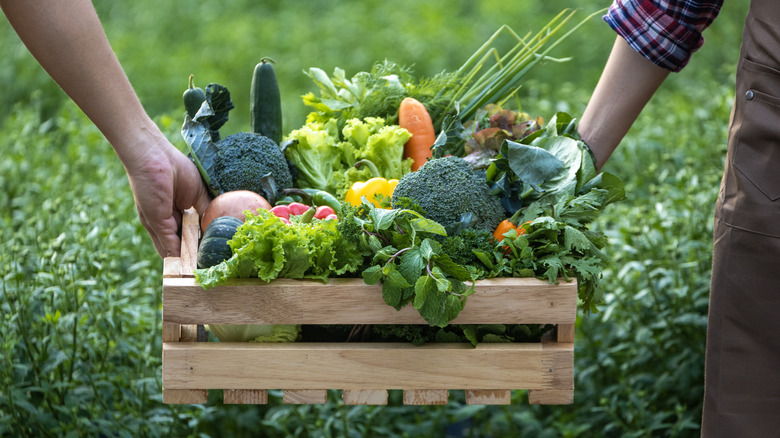
Landscape fabric is also called a weed barrier or garden fabric. It is a woven fabric that is placed underneath mulch, rock, or other landscaping materials to suppress weed growth. The fabric prevents weeds from getting the sunlight they need to grow, but it isn't necessarily the best weed control measure for your yard. If you're researching how to start your own edible garden, there are a few things you should know before you consider using landscape fabric.
Most landscaping fabric is made from synthetic materials like polyester, polypropylene, or recycled plastic. Over time, these materials can leach plastic into the soil, and that plastic can then leach into the fruits and veggies you're growing. The material can also prevent organic mulch and fertilizer from reaching the soil and enhancing it with valuable nutrients that could help your garden grow. In addition to blocking nutrients, it can also prevent migration and hibernation of beneficial insects and fungi, a process necessary for maintaining a healthy ecosystem.
Depending on the type of material used and how tightly woven it is, it can also prevent sunlight, air, and water from reaching deeper root systems. It may even interfere with gas exchange, which is the intake of carbon dioxide and release of oxygen in plants and soil. Over time, this makes the soil hotter, which can impede growth of fruits and vegetables, especially during extreme weather. As the plastic in landscaping fabric degrades, it may eventually enter local water systems and affect water quality and sea life. The manufacturing process also contributes to greenhouse gas emissions and increased environmental impact. If you want to maintain a healthy, sustainable edible garden, it's best to choose an alternative weed suppression method.
Healthier alternatives to landscape fabric for an edible garden
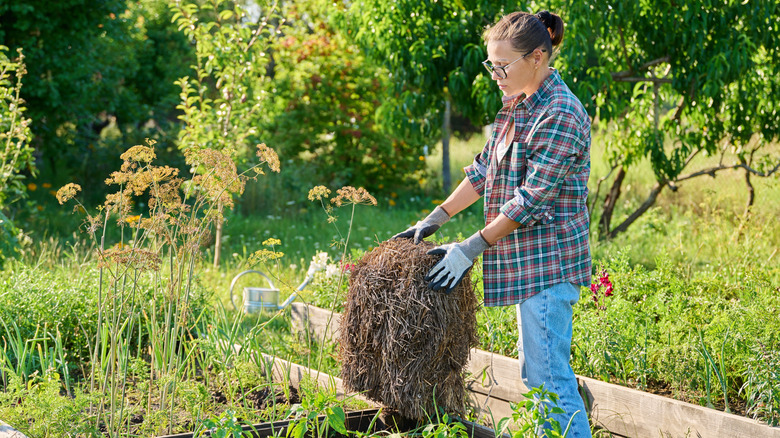
Organic mulch is one of the healthiest alternatives to landscape fabric. It can suppress weeds without harming plants or the environment. Mulch can be made from wood chips, bark, shredded leaves, straw, hay, pine needles, pine straw, grass clippings, shells and hulls, and materials from your home composting bin. As it breaks down, it enhances soil nutrition and supports healthy aeration. Mulch also reduces the risk of heat damage to plants during extreme heat and drought periods, and helps soil retain moisture in the summer.
You can customize the amount and type of mulch you need for each plant in your edible garden, and add or remove it as necessary when the weather changes. Find creative ways to reuse or repurpose pantry items as mulch; for instance, don't throw away corn husks and silks, and instead put them to use in your garden.
For added protection against weeds, you can place cardboard or newspaper under the mulch. This can insulate plants' root systems in cold weather and prevent weeds from getting the sunlight they need to grow without preventing your plants from getting water and nutrients. When the cardboard or newspaper degrades, it won't harm the soil or nearby water systems. You can also use some kitchen staples like white vinegar as all-natural weed killers to address weeds that sprout outside the areas you've mulched — just be careful using vinegar too close to your fruits and veggies, as it could kill those plants, too.