

10 Restaurant Menu Terms To Know So You Can Order Like A Veteran Foodie
The culinary world is a fast-evolving one. Newer dining formats are introduced frequently and often, paired with exotic labels in foreign languages. As intimidating as terms like omakase or degustation menu may feel at first glance, they aren't written just to make a strong impression — they are conveying essential information about how your meal will be structured.
Overlooking this lingo can significantly dampen your dining experience. You might find yourself stumbling from one course to the other, not knowing the pace at which your meal will arrive, what portion sizes to expect, or how much control you have over your choices. However, all of this can change once you grasp certain crucial terms being used on restaurant menus. The hesitant ahems and ahhs disappear from your order. Instead, you find yourself opting for diverse experiences with ease, knowing exactly how to choose the right dining format for the right occasion.
If you need a little help decoding the jargon, you'll want to rely on Pradeep Rao, executive chef at Conrad Pune, for answers. With his insights, you can take the guesswork out of your restaurant orders and start making more informed choices like a true foodie.
Prix fixe
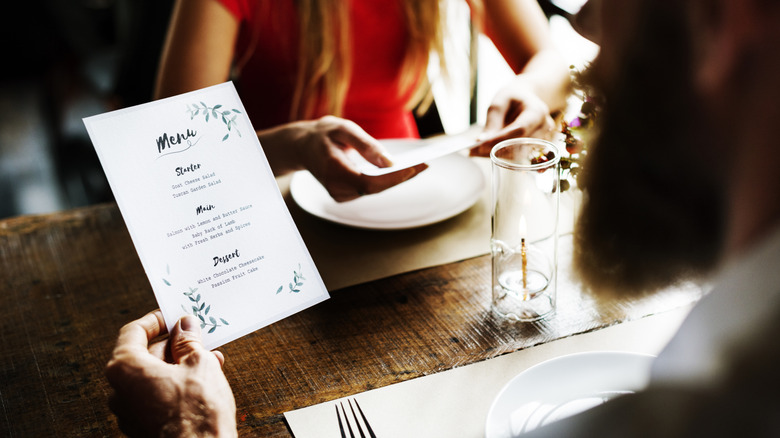
Structure can often appeal more than spontaneity on busy weekdays. A prix fixe menu then becomes your safest bet to avoid getting caught in the what to eat today trap. Translated into the French term for "fixed price", this menu offers a fixed curation of options at a set price. You can expect to find the usual drill of an appetizer, main course, and dessert, but it isn't uncommon for soups and salads to pop up in the selection as well.
From the restaurant's point of view, a predetermined selection of menu items streamlines kitchen operations. With a limited lineup to work on, attention can be focused on perfecting each dish individually. However, the curation isn't put together randomly — a prix fixe menu is designed to offer a cohesive pairing of flavors and textures. "These menus are often driven by seasonality, special occasions, or milestones such as restaurant anniversaries, where the kitchen can highlight its best offerings in a structured format," chef Pradeep Rao explains.
You can request modifications to accommodate allergies, but a prix fixe lineup won't deliver as much control over your meal as an à la carte menu. However, Rao chooses to believe that this needn't be restrictive — it instead serves as an invitation to surrender your trust in a chef's curation and culinary expertise. "For guests, especially larger groups or those looking for a seamless experience, it simplifies decision-making and ensures consistency, pacing, and a complete representation of the restaurant's culinary identity," he says.
À la carte
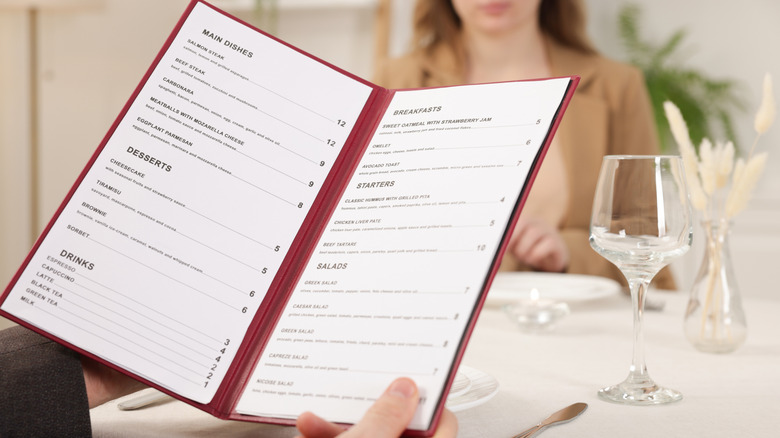
Whether you are an ardent foodie or you simply like to customize your meals depending on your mood, freedom of choice can be valuable, and this is where à la carte menus thrive. In French, à la carte translates into "by the card". This menu style individually lists food items along with separate prices for each, so you only pay for what you have ordered. French restaurateur Auguste Escoffier is credited with paving the way for this style of dining so that customers could craft their meals to their liking. "Unlike a prix fixe menu, where the structure is predetermined, à la carte allows guests to curate their own experience based on appetite, preferences, and dietary needs," Pradeep Rao says.
Want to skip the appetizers and head directly to the mains? Craving a second dessert or an additional side dish? An à la carte menu offers complete control and flexibility over the progression of the meal. This is particularly helpful when dining as a large group because it allows every member to order based on their tastes and appetites. You can also enjoy greater control over the bottom-line — you needn't splurge on an elaborate set menu if all you are looking for is a quick meal. Simultaneously, an à la carte menu also lends itself well to more indulgent dining experiences. "...the open-ended nature of à la carte often encourages exploration and spontaneity, with diners more likely to add sides, share plates, or desserts along the way," Rao surmises.
Degustation menu
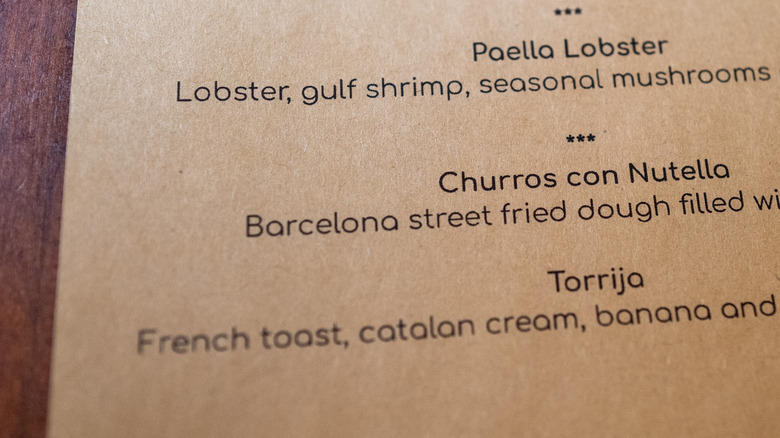
If you are looking to expand your culinary horizons, a degustation menu will make for a rewarding experience on your next night out. Commonly referred to as a tasting menu, this format features multiple small courses that highlight the chef's creativity, technique, and culinary savoir-faire. "Each dish is carefully portioned and sequenced to create a narrative, allowing guests to experience a variety of flavours, textures, and ingredients over the course of the meal," Pradeep Rao elaborates.
There are several things you should know about tasting menus, starting with the time commitment — you cannot expect to dine and dash when opting for this menu style. Designed to unfold at a leisurely pace with each course building on the last, you can safely set aside a minimum of 2 to 3 hours to enjoy the experience. While the portion sizes are small, you won't be starving at the end of the night. The courses are intentionally designed to move from lighter bites to richer ingredients, and you'll leave the restaurant feeling surprisingly full.
But if the lineup is predetermined, doesn't that make it a prix fixe menu? Not really, says Rao. The latter is a structured offering with limited choices, while a degustation menu is an immersive experience for adventurous diners who are open to placing their trust in a chef's curation. "The focus here is not just on the food, but on the overall journey and storytelling," he says.
Bread service
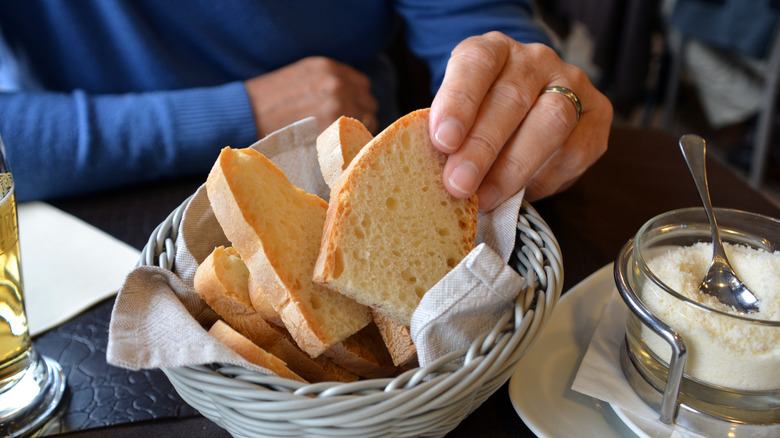
From welcome drinks to petit fours, there are several complimentary fillers that restaurants offer to keep diners happy. But there is nothing quite as tempting as pillowy slabs of bread being delivered to your table as you peruse the menu. Bread service is a common offering at sit-down restaurants, featuring a curated selection of breads nestled amidst flavoured butters, oils, and dips to whet your appetite.
On paper, a bread basket may seem simple: With only bread, butter, and accompaniments to serve, there is little room to go wrong. However, this humble basket can serve as a telling prelude to what lies ahead. "Freshly baked breads, thoughtful accompaniments, and balanced flavours can set the tone for what's to follow," Rao says. Slowly fermented breads, for instance, let you know that the chef focuses on his craft more than convenience. Quality butters, on the other hand, are emblematic of meticulous sourcing. Restaurants that dismiss the importance of this basket risk creating a poor first impression on hungry diners — as witnessed in our ranking of the free bread selection at 15 chain restaurants.
If you have lucked out with quality bread service, you'll want to ensure that you aren't filling up too quickly and leaving little room for the meal ahead. "Guests can enjoy it mindfully by sampling small portions, appreciating the flavours without overindulging, [and] ensuring there's still room to fully experience the courses ahead," Rao adds.
Family-style dining
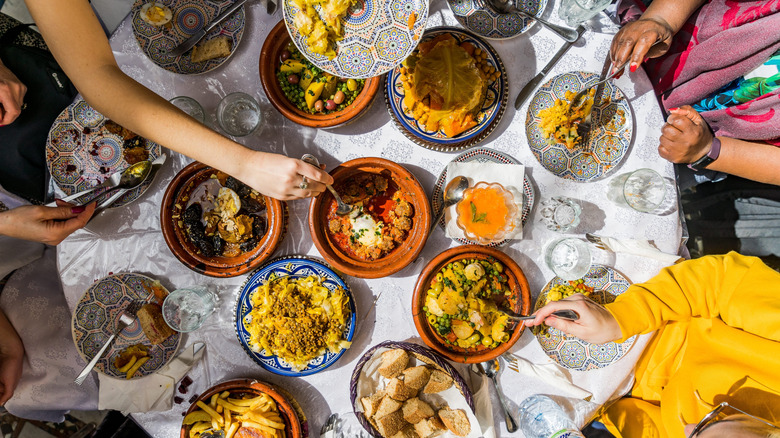
While a tasting menu experience can inject fresh energy into your weekly date night, you'll want to opt for a more communal format when dining with a larger group. This is where family-style dining truly shines. Instead of individual plates, larger portions are placed on the center of the table so that diners can help themselves to whatever they like. "It creates a relaxed, communal atmosphere that encourages sharing, conversation, and a more interactive dining experience," Pradeep Rao notes.
The essence of this dining format is generosity. With larger servings placed in the middle, guests can freely sample multiple choices instead of having to commit to one dish at a time. "This style is particularly well-suited to cuisines that emphasize abundance and togetherness, such as Indian, Italian, or Middle Eastern," he adds. Specially priced family packages are also more pocket-friendly than paying for individual menu items — save this round-up of 8 chain restaurants with the cheapest family-style meals for your next weekend outing.
Ordering for different tastes and dietary needs can seem challenging, but a few key principles will help you through. Start by ordering a variety of appetizers, mains, and side dishes. Confirm the portion sizes with your server to ensure that it will suffice for everyone — bonus points for sneaking in one wildcard choice into the lineup for everyone to sample and look back on. "Overall, family-style dining shifts the focus from individual plates to collective enjoyment, making the experience feel more personal and engaging," Rao agrees.
Small plates
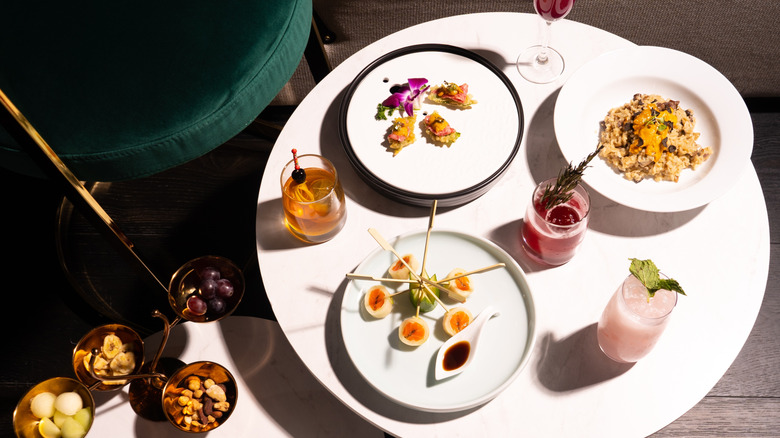
At the end of a long night, the thought of divvying up heaping piles of leftovers at a family-style restaurant may not appeal to everyone. Consider exploring other interactive options for your next family night, such as small plates. True to their name, these will arrive at your table in the form of modestly sized portions that are meant to be shared together.
"Commonly seen in concepts like tapas or mezze, they allow guests to sample a variety of flavours and textures in one sitting rather than committing to a single main course," Pradeep Rao says. The notion of small plates is inspired by the late dinner timings in countries such as Spain — smaller plates shared by the entire table became a means to stave off hunger until people reached home for dinner.
Today, small plates have emerged as a popular choice for communal dining. Ever regretted your choice after the first bite and found yourself eyeing everyone else's plates for the rest of the night? Or do you have that one indecisive friend in the group who can never make up their mind about what to order? Small plates allow diners to explore multiple dishes at a time instead of being stuck with one choice. There are fewer chances of over- or under-ordering as you can simply add more options as the meal progresses. "While there's no fixed rule, a general guideline is to order two to three small plates per person, depending on appetite," Rao advises.
Tableside service
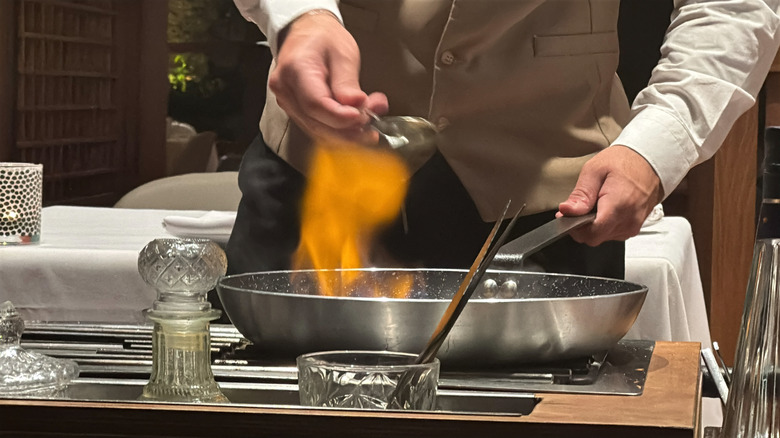
Restaurant dishes that arrive plated at the table are undoubtedly efficient, but do you ever wish that you could witness the cooking process? Tableside service aims to right this wrong by leaving certain elements of the preparation and assembly to be finished next to the table by the waitstaff. While fire is a popular element for dialing up the drama, tableside service can include everything from carving meats to tossing salads in front of eager diners and their cameras. At Martha Stewart's restaurant The Bedford in Las Vegas, a baked potato is smashed dramatically and served tableside with flair. "Often associated with classic hospitality, tableside service creates a sense of occasion and makes the meal feel more memorable and immersive," Pradeep Rao observes. In the age of social media, the allure of theatrical tableside presentation is easy to grasp: Diners get to grab more eyeballs on the feed, while restaurants manage to drum up public interest.
There is no denying the thrill of watching your crème brûlée being torched inches away from your plate, but Rao wants you to know that tableside service is not just about creating a visual spectacle. "It enhances the dining experience by adding a personal and interactive dimension, allowing guests to engage with the process and the people behind it," he says. The serving staff often uses this time to educate diners about the ingredients and techniques on display, helping you gain a deeper appreciation of what you are about to devour.
Omakase
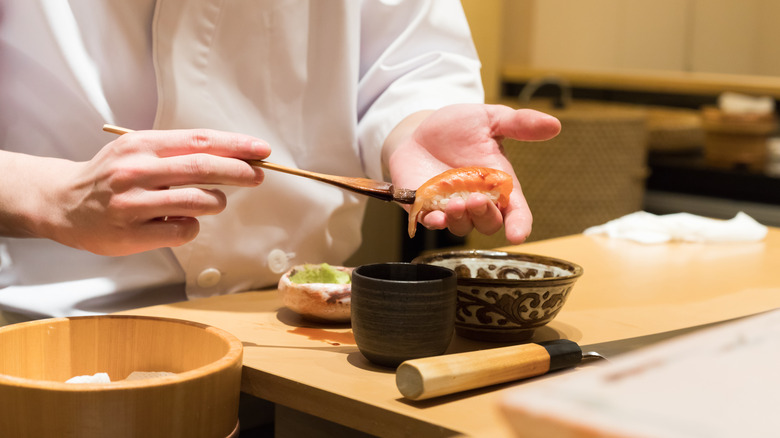
If you are looking for a truly bespoke culinary experience, it doesn't get more personalized than omakase dining. Hailing from the Japanese term for "I'll leave it up to you", this format requires the diner to surrender to the chef's selection of dishes, portion sizes, and courses. What makes this experience truly immersive is that it is tailored to a diner's preferences in real time. The chef might even change their mind about what to make halfway through the meal, so it helps to go with the flow. This style of dining is best suited for those who are frequently overwhelmed by the sheer wealth of options available — you'll discover a perceptible sense of relief in leaving the decision-making in the capable hands of the chef.
For first-timers, Pradeep Rao recommends keeping some crucial etiquette in mind. This dining format is centered on trust, so it helps to avoid asking for alternatives or skipping some dishes unless you have strict dietary restrictions. Being open to trying new things is one of the fundamental tips for ordering omakase at a Japanese restaurant. He also advises opting for minimal condiments. "Do not add soy sauce, wasabi, or other seasonings unless the chef suggests it; flavours are already balanced." If you are worried about racking up an astronomical bill by the end of the night, opt for omakase experiences with a fixed base price so you know what you are getting into.
Amuse-bouche
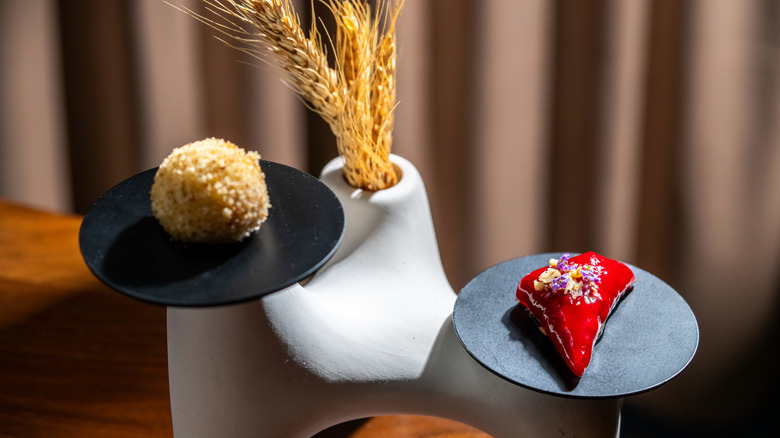
Ever had a mini tartlet or delectable canapé show up at your table unannounced at a fine-dining establishment? You didn't make a mistake while ordering, but are simply experiencing the charms of an amuse-bouche. Pronounced "ah-myuz boosh," this French term literally means to "amuse the mouth". This small, bite-sized dish is generally served at the beginning of a meal free of charge as a sign of the kitchen's hospitality. "It is not ordered by the guest but offered by the chef as a complimentary gesture, setting the tone for the experience ahead," Pradeep Rao says.
However, he cautions against downplaying its importance merely on the basis of its diminutive size. "Often designed to awaken the palate, it introduces guests to the kitchen's approach in a subtle yet impactful way," he says. Within one strategic bite, chefs freely explore creative techniques and presentation styles, from silky smooth gazpacho served in a shot glass to lighter-than-air foams perched on oyster shells.
Knowing the difference between an amuse-bouche and an appetizer can help you set expectations accordingly. The former is a light, petite bite meant to tempt the palate and won't fill you up the way a starter would. "Unlike a traditional appetizer, which is chosen by the diner, the amuse-bouche is more personal, it's the chef's first impression, carefully crafted to engage curiosity and establish a connection with the guest," Rao says.
Accoutrements
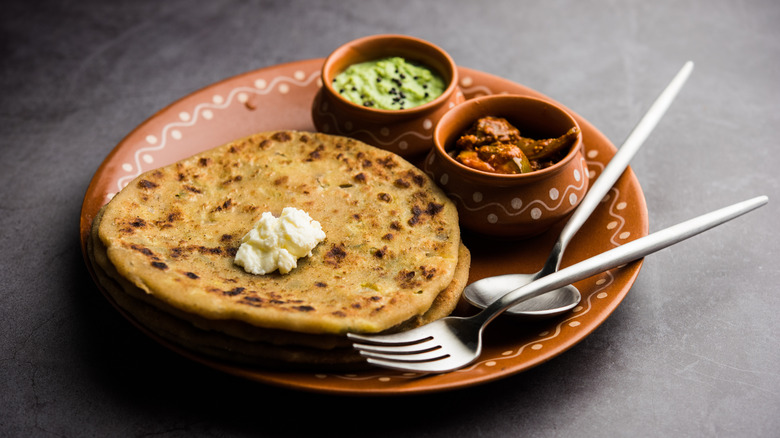
There's something immensely gratifying about having an array of flavored butters, pickles, sauces, dips, fresh herbs, and condiments served in coordinated ramekins alongside your chosen main dish. However, these freebies aren't merely complimentary flourishes by the restaurant. "Accoutrements refer to the smaller elements that accompany a dish, such as condiments, garnishes, sauces, or sides that enhance its overall flavour, texture, and presentation," Pradeep Rao says. Accoutrement hails from the French term for "sewing up" and within the culinary context, this is precisely what strategically chosen sides can do: They can stitch together the experience into a harmonious whole.
While accoutrements aren't the star of the show, they aren't an ignored footnote, either. Rao believes that they have a crucial role to play in completing the dish and making each bite feel different from the last. These add-ons can be especially integral to specific cuisines — a crisp papad can add a delightful crunch to rice-heavy Indian dishes, such as pilafs and biryanis.
If you aren't familiar with the accoutrements you were given, it helps to ask the server for suggestions on how each should be enjoyed. Don't shy away from exploring any novel ingredients that are new to your palate — instead, dig in sparingly and build your way up to a robust mouthful. "When thoughtfully paired, accoutrements can add contrast, balance richness, or introduce complementary flavours that bring depth to the plate," he concludes.