

9 Old-School Ketchups That Time Forgot
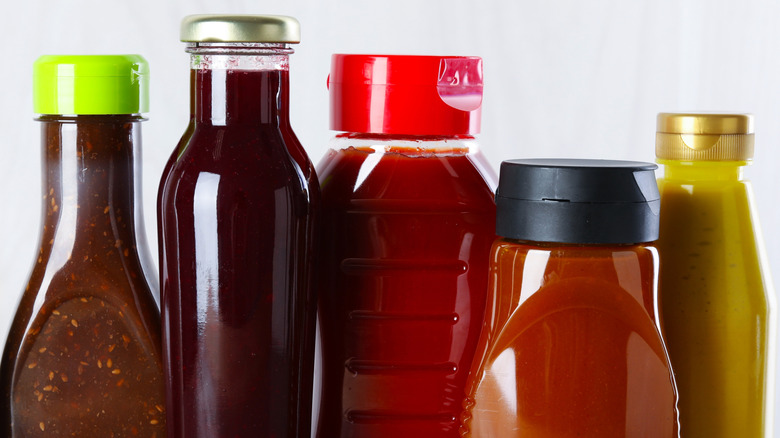
Ketchup is the french fry's top companion and a signature hot dog decoration, but it wasn't always the bright red, tomato-based condiment we know it as today. There are a lot of unexpected facts surrounding ketchup, but the fact that tomatoes were only added to the condiment centuries down the line should come as the most surprising.
You may never have noticed, but that bottle of Heinz ketchup you squeeze alongside your chicken nuggets specifies "tomato ketchup" on the label. In the States, many might assume the tomato aspect is a given, but the term ketchup originally has nothing to do with tomatoes. The word was first documented centuries ago, but it was advertised as more of an ingredient than a condiment, and the primary components were anything but tomatoes. Despite vastly different ingredients like mushrooms, walnuts, and seafood, the cooking process was somewhat similar and extremely extraneous.
Many ketchup recipes of the 17th, 18th, and 19th centuries were rich and fermented or pickled, with the goal of lasting up to 20 years into the future. It might have been described as ketchup, catsup, or other variations of those spellings, but other than that, each sauce delivered its own tangy punch to any given dish.
Walnut
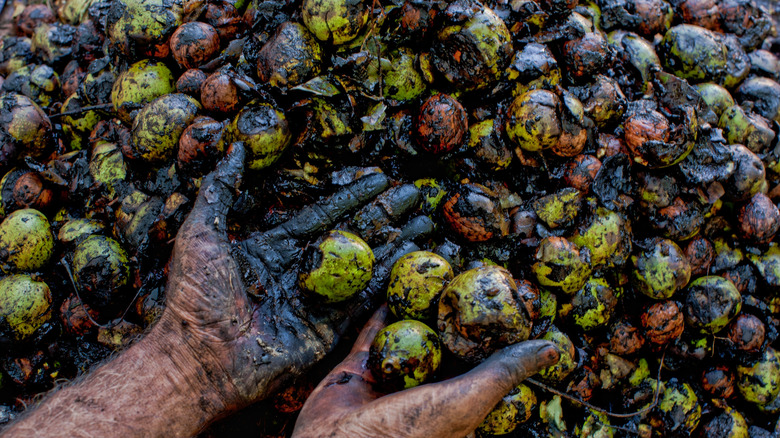
While we're most familiar with the buttery nut, there's also the often neglected walnut fruit, which is what this ketchup recipe relies on. Recipes for walnut ketchup (and nearly all types of old-school ketchup, for that matter) start by pickling the primary ingredient with an acidic vinegar, in this case, walnuts. Recipes from the 1870s call for nothing more than vinegar and sweet oil, whereas recipes decades later included potent flavors like anchovies, horseradish, ground mace, and port wine.
Made from unripe green walnuts that are harvested just before their shells harden, this 18th-century ketchup, or catsup, leaned into sharp, tannic flavors that taste nothing like the sweeter tomato ketchup we see today. People wonder if ketchup is a sauce or a condiment, but it's all about how it's used. Walnut ketchup, like other thin yet flavorful sauces of the time, leaned more toward a sauce as it was dropped into dishes with the goal of enhancing flavors, not taking over.
Mushroom
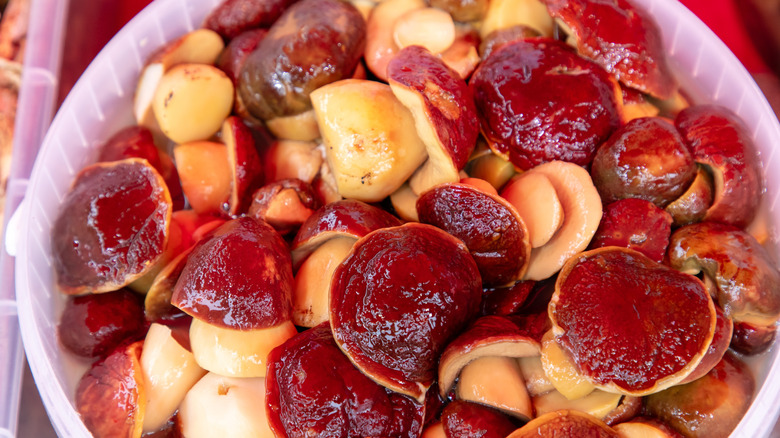
Mushroom ketchup was another extremely popular variety throughout the 1700s, which was essentially made with the vegetable's juices. Salted mushrooms were left out for the day before being pressed to get all their savory juices out. This was very close to Worcestershire sauce, especially in consistency. It was a thinner, tangy condiment that was used more as a concentrated secret weapon when making anything from stews to entirely new condiments.
A 1906 recipe says to simmer the extracted mushroom juices with black pepper, allspice, green ginger root, mace, and cloves, but earlier recipes omit the allspice. Back in 1822, you'd have to spend three days just mixing your pre-mushroom ketchup. It was all worth it in the end, as it would keep up to a year if bottled correctly.
Elderberry
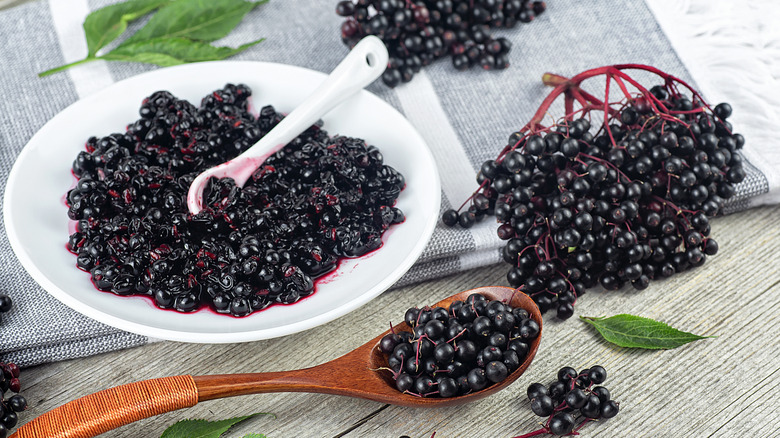
We love elderberries whenever we feel any flu coming on, but the tart berries were also a favored ketchup base during the 19th century. During the 18th century, this deep, fruity sauce also had a variety known as "Prince of Wales" ketchup. Many fruit-based sauces and condiments skew sweet, but this ketchup combines stewed elderberries with vinegar and spices like mace and ginger, creating a dark, tart sauce that pairs well with rich, gamey meats.
A version of this sauce from 1795 was known as "Pontach ketchup," but a later twist called "Prince of Wales Catsup" featured anchovies quite prominently. The recipe didn't skimp on the salty fish, calling for two ounces of anchovies for every pint of vinegar-soaked elderberries. Most recipes to follow included anchovies and would instruct readers to place the jar somewhere warm for about half a day before straining off the juice and bringing it to a boil.
Oyster
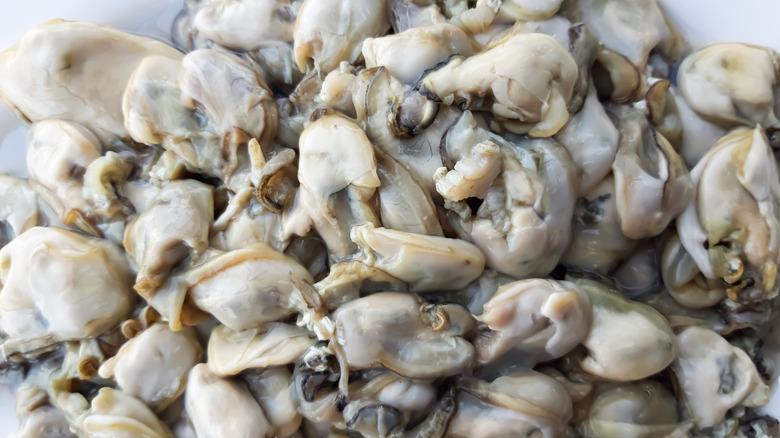
This ketchup was trying to chase the distinct fishy flavor of Southeast Asian sauces, recognized as kê-tsiap, from which the word ketchup is derived. The original sauce used a pickled fish brine, which intensified the taste. For oyster ketchup, salted oysters were scalded (sometimes in sherry) and then chopped fine with salt, mace, and a bit of cayenne. After just a few minutes of boiling, the sauce would start to thicken and could be strained and bottled.
An 1888 cookbook, "Oysters À la Mode, Or, The Oyster and Over 100 Ways of Cooking it," features two recipes for oyster ketchup, one noted as "expensive" and the other as brown oyster ketchup. The latter included cloves, mace, cayenne, and a browning liquid solely for color, whereas the fancier version added anchovies, Chablis, and lemon. Even earlier recipes blended both flavor profiles into one, while adding slices of whole nutmeg and shallots.
Variations of the recipe floated around cookbooks throughout the entire century. Oysters were once considered an affordable street food that was sold from carts, so it was an easy, inexpensive choice when making a rich, versatile fish sauce in the 18th century.
Cockle
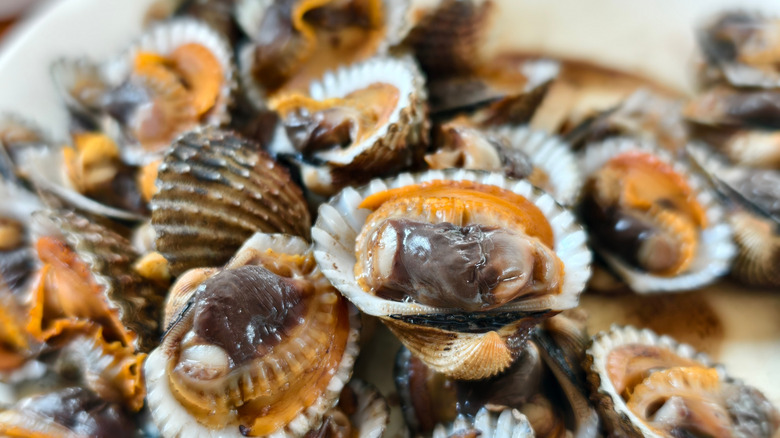
As made apparent by this era of ketchup, seafood was a common ingredient. Cockles, which are small clams primarily found in the U.K., were a popular protein throughout South Wales during the 19th century and became a revisited ketchup base in the mid to late 1800s.
There are plenty of ways to jazz up canned cockles, including a fishy, tangy ketchup. It was prepared similarly to oyster ketchup — cooked and strained cockles were blended with spices like pepper, mace, and cloves. Some recipes for cockle ketchup, like one dated 1871 from "Consult Me, to Know how to Cook," specified scalding the cockles in their own liquid before straining them and adding all the good stuff.
Maria Eliza Rundell shared a handful of ketchup recipes in an 1822 edition of her cookbook "A New System of Domestic Cookery," naturally right after the pickled section, including a popular one made with cockles. Like she said, "It is better to have cockles enough than to add water; and they are cheap." For the sauce's brown variant, Rundell added garlic, anchovies, port, and a bit of burnt sugar, but for the lighter white ketchup, she opted for nutmeg, mace, white pepper, lemon, and sherry.
Cucumber
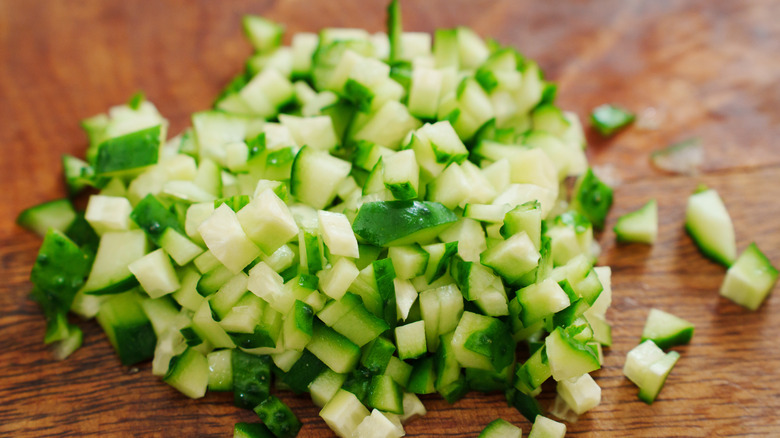
Once you realize cucumbers are what's behind tangy pickles, this ketchup doesn't sound so out of left field. We often associate cucumbers with light, refreshing recipes like chilled salads or tzatziki, but the longer they sit in pickling brine, the more complex the taste becomes. This explains why cucumbers were used as a ketchup base in olden times.
According to a recipe from 1869, the preparation begins with a similar pickling process, starting with salting finely chopped cucumbers and onions for up to 12 hours. Lots of black pepper and mustard seed are blended into the mix along with tart vinegar before being sealed in a stone jar. Some recipes from around the same era go for more of a white cucumber ketchup, adding white wine and white pepper, and in some cases, anchovies.
There are a handful of varieties of this almost relish-like ketchup, with some advising readers to mash the cucumbers, strain them, and boil them with the seasonings, while others keep it simple and leave the cucumbers to build up flavor in a bottle for up to two years.
Pudding
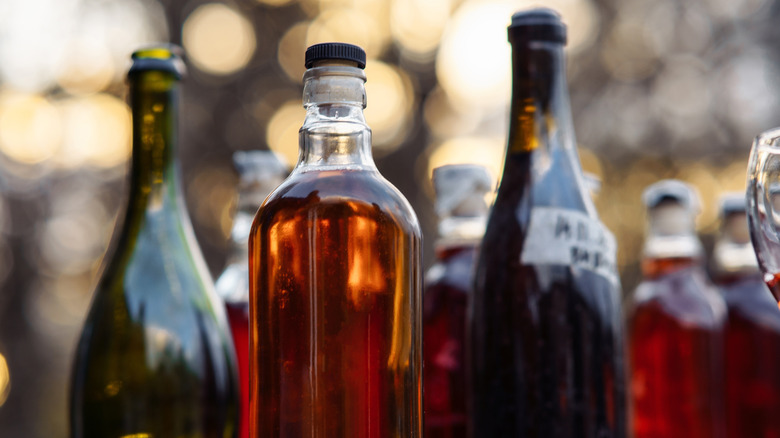
The fact that pudding ketchup exists really goes to show how open-ended the term really is. This dessert-style ketchup is warm, spiced, and ideal for sweet dishes, fatty meats, or sharp, complex cheeses. This is another classic "catchup" recipe found in William Kitchiner's "The Cook's Oracle" with some unique components.
A blend of brandy and sherry is steeped with strips of lemon peel and the expected spices like mace, plus the surprising addition of capillaire, a syrup with an interesting history of its own. The term originally referred to a fern-infused syrup mostly found in doctors' offices, but over time, it developed into the flavorings that softened the medicinal taste of the maidenhair ferns, or sweetened orange flower water.
Kitchiner has a recipe later on in his cookbook that details capillaire as clarified syrup mixed with Curaçoa (Seville orange syrup) or a quick bitter orange extract made with neroli oil. The spiced liqueur is strained after steeping for two weeks, and then the floral orange syrup is added last. It was often used to make pudding sauce, which incorporated sugar and melted butter to make an ultra-creamy, succulent ketchup, or swirled into sweet recipes.
Lemon
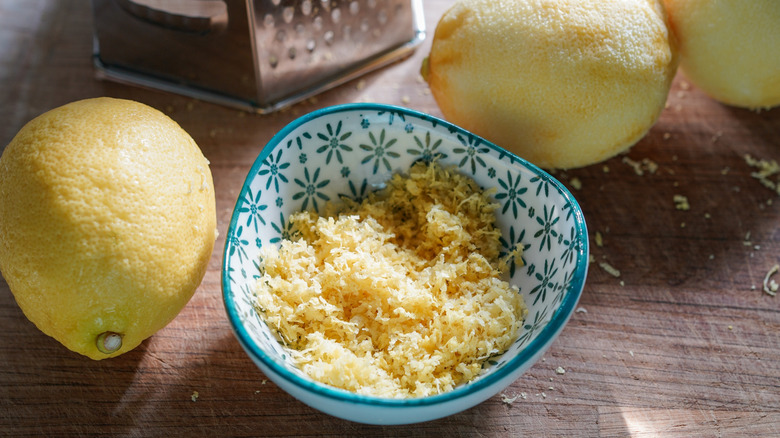
Lemon ketchup really broke away from the standard deeply-colored, vinegary, spiced ketchups as a much lighter sauce. Some turn-of-the-19th-century recipes blended lemon juice (and zest) with horseradish, shallots, white mustard seed, turmeric, white pepper, cloves, mace, sugar, and just a pinch of cayenne pepper. The grated lemons, horseradish, and spices were blended together with plenty of salt and then left in a cool, dry spot for a couple of hours. Before there were machines to do all the work, home cooks would have to spend a few hours stirring the mixture every day for up to two weeks.
Earlier recipes were less labor-intensive, but still took a week to complete. One lemon ketchup recipe from 1829 places salted whole lemons in horseradish, bruised garlic cloves, and more salt for seven days before drying them in the oven and boiling them in vinegar. This tangy version was also called lemon pickle, but it followed the same formula. It was often used to liven up fish dishes or other boring sauces.
Anchovy or White
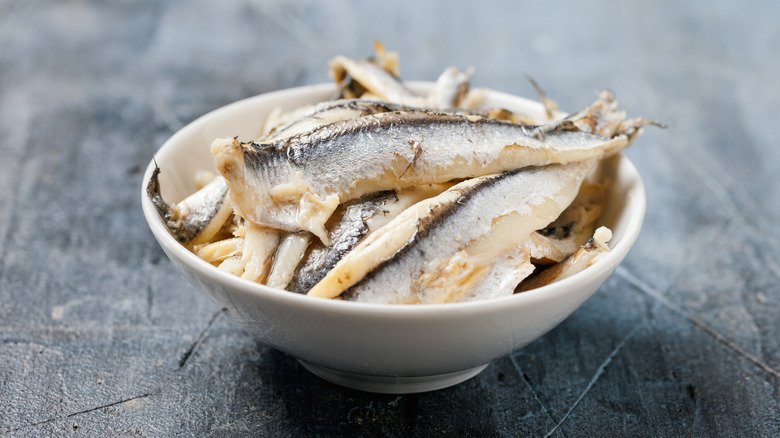
Anchovies have been a popular ketchup ingredient since the earliest record of the condiment, featured in recipes for "English Katchup" dating all the way back to the 1730s. They add some depth similar to Worcestershire sauce, and a little is all it takes. While the foundation of many ketchups started with the small fish and some type of vinegar or acidic liquid, this particular anchovy ketchup, later known as white ketchup, leaned on zesty additions like horseradish, lemon, and white pepper.
A recipe from the 1780s includes horseradish, but it also calls for both red and white wine. White ketchup, or catsup, was printed in "The Cook's Oracle" over 80 years later. The only developments to that first recipe seem to be a handful of bay leaves and sherry wine. Renditions of anchovy ketchup carried on throughout the 1900s, with some recipes even listing mushroom ketchup as an ingredient.