

The Unexpected Benefits Of Using Dryer Lint In Your Vegetable Garden
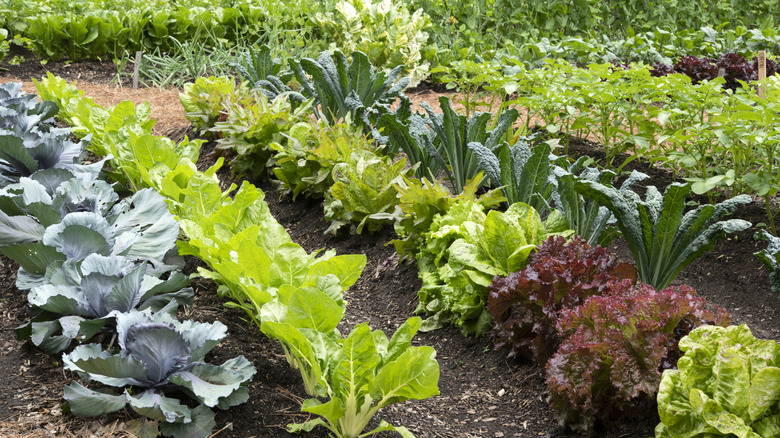
One of the biggest things you learn while gardening is just how many everyday kitchen items can be repurposed in your garden. All of a sudden, the things that you used to see as waste become valuable resources that can make your plants grow better. One of these such things is dryer lint — the clumps of fabric strands that accumulate in your dryer, which can become a big fire hazard if not regularly cleaned out. Most of us chuck the lint into the trash without a second thought, but it can actually be pretty useful in the garden.
Dryer lint can be used for mulching, a process essential for a healthy garden. Mulching slows down the growth of weeds, preserving the nutrition in your soil for your intended plants alone. The lint is thin enough to allow moisture to seep through when you water the plants, but padded enough to keep it from evaporating from the soil during the hotter days. It's very light, though, so you'll need to weigh it down with something if you live in a windy area.
Buying lots of organic mulch can get expensive, so using up the lint you already have at home can also help with growing a vegetable garden on a budget. Using dryer lint as mulch can even provide added protection from slugs because it's composed of dry fabric that the critters find uncomfortable. It won't keep them away entirely, but it's a enough of a nuisance to deter some of them from your precious veggies.
Only use dryer lint made from natural fabrics
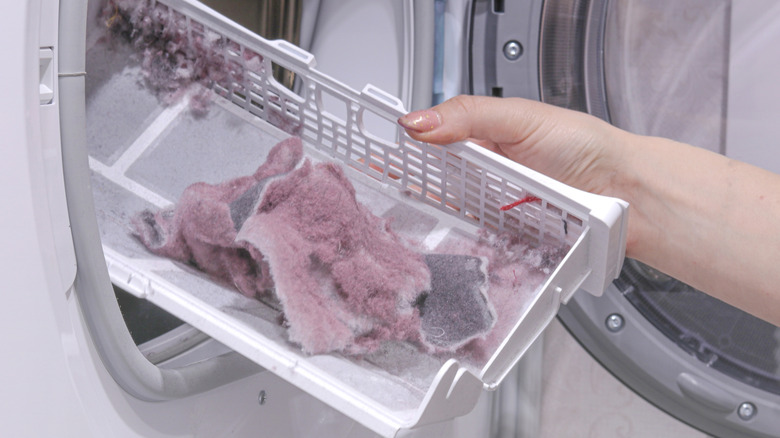
Not every type of dryer lint is compatible with your garden, as its composition depends on what your clothes are made from. Some fabrics are made from synthetic materials (such as nylon and polyester), which won't decompose over time and will only contaminate your soil with microplastics. The same goes for clothes washed with products that contain fragrances and chemicals that you don't want in your food. For those reasons, sticking to natural fibers and products is the safest course of action if you're planning to use dryer lint in your garden.
Lint from clothes that are made from 100% cotton or wool are great choices, alongside those washed with a gentle natural detergent and zero fabric softener. Now, most of us likely have a mix of clothes with different fabrics at home, some made from natural materials and some from synthetic ones. Try washing the two separately, and only save the lint from the natural load.
Dryer lint with natural fibers has another helpful use in the garden: It can be a great addition to your compost. Building your own compost is an easy way to repurpose kitchen scraps and reduce food waste, but a healthy compost needs more than just food trimmings to feed your soil in the long run. It mainly needs a good balance of the so-called browns and greens, or carbon- and nitrogen-rich materials. Dryer lint counts as a brown material, balancing out the nitrogen-rich kitchen scraps.