

How Rosa Parks Made Her Iconic 'Featherlite' Pancakes
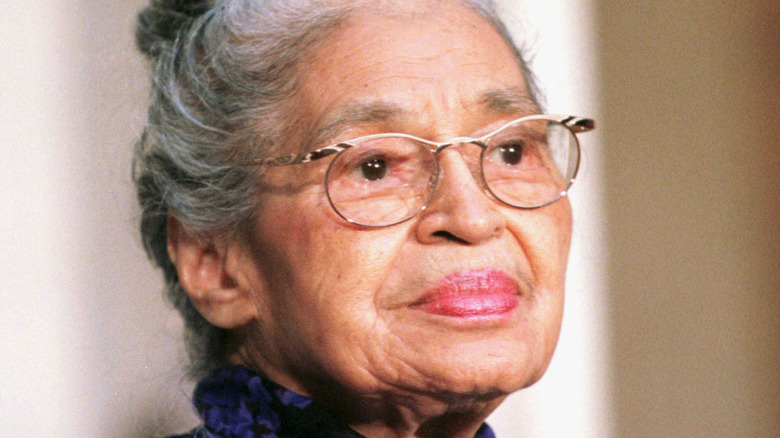
The Civil Rights Movement is a food story. Inciting sit-ins happened at soda fountains in Dockum Drug Store and at Woolworth's lunch counters. Restaurants like Dooky Chase's proffered as places of safe harbor for leaders to meet and strategize. And of course, food systems and culture were always imparting subtle effects on the way everyday people who filled the ranks nourished themselves. As we know from history, it was those everyday people who grew to become leaders and icons of that transformative era. It can be a powerful feeling to cook the foods that fueled them, such is the case when whipping up Rose Parks' iconic pancake recipe.
Rosa Parks is a Civil Rights hero with notable associations to food, especially pancakes. In 2016, the Library of Congress published a trove of Parks' miscellany, and among the documents and letters was a recipe for pancakes dubbed "featherlite." Prominently, the recipe includes peanut butter as a part of the batter.
The addition of ⅓ cup of melted peanut butter is the biggest twist on a pancake concoction that otherwise looks normal: small amounts of salt, sugar, flour and baking powder for the dry ingredients, and egg, milk, and peanut butter for the wet. Specific about the temperature, Rosa's recipe calls for cooking at 275 degrees Fahrenheit on a hot griddle. The result is a pancake so light that it just about floats off your plate. Good thing Rosa Parks wrote this recipe on a withdrawal envelope, because you can take it to the bank.
Peanut butter was key in Parks' pancake recipe
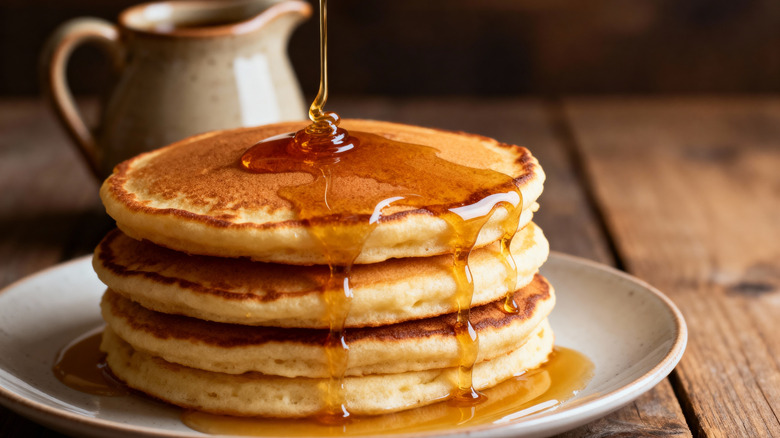
We don't know the exact reason why Rosa Parks put peanut butter in her pancake recipe, but upon first taste it's pretty clear that the reason doesn't exactly matter, because it simply hits. On a baking level it works because the melted peanut butter replaces any oil in the recipe – batter needs this fat to stay moist, flavorful, and nonstick. Depending on the type of peanut butter, it can also make up for the scantly recommended sugar (2 tablespoons) if you like sweeter pancakes. How you use the ingredient matters immensly, though. Peanut butter, egg, and milk should be emulsified together before any of the dry ingredients are added.
If we had to guess, the addition of peanut butter in Rosa Parks' pancake recipe had a lot more to do with where she was from, and how she got to where she was in life. As NPR reported, Rosa Parks and her husband, Raymond, were in a difficult period of life when this recipe was written down. The pair had moved to Detroit following Rosa's courageous acts in Montgomery, Alabama, but both had lost their livelihoods. A pancake recipe that swaps out plain oil for something more nutritious, and still inexpensive, just makes sense.
As Parks' niece told NPR, however, the addition likely just came down to taste. "She loved peanut butter. That's probably what made her write this down." In leaving Alabama for Detroit, Rosa Parks was moving away from home. She was born around Tuskegee, Alabama, the home of a peanut butter innovator George Washington Carver. Throughout Parks' time in Alabama, peanuts and their byproducts would have simply been part and parcel of life.