

Why You Need A Tile Heat Shield In Your Kitchen (And How To Install It Yourself)
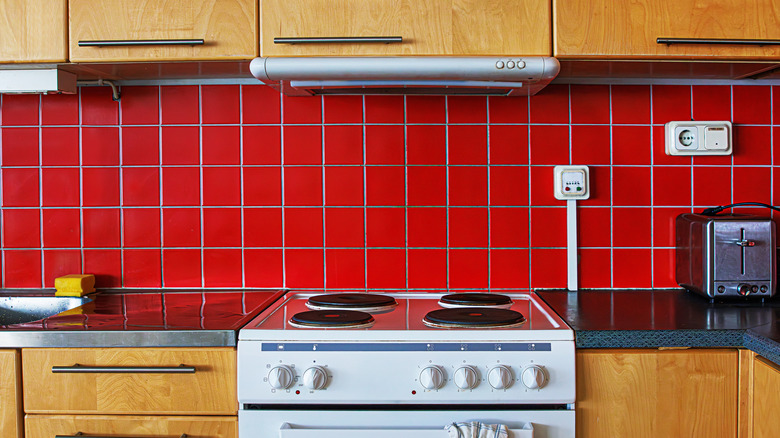
If you've got a gas range or a small, compact kitchen and love to cook foods that need high heat, you just might need a tile heat shield to protect you and your walls. What is that exactly? It's basically a barrier between your heat source and surrounding surfaces that can prevent long-term damage. This DIY project might not be the flashiest or sexiest kitchen upgrade, but it's certainly one of the most practical.
When you cook, especially at high temperatures, heat doesn't just stay in the pan. It actually radiates outward. Over time, that heat can discolor paint, warp cabinetry, and even damage your drywall. This is particularly true if your stove sits close to a wall or if you frequently use high-heat techniques like searing or frying. While there are all kinds of kitchen backsplash materials out there, heat-resistant ceramic tiles are an excellent option. You'll need that type of protection to prolong the life of your kitchen finishes and avoid any kind of heat-related damage.
Beyond just safety, there are also some aesthetic reasons to have a tile backsplash. All those yucky cooking splatters, from bacon grease to tomato sauce, can be difficult to remove from a standard painted wall. Tile, on the other hand, makes cleaning a breeze. It's both a stylish and practical installation to have behind your oven and prep areas.
Where and how to install a kitchen heat shield
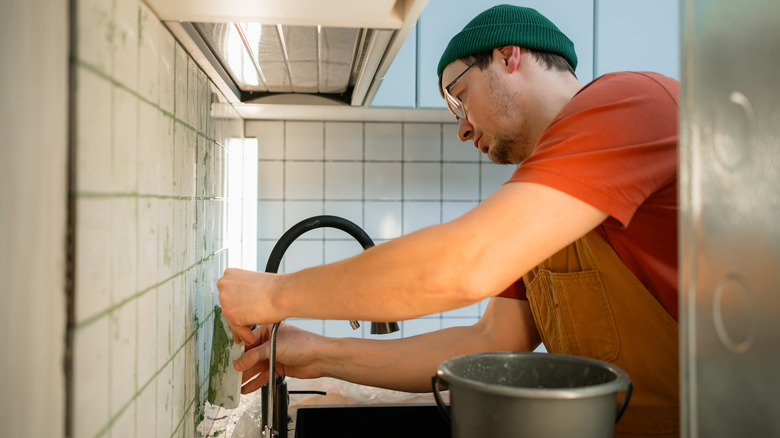
Somewhat obviously, the most common place for a tile heat shield is directly behind your stove, especially if there's no existing backsplash or if your current setup isn't heat-resistant. However, you can also install it on walls near cooktops, or even behind small appliances like air fryers that generate a lot of heat. Even though it sounds intimidating, if you're comfortable with standard tools, you've got this.
First, measure and plan your layout so you can avoid any awkward cuts and keep a clean layout. You'll also need to purchase and set up a cement backer board. This is what the tiles will stick to, rather than regular drywall, which isn't as moisture- or fire-resistant. For safety reasons, you'll also need one-inch air gaps between the shield and the wall, as well as at the top and bottom for airflow.
Enter the tiles. These days, there's plenty of attractive heat-resistant ceramic tiles to choose from — just keep in mind that there are some kitchen backsplash trends that are definitely out. You're going to attach the tiles using a particular adhesive called modified thin-set mortar, which can handle high heat without cracking itself or the tile. After the adhesive cures, you'll finish with a high-heat sealant where the stove meets the wall. And there you have it: If your poor kitchen walls are taking a beating every day, this is one affordable way to upgrade your kitchen without a full remodel.