

The Parts Of The World That Get A Different Type Of Fish In Their McDonald's Filet-O-Fish
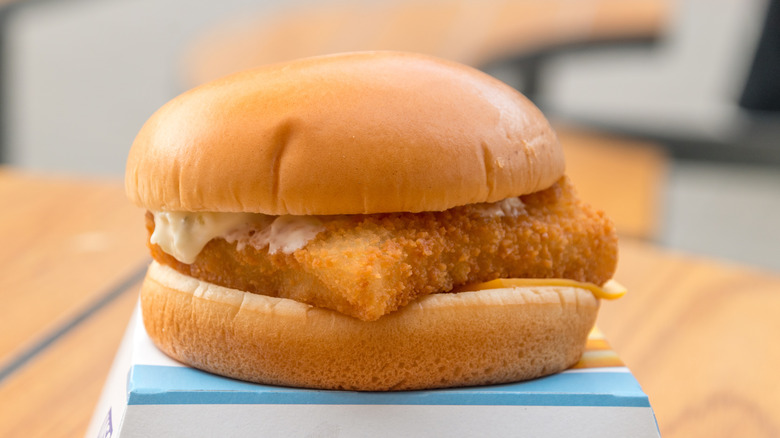
McDonald's has built its international empire on the benefits of standardization and consistency, but some menu items like the Filet-O-Fish can't help but be shaped by local concerns. Some of those changes are to appeal to local tastes, as McDonald's international menus have become famous for offering unique items that often make Americans quite jealous. But some of those changes are practical, or even ideological. While McDonald's may have a reputation for "factory" food, it has made some large-scale commitments to environmental protection, and one of the most impactful has been in fish sourcing. Going back to 2001, the fast food giant has expanded on a promise to make its fish products more sustainable, and that means in New Zealand, Australia, and Ireland you are getting a different kind of Filet-O-Fish patty.
What you get in the United States when you order a Filet-O-Fish is what you get in most parts of the world: Alaskan pollock. The source for Alaskan pollock is the largest sustainable fishery on the planet, so using pollock helps McDonald's in its stated goal of having 100% of the fish served in its restaurants carry that label (right now it says it's at 99%). Of course proximity also helps with sustainability, and one fishery can't supply the whole world. New Zealand also has a major sustainable fishery, for hoki, which is also called New Zealand whiptail, blue hake, and blue grenadier. And because of that some countries end up with hoki in their Filet-O-Fish instead of pollock.
New Zealand, Australia, and Ireland have a FIlet-O-Fish made partly or entirely with hoki instead of Alaskan pollock
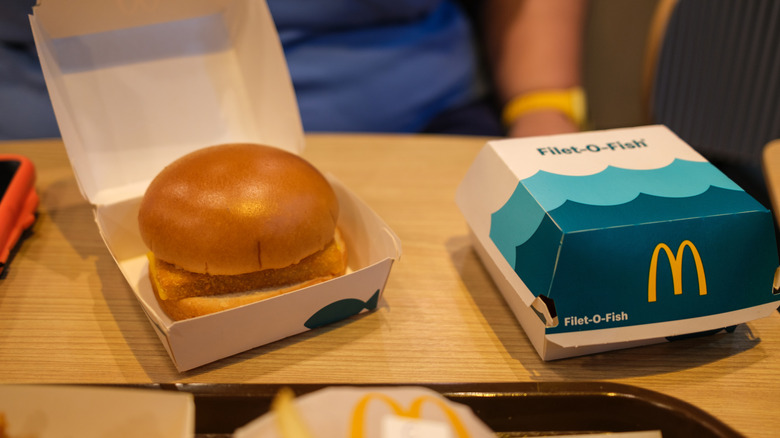
The hoki fishery in New Zealand was the first in the world to earn the sustainable certification from the Marine Stewardship Council, and so at least in that nation McDonald's Filet-O-Fish is made entirely with hoki. Nearby (relatively speaking) in Australia, hoki is also used, but not exclusively. Instead the Filet-O-Fish patty is made from a combination of hoki and pollock. Europe is also a major destination for hoki exports from New Zealand, and so some countries there also use, or have used, hoki. Currently McDonald's in Ireland uses either hoki or Alaskan pollock for its Filet-O-Fish, and the U.K. used to as well, but recently switched to 100% pollock.
It also helps that hoki and pollock are very interchangeable fish that are both considered ideal for frying. Both are whitefish and both are considered mildly flavored and slightly sweet, which is usually the kind of fish chain restaurants are looking for to avoid offending customers who don't like overly "fishy" tasting seafood. Both fish are also relatively firm, so they hold up well to the heat of frying without getting mushy. It's probably why hoki and pollock can be used in the same product without any concern for consistency. While McDonald's burgers and sides may have different toppings and flavors from country to country, the Filet-O-Fish is actually one of the few things on McDonald's menu that mostly stays the same, no matter where in the world you find yourself.