

The Best Tips For Cooking Frozen Steak
We may receive a commission on purchases made from links.
When you get home after a long day and you're looking to cook something quick for dinner, it's usually a heartbreaking moment when you realize you've not taken anything out to defrost. It can seem like only the most high-achieving among us are the ones who remember to defrost food in the fridge overnight. The rest of us have to come up with a quick solution that can involve cooking straight from frozen. Thankfully, there are some foods that can be cooked frozen, and steak is one of them. Having worked in professional kitchens, I was surprised at just how good the result can be when you cook steak frozen. In fact, some argue that cooking frozen steak is better than defrosting it, as it's less likely you'll overcook it.
With the right tips, you can certainly make a delicious and juicy steak with a nicely browned crust. There are some things to keep in mind, including proper seasoning, using enough fat, and getting the right doneness. Once you've got those things down, you'll be a frozen steak whizz — no more forethought planning. As a culinary-trained food business owner, these skills come in handy whenever I'm in a pinch, and they'll be just as useful for you. Here are the best tips for cooking frozen steak.
1. Thaw slightly with cold water
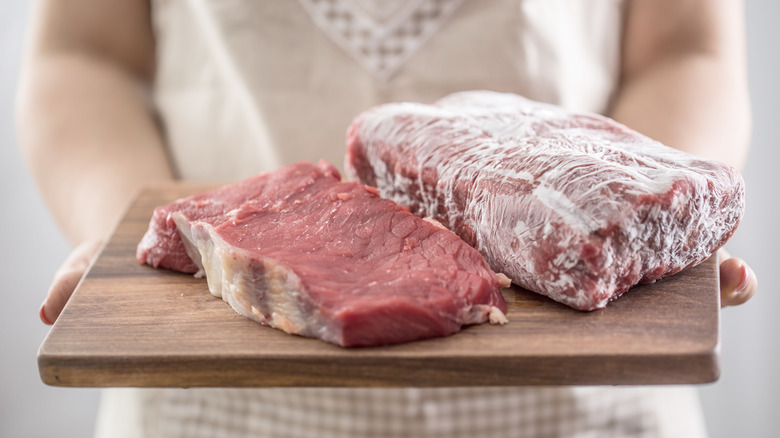
People often go wrong with cooking things from frozen in the first step when getting the meat to brown on the outside. It's hard to get browning on a rock-hard frozen steak, and this is really where a lot of the flavor will be lost. The last thing you want is a gray looking steak. One thing that helps is to get the surface slightly defrosted before you cook. This doesn't mean hours on the counter, but a minute or two of running cold water over your steak can at least get the exterior slightly defrosted. This will allow you to successfully sear the meat, and it will also help the seasonings to stick better.
To do it right, you'll want to remove any extra packaging but still keep the plastic wrap or vacuum seal that is clinging to the steak. This way you can run it under water without causing a mess and getting water all over the meat. Make sure to use cold water as warm or hot water can do more bad than good, as it will mess with the even cooking you're looking for. Once you start to feel that the surface of the steak has a bit of give, that's all you need.
2. Season intentionally
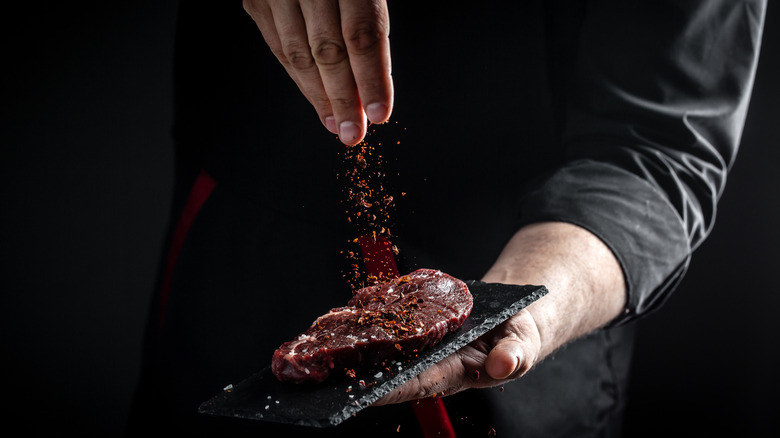
The right seasonings can take steak from good to great, and whether it's just salt and pepper, or a blend of spices you like to use, you want to be able to get them to adhere to the steak as much as possible. This is almost impossible to get right on completely frozen steaks, so make sure you do the previous step to prep the surface so the seasonings can cling to it. After you remove the foil, sprinkle the seasonings. With frozen steak, you want to use dry seasonings only. Sauces and marinades will most likely slip off and may even burn while cooking — as frozen steak usually takes longer to cook. Using dry seasonings will help avoid this, and besides flavor, they'll also help build a nice crust on the steak.
Something that I like to do once I sprinkle the seasonings on the steak is to use my palm to lightly pat them in. In my experience, this helps them stick even better, and they won't fall off as easily as you flip and cook the steak.
3. Start with a sear
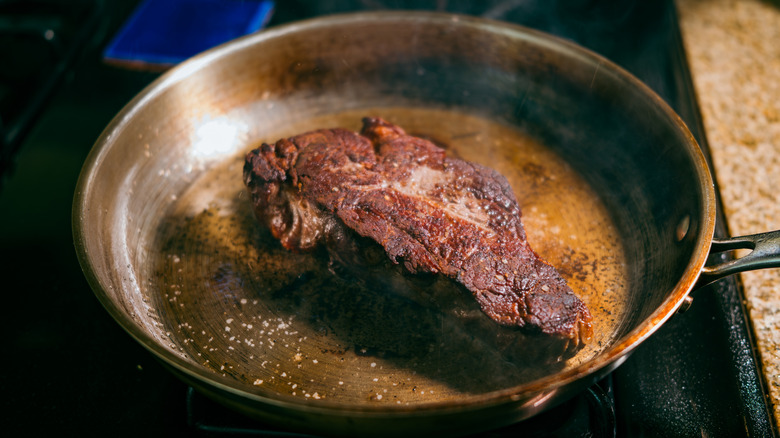
There are always debates about whether you should sear steak at the beginning or the end of cooking. While both sides have their points, I always like to start with a sear, and this is even more important to do when cooking frozen steaks. Firstly, searing helps to create depth of flavor in steaks. Flavor comes from the Maillard reaction, when high heat creates browning and caramelization of sorts that gives the steak a tasty crust. The reason I like doing it at the beginning is because leaving it to the end can be problematic if you have in any way cooked your steak a bit over what you intended. The searing will be hard to do without overcooking the meat even further.
Starting cooking frozen steaks with a sear helps seal in flavor immediately, and then you can cook it to the right internal temperature with no issues. At the same time, frozen steak can release water as it cooks, and if you start with a sear, you manage to get browning before this happens. After seasoning, start with a hot pan or hot grill to get the perfect sear. Remember, defrosting the surface slightly will ensure a better sear.
4. Use butter/oil generously
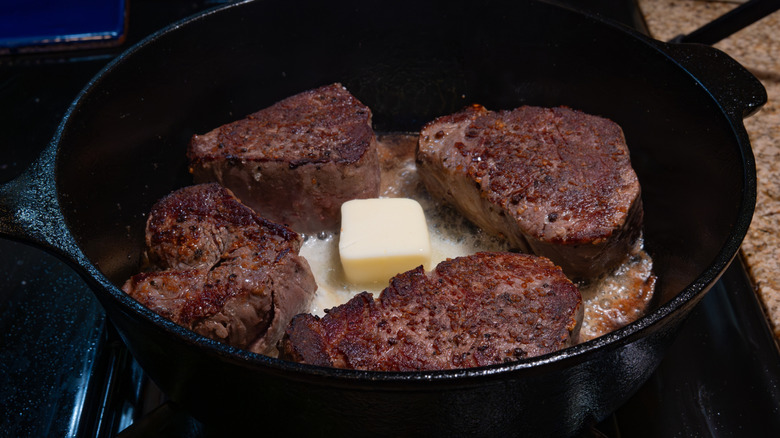
In order to get a beautiful crust on a frozen steak, you need to use more oil or butter than you would when cooking regular, thawed steak. This is because frozen steak is often rock-hard, and it won't necessarily lay flat on your pan or grill — unlike a thawed steak that takes the form of the surface it's on, and every part of it touches the heat, which helps develop an even crust. Frozen steak is not going to lay flat until it fully defrosts, which will happen later in the cooking process. By adding more fat to the pan, whether it's oil or butter, the hot fat can rise to meet the steak, instead of the other way around, thus helping it brown all over.
If you're worried about starting with too much oil or butter (or both) because you don't want to waste it, you can always start with a little bit, add the steak, then gauge how much more you need to add. You want the meat to really swimm in it. If you know you're going to cook more frozen steaks in the future, you can set yourself up for success by freezing the steaks on a flat surface in your freezer. This way, you can reduce the chances of an unevenly browned crust.
5. Drain any water while cooking
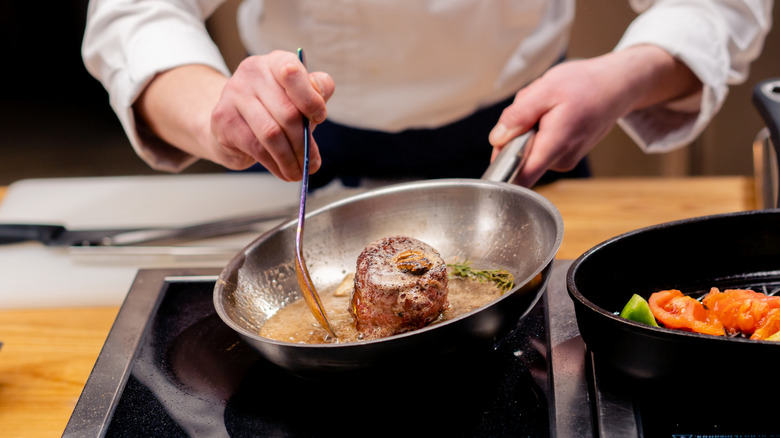
Frozen foods often release water as they cook. This can ruin the final result, and you don't want some random freezer juice to get into your meal. While this won't always happen, in my experience, frozen steaks sometimes may release water as they cook. This is to be expected, and you don't have to panic when it happens — but you do have to drain it. The last thing you want is water in the pan while you're cooking steak because it can cause the meat to boil rather than sear. This prevents good browning and flavor development, plus, it can be pretty unpleasant.
If you see water in the pan at any point, simply tip it out into a container or the kitchen sink. If you're using a grill, or a pan you can't lift for some reason, use a spoon to remove the water. It might be a little bit annoying to do, but it will be worth the trouble as it will result in a nicely cooked steak with no boiled bits. In this process, you can also remove butter or oil, so add a little more in the pan afterwards.
6. Finish in the oven
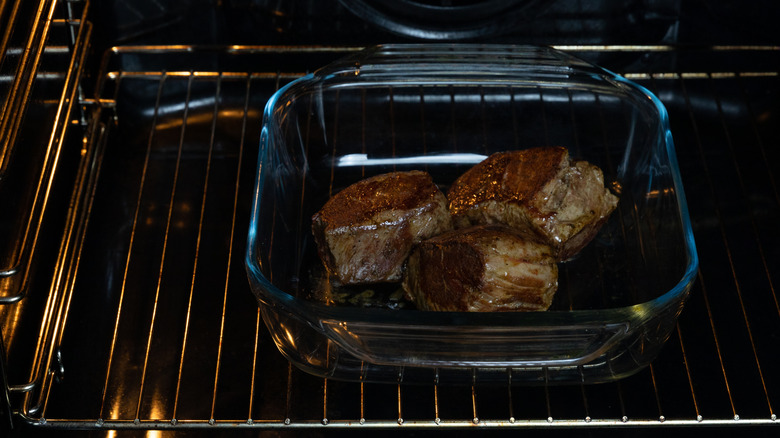
Perhaps the biggest problem you will face when cooking frozen steak is a frozen center. It can be tricky to get the middle of a frozen steak to cook adequately, and even more so to do it in a pan. I always start by searing frozen steaks in the pan and then move them into an oven. The oven cooks more slowly and evenly, giving the steak enough time to cook through. If you prefer rare steaks, you might only stick to pan, but you still don't want that center to be ice-cold. That's why I like to finish steak in the oven no matter what. Sure, it takes longer to cook, but it's still way quicker than waiting for steaks to defrost first! I find that lower oven temperatures work best, so heat your oven to a temperature within the range of 270 to 300 degrees Fahrenheit.
If you're grilling frozen steaks, make sure you get the sear on a hot part of the grill, then move the steaks to a colder side to cook at a slower pace on indirect heat. If you have an electric grill, purposely create two heat zones to get this done properly.
7. Let the thickness guide the cooking time
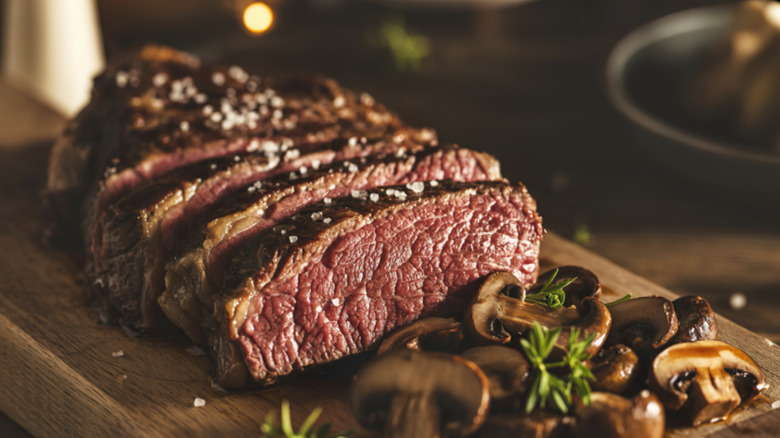
The thickness of your steak really determines how long it will take to cook. For thin minute steaks, you likely won't need to use the oven at all, and they'll be really easy to cook up from frozen. However, for super thick cuts like T-bone or ribeye, you'll definitely need more time to cook them, and you'll have to put more effort in checking for doneness.
So, make sure to always look at the thickness of the steak you're cooking to guide you when you're deciding on cooking duration. It may seem obvious to mention this, but people often find a general recipe or a guide on cooking frozen steaks, without realizing that the information cannot apply across the board. In my experience, really thick steaks can take up to 30 minutes — sometimes even longer — to finish cooking, so it's important to practice patience with these.
8. Use a digital thermometer
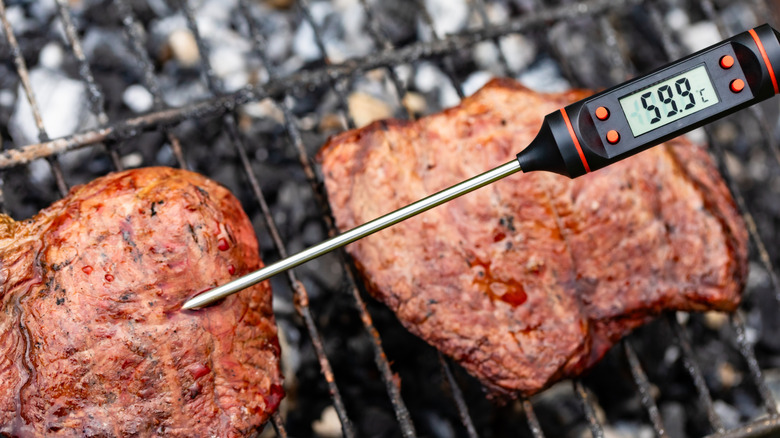
You may see chefs on TV use cooking thermometers and think they're unnecessary gadgets or extra fancy tools you will never need. But, when you're cooking frozen steaks (or anything frozen really), you'll start to see the value in a digital thermometer. Using a thermometer takes out all of the guess work that you need to do when checking for doneness. They could be the difference between eating a steak that's cold and rock-hard in the center, or a perfectly cooked, buttery steak that melts in your mouth. This is especially true for cooking thick steaks, as it's generally trickier to get the cooking right.
By using a digital thermometer, you'll know when your steak is ready. Plus, you can achieve the accurate level of steak doneness, something that's really difficult to do just by looking or feeling your steak. For medium-rare, you're looking for an internal temperature of 135 degrees Fahrenheit, and 145 for medium. For folks who like their steak well-done, you will need an internal temperature of 170 degrees Fahrenheit. Thankfully, these days a digital meat thermometer isn't too pricey, or hard to find. If you don't know where to find one, try this Biison one to get you started. It's worth the purchase, as it will make you confident when cooking frozen steaks using any cooking method you like.
9. Opt for the air fryer
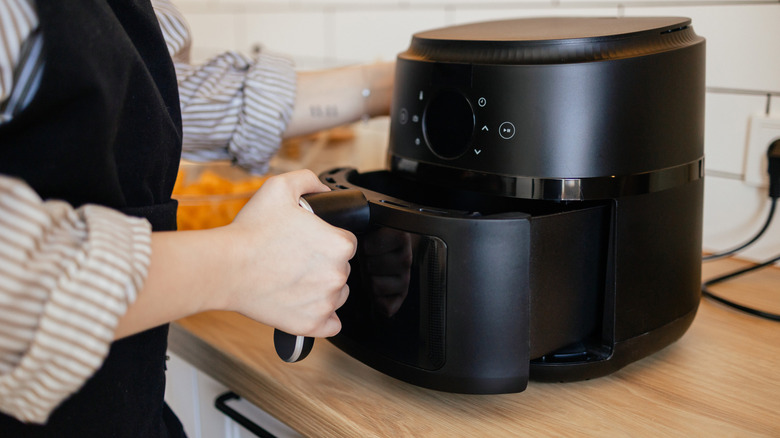
Cooking frozen steak in an air fryer couldn't be easier. An air fryer works like a rapid oven, helping you get even and consistent cooking, while still achieving browning on the outside. It also cuts down the time it takes to cook steak because of the rapid circular heating method it uses. By using an air fryer, you don't have to sear the steak, and some of the tips discussed before won't really apply here. Of course, you can still do a quick thaw under water to get seasonings to stick to the meat. If you don't, you want to season generously as some will fall off. Alternatively, I find that rubbing oil on the steak helps the seasonings stick, and you'll need oil and butter if you want to attain a nice crust.
The temperature and duration will still depend on how thick the steak is, but you'll find that the air fryer will be much quicker than a regular oven. Using a digital thermometer will still be useful in guiding you to get the right internal temperature. Either way, you'll find success easily if you're using an air fryer. In fact, it's arguably one of the best uses for your air fryer.
10. Don't skip the resting
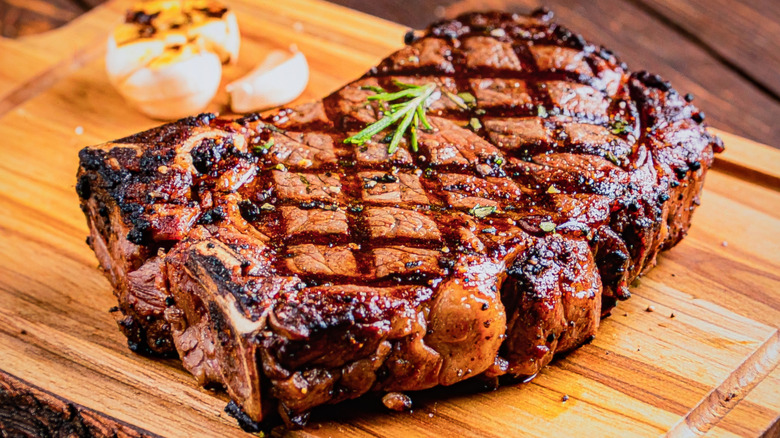
Since you're cooking frozen steaks a little differently from how you cook refrigerated or thawed steaks, you may think you can skip the resting part. I'm sorry to disappoint you, but you still have to rest your steak. Though some online advice might suggest otherwise – since frozen is cooking slower than regular steak — I've found this not to be true. In my experience, when cooking frozen steak, you can taste the difference if the meat wasn't rested.
In my opinion, whichever cooking method you opt for, resting is non-negotiable, for all the same reasons you need to rest a non-frozen steak. After removing the steak from the heat, it needs a couple of minutes for all the juices to settle and redistribute evenly. This results in a more juicy bite, so you need to extend your patience for just a few minutes, but you'll be rewarded with a perfectly cooked, juicy steak.