

The Aldi Horse Meat Scandal That Plagued The Chain For Years
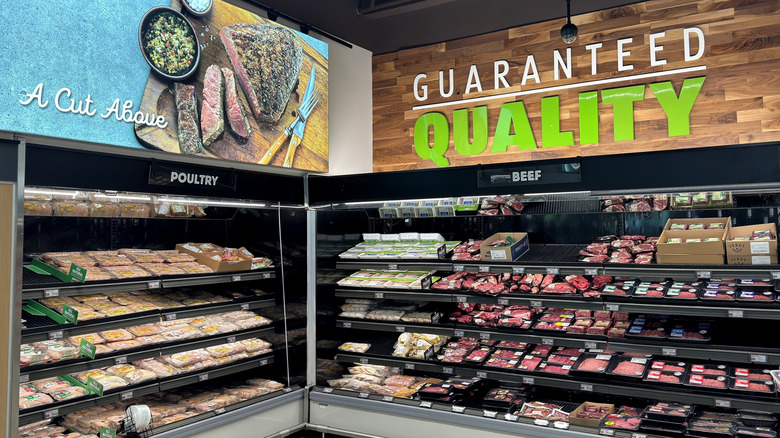
These days it seems like nothing can stop Aldi's meteoric rise in the American grocery world, as the discount retailer has opened hundreds of stores across the country in the past few years, and Aldi is planning for plenty more in 2026. But you never know what can go wrong to tarnish a store's reputation, which the German company learned during another period of major expansion in the 2010s. That's when it got caught up in a scandal over the use of horse meat that rocked Europe. To be fair, Aldi wasn't the only grocery chain that ended up embroiled in this controversy, and it wasn't the company's doing. But it felt the pain nonetheless.
The story started at the end of 2012, when food safety regulators in Ireland uncovered hamburgers being sold as beef that tested positive for horse DNA. While the initial results were only in burgers, and the horse meat was mostly in small amounts, the report set off a media firestorm over the safety and transparency of meat supply chains in Europe. Other retailers started testing products that came from suspect suppliers, and more and more came back as testing positive for horse meat.
One of the grocery chains that found unexpected horse meat in its products was Aldi. Tests on two ready-made frozen meals it carried, "beef" lasagna and a spaghetti Bolognese, showed they contained between 30% and 100% horse meat.
Shady supply chains led to horse meat in some Aldi frozen beef products
Other major retailers including the British company Tesco also had products test positive for horse meat, along with grocery chains in France, Sweden, and the Netherlands. But the idea that the horse meat was ever sold intentionally is just another Aldi myth. None of the chains had been privy to what, exactly, was in the food they were buying from suppliers, because even the suppliers thought they were selling beef.
How could this happen? Well, food supply chains were, and still are, incredibly complex, with companies subcontracting jobs to firms that then outsource those jobs. In Aldi's case, the frozen products containing horse meat had come from a French supplier named Comigel. But Comigel had the products made by another company in Luxembourg. That company had ordered beef from a supplier, and that supplier had obtained its "beef" from yet another company that was Dutch.
You can see the problem already. Unfortunately for this beef middleman, the Dutch company was run by a fraudster with a history of passing off foreign horse meat as beef. Although the people buying it were not totally blameless, as the name of the Dutch company, Draap, was literally the Dutch word for "horse" spelled backward. Aldi and other companies that had been victims of the fraudulent horse meat put out statements expressing anger and disappointment at being deceived, and blaming their suppliers. However that didn't soothe the outrage and suspicion of customers, even though the retailers weren't fully at fault.
The European horse meat scandal led to consumer backlash against
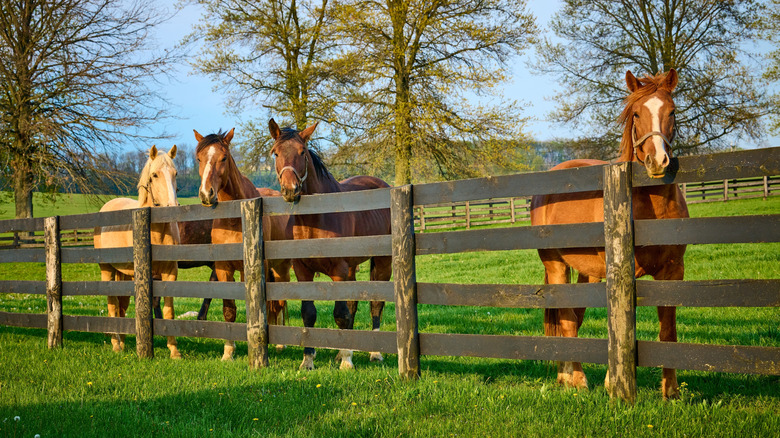
There is no real health risk to eating horse meat in its normal state, but the fact that these products were fraudulently labeled led to a big outcry, because it exposed the lie that suppliers had been closely tracking the origins of their products. Not only was horse meat found in products labeled beef, but pork was as well. That's not only deceptive, but a real concern to some groups like Jews and Muslims that don't consume pork for religious reasons. It also didn't help that the problem was widespread, and some horse meat even ended up in school lunches in England. Finally, while horse itself is not risky, there are concerns around the meat containing a horse tranquilizer called "bute," which can be harmful to humans in higher doses.
The immediate backlash was swift and harsh. Sales of hamburgers fell over 40% in the immediate wake of the scandal, and frozen ready meals fell 13%. While sales did eventually recover, more than 30% of adults in Britain said it changed the way they shopped for food. Aldi's sales also recovered quickly, but the connection between the company and horse meat has lingered as a recurring trope that occasionally needs to be debunked by the media. That said, the company long ago brushed off the scandal as a hindrance to business, and Aldi has plenty of good affordable meat to choose from, showing that as long as a chain remains committed to the kind of business practices that made it popular in the first place, it can survive a serious scandal mostly unscathed.