

Stop Overlooking This Flour For Baked Goods With An Extra Protein Boost
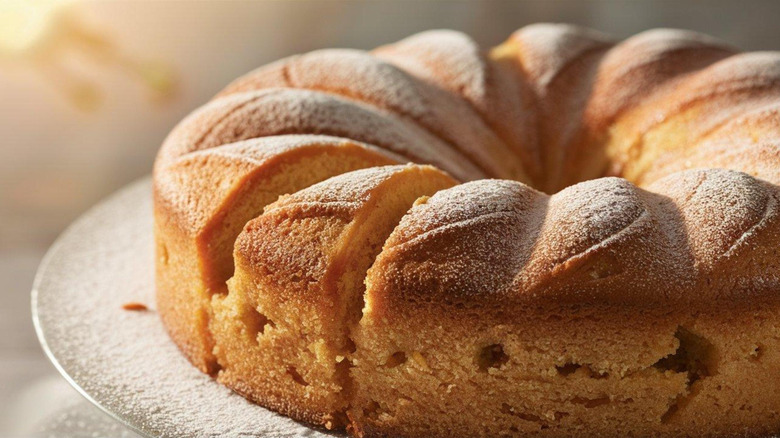
Much of what we bake at home or buy as baked goods is made from wheat flour. Not only is it cheap and plentiful, but wheat has a high gluten content that gives breads and pastries structure and elasticity. On the nutritional front, however, it might not offer all you need. Wheat flour is a good source of vital carbohydrates, but if protein is your focus, then you might want to consider using almond flour instead.
Weight for weight, almond flour contains around twice as much protein as wheat flour, with 26 grams per 100 grams, compared to 12 grams in wheat flour. It's also significantly lower in carbs, making it a popular choice for those on keto diets. But despite this, it has around three times the fiber as all-purpose flour. Almond flour is also good source of healthy fats, though this does mean that it's more calorie dense than regular flour.
Almond flour lacks the gluten found in wheat flour, which does make it a good ingredient for gluten-free baking, but will result in some textural differences. If you need structure for something like cake, you might find you need to add extra egg or another binding agent, and you won't get the same chewiness in bread you might be used to. However the lack of gluten and the high fat content adds a moist and delicate crumb to muffins and cookies.
When swapping almond flour for wheat flour in any recipe, it will also change the taste. Almonds do have a mild sweetness that makes almond flour a popular choice for adding to desserts, but the inherent nuttiness can be just as successfully paired with savory tastes.
How to add almond flour to baked goods
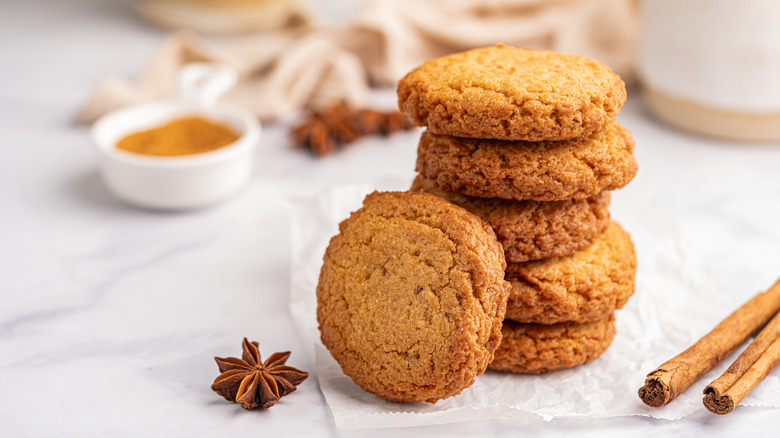
You might hope that using almond flour instead of wheat flour is just a simple swap, but that's not always the case. Different flours behave differently, and the success of any recipe will rely on leaning into those unique characteristics, plus following a few tips for baking with almond flour.
Almond flour adds a rich taste but delicate texture that's ideal for moist and tender sponges or decadent triple vanilla pancakes. Traditionally almond flour is used in a wide variety of cookies such as Italian amaretti and French macarons, where a melt-in-your-mouth texture is prized over firm or chewy structure. It's also perfect for baked goods that aren't leavened, such as Katie Rosenhouse's gluten-free pumpkin seed crackers, or an almond flour pie crust.
Without gluten, almond flour won't provide the structure needed to allow yeasted bread to rise, and the high fat content can result in a greasy dough. You can, however, include almond flour in addition to the wheat flour to boost the protein without sacrificing the rise.