

7 Of The Biggest Canned Fish Lawsuits Of All Time
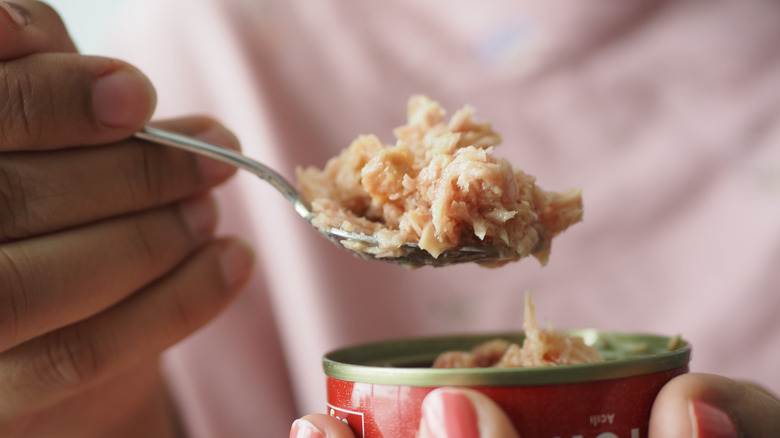
People are eating more fish than ever before. According to a report from Fortune Business Insights, the global seafood market is predicted to surge to more than $724 billion by 2034. And while many people prioritize fresh fish, canned fish is also having a moment. In fact, the market research platform says growth is significant in this area of the market.
But before you head to the store to stock up on canned fish, there are some things you should know about this industry. Some of its biggest players, like Bumble Bee Foods, Chicken of the Sea, and StarKist, have been caught up in some pretty big legal issues.
We're talking about everything from price fixing to false advertising to a lack of transparency around toxins. One ongoing case even accuses a canned fish giant of turning a blind eye to some serious human rights abuses. Intrigued? Keep reading to find out more about some of the biggest canned fish lawsuits of all time.
Bumble Bee Foods is being sued by Indonesian fishers
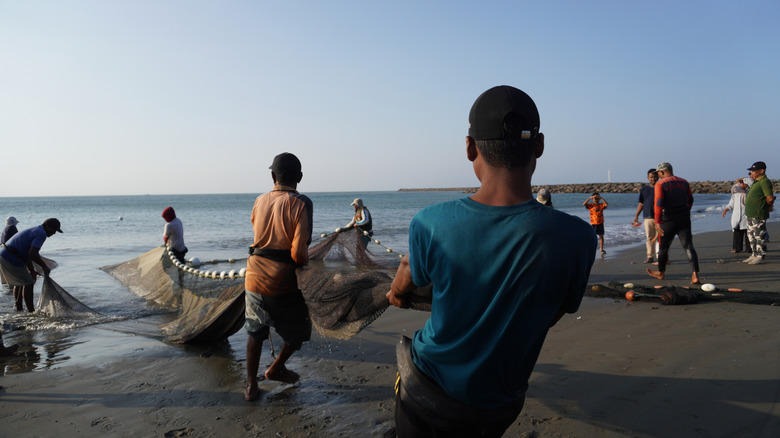
Commercial fishing is not easy. The job requires spending months at sea away from family and friends, with only your colleagues and the waves for company. It is also one of the most dangerous jobs in the world; there is the risk of falling overboard, of course, but ships can be slippery and unstable, resulting in injuries on deck, too. On top of this, some fishers have to cope with threats of physical violence and abuse.
In March 2025, a group of Indonesian fishers filed a first-of-its-kind human trafficking lawsuit against Bumble Bee Foods, alleging that the American canned fish giant is pretending not to know how bad the conditions are on its boats. The fishers, who claim they are victims of forced labor and human trafficking, say they have faced life-threatening injuries, physical violence, emotional abuse, and lack of payment, among other allegations, all while sourcing fish for Bumble Bee Foods.
In June 2025, Bumble Bee Foods denied that it was knowingly benefiting from forced labor and attempted to have the lawsuit thrown out. However, in November, a federal judge ruled that it could proceed. At the time of writing, the case is still ongoing.
StarKist, Bumble Bee Foods, and Chicken of the Sea had to pay over $216 million for overcharging consumers and retailers
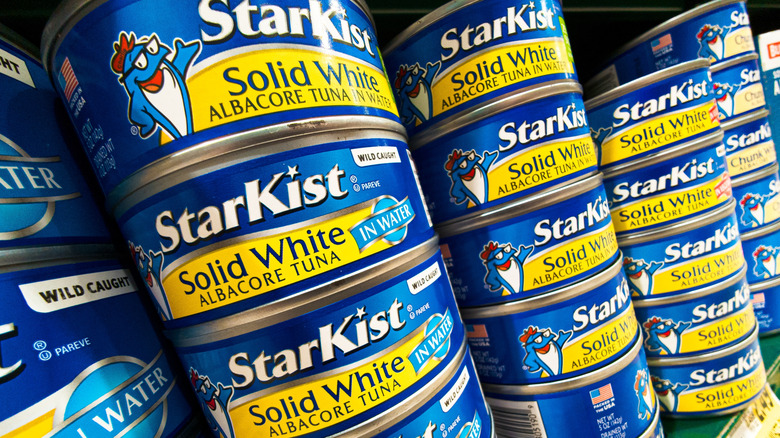
According to U.S. antitrust laws, companies in the same market are not allowed to club together to decide whether to collectively raise prices. And yet, that seems to be exactly what canned fish giants did between 2011 and 2015. StarKist, Bumble Bee Foods, and their parent companies allegedly agreed between themselves to raise the prices of canned tuna. But they didn't get away with it.
In 2024, a judge ruled that the companies would have to pay out $130 million to consumers as a penalty for their actions. The settlement was combined with a previous ruling that Chicken of the Sea and its parent company, Thai Union Group, also had to pay out $22.2 million to consumers over price-fixing. This brought the total amount payable to consumers who had purchased the company's tuna in either can or pouch form between July 2011 and July 2015 to $152.2 million.
But the settlements didn't end there. StarKist, Bumble Bee Foods, and their parent companies also had to compensate retailers, too. A separate settlement ruled that distributors and retailers across the U.S. would receive $64.7 million, which brought the total that the canned fish giants had to fork out over the price fixing scandal to more than $216 million.
The Fishwife divorce lawsuit that resulted in a private settlement
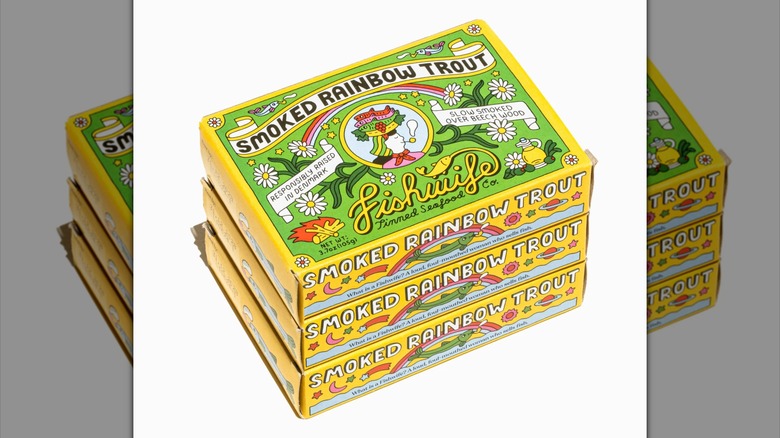
Let's be honest. While it's a huge, multi-billion-dollar market, tinned fish doesn't really have a super glamorous reputation. It's a shelf-stable, budget-friendly, camping staple — hardly a luxurious purchase. But when Fishwife launched in 2020, it aimed to give the American market something unique: sustainable tinned fish that was produced in the U.S., and also came with a fun, creative, colorful aesthetic. The brand went from strength to strength, quickly going viral on social media and scoring features in Vogue and The New York Times. Co-founder Becca Millstein even landed a $350,000 investment on "Shark Tank."
But things turned ugly pretty quickly. In 2023, before Millstein appeared on "Shark Tank," it turns out that Fishwife had actually sued one of its founders, Caroline Goldfarb, for a number of issues, including civil theft and cybersquatting. For the uninitiated, that basically involves using trademarked company names and internet domains with the intention of profiting from someone else's work. For context: The lawsuit claimed that while Millstein was working around 90-hour workweeks, Goldfarb was only putting in a few hours. While the suit was settled privately, it didn't manage to stay under the radar. The internet soon found out, and the Fishwife "divorce" went viral.
Aldi settled a federal class action lawsuit over 'dolphin-safe' false advertising
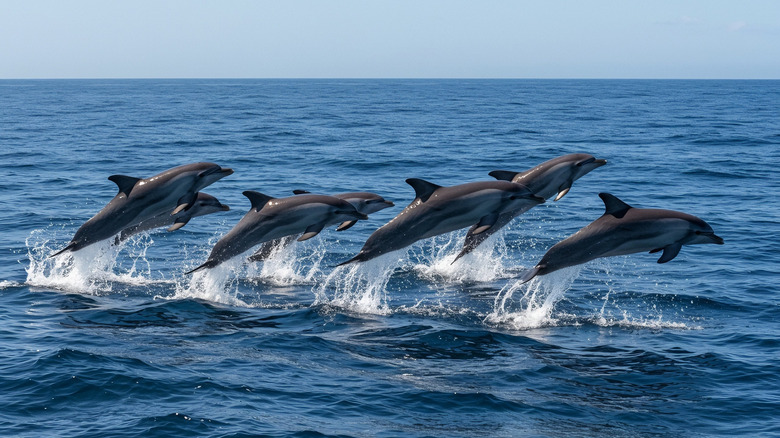
If you've ever seen the words "dolphin-safe" on a can of tuna in the U.S., you've probably found it reassuring. The label is supposed to mean that the fish was caught without endangering any dolphins. This is because the mammals frequently end up as bycatch in the fishing industry. In fact, according to the International Whaling Commission, more than 300,000 whales and dolphins die every year either because they've been caught accidentally by fishers or they've been tangled up in fishing nets.
Unfortunately, while you might think you're not contributing to this problem by purchasing "dolphin-safe" products, the label isn't always accurate. In 2023, Aldi settled a class-action lawsuit over its tuna products. It claimed the tinned fish was dolphin-safe, but some of its suppliers were known to use methods that put dolphins at risk. The case, which was brought against the retailer by California resident Elizabeth Henriquez, resulted in a judge ruling that Aldi had engaged in false advertising.
But this wasn't the end of dolphin-safe lawsuits. A very similar case was brought against Costco in 2023. Once again, the retailer was accused of false advertising, as it was labeling its Kirkland tuna as "dolphin-safe," despite contradictory evidence that its suppliers used fishing methods that endangered the animals. That's why, in 2025, we included it on our list of Costco canned meats to avoid.
Trader Joe's had to pay out $1.3 million for underfilling tuna cans
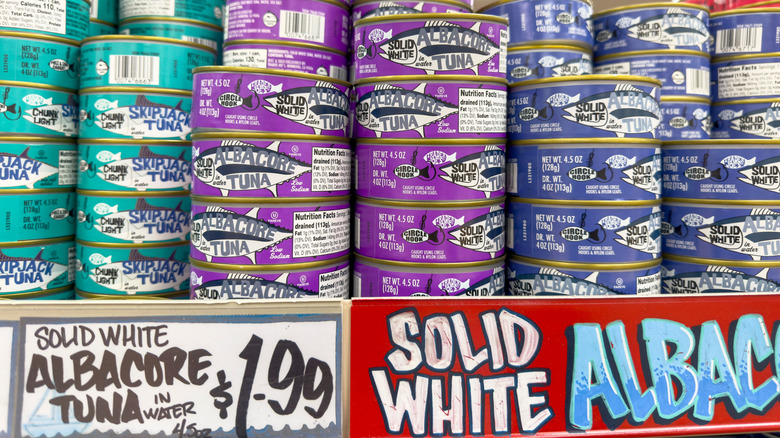
Tuna cans are supposed to contain a certain amount of tuna. It's literally the law. According to federal standards, most cans of tuna should contain a minimum of 3.23 ounces of fish.
But in 2016, Trader Joe's was caught deliberately underfilling its 5-ounce cans of tuna with less than 3 ounces of product. In fact, when the cans were tested, the U.S. National Oceanic and Atmospheric Administration found that each can only contained between 2.43 ounces and 2.87 ounces of tuna. In short, Trader Joe's was ripping off consumers by giving them far less tuna than the amount they were actually paying for.
But again, the retailer had to face the consequences. In 2018, it settled the class-action lawsuit brought against it for underfilling the cans for $1.3 million. Each consumer who had joined the lawsuit was entitled to around $29 each.
StarKist had to compensate consumers up to $12 million for underfilling cans
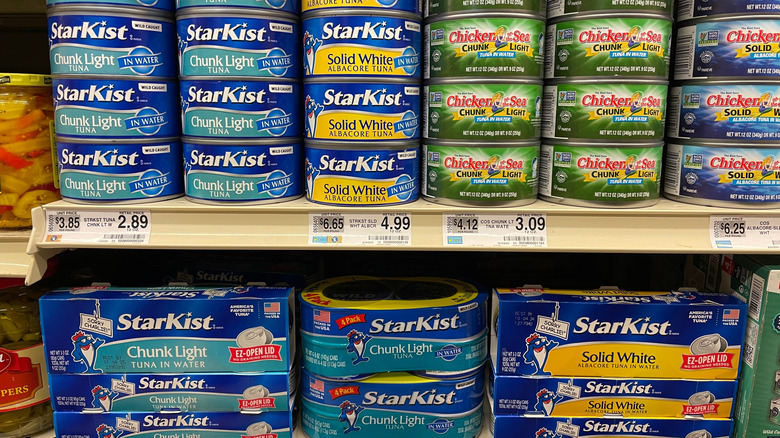
Trader Joe's isn't the only company that has been in hot water for deliberately underfilling tuna cans. In 2016, StarKist also settled a $12 million class-action lawsuit for the same reason.
The huge lawsuit, which was settled in a California court, had roughly 900,000 claimants, all of whom were entitled to around $4.40 in vouchers or $2 in cash. Once again, testing revealed that StarKist had been filling its 5-ounce cans with between 2.81 and 3.11 ounces of tuna — well below the mandated minimum of 3.23 ounces.
Also in 2015, supermarket chain Safeway was sued for more than $5 million over the same issue. Since then, there has been a huge wave of lawsuits related to companies underfilling products; everything from potato chips to pasta to Starbucks coffee has been in the firing line.
StarKist, Bumble Bee Foods, and Tri-Union sued over mercury
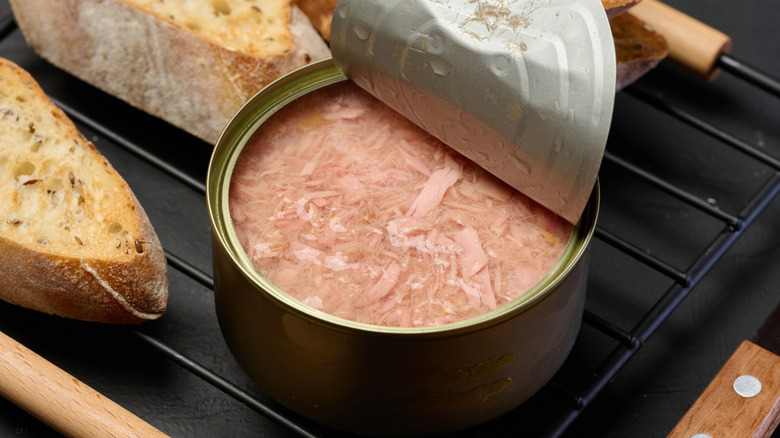
For many people, fish is a key source of important nutrients, like protein and omega-3s. But it does have some drawbacks. One of the biggest? Mercury. Yep, fish can contain heavy metals. Tuna is particularly high in mercury, essentially because it's a fish that eats other fish (who also contain mercury). This is not a negligible risk: Eating too much mercury is associated with neurological health problems. This is why the FDA advises consumers to be mindful of the amount of seafood they consume.
Back in 2004, the state of California felt that tuna giants like StarKist, Bumble Bee Foods, Chicken of the Sea, and their owners should have been warning their customers about the amount of mercury in their products. It even brought a lawsuit against the brands, claiming that they were exposing people to toxins without fair warning. Ultimately, though, a judge ended up ruling that the warnings were not necessary.
This didn't stop others from trying to file lawsuits over similar issues. In fact, in 2014, the FDA was even sued because it advised pregnant women to eat more fish, without enforcing clear labeling requirements on mercury.