

Your Fall-Bearing Raspberries Will Bounce Back Faster If You Prune Them Like This
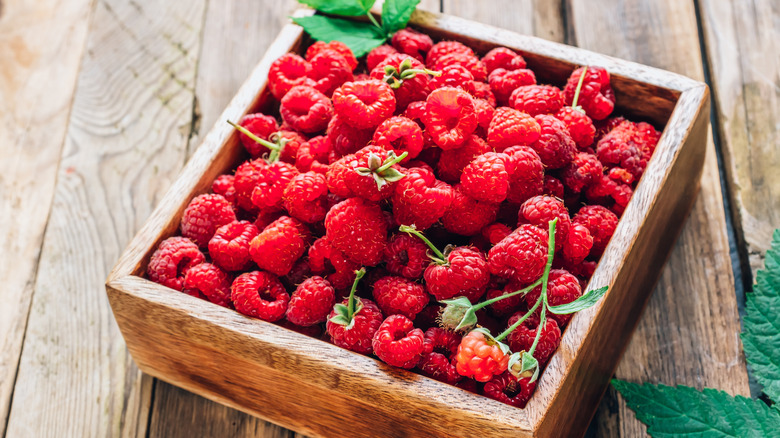
In the dead of winter, a raspberry bramble might look, well, dead. Once a dense thicket of soft, green leaves and juicy berries now stands dormant and skeletal, giving little indication of the harvest that was or could be. It's easy to assume that the plants are fragile in this state; that cutting them back could be disruptive, harmful, or pointless. But this stripped-down moment is exactly when fall-bearing raspberries are ready for intervention.
Fall-bearing raspberries, sometimes called primocane-fruiting or everbearing, produce fruit on their new growth, called primocanes. By the time winter arrives, the canes that fruited in late summer or early fall have already completed their biological role. The plant pulls its energy back into the crown and root system. The sticks that remain above ground during the fallow time are no longer productive, now dormant scaffolding for the life to come.
Even though pruning in the cold of January or February may feel premature, winter is a pause, not an ending. Just because what you see won't make fruit does not mean that it's permanently inert. In fact, your plants still have some growing to do come winter. Pruning won't hurt them either, as new shoots haven't begun to form yet. In cutting during the cold season, you're working with the plant's internal calendar, aligning with how it naturally resets itself each year. This also reduces congestion around the crown, which can otherwise slow early growth and limit airflow. When spring finally does arrive, you'll see a cleaner-looking patch, and a faster, more vigorous rebound.
Winter works for pruning raspberries
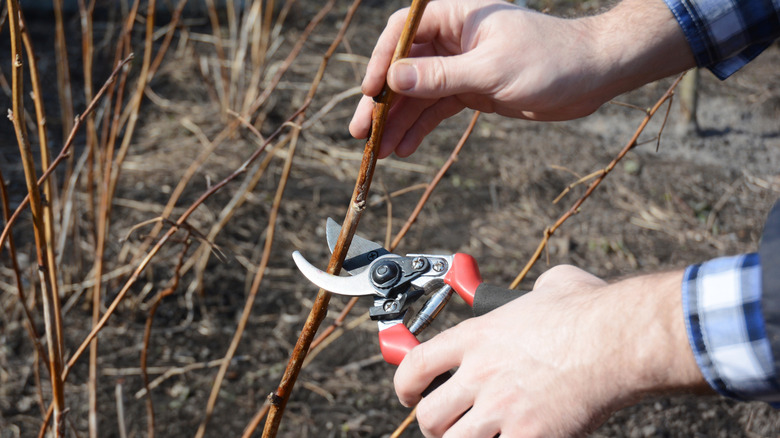
If your raspberries fruit only once, in late summer or early fall, winter pruning is straightforward. Just cut all the canes down close to the ground. This may feel extreme, especially after you watched the bramble do its darndest to establish itself all summer long. However, if you prune these raspberries for a single fall crop, last year's canes will not fruit again. In fact, much like apple and pear trees, fall-bearing raspberry crowns often respond to the stress of a hard reset by sending up thicker, more vigorous new canes once growth resumes.
Double-bearing or summer-bearing raspberries, however, do fruit on their floricanes. Pruning those varieties will eliminate the early summer crop, so make sure of what type you grow before your clippers meet cane. If you're unsure, just look back on when your plants produce their fruit. If you were eating berries before tomatoes (which usually ripen in the heat of late summer) and then they produced another flush later in the season, then you do not have everbearing raspberries, and you'll need a more selective approach to pruning.
Once you have confirmed your fall-bearing raspberries, it's as easy as cutting down what you see. Wait until the plants have dropped their leaves, and then cut low, clear the debris, and let the crown rest until the warm weather brings new growth. You can compost or use the cut canes to create a low, woven fence while you step aside and plan some recipes (like this easy raspberry pie recipe) for when the bounty comes in.