

Broccoli Vs Cabbage: Which Offers More Protein?
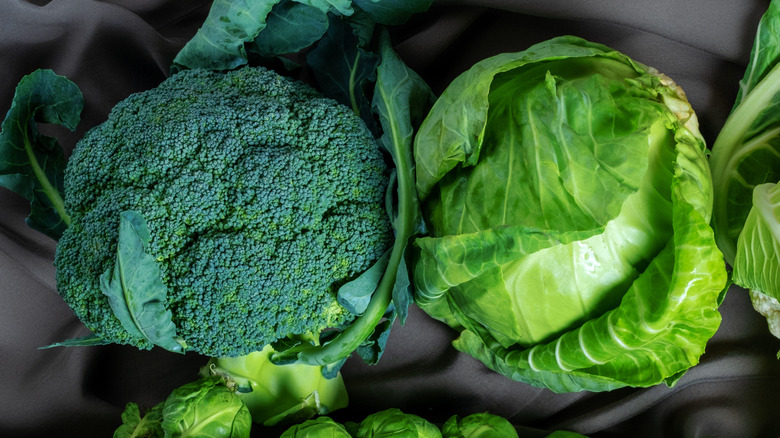
Broccoli and cabbage are both cruciferous veggies and members of the same Brassica genus. However, their nutrient profiles are markedly different. Of course, all vegetables are rich in micronutrients like vitamins and minerals. But what about those fashionable macros? If you're looking for some protein in your vegetables, broccoli outcompetes cabbage.
At 2.8 grams of protein per 100 grams, broccoli contains more protein than you might think. Green cabbage, on the other hand, only has about 1.3 grams of protein per 100 grams. So, broccoli has more than twice the protein of cabbage. In fact, broccoli is more nutrient dense all-around, with six times more vitamin A and twice as much vitamin C as cabbage. Broccoli also has more B vitamins than cabbage, not to mention more of every mineral from magnesium and calcium to iron and zinc. Cabbage and broccoli are both low-carb veggies that are rich in fiber. The two vegetables also contain similar amounts of antioxidants such as the cancer-fighting compound known as sulforaphane. Of course, cabbage comes in many varieties, giving it a leg up on broccoli in terms of versatility and diversity of flavors and textures, albeit none of them are high in protein. Cabbage is also more affordable than broccoli and has a much longer shelf life. While it may not be the best source of protein, cabbage still deserves a place on your menu.
Broccoli recipes for a protein-packed meal
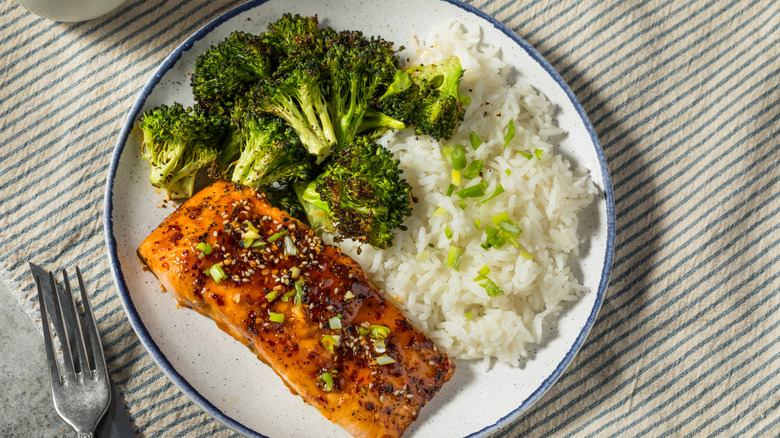
Broccoli is a surprisingly protein-rich veggie, but you'd have to eat quite a bit of it to fulfill your protein needs in a meal. Consequently, you should use broccoli as a supplemental protein. Chicken and broccoli are a tasty pairing. You can add chicken to a broccoli cheddar soup or broccoli to a chicken and rice soup, for example. If you're looking for protein that isn't chicken, whip up this simple sauteed broccoli dish to accompany a filet of fish or cut of steak. However, broccoli is just one of many green vegetables that have more protein than you might've imagined. Brussels sprouts, spinach, asparagus, and artichoke hearts have even more protein per cup than broccoli, not to mention green peas. So, you can easily derive a good amount of protein from foods other than meat if you join forces. For example, you can make a fresh-tasting pasta dish with broccoli, peas, asparagus, and artichoke hearts in a lemony sauce with chilies, herbs, garlic, and a whipped egg for added protein and creaminess. Pasta itself has around 8 grams of protein per cup.
While cabbage can have more main-dish energy, especially if you make grilled cabbage steaks, it won't contribute much to your protein intake. So, if you want to bring more protein to a cabbage-centric meal, serve it over a bed of whipped tofu or lentils. In fact, beans and seeds are affordable proteins you shouldn't overlook, whether you're vegetarian or not.