

Craft Beer's Boom Has Flipped: More Breweries Closed Last Year Than Opened
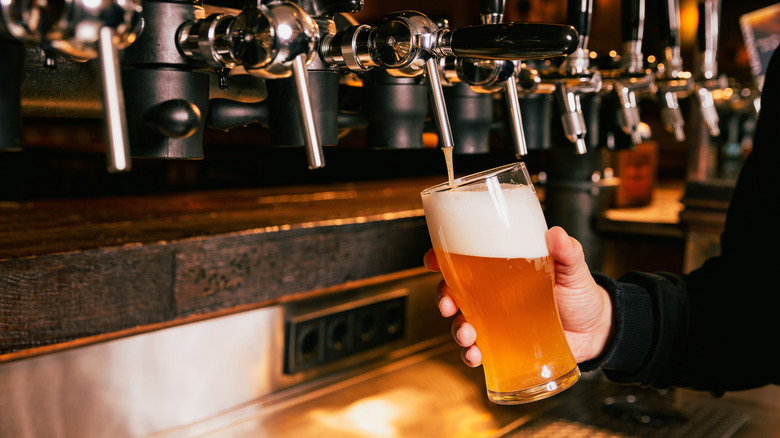
There was a time when craft beer was the top buzzword. Breweries were opening up left and right, practically turning states into IPA pilgrimage sites and dominating the liquor scene. In 2017 alone, the vast majority of America's favorite breweries focused on craft beer, and it seemed like the independent beer bubble would never burst. From a few thousand in the early 2010s to over 9,000 in 2020, the craft beer fad came on fast — but it hardly wavered until then.
The U.S. welcomed 268 new breweries in 2025, but according to the Brewers Association's 2025 Year in Beer report, 434 breweries — including Oregon's Rogue Ales — simultaneously shut their doors forever. The Brewers Association (BA) report revealed that the previous year, 2024, also saw more brewery closures than openings, demonstrating an unfortunate pattern for craft beer. While those closures only impact 4.4% of the industry's breweries, experts aren't feeling too optimistic about the slowdown.
"If the craft beer industry is a ship, we can comfortably say we're no longer in the safety of a harbor," staff economist Matt Gacioch, told the Brewers Association. The shift is driven by a variety of factors, but heavy competition, price increases, and general consumer habits are the leading hurdles.
What happened to the craft beer craze?
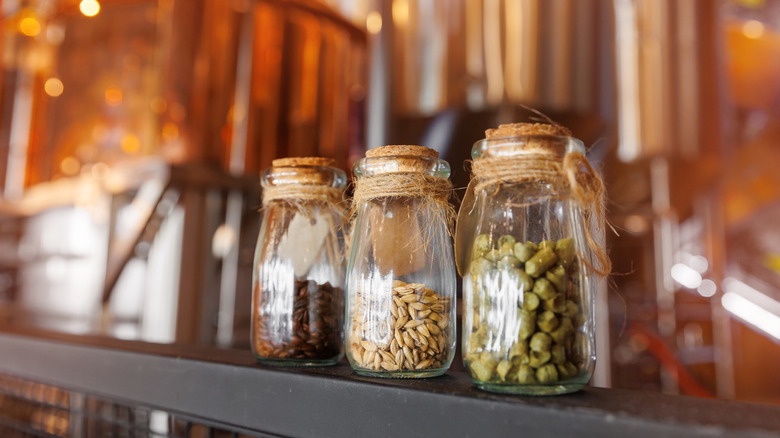
At the start of the '80s, there weren't even 100 breweries in the U.S. — micro or otherwise. So, the influx of any brewery was exciting, let alone specialty small-batch brews. By the mid-'90s, there were hundreds of craft breweries, and then there was suddenly a huge appeal for artisanal beer in the new millennium. The novelty of new flavors and distilling processes drew crowds in, and craft beer developed into a movement with a community that's now brought in $72.5 billion and provided nearly 500,000 jobs.
During the height of craft beer, everyone wanted a piece, and company consolidations and buyouts were pretty much a regular occurrence up until this past year. In 2024, craft brewery production dropped 4% from the year prior — the biggest dip since the onset of the pandemic in 2020. Before then, craft beer had been on a steady upswing for nearly a decade. Perhaps the more wellness-minded Gen Z is partially to blame for craft beer's 5% year-over-year decline, but at the end of the day, there can only be so many craft breweries in one country.
For a while, the volume of craft beer coming out of the U.S. was shocking — it seemed to be on every shelf, in every advertisement, and on every menu. In 2018, the country had more than 7,000 craft breweries, and as of December, 2025, 9,778 are in operation, fighting each other tooth and nail to stay relevant. Between competition, tighter budgets, and a population of fewer drinkers, the craft beer trend is on the decline.
Craft beer is changing after decades — but it's not disappearing
Unlike Anheuser-Busch — which closed multiple breweries in 2025 — and Molson Coors, craft beer is simply independently produced and small-scale, which means it's been around for decades. When craft beer first caught drinkers' attention, sometime in the '60s and '70s, thanks to Fritz Maytag, folks felt liberated trying something new — especially after making it through Prohibition. As the interest in craft beer grew, Jimmy Carter ultimately legalized home brewing in 1978, leading to some of the country's most beloved original craft breweries like Sierra Nevada.
The inspiring history behind craft beer isn't going anywhere, and the industry's shift doesn't mean it's game over for brewers. Despite the cutback, nearly 9,800 passionate brewers are still committed to the industry. What's changed isn't that beer drinkers have suddenly stopped liking good beer; they're just gobsmacked by the amount of options. As the craft beer market has matured and splintered, it's made its own niche lane that has promise in the future thanks to the dedicated brewers who have stuck it out.
The craft brewers of today are leading with creativity, appealing to younger generations with low-alcohol beers, and leaning on brand identity and collaborations to establish themselves. But just because there are less IPA's on the menu doesn't mean the few on tap aren't incredible. As experts say, when it comes to breweries, less is often more.