

The Retro Countertop Designers Expect To See Everywhere In 2026
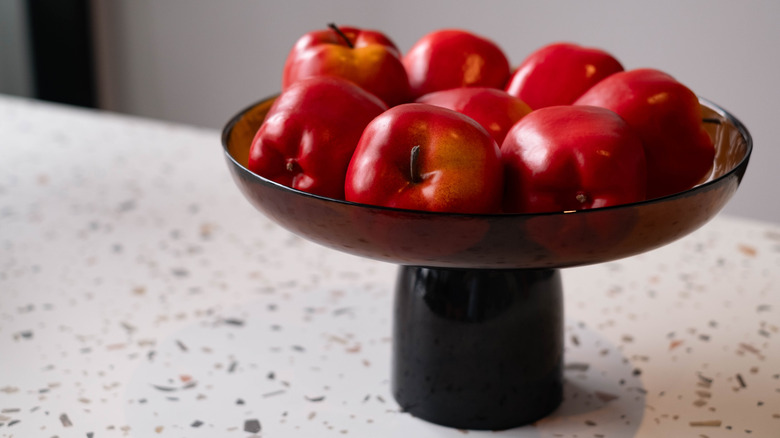
Some retro trends, like carpeted bathrooms, truly belong in the past: been there, done that, never again. Others never really disappear. They stick around for generations, coming in and going out of fashion. Terrazzo falls into the second category. They're the bootcut jeans of the interior design universe, the polka dots of tile patterns — they look like they belong in another era, but are always on the brink of a comeback. And according to designers, 2026 is the year you can expect to see terrazzo countertops everywhere.
"For 2026, I think we'll see a real rise in terrazzo countertops. It brings a natural, organic texture that adds a sense of quiet luxury to a kitchen," Ruth Milne, founder at Studio Milne, told Homes & Gardens. In addition, Milne said "Terrazzo works particularly well when you want to introduce color and make a statement that still feels refined." This is in line with the views expressed by an expert Tasting Table spoke to about 10 outdated kitchen trends making a comeback. "Terrazzo embodies craftsmanship, longevity, and playfulness — three attributes homeowners crave today," said Jasmine Jhaveri, founder of Jasmine Jhaveri Design Studio. "It's sustainable, low-maintenance, and introduces pattern without being overwhelming."
Terrazzo tiles or countertops are made by setting tiny chips of stone or glass in cement or resin. The end product, polished and speckled, is both unique (no two pieces will be exactly the same) and extremely durable. The origins of the technique can be traced back to 16th-century Venice, when artisans and craftsmen used to use leftover pieces of marble to create decorative flooring for their terraces. In terms of material and technique, we've come a long way since.
Old soul in a new materials
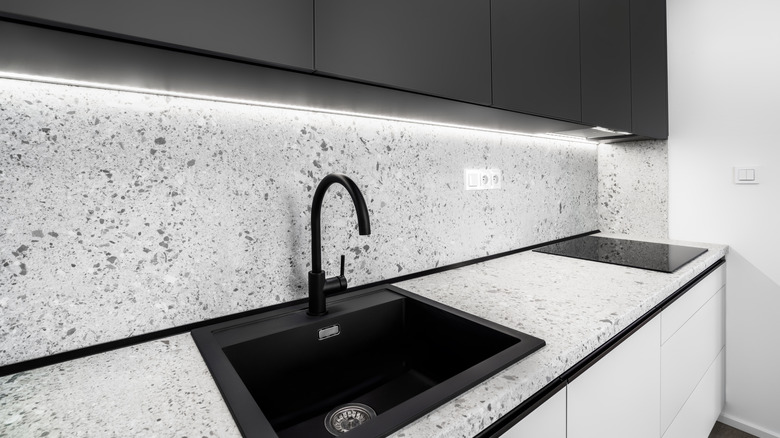
With its distinct, speckled finish, terrazzo definitely belongs in the retro kitchen of your dreams. Having said that, continuous material upgrades have ensured that this ancient finish has remained relevant in modern homes. While the original chips-in-cement countertops remain popular, especially in outdoor areas, there are material variants that improve efficiency and reduce maintenance. Epoxy, or resin-based terrazzo, is commonly used in modern builds. Made using natural stone and glass chips in a resin binder, these are thinner and lighter. According to Milne, resin terrazzo is the perfect choice for kitchens: "It's less porous than traditional cement terrazzo, making it more resistant to stains and easier to live with day to day." You'll also find eco-friendly variants in the market, made by combining waste materials in plant-based resin.
The other evolution has come from a design perspective. Unlike formica or laminate countertops which can give your kitchen a sad and ancient look, terrazzo adds dashes of fun and color to the modern, minimalist design sensibility. "With many different color combinations on offer, homeowners can still be playful with their tile choice, along with adding texture and pattern," Grazzie Wilson told Livingetc. Wilson is the head of creative at UK-based luxury stone and tile company Ca'Pietra.
And when designers say you're likely to see terrazzo all over the place, they mean it. "Terrazzo is everywhere again, and not just on floors — We're seeing it on shower walls, vanities, even integrated sinks," bathroom design expert Jill Siegel told Better Homes & Gardens. So is terrazzo here to stay this time? It's impossible to say. But this durable surface's ability to evolve with the times, and add character without clutter will ensure it'll always be a tiny trigger away from a comeback.