

10 Kitchen Remodel Contractor Red Flags To Watch For

While there are several ways to refresh your kitchen without a remodel, there are times when only a thorough renovation can update a suboptimal layout and address deeper wear and tear. Calling in a contractor can get the job done in an expeditious manner — as long as you choose with care.
You may not be able to tell leathered granite apart from a flamed finish, but what you can do is use your intuition and judgment to know what you are getting into. Paying attention to any red flags that crop up in your initial conversations with a contractor will ensure that you aren't stuck with a shoddy, half-finished job.
Unlike a garage makeover that can happen in the background, the kitchen is an essential artery of the house. Unplanned delays can leave you stuck without a functional space for your everyday cooking needs. Subpar craftsmanship can also reduce the longevity of expensive elements, such as countertops and cabinetry, ultimately affecting the resale value of your home. Having to resort to legal options to settle disputes is a messy and time-consuming affair that is best avoided by adopting due diligence beforehand. To safeguard your investment and your peace of mind, we brought in Mike Smyth, owner of Smyth Design and Remodeling, and Joshua Parrish, owner and general contractor of PRI Construction Co. and Hammer & Handsaw. Ahead, they detail the warning signs to look out for when hiring a contractor for a kitchen remodel.
Verbal-only estimates

It starts out well, as these things generally do. However, disputes soon arise. The contractor claims you requested one thing, while you swear you wanted another. Hidden costs creep in, timelines are extended, and you start discovering low-quality substitutions. The root cause of these disagreements often lies in the lack of a written estimate detailing the scope of the project.
For Mike Smyth, verbal-only estimates always send alarm bells ringing. "Remodeling projects — especially kitchens — are complex, with many moving parts, allowances, and variables. Relying solely on verbal commitments makes it difficult for homeowners to track costs or hold anyone accountable," he explains. In his experience, written estimates can also negate any room for scope creep: incessant additions to the initial scope of the project that can derail your intended goals and timelines. "A reputable contractor should welcome transparency, not avoid it," he adds.
While Joshua Parrish has found that verbal estimates are common at the initial stage of the project, a diligent homeowner should insist on a more concrete alternative soon after. So, what should you get confirmed in writing? "At a minimum, homeowners should get the project scope, payment schedule, timeline, materials, and warranty information from their contractor. Without documentation, there's no accountability if something goes wrong or costs change," he cautions. If you'd like to ensure that the written estimate is legally binding, it will need to name both parties, define the costs, detail the payment terms, and be signed by the contractor.
Lack of clarity on timelines

Once you have noticed the telltale signs that it's time to remodel your kitchen and decided to take the plunge, you'll want to wake up to a new kitchen tomorrow. However, prolonged delays can do more than just dampen your enthusiasm. "When timelines aren't clearly explained, homeowners can be left waiting weeks longer than expected with a half-finished kitchen," Joshua Parrish rues. Consistent delays are most commonly rooted in a "let's see as we go" approach by the contractor.
Mike Smyth believes that hammering out certain crucial details in advance can help you steer clear of any ambiguous scheduling. "Key milestones such as design completion, permit approval, demolition, rough inspections, cabinetry installation, countertop templating, and final walkthrough should be clearly defined before work begins," he advises. It is also advisable to tie the payment schedule to completed milestones and to clear the final payment only after all deliverables have been finished.
However, it is also essential to bear in mind that certain delays may be beyond the contractor's control. It isn't uncommon to open up the walls and find a host of unpleasant surprises lurking within, including antiquated wiring, water damage, and insect infestations. Permit and inspection delays can also mean that your contractor is left twiddling their thumbs until a free slot opens up on the inspector's schedule. "A good contractor will explain what could cause delays and how they'll communicate if anything comes up unexpectedly," Parrish adds.
Sluggish communication

Communicating your order precisely to the waiter is the most important restaurant tip to follow when dining in a hurry, and the same applies to your kitchen remodel project. However, if you are facing sluggish responses despite communicating your expectations concisely, it can be a red flag. "Sometimes there are quick decisions and adjustments needed, and slow replies, missed calls, and vague answers can impact a project," Joshua Parrish observes.
"If communication is poor during the sales phase, it rarely improves once construction begins," Mike Smyth says. To prevent your kitchen remodel dreams from getting derailed, he urges homeowners to assess the contractor's responsiveness from the outset. How much time does it take on average to receive a response? Does the contractor seem willing to answer your queries, or are your concerns dismissively shrugged off? Is the same information being consistently communicated across meetings, emails, and calls? "A reliable contractor should proactively update clients, explain challenges clearly, and follow through on commitments," he adds.
To prevent any breakdowns in communication, it helps to set expectations early. Instead of dropping a message across several platforms and then being disappointed at the lack of replies, it helps to inform your contractor of your preferred mode of communication. You should also get clarity on the chain of command to understand who reports to whom, so that you can ensure the key players are all kept abreast of any crucial changes in the project.
Lack of portfolio or previous experience

While it is possible to opt for a DIY remodel with these tips, the kitchen is a highly technical space. Looking for contractors with proven expertise in this field is directly tied to project outcomes. If you have ever looked for Michelin stars as proof of a chef's experience and mastery over his craft, you already know what we are talking about — and in case you are curious, this is what each Michelin star actually means. Similarly, a well-established portfolio of projects signals that a contractor can be trusted to deliver on their promises.
Scarcity of past projects often translates into verbal-only claims, lack of completed photos, and evasive responses. Before you make any big commitments, Joshua Parrish wants you to do your homework. "Homeowners should ask to see recent projects to verify authenticity, ask engaging questions about the project, materials that were used, and timelines," he says. Proven expertise means that the contractor will already know the typical issues that can arise and how to deal with them when they do.
Mike Smyth agrees that it is essential to focus on recent projects, preferably those that have been completed within the last year. This ensures that the quality standards haven't slipped over time. "Recent work ensures the contractor is actively remodeling kitchens and maintaining consistent quality — not relying on outdated successes," he says.
Lack of reviews and testimonials

Renovations can take up to 12 weeks, which is all the more reason to brush up on these necessary steps to take before a kitchen remodel. When you are collaborating closely with a contractor over an extended period of time, you'll want to know what their communication style and problem-solving skills are like. Lack of reviews or testimonials can mean that you are flying in the dark and can also be a warning sign that previous clients haven't had a positive experience with your chosen contractor. "Word-of-mouth and online reviews are great tools for validating a contractor's professionalism," Joshua Parrish agrees.
However, the other end of the spectrum is just as suspicious: Parrish believes that overly enthusiastic or rave reviews should make you raise an eyebrow. Mike Smyth agrees, "Genuine reviews typically include specific details about communication, problem-solving, and the overall experience — not just generic praise. Doctored reviews often sound overly polished, repetitive, or lack context." If you are personally checking up on past references, it is essential to ask questions about the quality of the work, adherence to the agreed-upon budget, and any unexpected setbacks that occurred along the way. Don't be scared if previous reviews list a few problems. Mistakes occur with everyone, but with reliable contractors, you will generally also find mentions of their accountability and eagerness to fix the problem.
Unwillingness to collaborate

The modern kitchen is no longer just a place for chopping or cooking: It is the gathering place for cherished meals with family and memorable get-togethers with loved ones. Having a contractor who is just as committed to bringing this dream to life is non-negotiable. "Openness to feedback is essential in a kitchen remodel, where homeowner preferences, design intent, and construction realities must align," Mike Smyth says.
It is easy to grasp the wisdom behind his words. After all, the final kitchen must reflect your vision for the space. If your inputs are dismissed or you have rigid solutions foisted upon you without room for discussion, the end result can leave you dissatisfied. "A kitchen remodel is a highly collaborative process, so a contractor who doesn't like feedback or refuses to work with designers could be a red flag," Joshua Parrish agrees.
The remodeling process can become more collaborative when your needs and goals are communicated clearly from the start. This can be supplemented with regular check-ins with all the necessary parties to ensure that everyone is on the same page. However, it is also essential to remember that you hired a contractor for their expertise, so don't be hesitant to step back and trust their decisions when needed. "Remodeling is a partnership — successful outcomes depend on teamwork, not rigid control," Smyth adds.
Frequent rescheduling

Occasional delays are inevitable in any remodeling project. But if you are being continuously fobbed off with last-minute delays or the work is being stalled without notice, it can be a sign of greater instability. "Frequent rescheduling might mean the contractor has poor planning, is overbooking their projects, or just has an overall lack of project management," Joshua Parrish notes. This can be especially concerning when working on a kitchen remodel, as you are stranded without a working space for your cooking needs in the meantime. Apart from disrupting your everyday routine, prolonged remodels can also dial up your overall budget. "Missed days can affect inspections, subcontractor availability, and material deliveries," Mike Smyth adds.
The road to a smooth remodel that starts and finishes on time begins with laying down boundaries. "Homeowners should set expectations early by discussing work hours, jobsite presence, and communication protocols for schedule changes," Smyth adds. You can also work on identifying any potential delays beforehand and request your contractor to work accordingly — for instance, materials with long lead times can be ordered in advance. Monitoring progress regularly and asking for weekly look-ahead schedules can also keep procrastination from creeping in. If all else fails and you are stonewalled with unreasonable delays, you can seek compensation by opting for legal recourse as well.
Dismissive attitude toward permits
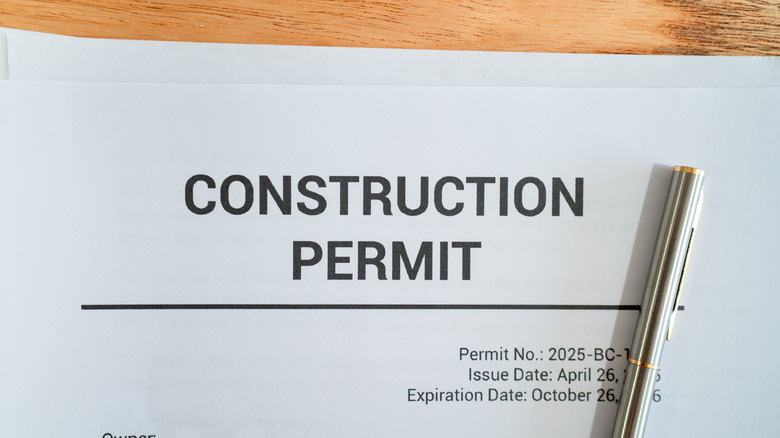
Over the course of a kitchen remodel, permits are generally required to ensure that all structural changes are in compliance with local laws. According to Mike Smyth, permits are not just additional paperwork — they are essential safeguards that protect the longevity of your investment. They are also viewed as an important cornerstone by insurance companies for addressing damage claims during renovations. "Skipping permits can lead to failed inspections, fines, insurance issues, and complications when selling the home," Smyth says. If your contractor downplays the importance of permits, there is a good chance that they may be cutting corners to save time and money. The liability is then borne by the homeowner in the long run.
If you are simply working on making cosmetic changes to the kitchen, such as painting the cabinets a new color, permits will probably not be required. But if you are planning on knocking down any walls, making major plumbing changes, modifying or adding new gas connections, or redoing the electrical wiring, you will need one. If your contractor cannot offer clarity on which conditions require a permit and which don't, it might be time to start exploring new leads.
Lack of post-project support

Just because the contractor has slicked on the last coat of paint and clocked out doesn't mean that the kitchen is livable just yet. It is only once you start using the space after a remodel that you may discover the need for minor fixes, such as cabinet hinges that aren't aligned quite right or touch-ups needed to the paint. Ensuring adequate post-project support can mean that you aren't left with unanswered calls after the handover is done.
Mike Smyth and Joshua Parrish both agree on one fact: A reliable contractor shouldn't disappear after the final payment is made. "Homeowners should expect a final walkthrough and clear warranty information at the end of a project. Support after a project can also be addressing minor adjustments, fixing any installation issues, or just answering questions after completion," Parrish says.
An easy way to tie up loose ends after the project is completed is to develop a punch list. Traditionally, this referred to a card detailing the minor tasks that the contractor had to complete before the project was considered finished. A hole would be punched for each completed task, hence the name. However, you can devise a digital version of the same to keep track of any modifications, adjustments, or realignments needed. Tasks such as clearing up construction-related waste can further ensure that the kitchen is clean after the contractor leaves and ready for everyday use.
Negative gut feeling

Over the course of a remodel, you will be handing over access to your kitchen as well as placing decisions with long-term consequences in the hands of your contractor. Mike Smyth believes that if something feels off, it often is. A negative gut feeling is often your brain's alarm system, alerting you to any potential risks that lie ahead. While intangible, you might observe this in the form of evasive responses, inconsistent promises, and a lingering sense of unease that something isn't adding up. Once you are in the trenches and the pressures of the remodel set in, the situation is unlikely to improve. Lack of professionalism in everyday conduct or pressure to make the full payment upfront can be other warning signs that it won't be smooth sailing ahead.
Instead of dismissing your intuition, there are ways to verify your gut feeling. "Ask follow-up questions, request clarity in writing, and compare multiple contractors," Smyth advises. "If concerns persist despite attempts to clarify, it's advisable to walk away." Don't be afraid to invite a neutral third party to your meetings to assess the situation, such as an interior designer, an architect, or someone who remodels frequently. "A remodel is a significant investment, and peace of mind is just as important as price or schedule," he concludes.