

7 Milk Recalls That Rocked The US
Milk has long had the badge of versatility. The liquid gold is poured into breakfast cereal bowls, lunch trays, and infant bottles worldwide, but from time to time, the veneer breaks. Within the past few decades alone, there have been major milk and dairy product recalls in the United States numbering in the millions of cartons, much of it associated with the risk of contamination, improper pasteurization, unhygienic milk plants, or exposure to harmful bacteria. Although the modern food chain has never been as controlled or sophisticated as it is today, the fact remains that the larger the industry, the larger the number of people affected if anything goes awry.
These days, it seems like there are more product recalls than ever before, and people seem to be noticing them more. The reason is not entirely perception, though. Better systems of surveillance and testing are definitely a reason why there seem to be more recalls than usual. Each recall is a reminder that "safe" food is never guaranteed and has to be protected from vulnerability.
In the late 19th and early 20th centuries, the country was engulfed by the grim "Swill Milk" scandal, where milk from infected distilleries was mixed with other substances to create a concoction for consumption by families, poisoning and killing thousands of children. The outrage over the mass casualty poisoning contributed to an increase in the enforcement of pasteurization across the country. Today's recalls prove the relevance of that history to modern practices and standards.
Horizon Organic spoilage (2025)
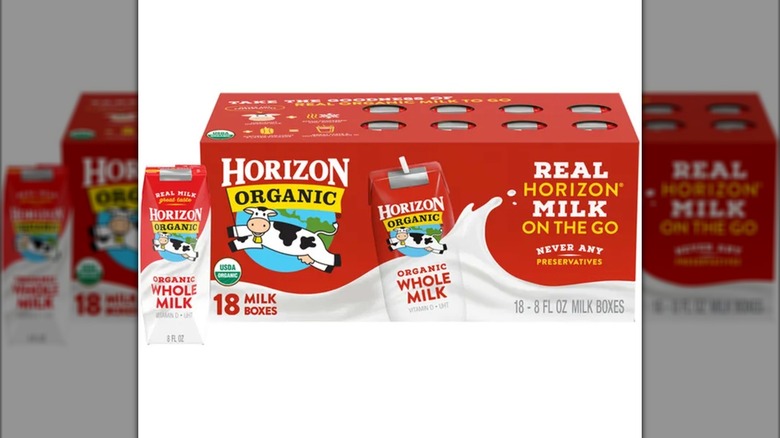
In January 2025, Horizon Organic Dairy, LLC initiated a recall including almost 20,000 cases of Horizon Organic Plain Whole Milk following a determination by the firm and the FDA that the milk may spoil prematurely during its shelf life. The recall, which was first initiated in mid-December 2024, was categorized by the FDA as a Class II recall on Jan. 17. Regulators consider the problem unlikely to cause serious health issues, although significant enough that consumers should take action to avoid affected products.
Affected organic milk was sold in 8-ounce aseptic cartons, individually and in 12-packs, with "best by" dates ranging from March 3 through March 7, 2025. Certain codes were used for the single units and 12-packs involved in the recall. Horizon Organic products bearing those codes and dates were distributed to retail outlets throughout Arizona, California and Nevada before the recall.
According to FDA listings, a total of 19,688 cases were involved, and the scope of the impact stretched across California, Nevada, and Arizona. It also did not report any confirmed illnesses or injuries linked with the consumption of recalled milk. Consumers who had bought the affected products were instructed either to discard it or return to the place of purchase for a refund. Retailers were asked to remove any remaining recalled cartons from their shelves, and although almost 20,000 cases is a drop in the bucket for Horizon's annual output, the recall was a significant disruption to the best-before dates for multiple markets.
Lactaid almond contamination (2024)
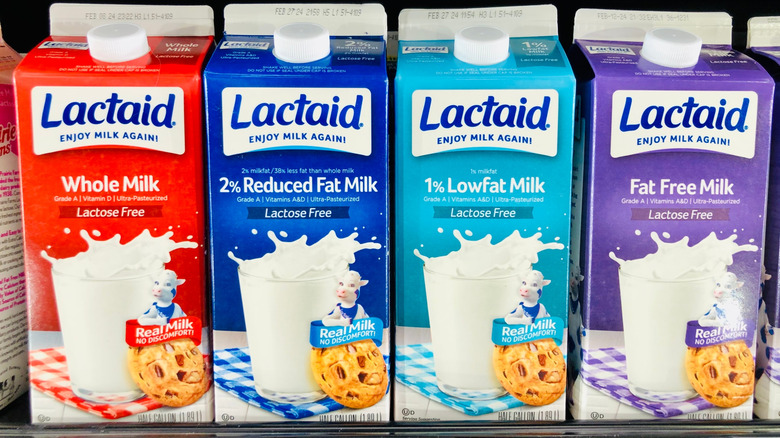
The company behind the popular lactose-free Lactaid milk brand issued a recall of several Lactaid milk products. This was after routine quality checks revealed a potentially serious labeling issue. Five different refrigerated varieties of Lactaid milk in 96-ounce cartons by HP Hood LLC, were recalled because they may've contained trace quantities of almond allergens not declared on the package. The products presented a danger to those with tree nut sensitivities who could experience a severe allergic reaction.
These products were distributed to retailers and wholesalers in approximately 27 states, including Alabama, Colorado, Florida, and New York, and the company went so far as not to specify the exact number of cartons recalled. The products all possessed the same lot code and would have been shipped between September 5 and September 18, 2024. Best-by dates are stamped on the top-center of the carton to aid consumers and retailers in identifying unit recalls.
Hood LLC, and regulators, said at the time that no illnesses or allergic reactions had been reported in conjunction with the recall, but because almonds are one of the major food allergens, exposure to even trace amounts could provoke serious or even life-threatening responses in sensitive individuals. It was recommended that consumers who purchased any of the recalled cartons check the lot code and best-by date and, if affected, return the product for a full refund or exchange. This incident has underlined that allergen mislabeling can occur even in products for those who have food sensitivities.
Raw Farm Salmonella outbreak (2023)
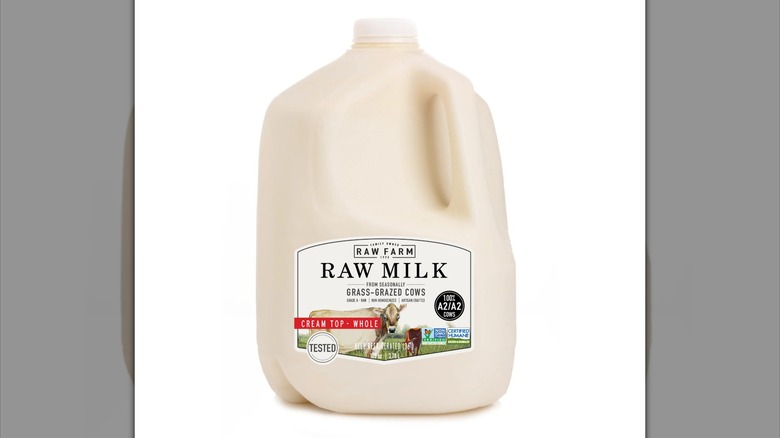
Between October 2023 and March 2024, a large-scale outbreak of Salmonella Typhimurium was investigated by health authorities in California. The outbreak was attributed to raw, unpasteurized milk supplied by a dairy-farming enterprise located within the Central Valley. Although it began with a few cases, the outbreak escalated to form a public health concern. The early signs of the outbreak occurred in October 2023 when local county health authorities notified the California Department of Public Health (CDPH) of a number of cases of salmonellosis that occurred in people who had consumed raw milk from a specific brand.
At the end of the outbreak period, 171 cases of probable and confirmed Salmonella illness had been attributed to the raw milk products. The majority of the sick, estimated at 70 percent, represented children and adolescents. Unsurprisingly, the farm decided to stop the production of its products, as well as recall its raw milk products in late October 2023, one week after the outbreak was detected. This was following laboratory testing that linked the bacteria in the milk and cheeses to Raw Farm.
At least 22 people had been hospitalized, with some displaying symptoms that included diarrhea, fever, nausea, as well as abdominal pain. This outbreak once again drew attention to the risk that comes with consuming unpasteurized milk, even if it comes from licensed producers. The CDC noted that messaging from health agencies regarding the dangers of raw milk and food-borne illness needs to continue to emphasize health risks.
Valley Milk Salmonella outbreak (2016)
Virginia-based Valley Milk Products LLC, a supplier of dry milk powders in Strasburg, Virginia, became the focal point of one of the largest dairy‑ingredient safety actions in recent U.S. history. This played out in late 2016, when federal authorities took action over concerns about Salmonella contamination. What set this episode apart was not a typical consumer recall of cartons off grocery store shelves, but rather a regulatory seizure and ripple effect throughout the supply chain, involving thousands of pounds of dairy ingredients used by other manufacturers.
The trouble began during a routine inspection in mid‑2016, when FDA investigators found evidence of Salmonella meleagridis. This strain is a pathogen capable of causing serious gastrointestinal illness in environmental swabs and possibly in finished dry milk products. Inspectors also noted poor sanitary conditions at the facility, including residues on processing equipment and water dripping onto production lines. These findings were serious enough that the U.S. Marshals Service seized more than 4 million pounds of dry nonfat milk powder and buttermilk powder, ingredients bound for use in baked goods, snacks and other products.
Though Valley Milk had resisted calls for a voluntary recall, the FDA effectively stopped distribution of the suspect powders. Over the subsequent weeks, several dozen secondary recalls followed from bakery brands and snack makers who used the tainted milk powder in everything from custard‑filled cakes to seasoned chips. No confirmed, related illnesses directly linked to the adulterated dairy ingredients were reported at the time.
Berkeley Farms penicillin contamination (2002)
By June 2002, California dairy product manufacturer Berkeley Farms had to conduct a massive recall. Contaminants in their milk and cream products, in the form of penicillin residues, were detected in routine testing carried out by the California Department of Food and Agriculture. Penicillin and other antibiotic drugs are often employed in treating infections in cows, but dairy product manufacturers are expected to withhold such milk until any trace antibiotics are removed before it can be sold to consumers.
The recall was of various packaged products marketed under various brands, including Berkeley Farms, Alta Dena, Ralphs, Good Day, Best Yet, Smart & Final, and others, with sell-through dates occurring late in June. The products included regular milks, reduced-fat milks, creams, half and half, chocolate milks, and whipping creams. The retail stores were told to take back the products, while consumers were advised to return the items to stores or discard them.
However, health authorities and representatives from Berkeley Farms clarified that there had not been any reported illnesses related to the contamination, even though penicillin can cause allergic reactions like skin rashes, fever, or worse. The absence of a 'tolerated' level for antibiotic residue in milk products raised the situation to a precautionary recall as soon as it was detected (like trace amounts of almonds). The event highlighted the value of monitoring for antibiotics in dairy processing and the importance of on-site production measures that prevent the entry of drug residues into the human food chain.
Nestlé Condensed Milk PCP contamination (1991)
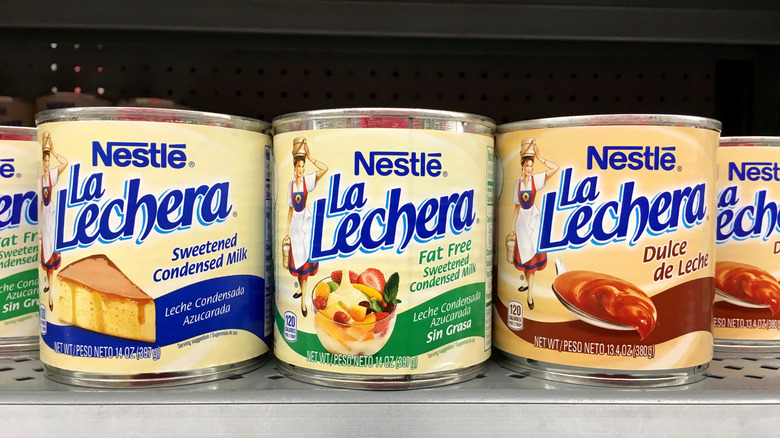
Nestle USA began one of the most bizarre dairy product recalls in U.S. history when, in March of '91, it removed almost 480,000 cans of its La Lechera sweetened condensed milk from supermarkets after a can containing phencyclidine (PCP!) was implicated in a poisoning case involving a family from Pasadena. The poisoning occurred when a woman, her daughter, and her two grandchildren were sickened after eating a bowl of rice pudding that had been prepared using this product. Both young children had to spend five days in the hospital after being admitted. The woman and her daughter also had to be hospitalized once they lost consciousness.
The local police and health departments warned consumers only after laboratory analysis had established that the container held a large quantity of PCP. Nestlé admitted that it knew nothing about any contamination that took place in either its plant or in the chain of distribution, but tests in other cans bearing the same production numbers did not turn up any others that had been contaminated in this way.
Even though this was an isolated incident, the company went forward with a nationwide precautionary recall by withdrawing every can of the affected condensed milk from the market to eliminate any possible risk. No one else fell ill from the contaminated milk aside from the family in Pasadena. Because this was an isolated incident, Nestlé suffered little reputational damage, but supplier safety standards have since become more robust.
Hillfarm and Bluebrook Salmonella outbreak (1985)
The Hillfarm Dairy pasteurized milk, sold as Hillfarm and Bluebrook, produced in Melrose Park, Illinois, led to one of the largest reported Salmonella outbreaks in American history, infecting thousands of people across the Midwest. The difficulties started in late March, 1985, when health departments began to see a cluster of cases involving people who consumed one-gallon containers of 2 percent Bluebrook milk with an expiration date of March 29. Soon after, the reported cases sharply increased, with health officials in early April seeing reports of serious gastrointestinal illness, such as diarrhea, fever, and stomach cramps, in people from Illinois to Michigan.
Initially, Jewel Food Stores, a grocery retailer that owned Hillfarm Dairy and distributed its products in over 200 grocery stores in the Midwest, removed the Bluebrook milk from store shelves. A request was made to return the product to the grocery store if opened or unopened containers were in customer homes.
Although the number of affected individuals began in the thousands, eventually more than 16,000 individuals became sick. In light of this, the company making the products, Jewel, chose to do something unprecedented on April 9 by closing the Hillfarm plant and withdrawing all dairy products manufactured at the location. Of course, the toll in human lives did not go unnoticed. There were reported deaths and even more who had to seek hospitalization. The incident underscored the fact that even pasteurized products can easily become carriers if post-pasteurization contamination or equipment failure occurs.