

8 Mistakes Home Cooks Make With Fish Sauce
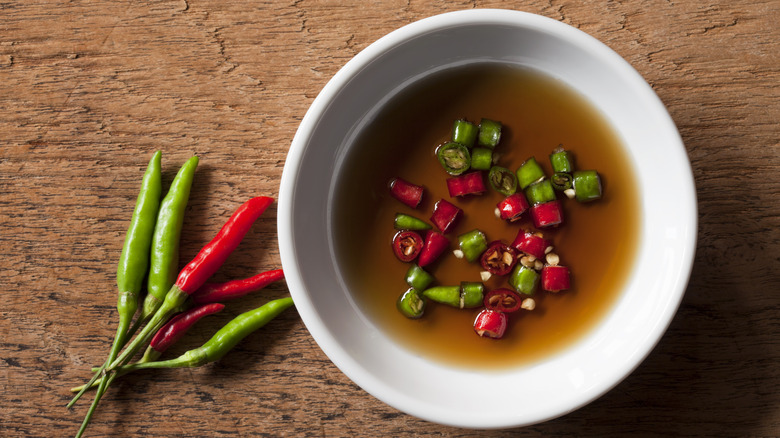
Fish sauce is one of those ingredients that can completely transform any dish it's incorporated into. Its bold umami flavor and saltiness make it a flavorful addition to a wide range of savory recipes, which is why we always keep some on hand. But whether you use fish sauce regularly or you're unsure of how to use it in your favorite recipes, there's probably plenty you don't know about the sauce, which makes it easy to make mistakes when stirring it into sauces, soups, pasta dishes, and beyond.
That's why we've talked to three chefs who use fish sauce in their own kitchens to get a better idea of some of the most common mistakes that home cooks make with fish sauce — and how you can avoid them yourself. Chef Sophina Uong, chef and owner of Mister Mao in New Orleans, LA; Claudia Syanny, recipe developer and food blogger at Butter Joy Kitchen; and Mark McShane, chef and food safety expert at Food Hygiene Certificate, all share fish sauce mistakes they've witnessed. By avoiding these mistakes and learning how to better use the ingredient, you'll understand why fish sauce should be an essential staple in your kitchen.
Over-reducing your fish sauce
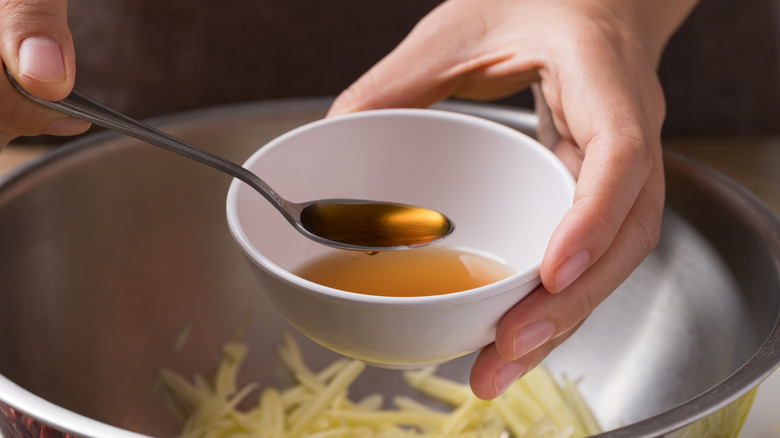
If you've ever tasted fish sauce on its own before, then you already know what a strong, intense flavor it offers. That boldness is what makes it shine in so many recipes, but it can also sometimes be too bold, masking the other, more delicate flavors you're working with. One of the ways that the flavor of fish sauce can become too strong in your dish is by cooking it down too much. "Over-reducing fish sauce makes it really salty and can be overpowering," explains Chef Sophina Uong of Mister Mao. This happens when you cook the sauce for too long, causing it to lose some of its moisture and become more concentrated in the dish.
That lovely, savory saltiness that fish sauce is known for can become really strong, especially if you've already incorporated other sources of salt into the recipe. Plus, fish sauce's signature funkiness can also become a bit too pronounced if the sauce is reduced too much. Therefore, you should be careful about how much you're reducing your fish sauce for the best possible results. Adding more bulk to the dish in the form of meat or vegetables can also make the dish a bit more balanced.
Using too much fish sauce
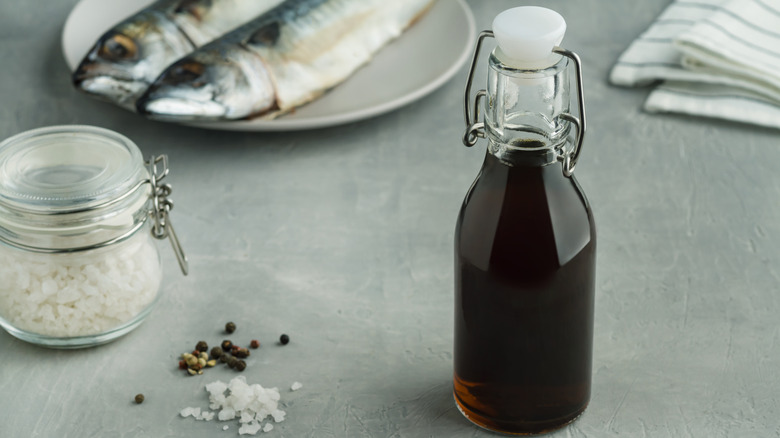
A little bit of fish sauce in a dish can instantly make it taste better, saltier, and more complex, with a funk you just can't achieve with most other ingredients. But too much fish sauce in a dish can make the dish taste, well, fishy, with a level of saltiness that doesn't enhance anything. That's why Chef Mark McShane says that it's a mistake to use too much of the stuff. "Fish sauce is a very strong flavoring and if you put too much of it at once, it can spoil the dish by making it taste either harsh or too strong."
If you're not too experienced when it comes to cooking with fish sauce, McShane advises adding it to your dish slowly, tasting as you go to ensure "that the umami has time to soften and become one with the other ingredients." Luckily, he says, you can balance a dish that's been spiked with too much fish sauce by adding in sources of "acidity, sweetness, or fat." He suggests ingredients like lime juice, sugar, and coconut milk (and its many uses).
Treating fish sauce like soy sauce

A lot of people who haven't used fish sauce very much seem to think that it can be used in much the same way as soy sauce. Admittedly, they do have some similarities, both offering intense saltiness along with an umami quality and a versatility that means it works well in many different dishes. However, fish sauce is not the same thing as soy sauce, and it's a mistake to treat fish sauce like it can be used interchangeably with that bottle of soy sauce you may have lying around.
Unfortunately, Claudia Syanny of Butter Joy Kitchen says that this mistake is one that's all too common. "Fish sauce is far more concentrated and aromatic," she explains, "so using the same quantity can easily overpower a dish." If you haven't used fish sauce before, you may want to follow a recipe that tells you exactly how much you should add. And if a recipe calls for soy sauce, don't assume that you can swap in fish sauce (or vice versa) and have it taste the same.
Adding fish sauce to your dish at the wrong time
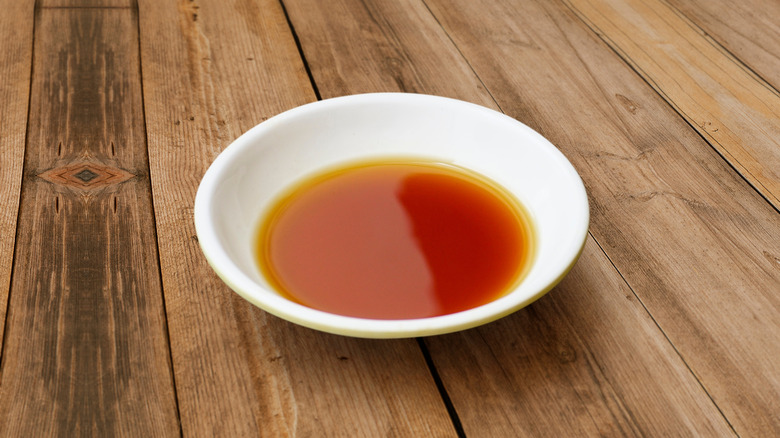
How much fish sauce you're using matters, of course, but when you add it, is also important in determining how it tastes in your finalized dish. In a lot of cases, you may not want to add it to your dish right before you're ready to serve it. "Another common issue is adding fish sauce at the wrong time," Claudia Syanny explains. "When used raw or added too late, it can taste harsh and overly pungent. In Southeast Asian cooking, fish sauce is often cooked briefly to mellow its sharpness and blend it into the dish."
Of course, there are some recipes in which not cooking the fish sauce isn't actually a mistake. For example, if you're making a Vietnamese dipping sauce based on fish sauce, you may not cook it at all. When in doubt, though, it's generally a good idea to give the fish sauce time to meld with the other ingredients during the cooking process so as not to develop too overwhelming a flavor in your finished dish.
Storing your fish sauce in the pantry
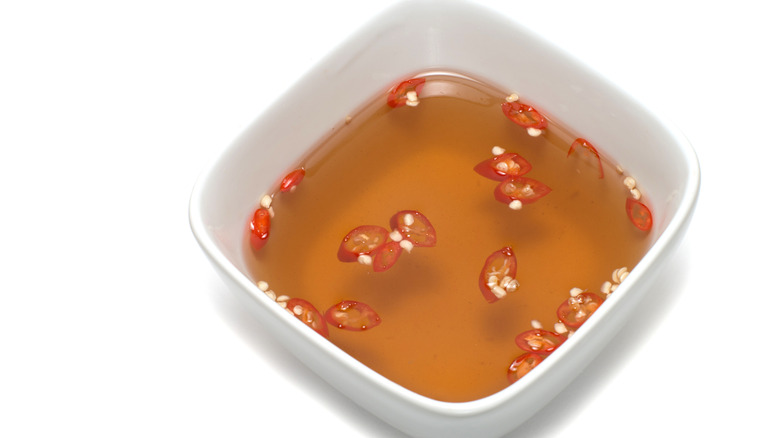
Knowing how to use fish sauce is important, but so is knowing how to store it. Although you may assume that you can keep fish sauce in the pantry (or even out on the counter if you use it enough), that's actually not always the case, and keeping it in either of these places can be a big mistake. It's not that the fish sauce will go bad if you keep it at room temperature; in reality, as long as you store it in a cool, dry space (like your pantry should be), then fish sauce keeps well for about six months.
However, when fish sauce is kept at too high a temperature for long enough, gases build up inside the bottle. In turn, these gases can seep into your pantry, infusing the space with a strong, somewhat fishy smell, and that's probably not what you're going for. Instead, keep your fish sauce in the fridge. Not only will this prevent those gases from forming and making your pantry smell less than fresh, but it'll also extend the shelf life of your fish sauce.
Not balancing the fish sauce with other ingredients
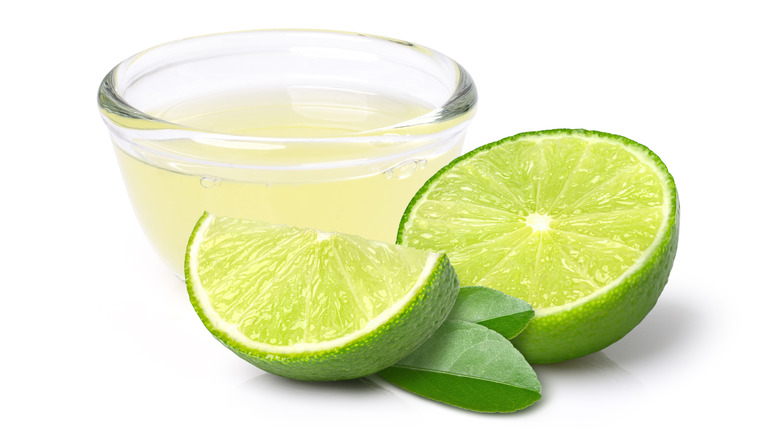
If you've ever tasted fish sauce on its own, then you know that it can be somewhat of an overwhelming flavor. So why, then, does it taste so good once it's added to a dish? Well, it's really all about balance, which is why not balancing the flavor of fish sauce with other ingredients is one of the biggest mistakes you can make with this ingredient. "Home cooks also overlook balance," advises Claudia Syanny.
Therefore, in most recipes where fish sauce is employed, you'll want to make sure you have some other ingredients on hand to create that balance you're looking for. "Fish sauce works best when paired with sweetness (like palm sugar or brown sugar) and acidity (lime juice or vinegar)," says Syanny. "Without that balance, dishes can taste flat or overly salty."
Rice vinegar tends to work well with fish sauce, and fruit can also work as a sweetening agent. Experiment with different sweet and acidic ingredients you already have in your kitchen to create that perfect balance that makes fish sauce shine.
Only using it in Southeast Asian dishes
Fish sauce hails from Southeast Asia, so many cultures in this area feature the ingredient in some of their most beloved dishes. If you're preparing a Southeast Asian dish that usually contains fish sauce, you should absolutely use it. But you shouldn't assume that fish sauce only goes with food from these cuisines. In reality, fish sauce is an incredibly versatile ingredient and can be used to infuse lots of dishes with a pop of flavor.
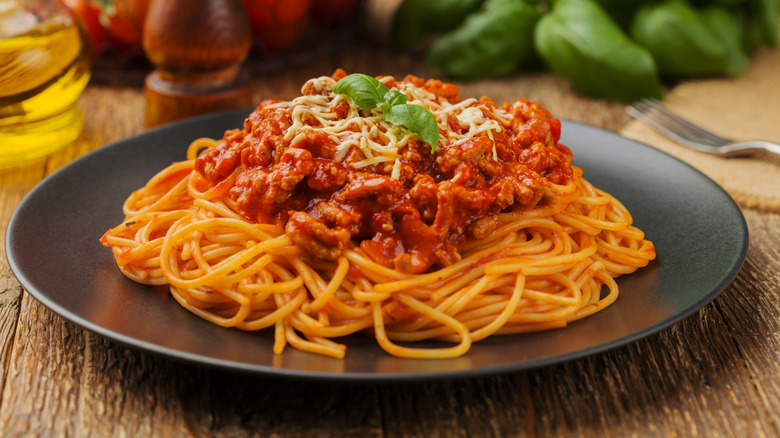
Some creative ways to use fish sauce include stirring it into a bolognese sauce, where it adds an interesting complexity to the dish, and adding it to chicken noodle soup for a richer, bolder flavor profile. You can also use it in meatball and burger mixtures, in a Bloody Mary mix, and in a vinaigrette to drizzle over salads. It even tastes good in a caramel recipe to counteract that intense sweetness. The uses for fish sauce can be endless, so experiment with it in different recipes.
Assuming that all fish sauces are the same
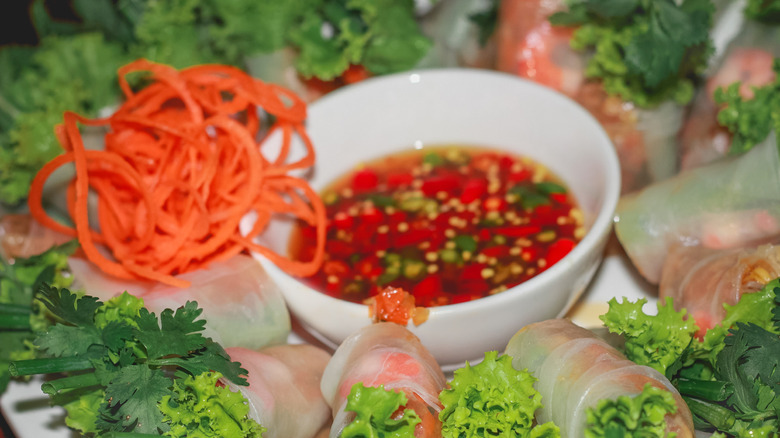
Have you tried fish sauce before and assumed that it just wasn't the ingredient for you because you didn't like the way it tasted? You're not alone. But you should know that it's a mistake to assume that all types of fish sauces are the same. You may have simply come across a variety or a brand that doesn't do it for you. "Not all fish sauces are the same," says Claudia Syanny. "Brands vary widely in saltiness, fermentation time, and aroma. Using a high-quality fish sauce and adjusting quantities gradually makes a huge difference."
Nuoc mam, the kind of fish sauce that hails from Vietnam, and nam pla, or Thai fish sauce, are two of the most commonly used varieties in the United States. However, if you can get your hands on them, you should also try fish sauces from Myanmar, Malaysia, the Philippines, Cambodia, Korea, and beyond to better understand the subtle flavor differences between them.