

5 Refreshing Drinks Without Caffeine Or Sugar To Enjoy Any Time Of Day
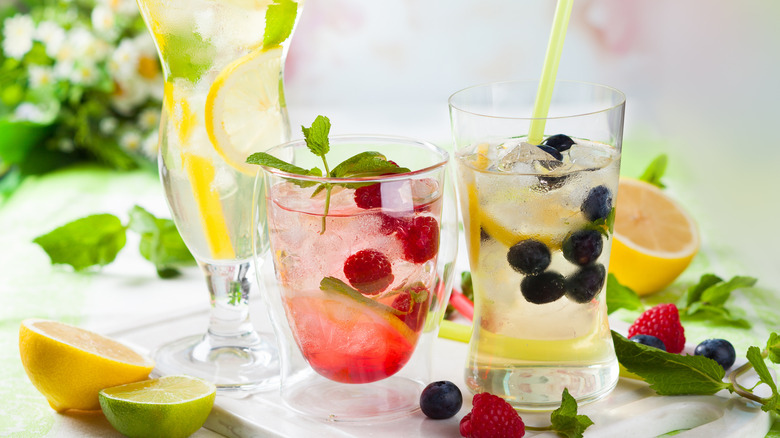
"Water is the first medicine" is a saying that floats through indigenous and folk-medicine traditions. One interpretation of the wisdom is that you're feeling off, try drinking water first then assess the situation. No body function is optimal if under-hydrated. Before supplements, before stimulants, before even the idea of energy, the body needs hydration to do almost everything well. That's where these refreshing, sugar-free and caffeine-free drinks come in. And the good news is they're all delicious, and could easily become your go-to sip instead of too many high-caffeine, high-sugar (or sugar-substitute) beverages.
A lot of people don't like drinking water. Often plain water doesn't register as rewarding in the same way coffee, soda, or juice does. Over time, it's easy to fall into a pattern of sipping sugar or caffeine all day instead, both of which trigger reward centers in the brain, to the point of being habit-forming. That habit comes with tradeoffs.
Liquid sugar hits the bloodstream hard and fast, because there's no fiber, fat, or protein to slow it down, which can lead to spikes and crashes, the cycle of which just increases cravings. These drinks are also rough on teeth, often bathing them in acid and sugar. Then there's caffeine: Research suggests caffeine's half-life can stretch to ten hours, meaning that afternoon coffee can still be active in your system into bedtime. While these drinks aren't bad in moderation, they're not neutral and hydration becomes something you're chasing around the edges. Instead, switch to one of these tasty alternatives for your through-the-day drink, to make hydration more appealing.
Herbal iced tea
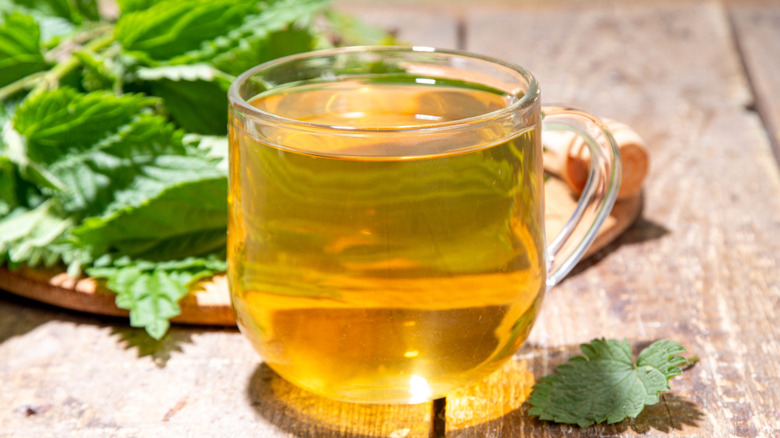
Herbal tea is one of the easiest ways to make water more interesting without adding sugar or caffeine. The key is restraint. Peppermint is cooling, hibiscus is tart, ruby-red, and super high in vitamin C, chamomile turns gently floral but still sweetly calming over ice, and nettle brings a grassy minerality that tastes delicious and satisfying when chilled. Any tea can be chilled, and there are many interesting delicious herbs to explore with this method — rose petal, linden leaf and flower, lemon balm and skullcap, to name a few.
It can also be fun to experiment with combinations, and many herbs are also very easy to grow at home. Because they haven't been heavily domesticated, they thrive in pots and small garden beds, producing prolifically without a lot of fussing or oversight. Growing your own mint, lavender, or chamomile can make your glass of herbal iced tea into something relational and intentional. Brew the tea a little stronger than you would drink it hot, then chill it fully before serving. Over ice, these teas taste refreshing, not bitterly medicinal. They're easy to batch, by making a large amount which keeps well in the fridge, so it's cold and accessible for when you need it.
Savory seltzer (fizzy spa water)
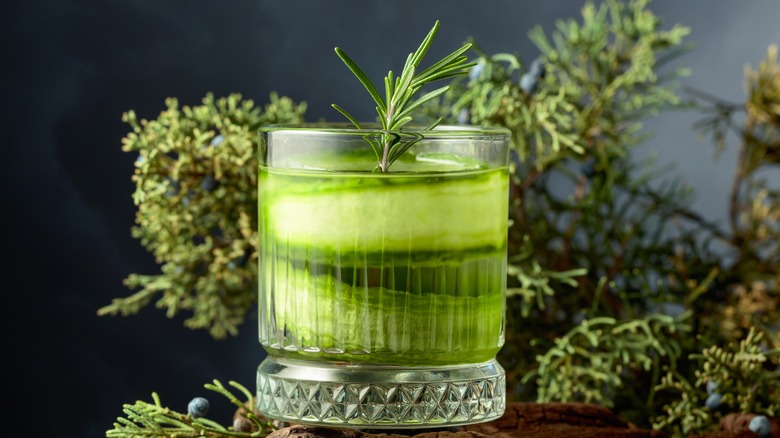
Sweet, citrusy soda flavors dominate the market because they're familiar, but they aren't the only way for a crisp, bubbly bev. Savory flavors can be just as refreshing once you let them count as beverages rather than garnishes only. Think like a cook. A slice of cucumber with a cracked peppercorn or two tastes like slightly spicy spa water, a bay leaf or sprig of rosemary brings subtle, sophisticated depth. A small splash of olive brine and a few celery leaves turns plain bubbly water into a salty-savory-seltzer-y party.
The neuroscience of carbonation is interesting to note. The fizziness stimulates the trigeminal nerve, which is responsible for sensations like spiciness and pressure. That stimulation feels novel, so it's energizing and attention-grabbing, which is partially why sparkling water might feel like it wakes you up more than still water, even without the spike-crash loop added sugar and caffeine contribute. The savory-flavor possibilities are endless. Try lavender with lemon peel, some thinly sliced fresh fennel with a sprig of verbena, or grapefruit peel with thyme or a cinnamon stick. These drinks refresh through aroma and carbonation, and they're especially good in the late afternoon when you want something with a stimulating mouthfeel that won't spike or drain your energy.
Shrubs
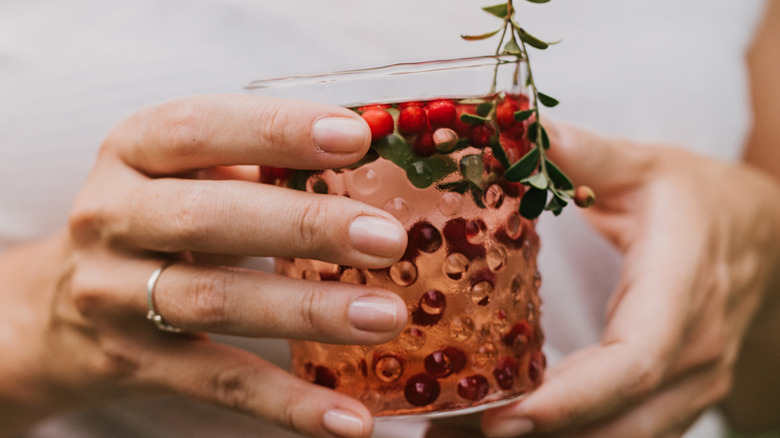
Shrubs are old-fashioned drinking vinegars made from fruit and vinegar, developed as a way to preserve the harvest before refrigeration. They still work, even if you aren't a homesteader or a full-time forager; if you happen to see blackberries or raspberries on a super-sale during the high season, that's an opportunity to make a shrub. You can use most fruits, from berry to melon, stone to tropical, and play around with adding herbs and spices, like rosemary or ginger. You can buy shrubs pre-made, or make your own by macerating fruit with vinegar, then straining. While shrub recipes often use sugar, you can make your own without it, or at least ensure you don't use too much — after all there are 39 grams of sugar in a can of Coca-Cola, so it should be easy to cut back.
A lightly diluted shrub before a meal can feel like setting the stage for food, because the acidity helps encourage bile production, which wakes up the appetite. They're also a smart late-afternoon option, when energy tends to dip and sweet or caffeinated drinks will just make you jittery. To make a shrub drink, stir a teaspoon or two into a tall glass of ice or sparkling water for a tangy and thirst-quenching result. Vinegar has long been valued for its digestive-aid effects, and research suggests it may help blunt blood sugar spikes when consumed before sugary or carb-heavy meals. Still, it's acidic, so it's smart to use a straw, and rinse your mouth or brush your teeth about an hour after.
Beet kvass
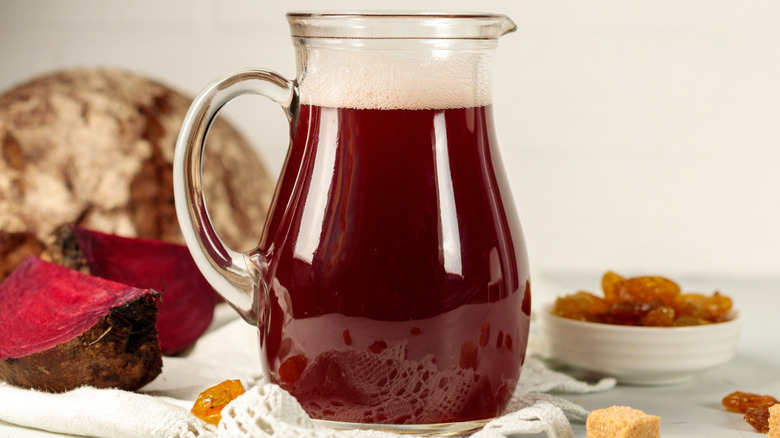
Kvass is a lightly fermented, old-world tonic drink with roots in Eastern Europe, made for over a thousand years from beets, salt, and water. Fermentation introduces beneficial bacteria making minerals and nutrients more bioavailable. It's sour, earthy, and gently savory, with a natural fermenty-fizz when fresh. Like shrubs, kvass works best here as a concentrate, not something to drink straight (although you can if you really want to). To use it, dilute a shot or two in iced or sparkling water.
Kvass does have a strong ... personality. It might not be for everyone, and that's okay. It's unabashedly tangy, earthy and vegetal, so it tends to appeal to people who already love savory-sour foods and the flavors of living probiotics, like in pickles, olives, sourdough and sauerkraut. The salt and low amount of natural sugars from the beets mean the drink performs the same physiological function as an electrolyte-replenishing drink, which means it tastes especially refreshing after working out or sweating in the sauna. You can buy beet kvass ready-made, or make it at home in a big batch, very simply, by fermenting chopped beets in salted water for a few days. Stored in the fridge, it's another option in your rotation, a savory sip that makes hydration a little bit more compelling.
Bitters in ice water
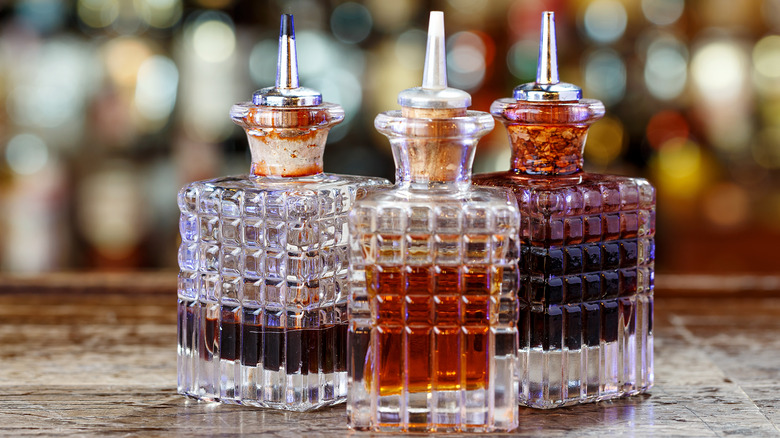
Way before the craft cocktail craze, bitters were originally developed as medicinal tinctures. They're highly concentrated infusions of roots, barks, herbs, and spices, whose properties and flavors are drawn out by a long soak in high-proof alcohol, and are meant to be used sparingly. A few drops go a long way, because they're, well, bitter.
In water, you can consider bitters as kind of like a seasoning. A couple dashes in a glass of still or sparkling water adds aroma and structure, and feels somehow sophisticated. Gentian, orange peel, cardamom, and wormwood all stimulate the palate and can have soothing effects on the digestion and bile production system. They can also be helpful after a big meal; bitter tasting foods and drinks help to encourage the gallbladder to produce bile, which helps break down fat.
Bitters are widely available pre-made, but they're also easy to make at home if you're inclined, by steeping roots, barks, peels, and aromatics in alcohol for several weeks, then straining. Because you only need a couple of dashes, the alcohol content is negligible. When sweetness gets cloying, bitterness steps in, and drinking water becomes pretty interesting.