

The Important Role Of Folate And Folic Acid In The Foods You Eat Daily
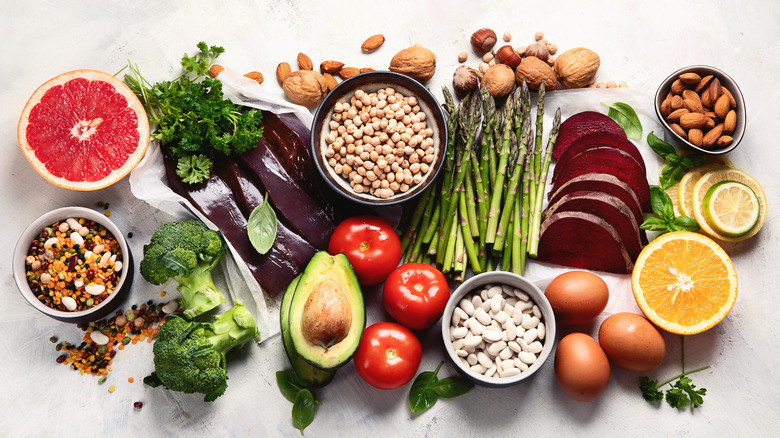
You might have heard that folic acid is an important supplement for pregnant women, but the truth is that this vitamin is essential for everyone regardless of age or gender. Folate is also known as vitamin B9, and is called folic acid in its synthesized form –- where it's used in supplements and fortified drinks and foods. Folate is essential for producing new cells in the body, including blood cells and brains cells, and for helping these cells to stay healthy.
In combination with vitamin B12, folate also helps nerves to function correctly. There is also some evidence to suggest that folate can help to treat depression and reduce the risk of some cancers. Although folate deficiency is rare, it can cause unpleasant symptoms including fatigue, confusion, mouth ulcers, memory loss, and shortness of breath.
Getting sufficient folate during pregnancy is crucial, as it helps to form DNA and grow the cells needed for the baby's spine and brain. A lack of folic acid in early pregnancy in particular can lead to birth defects including spina bifida. As well as paying attention to foods to eat during pregnancy, doctors advise taking folic acid supplements to reach 800 mg of folate per day. Adults not planning to get pregnant should aim for 400 mg of folate per day.
How to increase folate in your diet
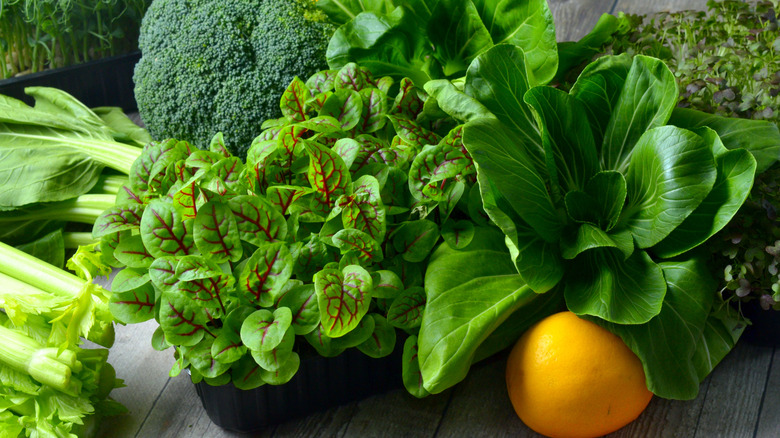
Folate can be found naturally in a wide range of foods, and if you eat a balanced diet, you will generally meet your daily requirements. Some of the best sources are fruits and vegetables, so it's easy to get enough folate even on a plant-based diet. Legumes and beans, for example, are cheap powerhouse ingredients to turn to for easy and nutritious meals, with a ½ cup of cooked lentils containing 181 micrograms of folate and 172 micrograms of folate in a ½ cup of cooked garbanzo beans.
Dark green vegetables are another good source of folate, particularly spinach (131 micrograms per half cup cooked) and broccoli (108 micrograms per half cup cooked). Other vegetable sources include beets, Brussels sprouts, avocado, and asparagus. Folate in fruit can be found in citruses, bananas, and papaya. The food with the highest concentration of folate is beef liver, with 215 micrograms per 3-ounce serving, but should be avoided during pregnancy due to the high levels of vitamin A.
To make things easier, Tasting Table has rounded up a couple of recipes and hacks that will help you hit your folate goals for the day. Miriam Hahn's kale and roasted beet salad recipe packs in folate from the kale, the beets, avocado, and the lemon juice dressing, and the trick for making broccoli cheddar soup creamy and high protein involves adding pureed butter beans that will boost the folate without affecting the taste.