

Italian-Made Pasta Is Safe From Massive US Tariffs — For Now
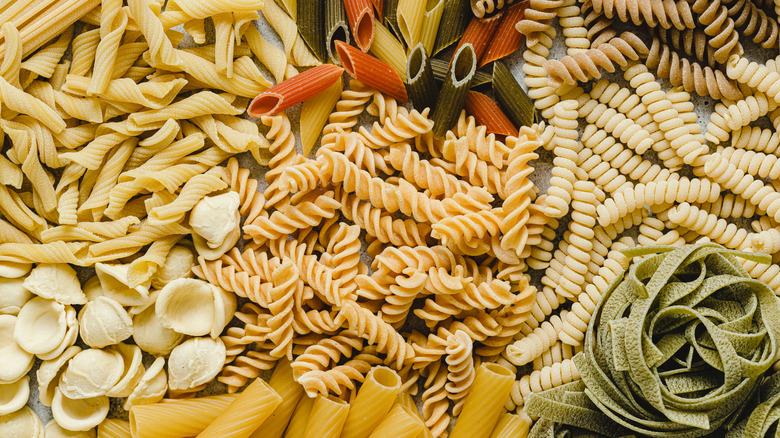
There's great news for home chefs who prefer imported Italian pasta over American brands. Amid concerns that tariffs could kick favorite Italian pasta brands out of grocery stores, the United States has reversed course after completing an initial review of the alleged U.S. pricing practices of 13 Italian pasta brands. Higher pasta tariffs were initially passed by Congress in September, with the U.S. imposing a 92% anti-dumping duty on top of the existing 15% tariff on products imported from the EU, citing concerns that Italian pasta prices were too low.
Anti-dumping duties are designed to protect American industries from unfair competition from foreign companies selling products that are lower than the fair domestic price. A spokesperson from the U.S. Department of Commerce says that the decision was made after careful analysis of each company's practices, and that a "post-preliminary analysis indicates that Italian pasta makers have addressed many of Commerce's concerns raised in the preliminary determination," according to Reuters. For shoppers concerned about how steep tariffs could affect grocery costs, this news is a welcome reprieve.
La Molisana and Garofalo are the two biggest importers of pasta to the U.S. among the 13 affected by the previous tariff increase. The new tariff imposed on La Molisana is 2.26%, while Garofalo is responsible for 13.98% and the remaining importers will be required to pay a 9.09% duty. This news comes two months after it was announced that proposed tariffs on red meat, coffee, and other imported foods would not proceed as planned, and follows the recent decision to postpone proposed duty increases on imported furniture.
How long the reprieve lasts depends on a final review in March 2026
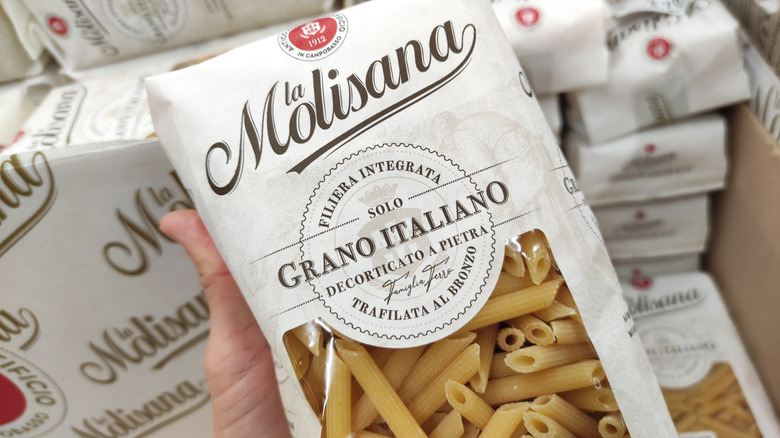
Though these Italian pasta imports are safe from prohibitively high tariffs now, it's important to note that this reprieve is the result of preliminary reviews by the U.S. Department of Commerce. The final conclusions of these reviews will not be made public until March 2026, and it's possible that some of the pasta brands under scrutiny will still face additional tariffs. This could result in higher taxes imposed on American importers and an increase in pasta prices in stores.
A final decision will be made as to long-term tariffs on imported pasta from Italy on or after March 12, 2026. In the meantime, the European Commission has stated publicly that it is ready to intervene in negotiations to pave the way for fair rates. While some global brands saw tariffs coming and figured out how to avoid them by moving production facilities out of China, that approach won't work for Italian food importers. However, it's possible that pasta importers will be able to negotiate a favorable long-term solution by adjusting pricing on U.S. products indefinitely.