

The Ultimate Guide To Mustard Powder
We may receive a commission on purchases made from links.
If you're like a lot of home cooks, your organized spice rack is probably filled with many everyday spices that you find yourself using over and over again. For many of us, salt and black pepper are essential in a wide variety of meals, and perhaps you pull out the garlic powder, smoked paprika, or crushed red pepper frequently as well. But depending on the kinds of dishes you tend to cook on a regular basis, you might find yourself scratching your head when it comes to that shaker of mustard powder. What are you supposed to do with it, anyway?
Mustard powder can function as an incredibly important spice in a wide array of dishes, and knowing how to work with it can yield tastier meals —and ensure that it doesn't just go stale after years of hanging out on your spice rack, unused. Take a closer look at this guide to learn more about mustard powder and how you can use it in your cooking.
What is mustard powder?
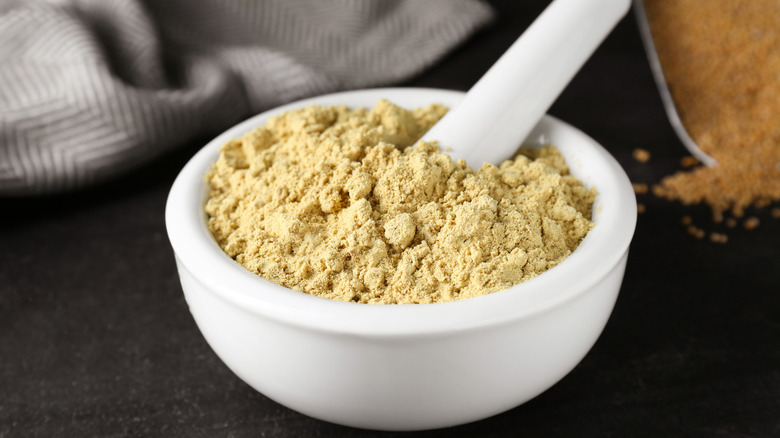
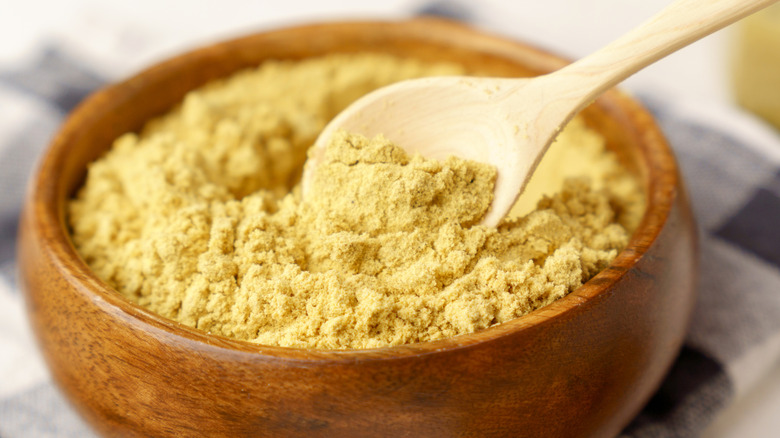
So, what exactly is mustard powder, anyway? Well, it's essentially just mustard seeds (which come from all over the world, but are widely produced in Nepal specifically) that have been crushed until they turn into a powder. Mustard seeds come from a type of plant that's related to cabbage and Brussels sprouts, which is why mustard powder can have that bold, almost bitter intensity on the flavor front. Once the mustard seeds are turned into a powder, it can be added to dishes to supply them with a sharp, almost spicy flavor note with a hint of tang. If you've never worked with mustard powder before, just imagine the flavor of the prepared mustard you have in the fridge — it's quite similar, although much more concentrated.
Mustard powder has been in use since ancient times, with some early civilizations using it for both culinary and medical applications. These days, it's a useful spice to have in your spice rack, especially if you want to lend your savory dishes sharpness and complexity.
How is mustard powder made?
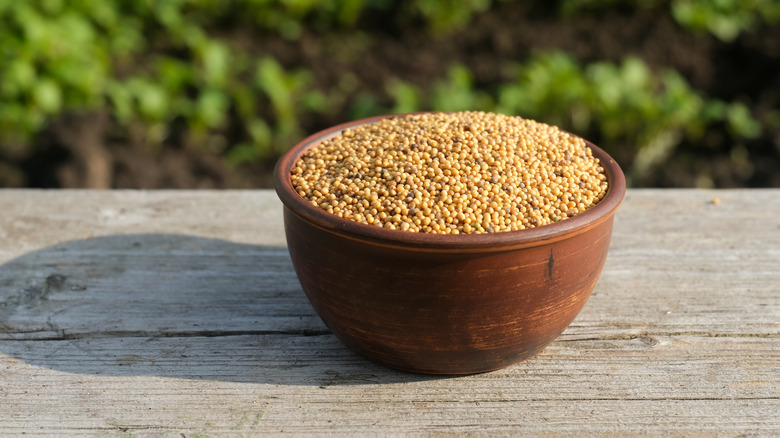
While some spices — like saffron, for example, the most expensive spice in the world — are notoriously difficult to produce, the same can't really be said for mustard powder. Essentially, mustard seeds are just ground down until they produce a powder that's fine enough to be sprinkled into recipes. In fact, if you have a spice grinder at home, you can easily make your own mustard powder yourself. And even if you don't have a spice grinder, you can always use a blender or even a coffee grinder for similar results.
Sometimes flour and turmeric (for color) are added to commercially-produced varieties of mustard powder. Another step of the production process involves how long the mustard ages — the fresher it is, the more bite it'll have. Overall, it's a relatively straightforward product that doesn't require a lot of complicated steps to get from the plant stage of production to the spice rack in your kitchen.
Mustard powder vs. prepared mustard
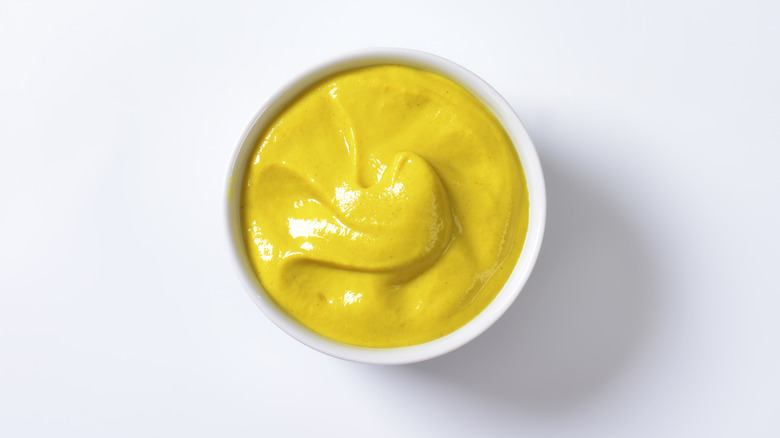
Chances are you have a bottle of prepared mustard in your fridge. Perhaps you're a yellow mustard person, with your favorite mustard brands you use on hot dogs or burgers, or maybe you're more of a fan of Dijon mustard. Either way, it's an essential condiment to have on hand to add to sandwiches and beyond. But how does it differ from powdered mustard? Well, like powdered mustard, prepared mustard is largely composed of mustard seeds. However, it also contains other ingredients — notably, vinegar, but also spices like paprika, garlic, and turmeric (which is what gives yellow mustard that bright, bold color).
One other difference you'll notice between mustard powder and prepared mustard is the fact that mustard powder is much hotter than the prepared stuff. And if you think that adding water to powdered mustard will essentially make prepared mustard, think again — the results are likely to be bitter. If you want to create a sort of mustard paste with mustard powder, add some vinegar to the mix to brighten things up.
What does mustard powder taste like?
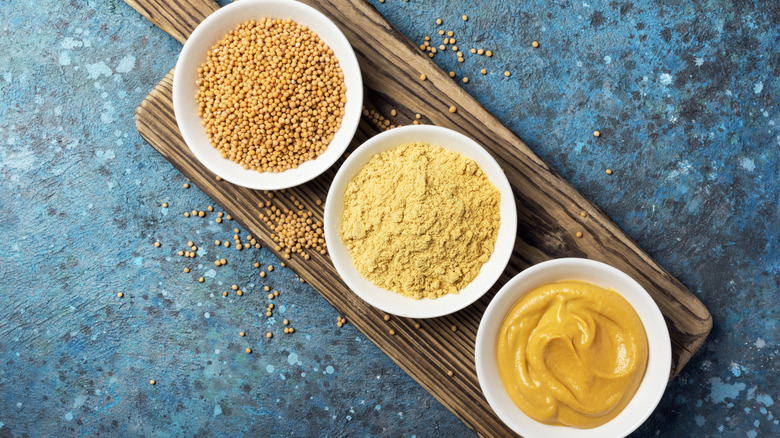
If you're the kind of person who loves bold flavors, then mustard powder is probably right up your alley. This is an intensely flavorful ingredient that can bring a pop of sharpness to just about any dish. It's often described as being sharp and somewhat hot, with a spiciness that hits you in the back of the nasal passageways instead of on the tongue. In that way, mustard powder has a quality to it that's similar to that of horseradish and wasabi. If you like the punch of those ingredients added to your dishes, then mustard powder is an ingredient that you'll want to explore more.
At the same time, since mustard is related to the Brassica family (think cabbage and Brussels sprouts), it also has a slight bitterness to it. In the right dishes, that degree of bitterness can be transformative, offering the dish a complexity and depth you wouldn't be able to achieve without it. But be careful about how much you use — it can easily overpower other ingredients that you're working with.
How to cook with mustard powder
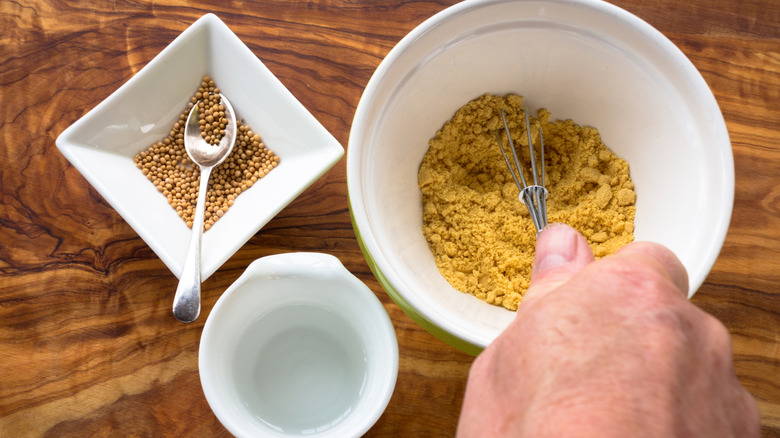
Despite its signature flavor intensity, mustard powder is actually a pretty versatile ingredient that can be used in a wide variety of contexts, making it a must-stock item in your spice rack. First of all, you can sometimes use it as a replacement for Dijon or whole grain mustard in some recipes. Just keep in mind that it's lacking the moisture and acidity that prepared mustard provides, so you'll have to find a way to incorporate those flavor notes if you want to stay as true as possible to the recipe you're whipping up.
But that's not all you can do with mustard powder. We think it makes a particularly tasty spice rub — use it on pork for added complexity, or on tofu or tempeh for a bold flavor that can easily take your dish to the next level. You can also stir it into salad dressings or marinades, but be sure to add it slowly, tasting as you go, since it can easily steal the starring role, thanks to its pungency. Sprinkle some on roasted vegetables to make your side dishes that much more interesting. Once you get a good sense of how mustard powder tastes, you'll find that you can use it just like any other spice to enhance flavor and build flavor in recipes.
Where to buy mustard powder
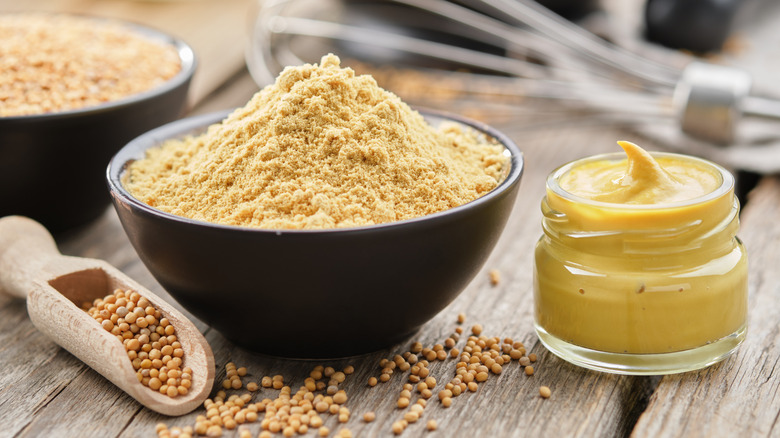
Luckily, mustard powder isn't hard to find, so if you want to start experimenting with it in your own cooking, you can pick it up in the spice section of pretty much anywhere you go grocery shopping. And since mustard powder stays good in your pantry for about three or four years (depending on its proper storage), you can buy a bigger container of it if you think you'll use a lot of it. Of course, if you're just experimenting with the ingredient or need it for a single recipe, you might want to get a container with less quantity. Not sure which brand to get? Colman's Mustard tends to be a good option if you're looking for quality.
Don't want to go to the grocery store? No worries. You can also snag mustard powder online. Since it's a dried spice product, it ships easily in the mail.
Purchase Mustard Powder, Medium Heat on The Spice House for $5.99.
Purchase Colman's Dried Mustard Powder (pack of three) on Amazon for $12.99.
Nutritional information about mustard powder
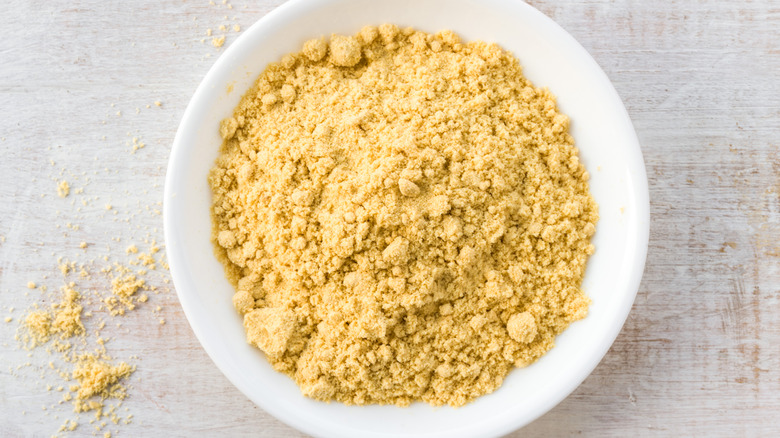
Mustard, including mustard powder, has some nutritional benefits that make it even more appealing to add to your diet. It boasts antioxidants like carotenoids, isorhamnetin, and kaempferol, which can help prevent disease, like type 2 diabetes and heart disease. There is also some evidence to suggest that it can protect you from cancer, high blood sugar levels, and even psoriasis, an uncomfortable skin condition. We wouldn't necessarily suggest canceling your health insurance in favor of ingesting a ton of mustard powder, but it's good to know that this flavorful ingredient may be beneficial to your health, in addition to providing your food with an extra layer of flavor.
Additionally, mustard powder is known to contain high levels of selenium, omega-3 fatty acids, and magnesium, which together can support your immune system, nerve function, bone health, and reduce inflammation. Eating a varied diet with a wide variety of nutrients is important for your health, and adding mustard powder to your diet can ensure you get an extra dose of nutrition with your next meal.
How to store mustard powder
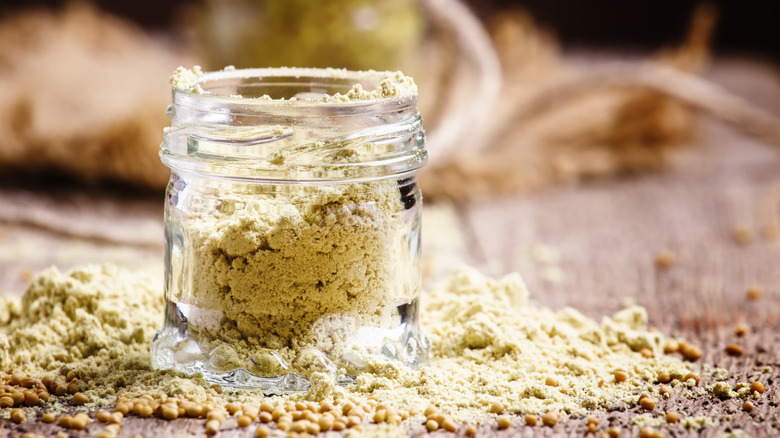
When you're thinking about how to store mustard powder, you first need to think about how much you're using on a regular basis. If you're like most people and only use mustard powder for a few, select recipes, then it may be a good idea to buy it in a smaller quantity. This is because after some time, mustard powder can start to lose its potency, even if you do store it properly. Once you have the ingredient in your possession, it's best to keep it in a cool, dry place so it stays good for as long as possible.
This means that the spice rack you have sitting out on your kitchen counter probably isn't the best place to store mustard powder. Additionally, you'll want to keep it away from the stove, where fluctuations in heat can affect the temperature at which it's stored. Follow these few guidelines, and your mustard powder will stay fresh for months to come.