

19 Frozen Pizza Recalls That Rocked The United States
We may receive a commission on purchases made from links.
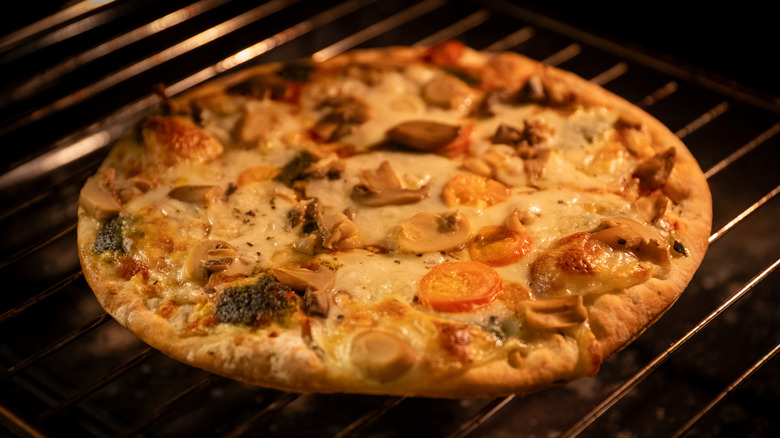
Pizza is one of America's favorite things, and frozen food is one of the modern world's greatest conveniences, so it's no wonder that frozen pizza is so popular. Once companies figured out the details of making a good-quality frozen pizza, the rush was on.
Admittedly, some frozen pizzas are better than others; that's just how it is with any product. But in a perfect world, we should be confident that whether a frozen pizza is good, bad, or mediocre, it's safe to eat.
The unhappy truth is that even in the tightly controlled food industry, mistakes sometimes happen, and those lapses can lead to recalls. Recalls can feel almost like a personal betrayal when they affect a food you love, and realistically, just about everyone loves pizza. We've verified 19 frozen pizza recalls so far this century, affecting companies both large and small, that shocked the nation's pizza lovers.
Table 87, 2019
Frozen pizza is a big sector in the modern food industry, and it's increasingly mature. That means you'll find a wide range of pies in your freezer case that fill various niches, from gluten-free and low/no-carb options to upscale pizzas using artisanal ingredients.
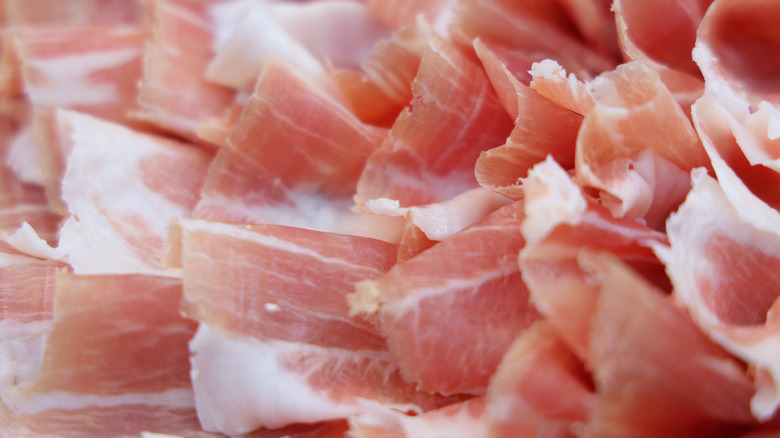
One of those ingredients, for example, is prosciutto. Most of us are familiar with it from charcuterie trays and high-end sandwich shops, though you may not appreciate the artistry and, above all, the time it takes to make this type of ham. New York-based artisan pizza-maker Table 87, which some of you may recall from its appearance on "Shark Tank," opted to make that the main topping on one of its coal-oven pizzas.
In 2019, the restaurant recalled 649 pounds of those prosciutto pizzas because the ham was made with uninspected pork. So while there was no evidence it was unsafe, there was no evidence it was safe either.
Weis Markets, 2016
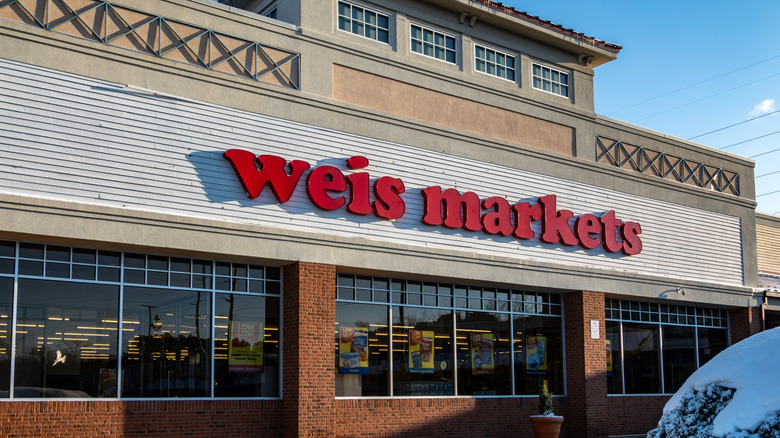
Despite consolidation within the food industry, there are still a number of regional supermarket chains across the U.S. One of them is Weis Markets, founded in Pennsylvania over a century ago. At the time of writing, the company operates some 200 locations across the mid-Atlantic states.
Like most modern-day supermarkets, Weis sells a lot of store-branded products, including frozen pizza. In 2016, the company had to recall two varieties of its store-brand frozen pizzas, totalling about 1,250 pounds, for what amounted to an administrative error.
It turns out the pies were manufactured in Toronto, Canada, and they were not federally re-inspected (as required by law) when they crossed the border into the U.S. Although Canada's food safety regimen is also very robust, the law is the law, and the pizzas were pulled from the market.
Palermo Villa Inc, 2024
Milwaukee-based Palermo's is well-respected in the Midwest, having started operations in 1964. Its headquarters actually contain a full-blown pizzeria, complete with a wood-fired oven imported from Italy; it's not open to the public, but you can get delivery if you live in the area.
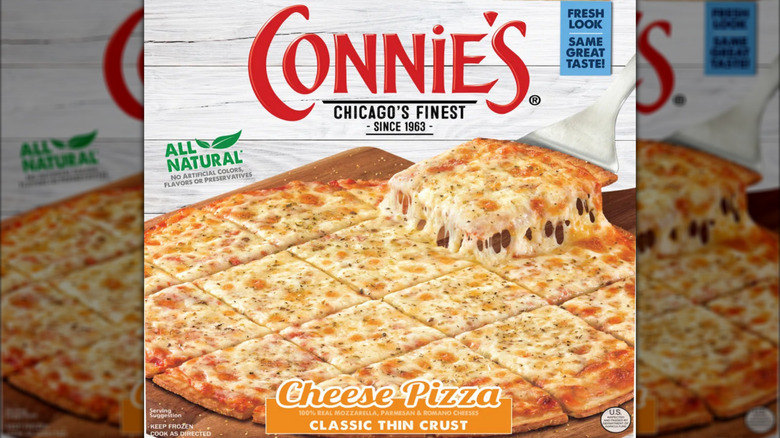
Palermo Villa markets pies in different styles and brand names. One of those is Connie's, which is the brand it uses for Chicago-style pies. In 2024, the company recalled 1,728 individual Connie's Thin Crust Cheese Pizzas after one lot number of those pies showed the possible presence of plastic in those pies.
Although the company itself has a wide regional reach for its own in-house brands and as a "white box" manufacturer for other companies, this particular recall was quite limited. The affected pizzas were sold only through supermarkets in Illinois, Wisconsin and Minnesota.
Green Valley Foods, 2023
Allergen labeling is just one way we've improved food safety rules in recent decades. Allergies tend to fly under the radar for most of us, unless we're affected directly (it's human nature), but if you do have allergies within your circle of acquaintance, it becomes a Really Big Deal.
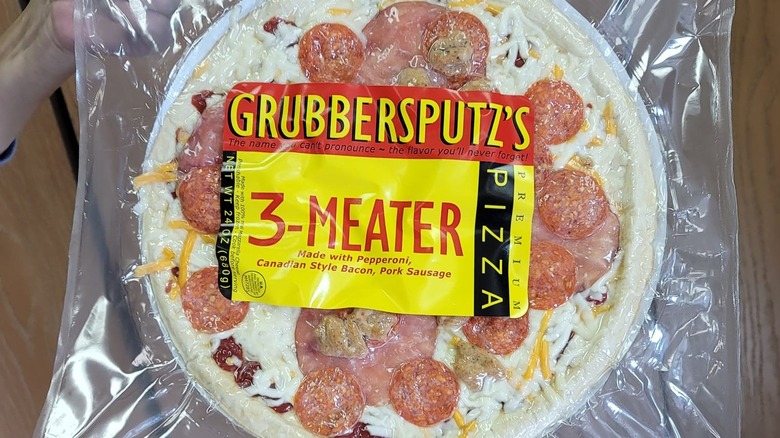
That's why mislabeled products, with bungled allergen labeling or undeclared allergens, are often recalled. It happened in 2023 to North Dakota's Green Valley Foods, which recalled an estimated 4,062 pounds of frozen meat pizza products, sold under the Grubbersputz's brand. Routine testing by the USDA's Food Safety and Inspection Service (FSIS) detected soy, which wasn't declared on the label.
Soy allergies can cause a range of reactions, from mild distress all the way up to life-threatening anaphylactic shock, so the recall was absolutely necessary. This is exactly why the "Big 9" allergens must be identified on food labels, by law.
Kraft Foods, 2009
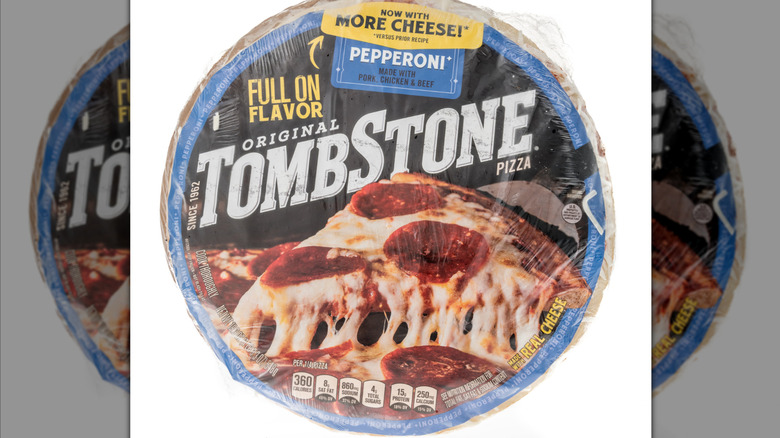
The Kraft company (now Kraft Heinz) is one of the biggest food brands in the United States. While its best-known product is the iconic blue-box macaroni and cheese, Kraft also had a presence in the frozen pizza market segment, including the Jack's Original and Tombstone brands.
In 2009, a mix-up at the manufacturing plant led to Kraft recalling frozen pizzas over undeclared soy. The pies in question were Jack's Original Sausage & Pepperoni pizza, which does contain soy, and which should be declared properly on the label.
The problem is that some of those pies went out to stores packaged in boxes meant for Tombstone's pepperoni pizza, which doesn't have soy. So not only were they the wrong pies, but their soy content was not revealed. This puts unwary buyers at risk. Kraft would sell its frozen pizza division to Nestlé the following year.
Ready Dough Pizza & Danny's Cuban Pizza, 2022
To some fans of classic Neapolitan-style pizza, other styles of pie are inferior at best, or heretical at worst. For those of us who aren't purists, the same diversity means finding lots of ways to make great-tasting pizza, and that's a positive.
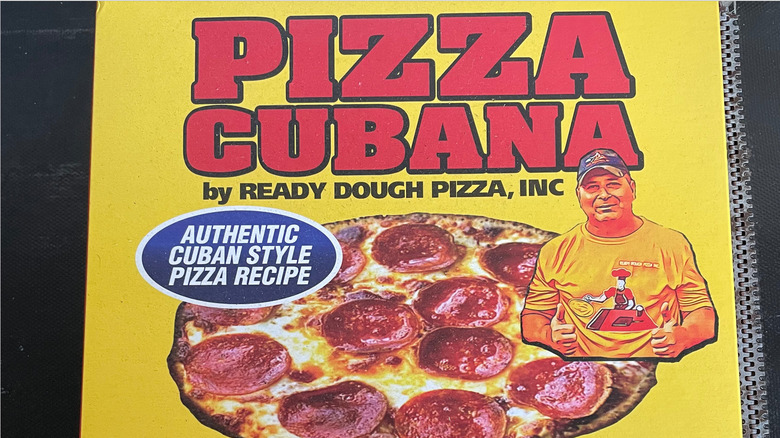
It's why Florida evolved Cuban-influenced pizzas, for example. Two companies making those are Hialeah-based Ready Dough Pizza (sold under its Pizza Cubana brand, or private-labeled by stores) and Cape Coral-based Danny's Cuban Pizza. In 2022, routine checks by the USDA's Food Safety and Inspection Service (FSIS) revealed that both companies were selling pies produced in an uninspected facility, and that their labeling didn't meet standards.
Both Ready Dough and Danny's recalled pies that were sold throughout Florida and a few other states. It seems that the recalls were near-identical, and it's possible both were made in the same uninspected facility, but we found no direct evidence of this.
802 VT Frozen, 2024
If you take a look at the buzz-worthy pizza places in your area, you'll see many of them using wood-fired pizza ovens. Those became trendy early this century, and started in big-city pizzerias but rapidly expanded to smaller centers and even farmers' markets.
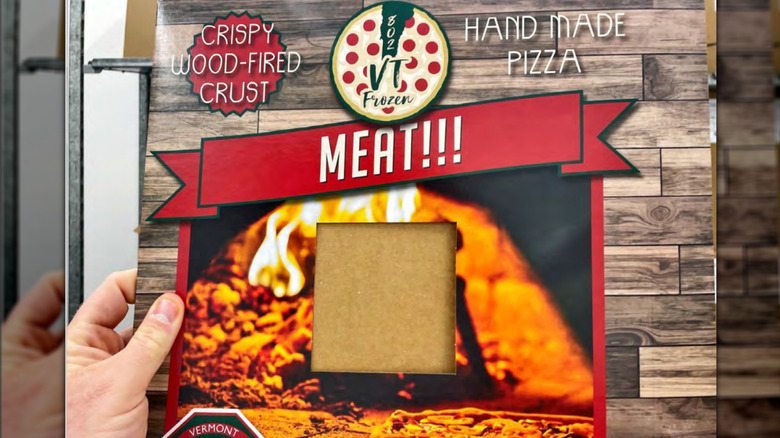
Their popularity is only natural, though. The heat of a wood-burning oven makes for a fast-cooking pie, Neapolitan fashion, and it just simply tastes better. Accordingly, lots of frozen pizza vendors are now offering pies on wood-fired crusts. One of those, Vermont-based 802 VT, had a batch of its wood-fired meat pizzas recalled in 2024 over undeclared soy.
The problem was uncovered during routine FSIS testing and ultimately resulted in about 8,221 pounds of pizzas being recalled. They were sold throughout Connecticut, Maine, Massachusetts, New Hampshire, New York, Rhode Island, and Vermont.
Home Run Inn, 2022
A lot of frozen pizzas come from the major food brands, like Nestlé and Kraft. There's nothing wrong with that, because, well ... that's what they do. When a new market niche looks promising, they'll probably be there.
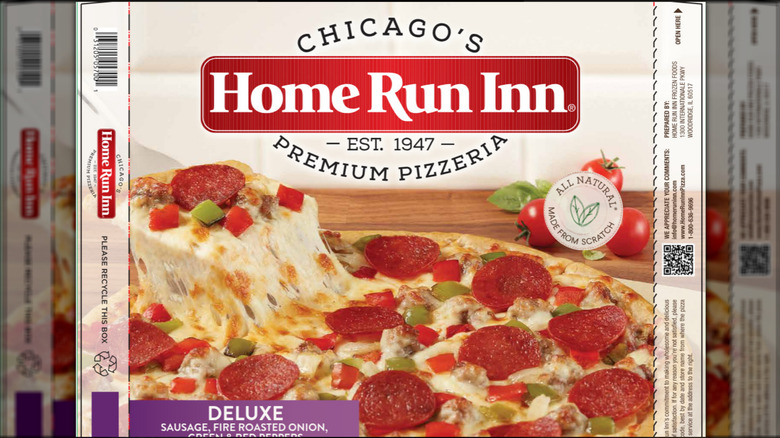
At the other end of the scale, you'll find smaller companies making artisanal frozen pizzas, or locally-popular pizza chains that have branched into making take-home versions of their most popular pies. That's the case with Chicago-area mainstay Home Run Inn, a family-owned business ("Chicago's Premium Pizzeria") that's been delighting locals since 1947. To be clear, the company doesn't make the well-known Chicago-style deep dish pizza. Instead, it specializes in thin-crust "tavern-style" pies, which work well as a frozen product.
Despite its longtime popularity, the company took a hit in 2022 when consumers began reporting fragments of metal in their Deluxe Sausage Classic pies. The recall eventually affected slightly over 13,000 pounds of pizzas sent to an Illinois-based distributor.
Annie's Homegrown Organic 2013

The popular Annie's Homegrown brand of organic foods has a lot of devoted fans, especially for its boxed macaroni and cheese. The line includes a lot of other snacks and meals, though, including a range of frozen pizzas. Although General Mills now owns the brand, it retains its following and reputation.
That reputation was validated in 2013, when the company's in-house testing showed the presence of metal fragments in seven varieties of its pies, produced between January and September of that year. No consumers had yet reported any injuries or found any fragments in their own pizzas, and Annie's voluntarily recalled all outstanding pizzas in the affected lots.
The problem was traced back to one of Annie's flour suppliers. A metal mesh screen failed in the supplier's mill, and the pieces were too fine to be detected by the supplier's own in-house testing equipment. Annie's responded to the problem by switching to another flour supplier.
RBR Meat Company, 2017
Recalls can reveal a lot about companies. Shortly before this article was written, for example, one brand of baby formula was implicated in an outbreak of infant botulism. The company originally denied that botulism was even possible with baby formula, before conceding a couple of weeks later that all batches of its product were potentially tainted.
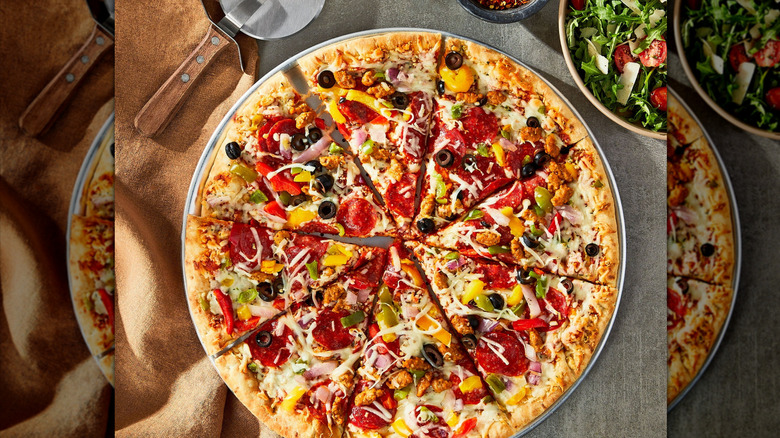
California's RBR Meat Company set a different example when it had a problem with one of its pizzas in 2017. In that case, the recall didn't originate with an outside investigation. Instead, it was RBR's own testing that found possible listeria contamination in its Marketside Extra Large Supreme Pizza, which was sold in California, Nevada, Utah, and Washington.
RBR did right by its customers, recalling all 21,220 pounds of the affected product. So props to the company for demonstrating both a high level of quality control by catching it in-house and by responding appropriately.
Nestlé USA, 2021
Nestlé is one of the world's most prominent food-product manufacturers, with over 2,000 brands in its portfolio. Among the products the company sells in the United States, you'll find frozen pizzas under multiple well-known brand names.
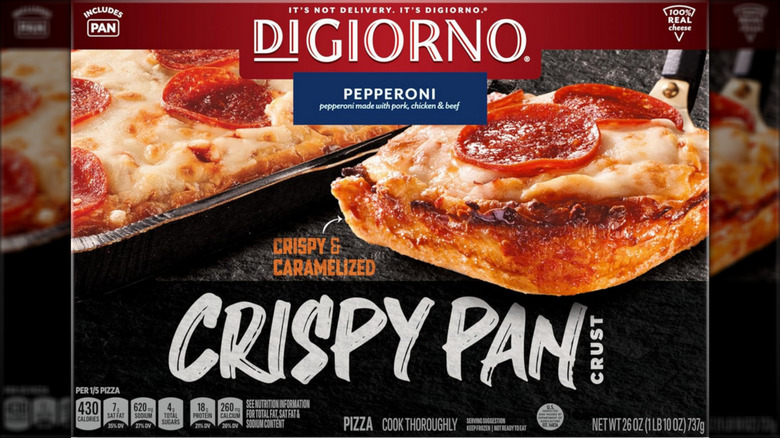
That includes DiGiorno, one of the most common brands you'll find in supermarkets across the country. Back in 2021, Nestlé found itself in the unhappy situation of needing to recall some 27,872 pounds of its DiGiorno Crispy Pan Crust pizzas with pepperoni. The pies were found to contain undeclared soy, in violation of allergen labeling laws.
The situation was very similar to the one with Kraft and its Jack's Original brand. In this case, a batch of DiGiorno's three-meat pizzas was mistakenly packaged in boxes meant for the brand's pepperoni pizzas, which don't contain soy and therefore lacked the mandatory warning.
Nestlé USA, 2013
The 2021 recall was not Nestlé's first rodeo. Eight years earlier, in 2013, the company reacted quickly to another problem that cropped up with two of its brands.
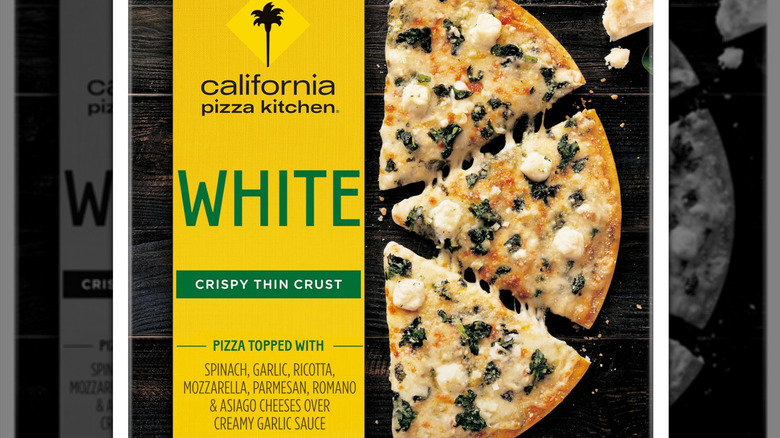
The pizzas affected by the recall were sold under the DiGiorno and California Pizza Kitchen brand names and were sold nationally. The recall began when customers buying the CPK Thin Crust White Pizza complained to Nestlé about finding pieces of plastic in their pies. The company's internal investigation quickly traced the source of that contamination back to a single spinach supplier.
Although the complaints affected only one variety of California Pizza Kitchen pie, the company recalled three others as well — one additional CPK pie, and two sold under the DiGiorno brand name — because they all used spinach from the affected batch, and there was a non-zero possibility that the contamination extended to those as well.
Nation Pizza, 2015

Although big brands dominate the frozen pizza market nationally, there's lots of room for regional and local brands to compete in their own markets. Those brands included Nation Pizza, of Schaumburg, Illinois, before it was acquired by Nestlé in 2020.
During routine quality control testing in 2015, company staffers found soy in their Rising Crust Pepperoni Pizza, sold under the Mama Cozzi's brand name. The company recalled 59,028 pounds of those pizzas as a result, though there had been no consumer complaints.
The pies in question were sold only at Aldi stores across Indiana, Ohio, Pennsylvania, and Tennessee. As with a couple of the other recalls on this list, we have nothing but praise for Nation Pizza's handling of the recall, and (first and foremost) having a robust enough testing/quality assurance process to identify the problem themselves. Mistakes will happen, even in the best-run enterprises, so those processes are really, really important.
Whole Foods Market, 2016

Right from its founding, Whole Foods focused on cultivating customers who favored premium (often organic) products, and it's been successful in its strategy so far. Unsurprisingly, the retailer's frozen pizzas also skew toward artisan ingredients and toppings. In 2016, one of those toppings triggered a recall, with the pies in question featuring uncured beef pepperoni — "uncured" is a labeling term for deli meats; they don't use refined nitrates or nitrites.
In this instance, the problem pies were identified during a routine FSIS inspection. The USDA's testing showed that the topping wasn't the uncured beef pepperoni described on the label, but actually plain old pork pepperoni. This meant it was officially mislabeled, though in reality it was an error on the production side. It wasn't a direct health threat, unless you're allergic to pork, but of course, many people avoid pork for religious or other reasons. The recall covered approximately 73,898 pounds of pies.
Pizza John's, 2022
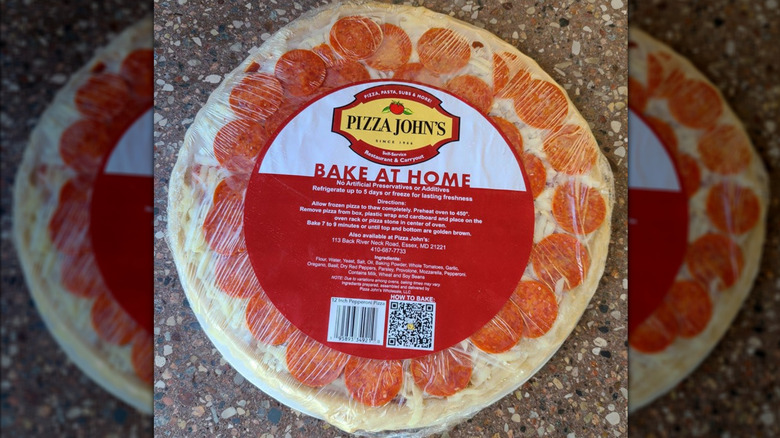
If you live in Maryland, you may be familiar with Pizza John's. It's a much-loved pizzeria located in Essex, founded in 1966 and still family-owned. It was originally carry-out only, though the modern-day restaurant has lots of seating as well.
The family has capitalized on the success of that sole location, creating frozen "bake at home" pies that extended their reach past the local area, across Maryland and beyond. Unfortunately, in 2022, the company was obliged to recall a total of 156,498 pounds of its 12- and 16-inch "bake at home" pizzas, when a routine FSIS check discovered that the company's production facility was not federally inspected. Whoops!
The affected pizzas were produced between 2020 and 2022 and were sold throughout Maryland. According to the company's website, its frozen pies now have national distribution, so it's safe to assume they've corrected that oversight and are now fully inspected.
Nestlé USA, 2016
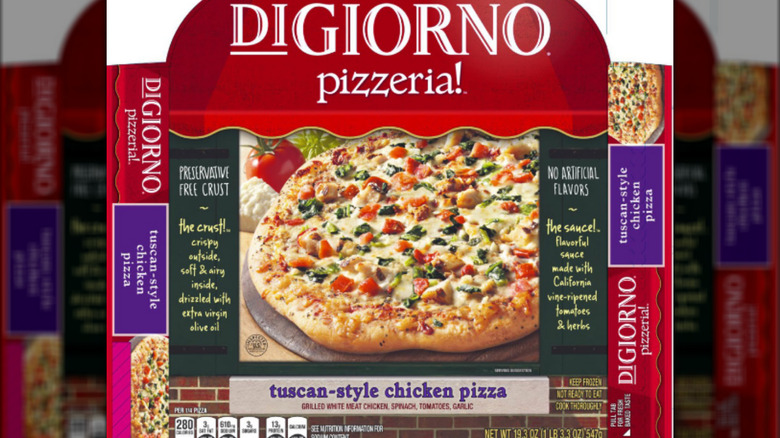
This is the third recall from Nestlé to make our list, but that shouldn't be construed as a problem on its part. The company is the biggest seller of frozen pizzas in the U.S. market, so on sheer volume alone, we're likely to see more recalls affecting its brands.
The 2016 recall affected four specific varieties of DiGiorno chicken pizzas, as well as Stouffer's chicken lasagna, and involved tiny pieces of glass found in the products. The investigation and recall were triggered by a series of consumer complaints, which (if you're the manufacturer) is not the way you want to get the news.
Nestlé was able to trace the source of the glass back to a single spinach supplier, which speaks to a high level of transparency and accountability in the company's supply chain (to be clear, this is a good thing). Overall, the company recalled a total of 267,024 pounds of chicken and lasagna from the affected lots.
Rich Products, 2013
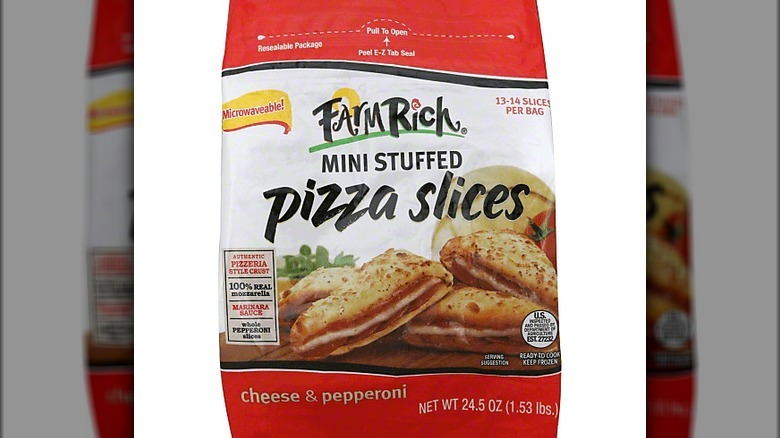
Rich Products, of Buffalo, New York, launched with a bang by introducing mozzarella sticks to the grocery world in 1977. So if those are your favorite things, raise a cup of marinara sauce in the direction of Buffalo the next time you enjoy one.
The company's focus is on snacks, so it doesn't market whole pies. Instead, it sells individually portioned, pizza-style snack products, which at the time included stuffed mini pizza slices. Those pizza-adjacent snacks were part of a really significant recall in 2013, triggered by a CDC investigation into an E. coli outbreak involving a potentially dangerous strain identified as O121, which can cause kidney failure.
Investigators traced the bacteria to mini pizza slices and other foods sold nationally under the Farm Rich, Market Day, and Schwan's brands, and the company would recall a total of 10.5 million pounds of its snacks. The outbreak caused 35 known cases across 19 states and plenty of hospitalizations, but (thankfully) no deaths.
General Mills, 2007
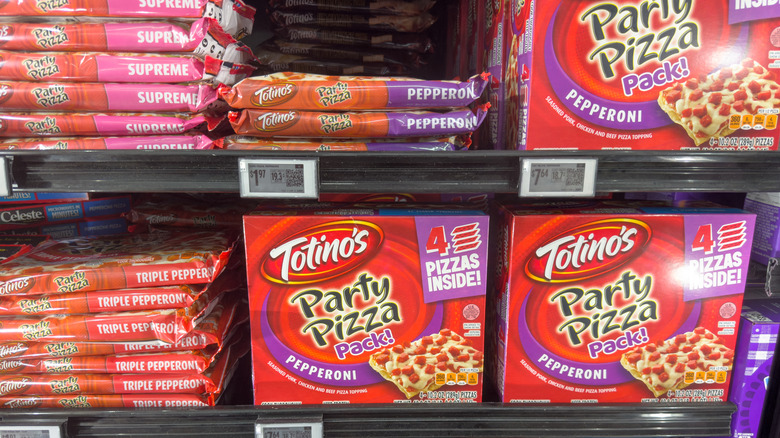
The final recall on our list stands out for its severity and the serious health threats it posed. Like the Rich Products recall, this one was triggered by the CDC's investigation into a troubling E. coli outbreak. This one involved the O157:H7 strain, which (like the rarer O121 strain) can cause life-threatening kidney failure. The recall affected frozen pizzas sold nationally under the well-known Totino's and Jeno's brands, owned by General Mills.
The investigation noted 21 known cases, spread across 10 states, triggering hospitalizations and at least four cases of serious kidney damage. Investigators eventually identified frozen pizzas as the common link connecting the cases, which fortunately did not result in any deaths. An outbreak like this is never good news, but given the popularity and the wide distribution of the affected products, it could have been much, much worse.