

10 Mistakes Everyone Makes When Cooking With Root Vegetables
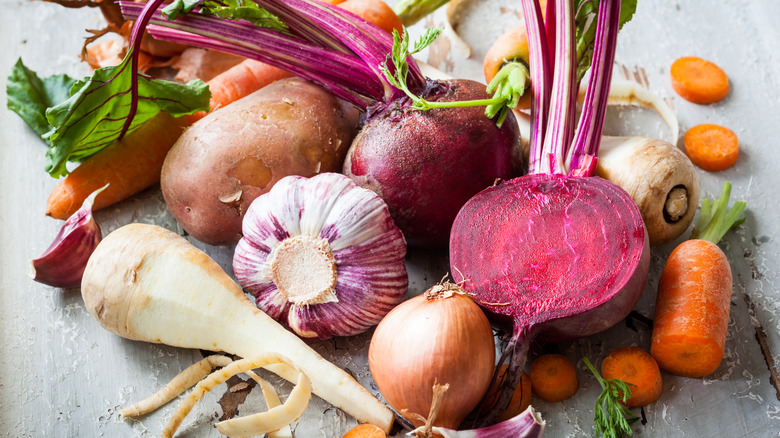
If you're looking for a way to bulk up your meal or add more nutrition to your dishes, cooking with root vegetables is the way to go. From potatoes to carrots to beets, these vegetables can add color, flavor, and heft to your meals. Plus, they tend to be quite affordable compared to many other produce items. But just because root vegetables are a common ingredient in plenty of dishes doesn't mean they're always simple to cook. There are several mistakes you can make with them that can ultimately ruin a dish — even one as simple as roast potatoes.
That's why we've compiled this list of the most common mistakes that home cooks make with root vegetables. By avoiding these, you can ensure that your dishes turn out perfectly every time, adding just the right amount of flavor to your plate.
Not scrubbing the vegetables before cooking
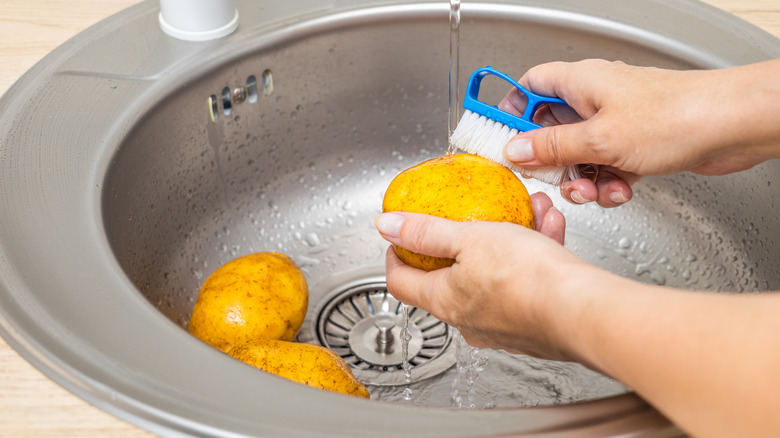
With some types of produce, all you really need to do in terms of cooking prep is rinse them under cool running water and let them drain. However, if you take this same strategy with root vegetables, you may end up eating a lot of dirt. After all, root vegetables grow underground, so when they're harvested, they're covered in a layer of soil that might still be present when you buy them. To make sure your root vegetables are as dirt-free as possible, you're going to want to give them a really good scrub before you start cooking.
Luckily, this process is relatively simple. Just run cool water over the vegetables, then take a scrubbing brush and rub until you see the dirt come off. This may take a bit of time, particularly if you're working with very dirty vegetables, so patience is key. If you want to cut down on your prep time, you can also scrub them as soon as you get home from the grocery store, so they're good to go whenever you're ready to start cooking.
Assuming you have to remove the skin
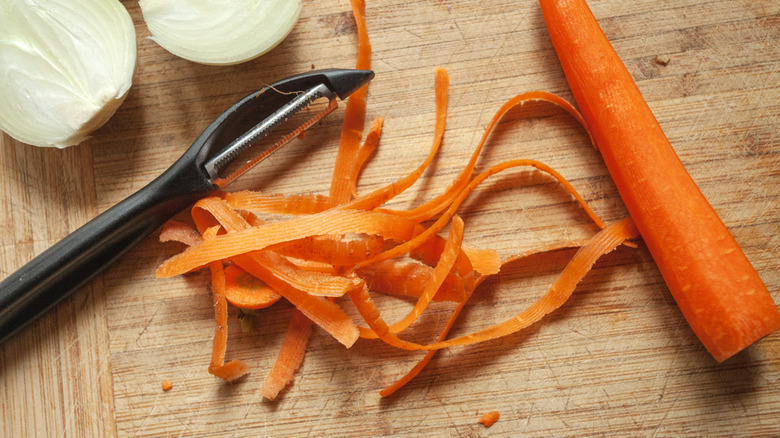
You may notice that many recipes that include root vegetables instruct you to peel them before chopping — in some cases, this is absolutely necessary. Rutabaga, for instance, does need to be peeled before it's incorporated into a recipe. However, most root vegetables don't actually need to be peeled, unless you don't like the texture of the skin. So, yes, you might want to peel your spuds for the creamiest possible mashed potatoes, but you can still eat the skin without concern (as long as it's scrubbed clean, of course).
The same goes for carrots, beets, and many other root vegetables. If the idea of peeling all those veggies for your recipe sounds too time-consuming, you can take our advice: Just skip it. It'll save you a lot of effort and won't noticeably affect the way your dish tastes.
Cutting root vegetables unevenly
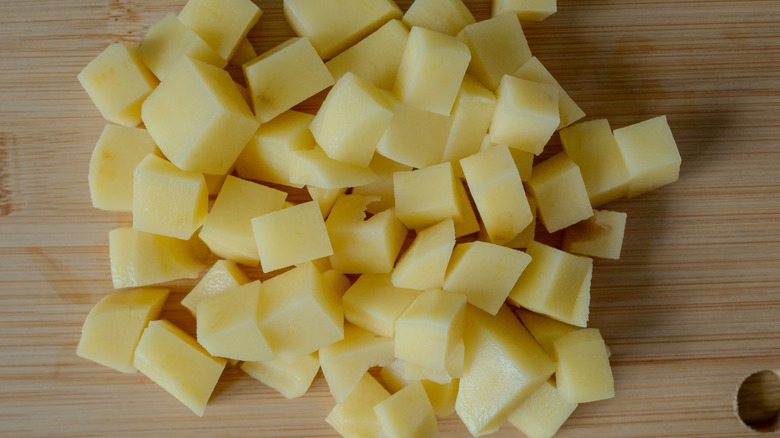
You know when you're cooking root vegetables and all the pieces end up cooking at different speeds? This is likely because you're cutting them into uneven pieces. It's an easy mistake to make, but one that can affect the way your finished dish turns out, leaving you with some soft chunks and others that are hard and still undercooked. That's why it's crucial to cut your root vegetables into even pieces, especially when you're roasting them and want everything to cook at the same rate.
If you haven't yet mastered your knife skills, now is the time to learn. By wielding your knife accurately, you can help ensure an even chop, leading to a more uniform texture in your dishes. Whether you're preparing roasted carrots, potato soup, or marinated beets, making sure you're using even pieces is of the utmost importance for guaranteeing your vegetables are properly cooked.
Crowding the roasting pan
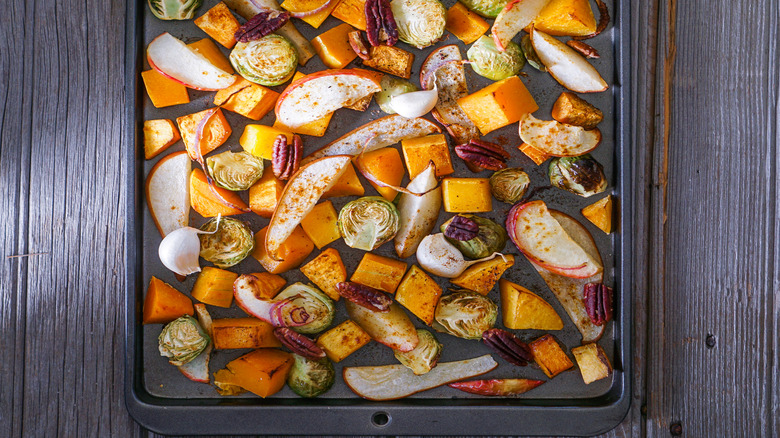
Roasting is one of the best ways to prepare root vegetables, as it makes them nice and crispy, and it's a great method for creating simple yet flavorful sides. A fuss-free, herb-roasted root vegetable dish is a versatile accompaniment to a wide variety of recipes. But if you've ever tried roasting vegetables and they've turned out wet and soggy, you're not alone. Chances are you've crowded the pan before putting it in the oven, which is a common mistake many home cooks make. The solution? Simply spread out the vegetable pieces, leaving more room between them as they roast.
This prevents steam from getting trapped between the veggies, which is what causes that unfortunate sogginess. Giving each piece more room on the pan also makes it easier for the Maillard reaction to take place — the chemical process which produces that delicious browning and makes roasted vegetables shine.
Roasting vegetables at the wrong temperature
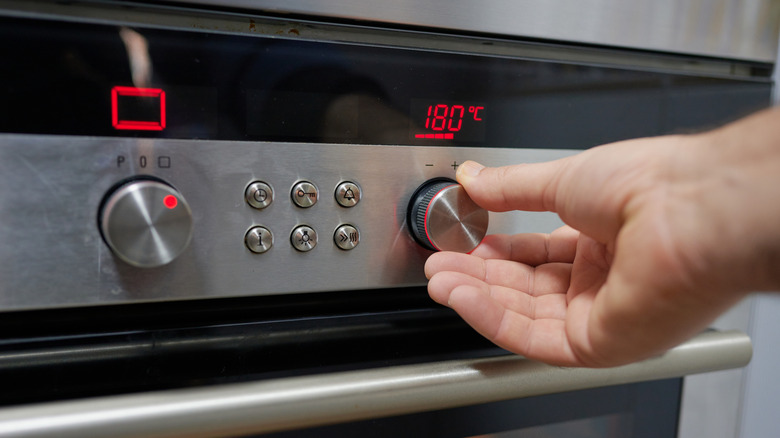
Roasting root vegetables is one of the best ways to cook them if you're looking for a straightforward preparation method that yields delicious, texturally enjoyable results every time. But ensuring that your oven is set to the appropriate temperature is essential for effective roasting. You don't want the oven to be too hot, of course, since that can lead to burning, especially if you leave the vegetables in for too long. However, it's essential there's enough heat to promote the crisping and caramelization that create the best-tasting roasted veg.
So, what temperature should you set your oven to when you're roasting root vegetables? Most recipes call for a temperature between 400 and 450 degrees Fahrenheit, which is high enough to achieve that nice, crunchy texture, but not so hot that you have to worry about your carrots, beets, or taro burning.
Neglecting to use enough oil
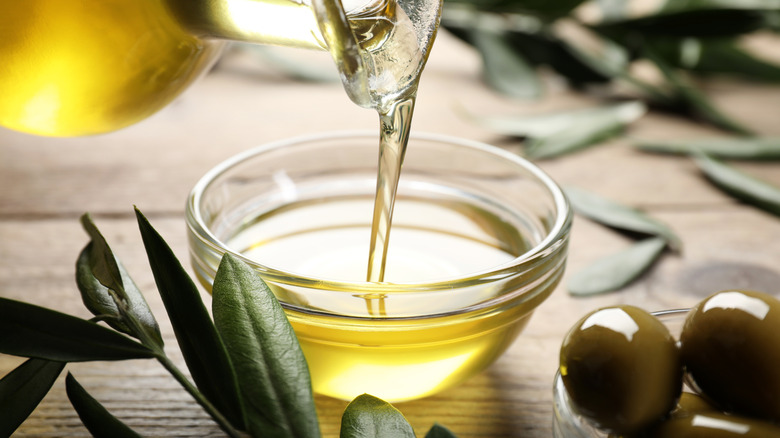
Some root vegetable cooking methods don't require any oil at all. For example, if you're steaming carrots or potatoes, you can add oil at the end to make them taste richer and more flavorful, but it isn't needed during the actual cooking process. But with other cooking methods — like roasting, frying, or sautéing — it's essential to use enough oil to ensure your dish turns out as tasty as possible.
You don't necessarily need to use a lot of oil, but when it comes to roasting, you do want to coat your veggies in a generous layer of fat to guarantee they brown and crisp up nicely. You should also make sure the vegetables are completely dry before coating them in oil, or it will have a hard time sticking to the surface. Similarly, adding enough oil to the pan you're using to sauté is essential for creating a crispy texture. If you're frying, you'll need to use even more oil. Using too little will likely leave you with dry or tough vegetables that simply don't taste as good as they could. Plus, fat helps dry seasonings stick to your vegetables, making them more effective at boosting the overall flavor of your dish.
Not using a generous amount of salt
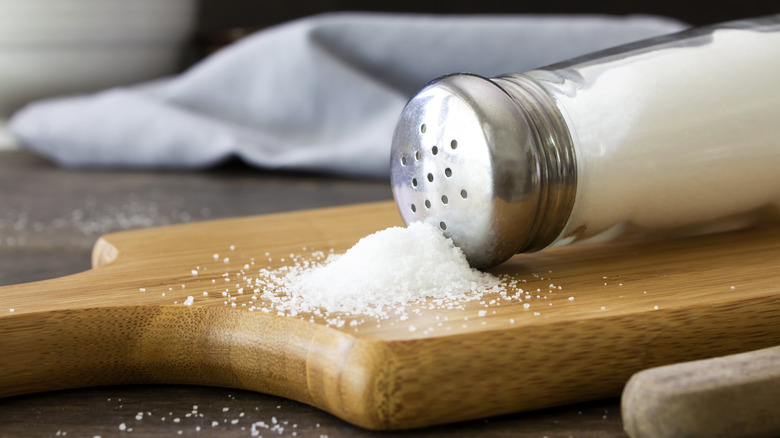
If you're looking for an easy way to add flavor to just about any dish — root vegetables included — there's a simple ingredient that always comes in handy: salt. Salt enhances food by reducing bitterness and highlighting sweet, umami, and sour flavors, transforming bland dishes into ones packed with flavor, even if you don't add any other seasonings. That's why it's essential for cooking root vegetables, particularly potatoes, which can taste relatively boring without it. Salting potatoes generously is key to making them taste their best, regardless of the cooking method.
However, potatoes aren't the only root vegetables that benefit from a decent dose of salt. Carrots can sometimes taste too sweet, but a dash of salt will help balance that sweetness — the same goes for sweet potatoes. Boiling beets with salt makes them more tender and flavorful, no matter what you do with afterward.
Assuming all root vegetables cook at the same rate
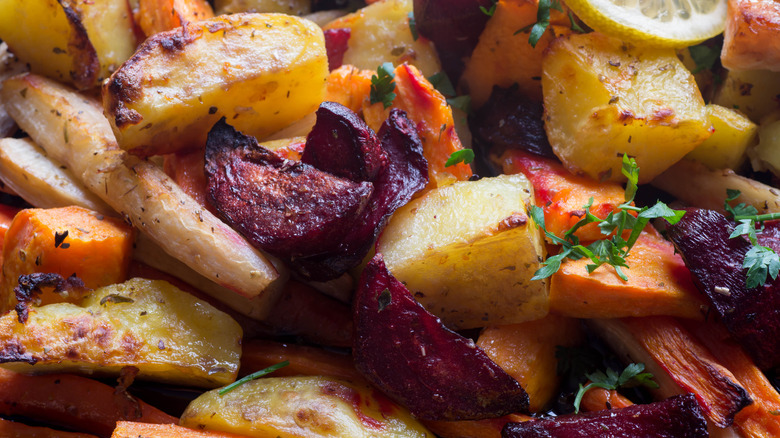
When you're trying to make a ton of root vegetables at once — whether you're boiling or roasting them — assuming they all cook at the same rate is a major mistake. Carrots require a much longer cook time than onions, for example, even though both are root vegetables. Trying to cook them together at the same time, or in the same pot or pan, can result in some of your veggies being overcooked while others are undercooked. Therefore, if you're trying to cook several types of root vegetables at once, it's often in your best interest to cook them separately or stagger the timing in which you add them to the pot or pan you're using.
Does this require a bit more time and effort compared to throwing all of your veggies on the same baking tray? Sure, but it also produces a range of delicious root vegetables that are properly cooked, without any too-hard or too-soft pieces that ruin the texture of your dish.
Forgetting to add acidity
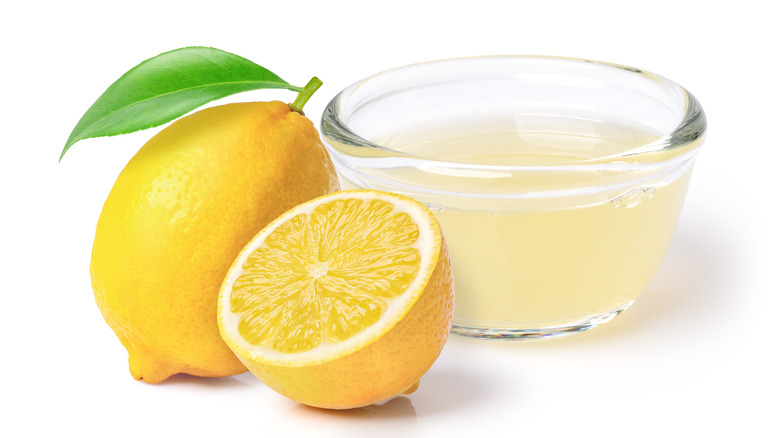
Have you ever made a root vegetable-based dish, only to realize that it was kind of bland once you took your first bite? We've all been there, and it can be a real bummer. Salt can combat some of that blandness, of course, but acidity is also an important factor in making your root vegetables reach their potential.
Acidity can be introduced in many different ways, but we especially like using citrus juice or vinegar to elevate our root vegetables with a bold pop of flavor. If you're roasting your veggies, you can toss them in lemon juice and olive oil before putting them in the oven. However, regardless of the cooking method, you can always add some vinegar or citrus juice at the end, right before you serve the dish. Either way, you'll end up with a brighter flavor profile that will improve any root vegetable.
Not drying your root vegetables before roasting
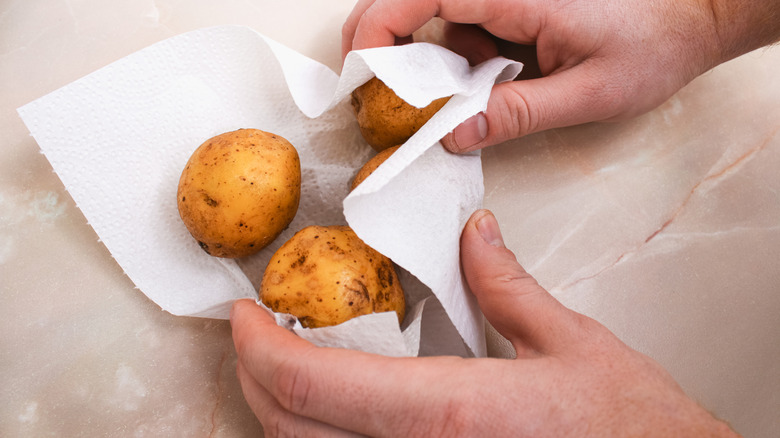
We've already mentioned the importance of fully drying your root vegetables before tossing them with olive oil when you're roasting them, as the water prevents the oil from sticking to the veg. But there's another important reason to dry your root veggies before roasting. If they still contain excess moisture, they're more likely to steam instead of crisping up nicely in the oven. Therefore, after washing them, make sure you pat them dry with a clean kitchen cloth or paper towel to ensure there's no leftover moisture that might affect the roasting process.
However, if you really want to go the extra mile, consider washing your root vegetables a day in advance, then put them in the fridge overnight, uncovered. This will dry them out even more, and ultimately lead to crispier results once they come out of the oven. The extra effort and prep time are well worth it to achieve the perfect texture.