

10 Worst Snacks To Pack For A Road Trip

Deciding which snacks to pack when you're planning a road trip is essential. Hunger pangs can strike when the next rest stop is still miles away, so having something to snack on in the car is imperative. Even once you arrive at a rest stop, finding appropriate food for the whole family can be tricky and expensive. Planning ahead and packing snacks that you can eat when you stop is a good idea, too.
It can be tempting to include all of your favorite treats, but many of them aren't best suited to traveling long journeys. Cars tend to be warm places, either because it is hot outside or due to the heat being on, and many foods don't cope well in prolonged heat. Foods such as yogurt can spoil in the heat, and doughnuts or candy may cause a sweet, sticky mess.
Whether you are planning a road trip imminently or simply looking to stock up for your next trip, taking the time to plan your snacks can save a lot of mess later on. Let's take a look at 10 of the worst snacks to pack for a road trip.
Hard-boiled eggs
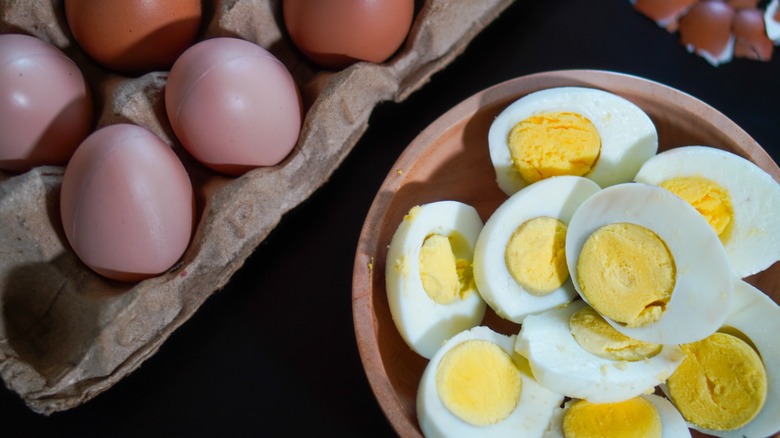
Hard-boiled eggs are a very tempting option for a road trip snack. They are high in protein, take little preparation, and in general, keep the whole family happy, even when eaten cold. However, you may be left regretting the decision to fill the lunch bag with eggs once you are a few hours into the journey.
The sulfur smell from eggs isn't particularly noticeable when you eat them in your dining room, but the intensity is more noticeable in an enclosed space. You may start to notice the smell a few hours into your journey, even if the eggs are wrapped up and stored in a cool bag. As soon as you open them, however, it's a different story. That eggy scent will fill the car within seconds, and it may linger long after the protein-rich snacks have been eaten.
If you do take eggs on a road trip, save them for a rest stop so that the worst of the smell is encountered outside of the car. And store the bag containing them in the trunk to reduce the chance of the sulfur permeating the cabin. Alternatively, grab a protein bar instead of the eggs, and keep your car as sulfur-free as possible.
Sandwiches containing messy condiments
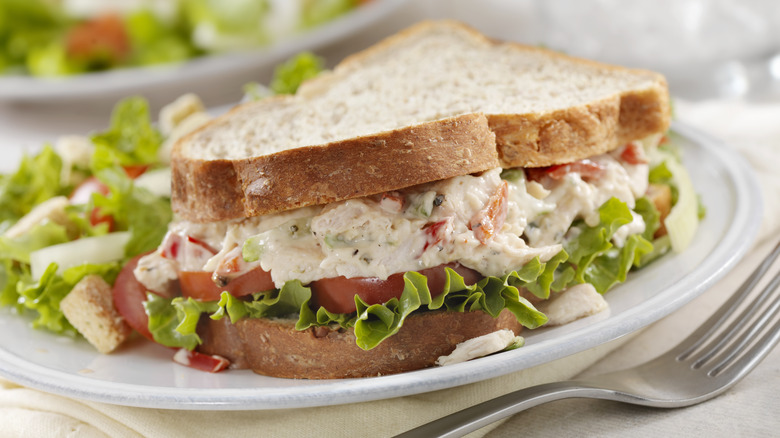
The sandwich is the classic road trip lunch — endlessly customizable, easy to prepare in advance, and it won't spoil during a few hours in the trunk as long as it's wrapped properly. However, if you are planning to eat it in the car, the choice of filling is crucial to ensure a mess-free snack.
Condiments are an important part of a sandwich, elevating a simple ham or cheese snack to a tasty delight. However, messy options such as mayonnaise, ketchup, or relish may seem like appetizing choices until you take the first bite. The chances of the filling escaping are very high, especially if the car is in motion while you eat. If you're lucky, the blob may land on the packaging or a paper napkin, but inevitably, it will fall onto the upholstery or down a gap at the side of the seat.
You may have already considered this possibility and built your sandwich specifically to avoid the mess from happening, but the heat of the car could have other ideas. If your sandwich sits for a few hours without being in a good refrigeration bag, the bread can start to soak up the moisture from the filling. This makes it much less stable than when you built it, and the heat could cause the spreads and condiments to change in texture, too. To prevent sandwich catastrophe, keep the condiments between the meat or other layers of the sandwich, and store it in a cold bag until you are ready to tuck in.
Hard candy
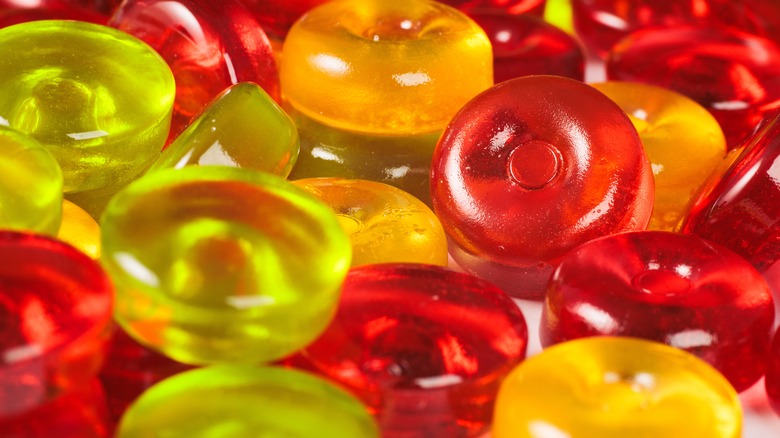
Hard candy is usually a popular option for car journeys, since it doesn't spoil quickly. It is a handy snack when you want a quick sweet treat that isn't going to ruin your meal at the next rest stop. Given that they are usually eaten while the car is in motion, however, these candies are a serious choking risk, and not just for kids.
If you have a whole candy in your mouth and the car jolts unexpectedly, the chances of the sweet ending up in your throat are high. Although this risk is elevated with young children because their airways are smaller, as the driver, you need to consider the dangers, too. Even a near-choking incident could put everyone in the car at risk, since you wouldn't have full control of the vehicle as you struggle to release the offending candy.
In addition to the safety aspect, candies in one large bag may stick together, causing a gooey mess when you put your hand into the pack. Before long, the mess will be all over seats, steering wheels, and touchscreens, meaning an unwanted cleaning task at the next stop. If you really need candy in the car, choose a chewable version that will be much less of a risk, and ideally, individually wrapped to prevent the mess.
Pots of yogurt
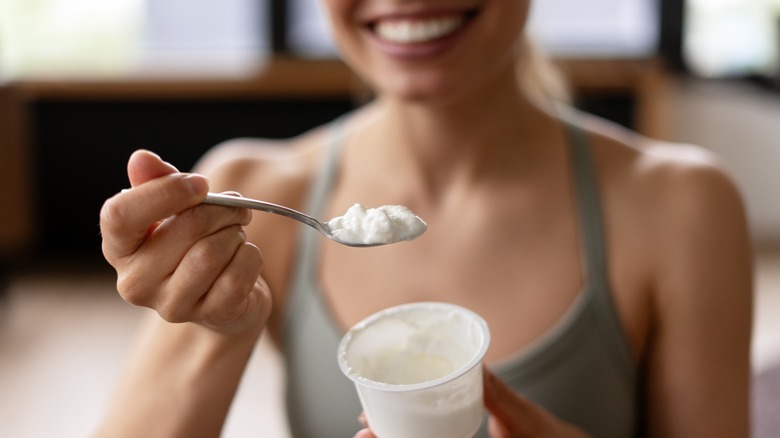
Pots of yogurt are a family favorite, allowing everyone to get a dose of protein and calcium in a tasty, convenient portion. On a road trip, however, they are not the best option, for a number of reasons.
The first is the potential mess, especially if you are planning to eat the yogurt on the move. Cutlery plus traveling is generally not a good mix, and the chances of it dripping from the spoon are quite high, even for older children or adults. Once it hits the upholstery, yogurt is not particularly easy to wipe up, and on a hot day, the spillage could cause an unpleasant smell fairly quickly.
Speaking of temperature, one of the biggest risks with taking yogurt on a road trip is the chance of spoilage. If the weather is warm, you need a cold refrigeration bag to keep the yogurt below 40 degrees Fahrenheit. Otherwise, it will be sitting in the Danger Zone for too long, and bacterial growth will be significantly increased. The result will be a funky smell emanating from the food bag, and potential upset stomachs if the yogurts are eaten. Instead, wait until you reach a rest stop and buy yogurt there, then enjoy it without the bumpy journey in the car.
Canned fish
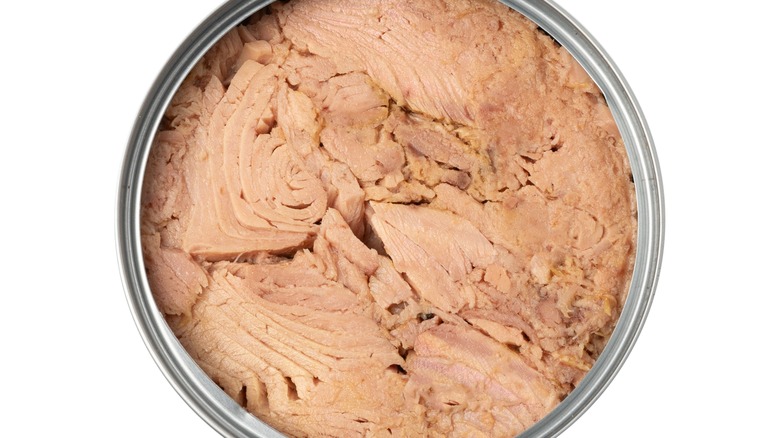
Canned fish, especially tuna and salmon, are popular sandwich options and may cross your mind as a good choice for a long car trip. They are packed with protein and healthy fats, making them a great lunch option when at home. However, if you have ever traveled with a fish product in the cabin of the car before, you know how off-putting the smell can be. Add heat into the equation, and your fresh tuna sandwiches could start to spoil pretty quickly.
Even if you are planning to eat the fish at a picnic stop, the smell from the food bag could become an issue. If you are planning to eat the fish inside the car, however, you can expect plenty of objections to the odor. Even with open windows, it could still be there hours down the road, and you will likely find yourself wishing you had opted for cheese instead.
Another issue can be the mess from the fish, as tinned fish tend to be oily. If you bring a sealed can to prevent the issue of fishy odors, you have the problem of oil to deal with as soon as you open the can. Eating fish straight from the can basically isn't an option in the car, and there is still the possibility of stained clothes and incredibly messy fingers when eating at a picnic bench. Save the healthy oily fish for the house, and grab a bag of nuts for your traveling protein fix instead.
Pastries

Sitting in a car for a long period of time can be hungry work, and a pastry can be a very tempting snack to help keep the dreaded pangs at bay. Storing them in the car can be tricky, and eating them while the car is moving is a recipe for a messy disaster.
Whether croissants, Danish pastries, or apple turnovers are your sweet pastry of choice, the flaky exterior is guaranteed to start flaking onto the upholstery as soon as you take a bite. This will make the car greasy and potentially sticky if some of the filling escapes, too. If it misses the car seats and heads straight for the floor, the chunks of pastry will likely get trampled on and end up ingrained in the carpet or mats.
Even if you sensibly decide to save the pastries for a rest stop, storing them in a hot car can cause problems, too. If you bring pain au chocolat, the filling will likely melt, and any buttery pastry may lose its crispy texture and become greasy. Paper bags used to store them could end up soaked in grease, creating mess issues when you remove them from the food bag. Since most grocery stores you stop at will have pastries for sale, wait until you get there and eat them outside the car to prevent you from having to hoover up puff pastry flakes for weeks.
Wrapped cheese
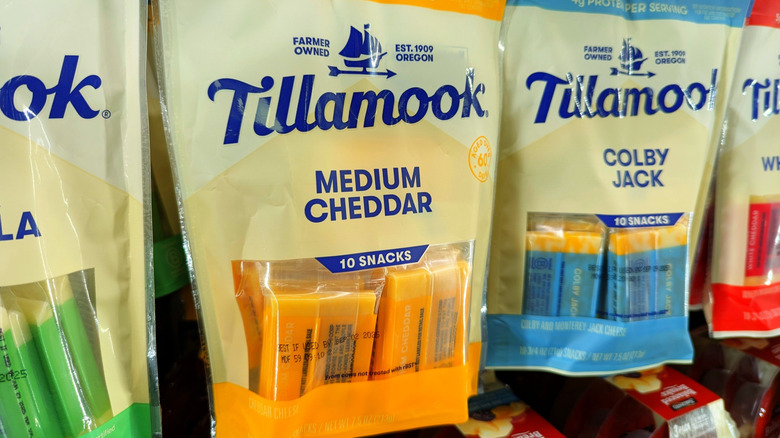
Wrapped cheese probably seems like an ideal car snack, coming with its own protective wrapper to prevent a mess. As tasty and convenient as it may be, keeping it in a hot car for any length of time could make it less than appetizing.
When cheese reaches room temperature (or above), the fatty acids start to be released. This causes tiny beads of oil to form on the exterior, often referred to as "sweating." While it will still be generally safe to eat, it may alter the texture and make it less appealing for those in the mood for a tasty dairy snack. The fact that the cheese is wrapped in plastic can make matters worse, causing moisture to be released and droplets of water to form on the surface.
If you really want to bring cheese on your road trip, keeping it in a well-refrigerated cool box prevents the oils from being released. Wrap it in paper rather than plastic, which will slow down the production of condensation on the surface. This should prevent the cheese from producing too much odor in the car, and allow you to enjoy it with its original fresh taste and texture.
Watermelon slices
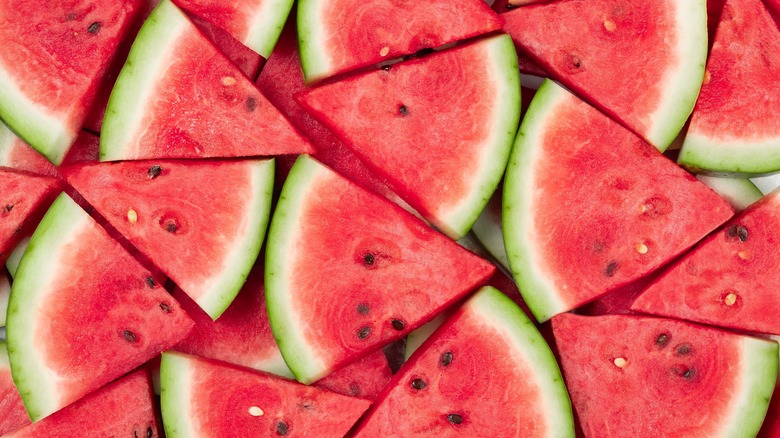
Fruit is the perfect snack for nearly all situations, keeping the family hydrated in such a delicious way. If you are heading out on a road trip, though, you should choose your fruit carefully to avoid one of the messiest options: watermelon.
In general, watermelon makes a great snack, with its built-in handle and delicious sweet flavor. But if you are planning to eat it in the car, it will only take a few minutes for it to progress from tasty treat to sticky mess. Watermelon is a fruit with one of the highest percentages of water, which is why it is so hydrating. However, when this water spills out as you bite in, the natural sugars make the liquid sweet and sticky. No matter how easily you try to eat it, some liquid is always going to escape, dripping down your chin and onto the car seats below. A quick wipe with a paper napkin is unlikely to have much impact, so a clean-up job may be needed by the end of the day.
If you need to take melon with you, keeping it in a cooler bag where possible prevents it from becoming mushy and catches any juice that escapes before you even start eating. Ideally, wait until you have a table to sit at before biting into this delicious, refreshing fruit.
Powdered or jam-filled doughnuts
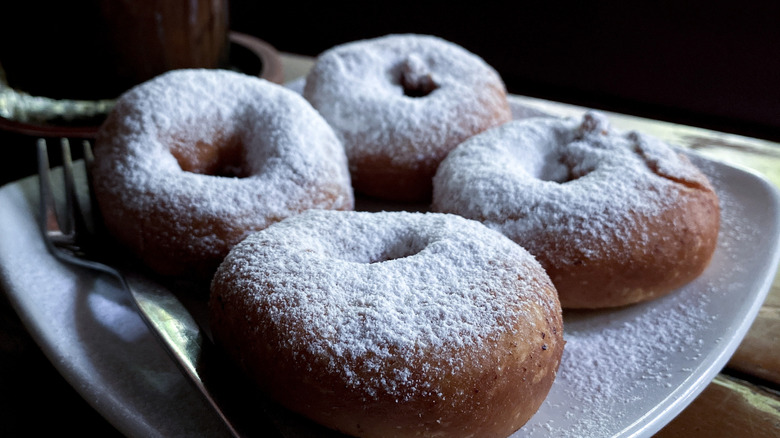
Doughnuts are a tantalizing treat and can be welcome during a long road trip, but they are a sticky accident waiting to happen. If you had powdered or jam-filled doughnuts on your list, it's time to think again.
Sugar-topped doughnuts may give that lovely sweet hit as you bite in, but your interior will transform if you try eating one in the car. Once the sugar lands on your seats, an increase in temperature may turn it into a sticky glaze. Turning on the air conditioner to prevent this could end up blowing the fine sugar into even harder-to-reach spots.
Filled donuts are likely to cause a mess from ingredients falling downward, and a jam stain on fabric upholstery is not easy to clean up. Other fillings are nearly as bad, with custard and chocolate just as likely to seep out — especially in hot weather — and turn your car into a sickly sweet disaster zone.
Even if you plan to eat the doughnuts outside of the car (which you should), they still may suffer from storage in hot temperatures. While they will still be safe to eat, they will likely feel greasier. Make sure you have sufficient paper napkins for the mess once you arrive at the rest stop.
Pork rinds
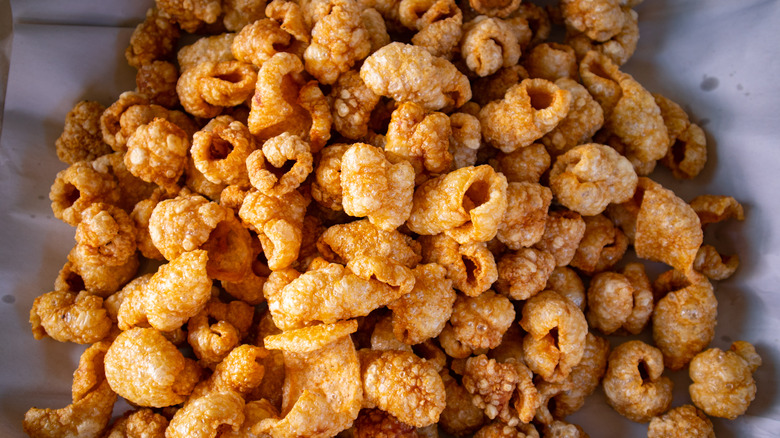
Crunchy, savory snacks are always welcome on a road trip, and pork rinds may seem like a good choice thanks to their high protein content. However, it is a secret to no one that they are also high in fat, and the fat can create greasy fingers as well as faces.
If you have beautiful, gleaming surfaces on your dash, center console, and doors before you set off, they won't last long after a bag of pork rinds. Unless you clean your hands after each mouthful, the grease from the rinds may end up on every nearby surface by the end of the bag. This means a big clean-up job to return them to their former glory.
As well as the grease issue, pork rinds can be crumbly, which could cause a funky-smelling mess down the sides of the seats a few days later. A safer option would be nuts, especially those that have not been roasted in oil, to remove the threat of greasy fingers causing carnage in your car.