

Always Donate Nonperishable Food Except If It Doesn't Meet These 2 Important Criteria
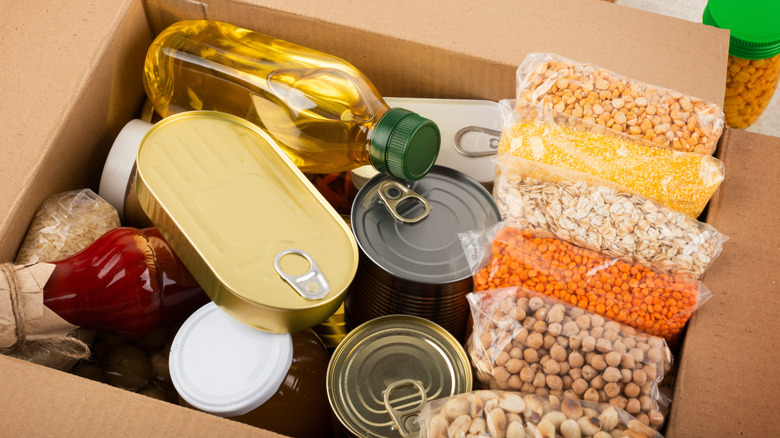
Donating goods to food banks is something we all should consider. Rising food prices, an increased cost of living, and reductions in social benefits such as SNAP are just some of the stressors that put families at risk of hunger. Food insecurity is a sad reality in the U.S, as vulnerable families with children, the elderly, and disabled veterans might struggle to afford even basic pantry staples.
Food banks and other non-profits are always in need of non-perishable food donations, and especially need support during the holidays. But before you make your donation, ensure you know which food items you can donate. First and foremost, consider these important criteria, which apply to all food pantries and non-profit organization food drives: items must not be past their expiration date, and packaging needs to be in good condition.
Always check the labels and avoid dented or bloated cans and packaging that is torn or open. Some organizations may not even accept items in glass containers, as they can shatter and cause safety concerns for any other food stored nearby. Don't donate anything that you wouldn't consider eating or serving yourself, even if certain foods might still be OK to consume after their "best by" date. Your good intention could turn into a legal liability for the food bank if a recipient should get sick after consuming the donated item. This is especially important for canned goods, which may develop harmful bacteria that can cause food poisoning if they are expired or damaged.
Best food items to donate to your local food bank
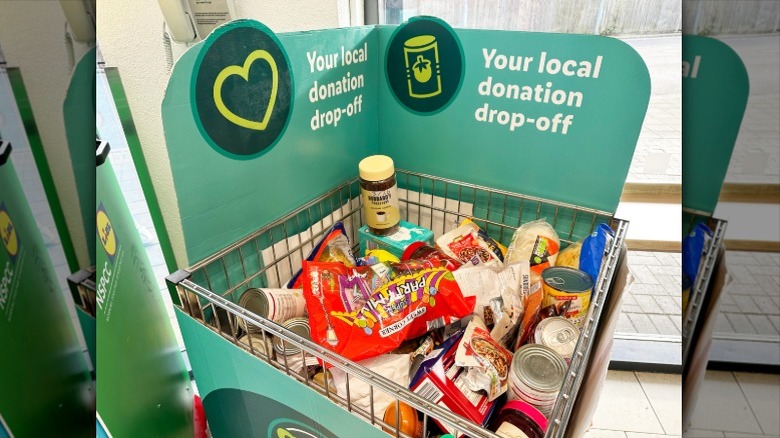
It's always a good idea to check with your local organization to confirm their rules regarding donations, and they can also guide you toward items they prefer to receive. In general, non-perishable, shelf-stable foods are in highest demand, as they can be easily transported and stored for longer periods. Items like grains and pulses, nut butters, and a variety of canned staples like beans, vegetables, and soups are typically desired. Tinned meat like SPAM and seafood like tuna, salmon, and sardines are excellent sources of inexpensive protein which can be stretched with pasta or rice for a nutritious meal.
Some of the best canned foods to donate include those that can be eaten straight from the can—especially if they have a ring-pull for easier access—as they will be helpful to people who may not have access to cooking materials. The same goes for certain instant foods, such as oatmeal and soups which just require hot water to be added. On the other hand, some people might even be able to use specialty foods like olive oil, dressings, or marinades, but only donate these if they are shelf-stable and don't need to be refrigerated. When buying items to donate, think of food that is filling and nutritious and stay away from items that might be considered "junk food," although canned fruit and commercially packaged cookies can be a sweet treat for people who need their spirits lifted as they face hard times.