

8 Common Food Scraps That Double As Cleaning Powerhouses
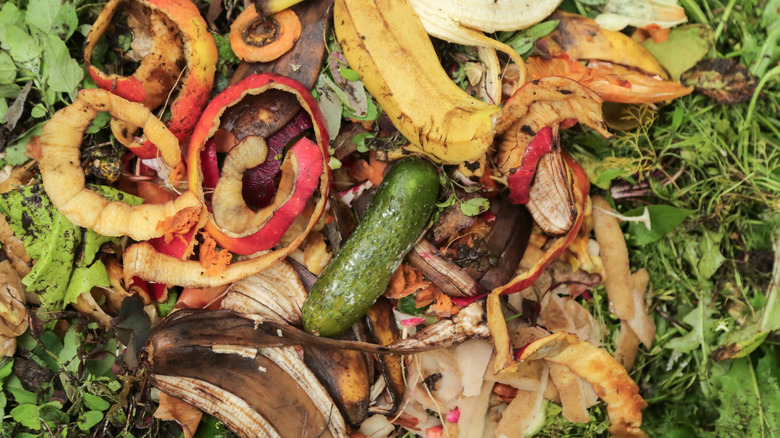
Let's be honest: Most of us waste way too much food in our kitchens. We stock up with the best of intentions, intending to eat every last bite, but some of it goes bad, and scraps go to waste. That's why it's important to find ways to use the leftover bits of food that would normally find their way into the trash. There are plenty of ways to repurpose food scraps to make new, interesting dishes or ingredients, but did you know that some of those food scraps can actually be used to make household cleaners? Not only is this a great way to reduce food waste in your kitchen, but it also allows you to clean your home without spending your hard-earned money on expensive cleaning products that might even be bad for you.
So, take a look inside your fridge and your cabinets, and start thinking creatively. A lot of the stuff in there that you might otherwise throw away could be just what you need to get your house looking sparkling clean.
Tea bags
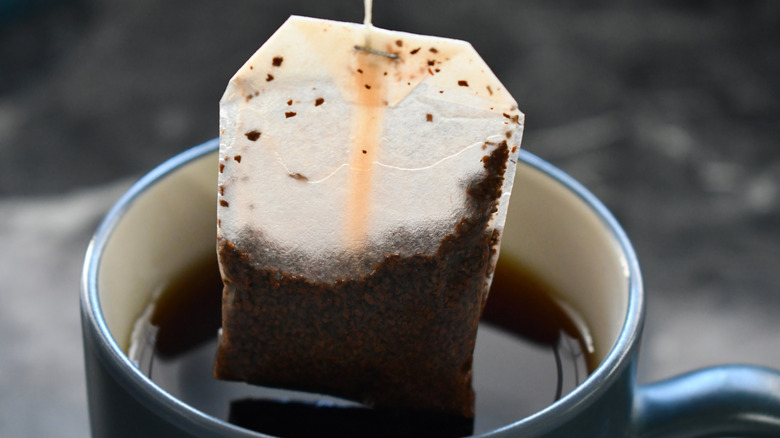
There's nothing like a steaming hot cup of tea on a cold day when you're not feeling your best, or you just want a warm pick-me-up to enjoy while you're reading your book before bed. If you're like most of us, then you probably just throw your tea bag away once you've finished steeping your beverage. But did you know that tea bags can actually be used to clean various surfaces in your house?
It's true. Tea can cut through greasy surfaces that are difficult to clean with water alone, and it can also be used as a glass cleaner for a sparkling appearance. Additionally, you can polish your wooden furniture with tea to make it look clean and refreshed. Luckily, it's really easy to use leftover tea bags to make a simple household cleaner. Just take those used tea bags and throw them into a bowl of warm water, allowing them to steep for a few minutes. Then, you can soak a cloth in the tea mixture and use it to clean whatever's dirty in your home. And the best part? It's essentially free, since you would've just thrown out that used tea bag anyway.
Banana peels
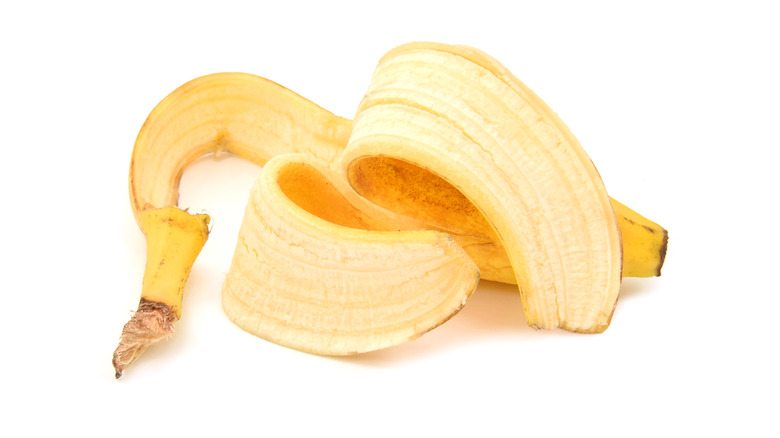
Eating bananas is a great way to incorporate more fruit into your diet. Not only are bananas filling and tasty, but they're also quite budget-friendly, making them a go-to fruit staple in many households. But once you peel that banana and eat the fruit inside, you probably just toss your banana peels in the trash, or — if you're particularly eco-conscious — in your compost bin. But before you compost your banana peels, consider using them to polish silver in your home.
It may sound unconventional, but banana peels really do work well for polishing silver. First, you'll want to take your banana peels and put them in a blender along with a bit of water. Pulse the blender until the water and banana peels become a thick paste. Then, take that paste and scrub your silver with it, using a toothbrush or washcloth. You'll notice that the silver tarnish is slowly disappearing. Then, rinse your silver and allow it to dry. Who knew that banana peels could be so useful?
Citrus
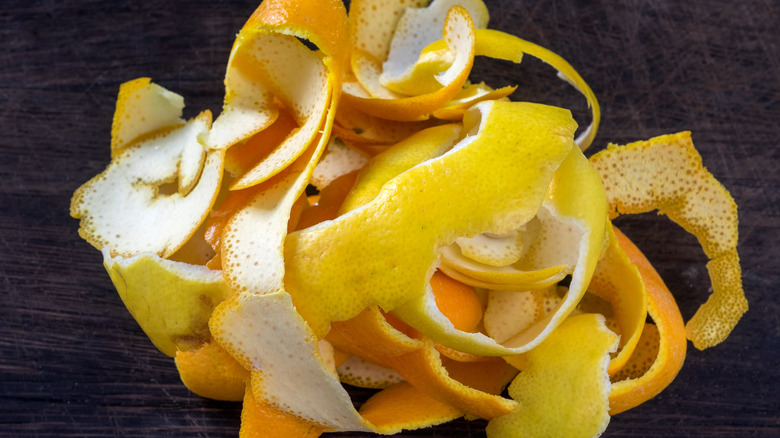
Take a walk through the cleaning product aisle at your local grocery store, and you'll probably notice that a lot of the cleaners are citrus-scented. This is because citrus has a light, refreshing aroma that instantly makes your house feel cleaner. But you don't need to go out and buy some expensive store-bought citrus cleaner when you can make your own at home using little more than some food scraps.
Save some citrus peels of your choosing. Orange works well here, but you can also choose lemon, lime, or even grapefruit if you prefer a different scent. You'll also need some distilled white vinegar along with a spray bottle. Just place your peels in a jar, cover them with the white vinegar, and allow them to sit for about two weeks. Once the two weeks are over, you'll have a reliable cleaner that you can use for just about any space in your home. Strain the cleaner into a spray bottle, and get to cleaning — your house is going to smell amazing.
Corn cobs

Using your citrus scraps to make a homemade cleaner is one thing, but if you're like us, you probably don't think there's much you can do with corn cobs to create your own cleaning tool at home. However, those leftover corn cobs you planned on throwing away after dinner actually can come in handy on the cleaning front: They can be used to scrub your pots and pans. Considering that it can be costly to constantly purchase new sponges and scrubbers, it makes sense to take advantage of this waste-free solution.
Once you've consumed all the corn off of the cobs in question, you're going to want to dry them out. You can do so by placing them in a cool, dry spot in your kitchen and waiting until they're no longer moist. At this point, they will be nice and hard, with an abrasive texture that makes for the perfect scrubbing tool. Use them with dish soap and water, and you'll think twice about tossing them in the trash from that point on.
Stale bread

There are actually a ton of ways to use up stale bread, so even if you've let that loaf go a bit too long, there's almost always a way you can salvage it (before it actually gets moldy, of course). But if you don't actually want to consume that stale bread, you can still make sure it doesn't end up in the trash. That's because stale bread — white sandwich bread, in particular — can make for an excellent wall cleaner. You know all those scuffs and spots that you've been meaning to scrub off your walls? Forget about expensive cleaners with questionable synthetic ingredients. You can just use a piece of bread to rub those marks off the walls.
This is because bread is quite porous. That, combined with its texture, makes it an excellent candidate for removing dirt, oil, and spots from surfaces, including your walls. You literally just need to scrub a piece of bread on the wall for a few minutes, and you'll watch those unsightly marks disappear in a pinch.
Rice water
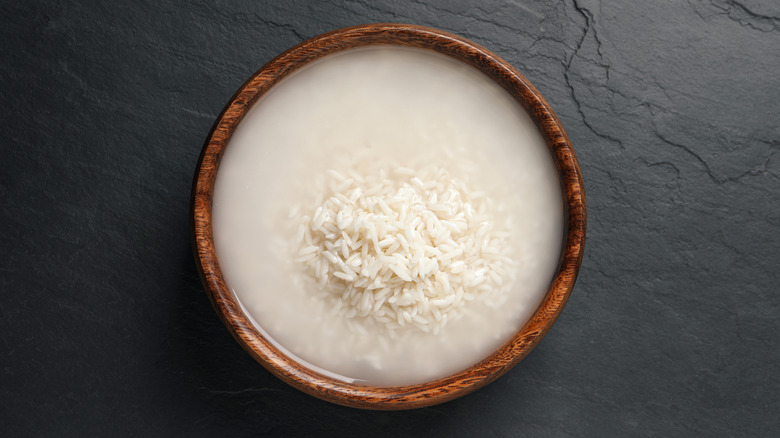
If you know how to make a good pot of rice, then you should be aware of how important it is to rinse your rice before cooking it. Without rinsing, you could end up with clumpy grains, which can ruin your dish. However, most of us who rinse our rice end up just throwing that rice water straight down the sink without ever thinking that it could be used for something else. Well, you might want to start saving your rice water, because it can actually be used as a cost-effective and non-toxic household cleaner.
You rinse rice to get rid of extra sediment in the grain, and it's that sediment that makes rice water effective for cleaning. It has an abrasive quality to it, which means it can cut through grease and other messes you may find in the kitchen. Next time you're rinsing your rice, put a bowl under the strainer to collect the water as it falls. Then, put it into a spray bottle, and notice how clean your kitchen looks without the use of expensive household products you'll find at the grocery store.
Onion
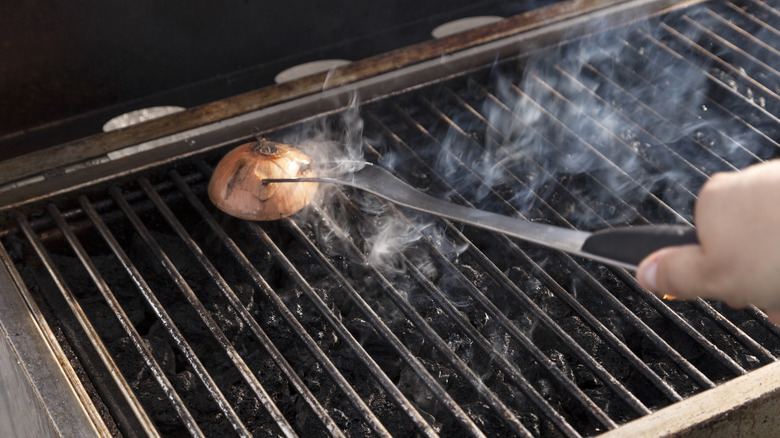
Dirty grill? You may assume that you need to have a wire brush to clean your grill thoroughly, but that may not be the case if you happen to have an onion on hand. Of course, there are many types of onions that taste great on the grill, but even if you don't want to eat an onion, it can come in handy when it comes time to clean. By cutting an onion in half and rubbing it over the grates — just like you would with a wire brush — you can remove stuck-on food and create a non-stick surface on your grill. Plus, it'll infuse your grill grates with a subtle onion flavor that automatically transfers to your food.
First, preheat your grill for about 20 minutes. Then, take a halved onion and rub it over the grates. White onions tend to work best for this. In a matter of minutes, you'll find that you have a clean grill and that any food you cook on it won't stick.
Potato peels
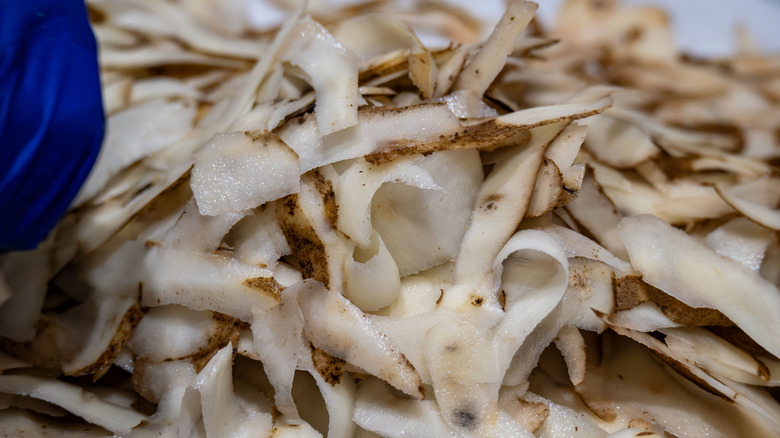
Whether you're making mashed potatoes or potato soup, peeling potatoes will leave you with a mountain of scraps that you may assume you should simply throw away. But did you know that potato peels can be used to clean rust stains all over your home? All you have to do is combine your potato peels with a bit of water so that the water just covers the peels. Let them sit for several minutes to allow the starch from the peels to soak into the water. Then, remove the peels and add some baking soda to the potato water until you get a thick, paste-like texture.
You can then take this paste and rub it on any rusty spots. Maybe your kitchen sink has a rust stain, or perhaps some old metal silverware needs to be cleaned of rust. This potato peel paste only takes a few minutes to remove those pesky stains, and it's basically free. You'll never think of potato peels the same way again.