

8 High-Protein Swaps To Make Instead Of Your Usual Grocery Staples
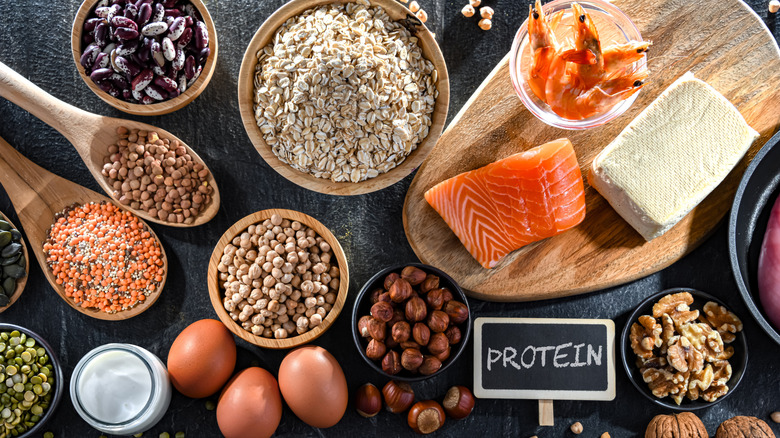
Understanding which foods are rich in which nutrients is the key to eating a balanced diet. Protein is one of the primary macronutrients, and although most of us understand that meat provides a big dose of it, there are many more ways to get this vital nutrient into your diet.
Being able to enjoy the foods you eat makes things easier, which is why learning how to make tasty swaps for your existing favorites will help you get more protein without feeling deprived. Plus, since protein helps to keep you fuller for longer, switching out these protein-rich alternatives for your usual fare may help prevent you from opening the fridge door in search of snack inspiration 20 minutes later.
From making homemade protein smoothies to replacing potato chips with nuts, there are plenty of easy swaps you can make that will boost your protein intake without forcing you to chow down on a slab of beef. Let's take a look at some high-protein swaps to try instead in lieu of your grocery staples.
Swap quinoa for rice

Rice may be a regular grocery staple for you, but if you want to increase your protein intake without missing out on your grains, quinoa is a much better option. It can be used in some of the same dishes as rice, has a nutty flavor and fluffy texture, and will likely keep you fuller for longer, too.
White rice contains a reasonable amount of protein, with 2.3 grams in a 1-cup serving, but quinoa has more than three times as much: at least 8 grams per cup. Plus, quinoa, unlike rice, is a complete protein, meaning it contains all nine essential amino acids, which we cannot produce ourselves and therefore need to get from food. Amino acids are crucial for repairing muscle, growing tissues, and keeping blood sugar stable.
Switching rice for quinoa is easy to do, and you can have a fluffy stovetop portion ready in 20 minutes. For a more substantial meal, try quinoa fried rice for a fiber- and protein-packed meal that will keep you full for a while. If you are worried that quinoa may be a little bland, try boiling it in stock instead of water for an extra boost of flavor, or add raw scallions or sliced chilis to brighten it up.
Use lentil pasta instead of wheat pasta
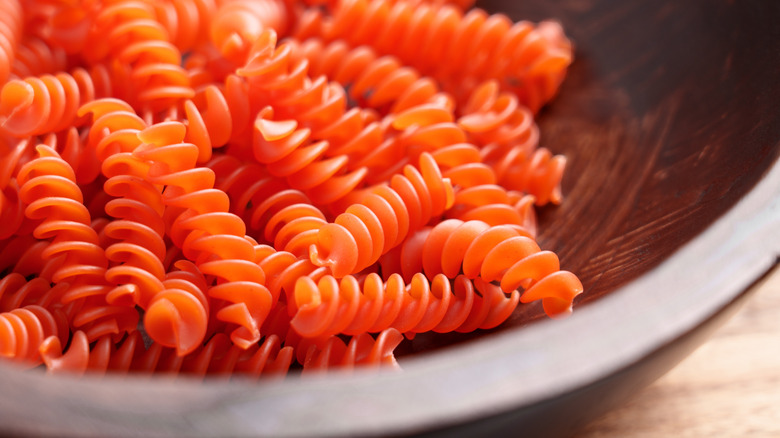
Pasta is a weeknight staple in so many households, as it's filling, tasty, and easy to get onto the table after a long day. You can significantly increase the protein content of your dish and keep the family happy by switching to lentil pasta.
The satisfying carbohydrates in a low-effort pasta dish may be easy to enjoy, but lentil pasta packs twice as much protein per 100 grams and more fiber, making it a more satiating option. The high fiber content slows down digestion, helping to keep the evening munchies at bay as you settle down for the night.
The great thing about this swap is that you can still make the pasta with your favorite sauces, allowing you to create familiar meals with an added nutritional boost. The earthy flavor of the lentils adds a tasty twist to lighter sauces, but bold options such as pesto and Bolognese will mask the change if you are worried about family members objecting. Since lentils are naturally gluten-free, this swap can also be a great option if you are cooking for those who are gluten sensitive.
Replace jam with nut butter
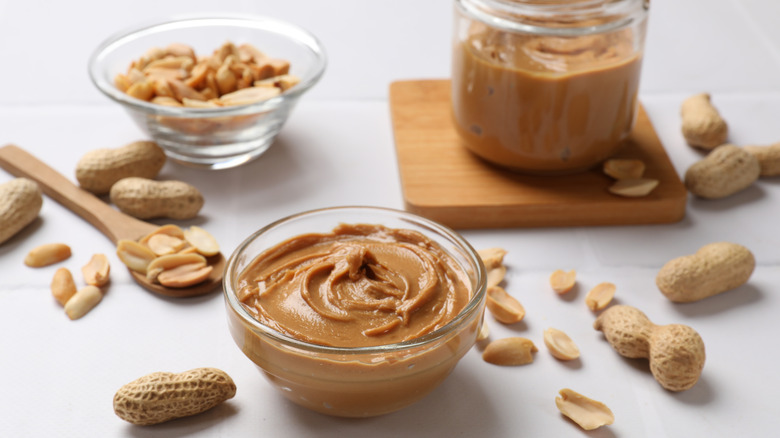
Jams and jellies are a great sweet treat to have on toast as a mid-morning snack, but if you are focusing on protein, you won't find much in a jar of the fruity spread. Try switching to nut butter instead.
Jam contains less than a gram of protein per 1-tablespoon serving, whereas a nut butter, such as almond butter, has nearly 3.5 grams for the same serving size. If you want your snack to give you energy to power through the rest of the morning, the protein, coupled with the healthy fats from the nuts, will give you the boost you need. In comparison, jam consists almost entirely of carbohydrates, which give you a brief boost, followed by the dreaded post-sugar slump.
There are plenty of nut butters to choose from, including almond, cashew, and hazelnut, so even if the usual peanut butter isn't a favorite, there are other varieties to choose from, most of which are rich in protein. You can also get versions made from seeds, such as sunflower and pumpkin, if you prefer to avoid nuts. If you don't feel like giving up the jam entirely, adding the nut or seed butter to your toast in addition to the jam will still give you a protein boost and balance the flavor of the sweet spread.
Make a protein smoothie instead of buying a pre-made one
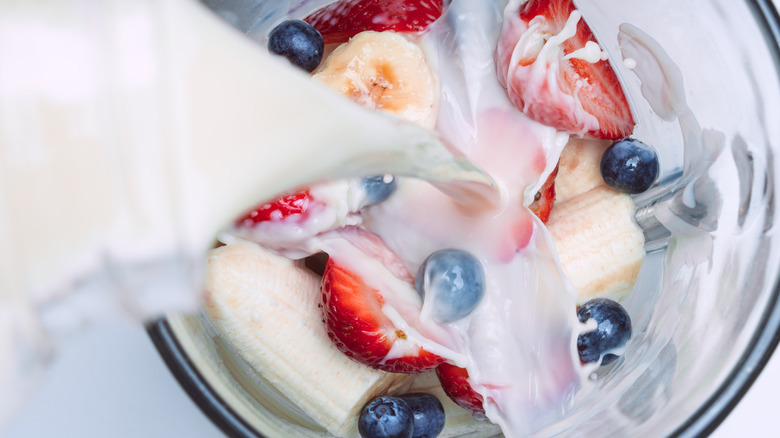
Store-bought smoothies are an incredibly convenient way to get some nutrients in; many of them are high in fiber and contain many vitamins. However, the protein content tends to be very low. Making your own allows you to customize it and pack in protein-heavy ingredients.
One of the simplest ways to add protein to a smoothie is with seeds. Flax and chia seeds, for example, are packed with protein and omega-3 fatty acids and will hardly affect the flavor of the smoothie at all. Each ounce of chia seeds adds about 4 grams of protein, making it an easy way to boost the protein count with very little effort required.
Adding a dairy product like low-fat plain kefir can also increase the protein, with one cup adding more than 9 grams. For a dairy-free alternative, canned coconut milk offers around 4.5 grams of protein per cup. Any of these options allow you to create a delicious smoothie that beats the store-bought version's low protein content. With so many tasty ways to customize it, you can have a different smoothie every day, all while still hitting your protein goals.
Eat edamame instead of peas
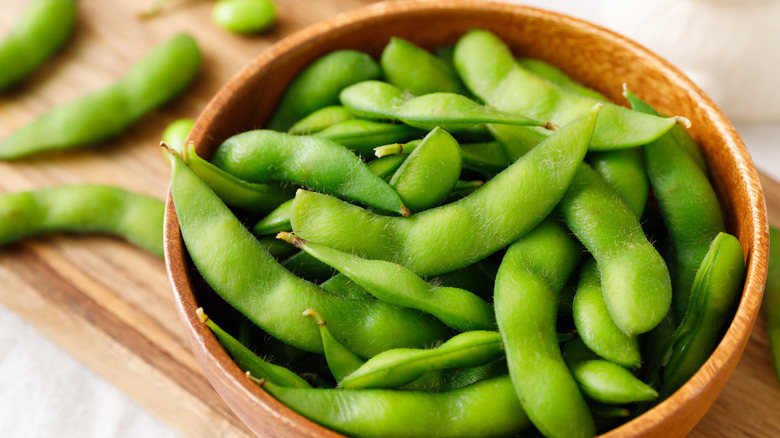
Green peas are a great healthy side dish or snack. They're full of fiber and vitamins C and K. Although they contain some protein, swapping them occasionally for edamame instead will more than double the protein content, while providing a similar, earthy flavor.
Edamame are immature soybeans. They're eaten in many Asian cuisines, though they're easy to find in the States, too. Preparing edamame is simple: Boil or steam them in their shells for 5 minutes, crack open the pod, sprinkle a little salt if desired, then eat them straight away to enjoy their satisfying crunch. Their flavor is mild but distinctive enough to make them a tasty alternative to green peas, and they can also be served in a salad or tossed in a stir-fry to increase the protein content of the respective dish.
Edamame is also a complete protein. It can fit into many cuisines and can be enhanced with a squeeze of lemon juice, ginger and garlic, or simply some chili flakes. If you love to eat peas regularly, try adding edamame to your shopping list to see how seamlessly it can fit into your favorite meals.
Buy egg white wraps instead of wheat wraps

Wheat wraps are an incredibly versatile food that can be used as a bread replacement in a sandwich or for a satisfying midweek dinner like quesadillas or fajitas. They have a reasonable protein content of around 9 grams per 100-gram serving, but a store-bought egg wrap has upwards of 21 grams. Plus, you can still fill your egg wraps with any ingredients you'd normally pair with wheat tortillas.
Egg white wraps are available in a wide range of flavors, from garlic and herb or Southwest seasoning to gluten-free versions and even sweet ones to use as a dessert. You can use your egg white wraps for a wide variety of meals, from stuffing them with salad to layering them into a hearty lasagna, or adorning the cinnamon-flavored ones filled with fresh fruit and a drizzle of honey. However you choose to use them, rest assured that their high protein content will help keep you full.
Snack on nuts and seeds instead of chips
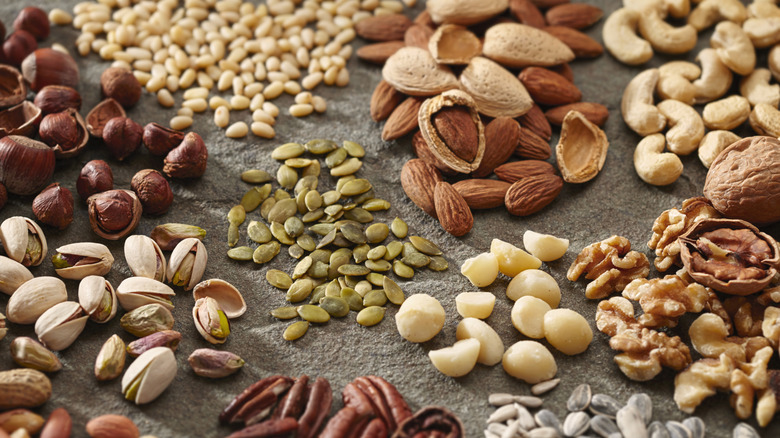
Most of us love to snack on a bag of chips from time to time, especially when the craving for something crunchy strikes. If you're looking for a higher-protein snack though, nuts and seeds can offer the same textural satisfaction while providing up to five times as much protein.
On average, potato chips contain 7 grams of protein per 100-gram serving, but almonds have 21 grams of protein for the same weight, and pumpkin seeds have an impressive 30 grams. While most nuts and seeds are not complete proteins, meaning they lack enough at least one of the essential amino acids, hemp seeds and chia seeds both are, so you can add them to your trail mix for an extra protein punch.
Another option that will satisfy the craving for chips is keto-friendly cheese crisps. With 24 grams of protein per 57-gram serving, they are an ideal option when you need a salty, crunchy alternative to your favorite potato chips.
Replace bottled ranch dressing with homemade tofu ranch
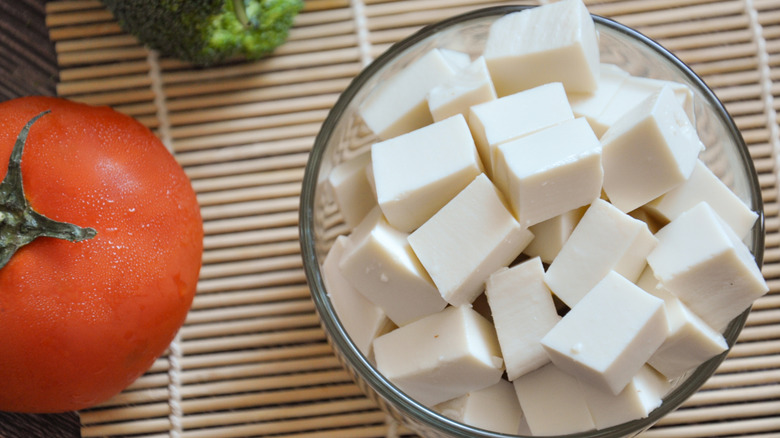
Store-bought ranch dressing may be tasty, but protein doesn't often make an appearance on its long list of ingredients. The average bottle of ranch dressing has less than 0.2 grams of protein per tablespoon, but there is a way to create a homemade version that is not only delicious but also packs an impressive protein punch: adding silken tofu.
Silken tofu is a creamy, vegan ingredient made primarily from soybeans – a protein powerhouse of an ingredient. It can be used as a decadent base for dressings and dips. Its flavor, when blended into a dressing with other ingredients, is mild, and you can customize it with whatever herbs and spices suit your palate. As long as you have a blender, homemade tofu ranch dressing can be made in minutes and will add 7 grams of plant-based protein for every 100 grams of silken tofu you blend into it.