

8 Leftovers That Really Don't Reheat Well
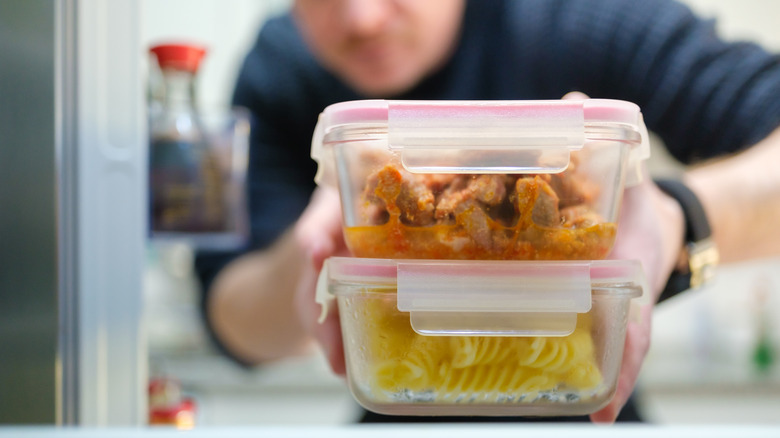
You've filled your plate with something delicious, but halfway through, you find that you just can't stomach any more. You could throw the remainder in the trash, of course, but that's a huge waste of food you should avoid if you care about sustainability in the kitchen. That's why keeping your leftovers is generally a good idea. However, there are some types of foods that don't reheat well the next day, leaving you with a smelly kitchen, a tough piece of meat, or simply a dish that doesn't taste as it should.
So, before you throw your leftovers in the microwave, air fryer, or oven, take a closer look at these categories of food that don't tend to reheat well. That way, you can ensure that you're not leaving behind leftovers that won't end up tasting very good the next day. At least it's a good excuse to take another serving at the dinner table, right? Then, check out the foods that do reheat well.
Steak
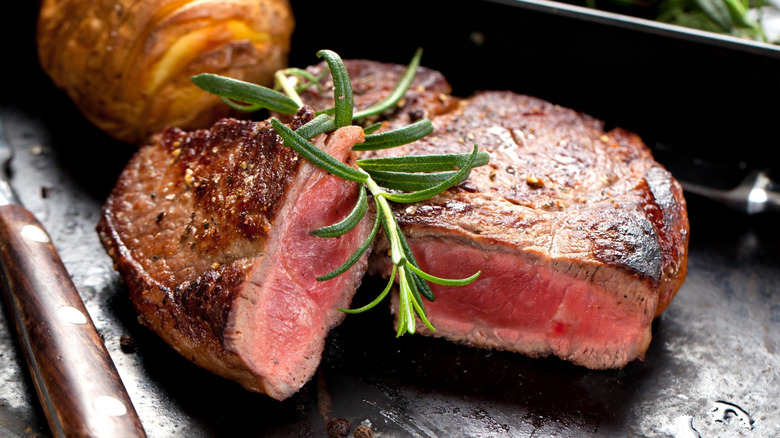
When you order a steak (or you make one at home), you have to think about how well done you want it to be. If you're the kind of person who prefers their steak medium rare, for instance, then you know how important it is for that steak not to be overcooked, which can result in a tougher texture and less impressive flavor. It only makes sense, then, that reheating a steak could cause some problems on both the flavor and texture fronts. After all, you're messing with that delicate balance of doneness, potentially resulting in a chewier, less pleasant piece of meat.
One thing is for sure: You should definitely avoid the microwave to reheat your steak. You may be able to use the oven or the stovetop for a gentler reheating process, but even so, your steak isn't likely to taste like it did when it was fresh off the grill.
Fish
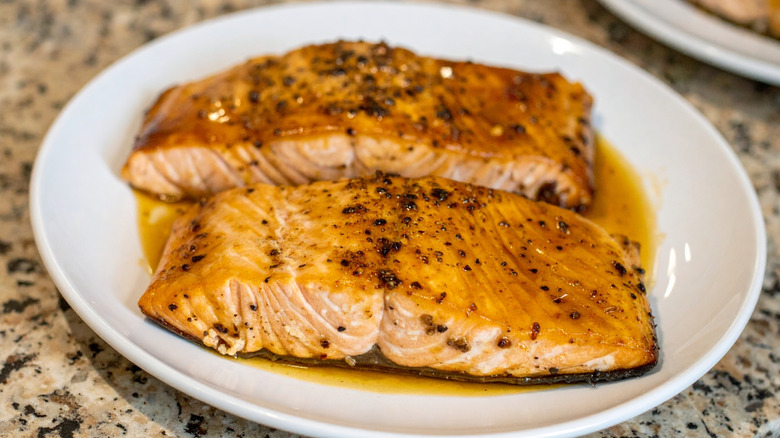
If you work or live in a shared space, there's one easy way to ensure that your coworkers or housemates will be annoyed with you: reheating fish in the microwave. It's notoriously smelly, and it can make a whole kitchen reek of overcooked seafood. Not only that, but it's liable to make the fish itself rubbery and tough, which is exactly what you don't want with seafood. Although you can try reheating fish at a lower heat in the oven (when nobody else is home, preferably), your fish is still likely to come out less delicious than it was the first time you enjoyed it.
But that doesn't mean you can't still eat your fish-based leftovers. In many cases, you can enjoy them cold instead. A salmon filet, for instance, can be repurposed into a homemade sushi bowl, with no reheating required (and yes, that means that you can totally take it to the office with you).
Nachos
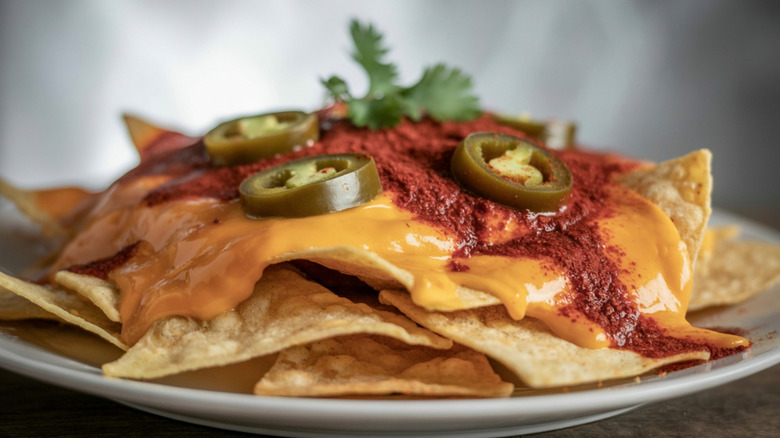
If there's one dish that famously doesn't reheat well, it's nachos. Think about it: There are so many different elements you're working with, many of which are supposed to be served cold. After all, you're probably not topping your fresh nachos with warm sour cream, guacamole, or pico de gallo. At the same time, the base of the dish — tortilla chips — should be served at room temperature. Then, there are still other ingredients, including the meat and cheese, that ought to be warmed up before they're enjoyed again. And once you do warm them up, you might find that your chips have gone soggy and that those cold ingredients have become liquidy and deeply unappealing.
Therefore, your best bet is to simply finish your plate of nachos once you've started eating it (and making sure you don't over-serve yourself). However, if you are going to try to reheat your nachos, you should try to scrape off as much of those cold ingredients as you can before throwing the rest of the dish under the broiler for a few minutes, then reintegrating all of the ingredients together again. Still, you're likely to be left with nachos that are undeniably soft and even soggy, in most cases.
Creamy sauces
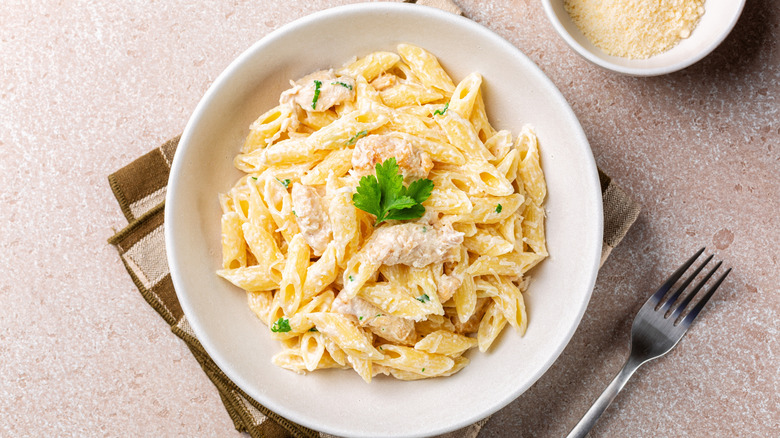
We love a good pasta dish with a nice, creamy sauce. The richness from the sauce coats every noodle, resulting in a decadent bite that you'll want to go back for again and again. But take your carbonara or Alfredo and put it in the microwave the next day, and you'll likely find that the sauce has separated, leaving you with a ton of oiliness and a clumpy residue that simply doesn't coat your pasta very well. Of course, you can go ahead and indulge in these leftovers, but they're definitely not going to taste as good as the dish tasted when it was fresh.
If you do want to try to reheat your creamy sauce-based leftovers, you're probably better off doing it in a pot than in the microwave. At a lower temperature, you may be able to prevent some of that separation in the sauce, but it's not guaranteed. Ideally, anything with a creamy sauce should be finished when it's still fresh.
Eggs
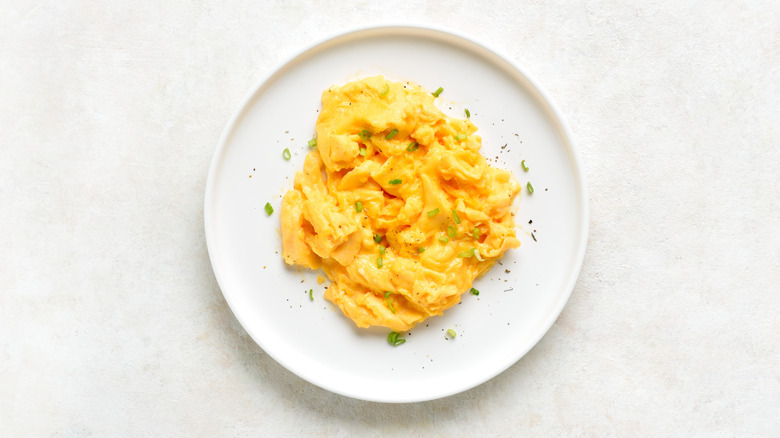
So, you made a ton of eggs for breakfast, and you're not able to finish the batch before you start to get full. You may assume that you can simply place those cooked eggs in the fridge and reheat them later when you start to get hungry again. But we're here to tell you that, generally speaking, eggs don't tend to reheat very well. You're likely to end up with a rubbery texture than you would have with freshly cooked eggs, and they could have an unfortunate toughness to them that makes their texture even more unpleasant.
If you do want to make eggs ahead of time, your best bet is to boil them, then eat them cold when you're ready to indulge at a later time. Otherwise, just cook new eggs from scratch. Luckily, scrambled, fried, and poached eggs can be prepared very quickly, so you don't need to make extra just to ensure you have something to eat later on in the day or week.
Roasted vegetables
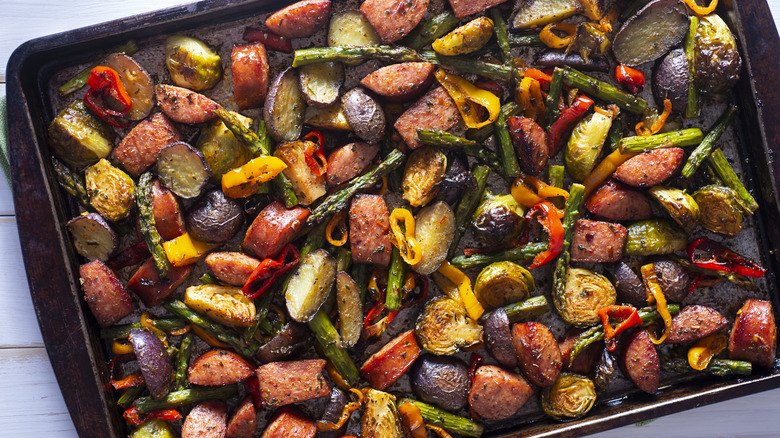
If you're trying to get more vegetables into your diet, roasted vegetables are the way to go. They tend to have a nice crispiness to them along with a complexity of flavor that makes them a lot more interesting than, say, steamed veggies. But if you've ever tried to meal prep roasted vegetables before, then you've probably found that they don't tend to reheat very well. Instead of retaining their crispy, browned texture, they're liable to become soft and even soggy after they've been reheated, particularly in the microwave. And if you decide to air fry them or re-roast them instead, then you run the risk of burning them.
Ultimately, reheated roasted vegetables are still edible, and they'll still help you meet your veggie quota for the day. But if you want roasted vegetables to taste their absolute best, then you should eat them while they're still fresh (and ideally when they're still hot to boot).
Pizza
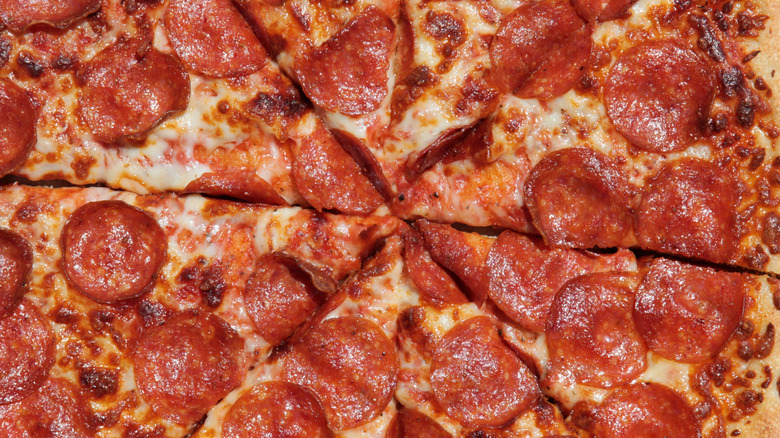
You decided you didn't want to cook last night, so you ordered a pizza instead. When you opened up the box, you were met with a hot, steaming pie with gooey, melted cheese that hit the spot just right. However, once you try to reheat that leftover pizza slice the next day, you'll probably find that it really doesn't taste as good as it did the night before. So, what gives?
First of all, reheating a pizza can result in a change in the dish's texture. If the crust is already somewhat dry, it may crisp up in an unpleasant way once it's been reheated. Alternatively, if you use the microwave, you might be left with a soggy crust, which is arguably even worse.
Our advice? Don't worry about reheating your pizza at all. Cold pizza arguably tastes even better than the fresh stuff, and it takes no prep work — just take it out of the fridge and dig in. Sure, it might not exactly be gourmet, but cold pizza is a simple delight that we all deserve from time to time.
Rice
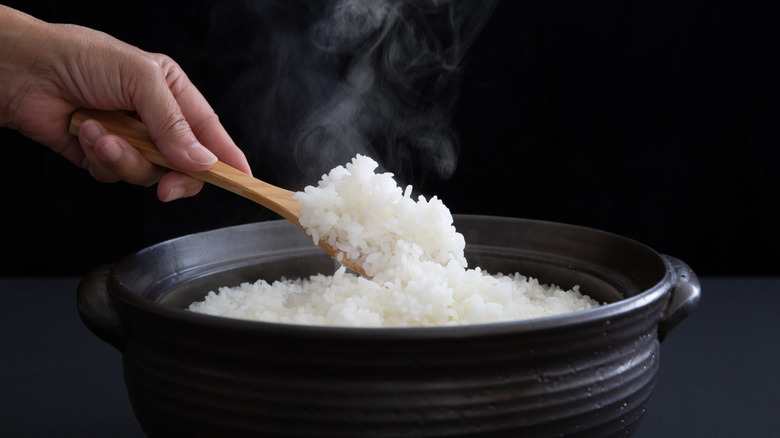
When you want to make sure you're eating healthy for the week, it can be a good idea to go ahead and meal prep ahead of time. This way, you never have to wonder what you're going to be making for your next meal. And if you want to keep things really simple, whipping up some protein, a vegetable, and rice is a great way to keep things relatively light and healthy. However, you may be surprised to learn that it actually isn't a great idea to reheat rice. That's not because rice tastes particularly bad reheated — rather, it's because of bacteria that can grow in leftover rice that can cause serious illness.
The bacterium is called Bacillus cereus, and it can even (rarely) send you to the hospital. Therefore, try to keep your consumption of leftover and reheated rice to a minimum. If you are going to keep leftover rice to reheat later, make sure you make a smaller batch of it, and don't leave it out on the counter for too long (anything more than two hours is too long). That way, you can ensure that your reheated rice is a bit safer. However, if you want to avoid that risk entirely, just skip the reheated rice and make it fresh whenever you're preparing your next meal.