

10 Mistakes Everyone Makes With Frozen Veggies
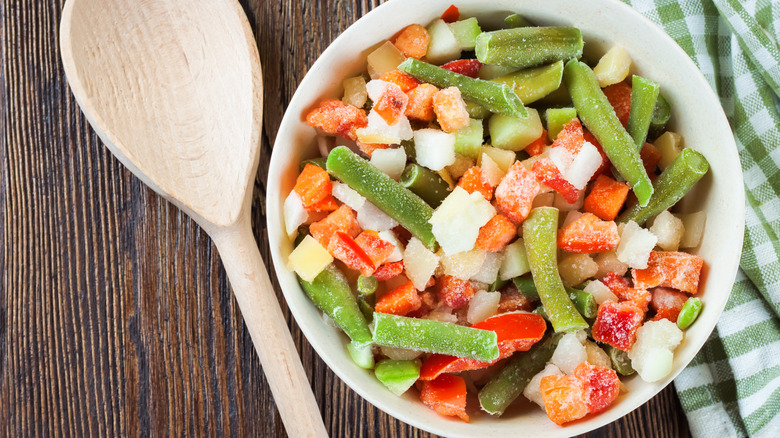
On busy weeknights, whipping up something quick and convenient for dinner is the goal, and frozen veggies are the perfect tool for keeping things hassle-free. Bringing color, texture, and nutrients to your plate, these freezer staples come in multiple varieties, and they're wonderfully simple to prepare. Often ready to eat in just a few minutes, the veggies can be served as a side for roasted meats or tossed into one-pan dinners, and cooked correctly, they'll be just as delicious as their fresh counterparts.
However, when it comes to prepping frozen veg, there are some common mistakes that can significantly impact flavor, texture, and nutritional quality. If you typically chuck the veg into a pot of boiling water without a second thought, it might be time to switch up your approach, because there are plenty of other, often more effective methods to consider. With a few nifty techniques, it's easy to get the best out of your veg, ensuring it comes out flavor-packed and perfectly tender-crisp every time. So, here's what to avoid when cooking with frozen vegetables, plus some top tips on how to make them taste amazing.
Defrosting them before cooking
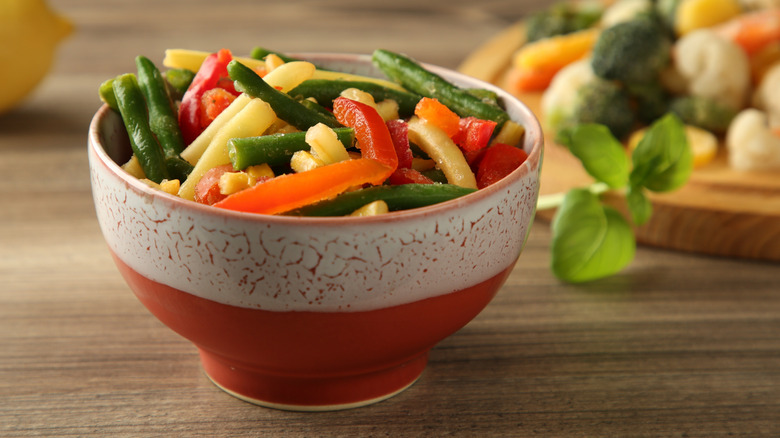
While many frozen foods require defrosting prior to cooking, most vegetables do not. In fact, thawing frozen vegetables before use can actually have a detrimental impact on their texture. To maintain that all-important bite, popular vegetables like carrots, cauliflower, and peas should all be cooked directly from the freezer. Otherwise, you might be left with a rather unappealing plateful of limp, soggy veg. Plus, thawing is just another step to factor into your prep time, so skipping it makes things more convenient.
For the crispiest results, try oven-baking the veg from frozen. This is a particularly great method for bringing out broccoli's natural sweetness and giving it a glorious charred finish. Just keep in mind that you'll likely need to bake frozen vegetables for longer than you would their fresh counterparts.
The no-thaw rule applies to most vegetables; however, for some, such as spinach and other leafy greens that come packed in a block, defrosting is required. To do this, just let the veggie sit in the fridge overnight or at room temperature for a few hours. Alternatively, you can pop it in a strainer and run cold water over it until it thaws. Before using the spinach leaves in your recipe, it's crucial to squeeze out the excess water; otherwise, they may release excess liquid into your dish and make things a little soggy.
Not venturing away from boiling or microwaving
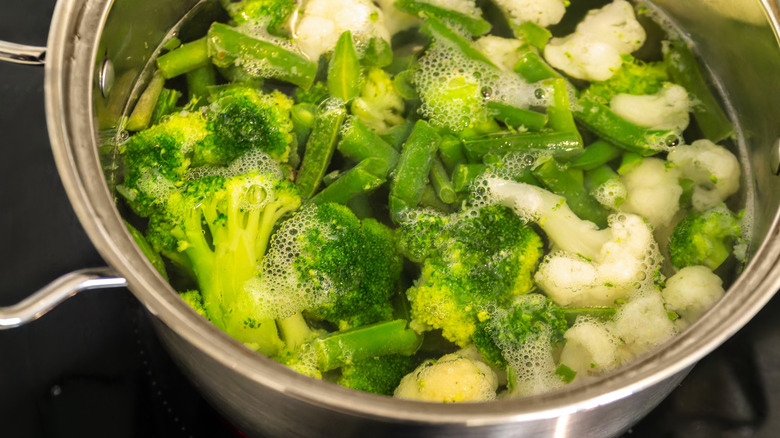
Two of the most common ways we see frozen vegetables prepared are boiled in a pan of water or steamed in the microwave. These methods may be fast and convenient, but they don't always yield the most appealing results. Boiling and steaming present less opportunity for incorporating additional seasonings and cause more nutrient loss than other methods. Plus, it's not possible to get that desirable charred, caramelized finish. That's why sauteing or roasting is more favorable for maximizing flavor and achieving tender-crisp results.
To saute classic mixed frozen vegetables, start by adding oil to a large frying pan over medium heat. Then, add the veg and let it cook for around seven minutes, stirring frequently until everything is tender and lightly browned. You can also incorporate some seasonings if desired, such as paprika, garlic powder, oregano, or parsley. A splash of soy sauce added towards the end of cooking works brilliantly, too. Some smaller veggies like peas and corn will require a shorter cook time, while others like butternut squash will take longer.
Roasting is also ideal if you don't want to spend time standing over the stovetop. Just spread the vegetables out in an even layer onto a preheated, parchment-lined baking sheet, and bake them for around 20 minutes at 400 degrees Fahrenheit. At this point, you can toss the veggies with oil and seasonings before returning them to the oven for a final five to 10 minutes to crisp up.
Storing them in the freezer for too long
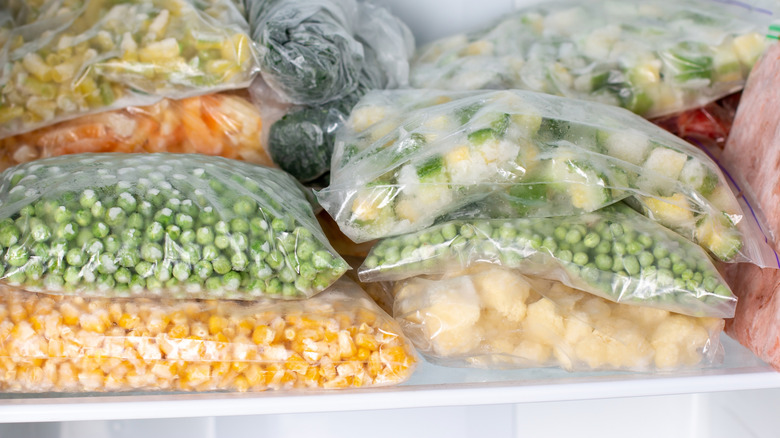
The freezer can certainly extend the life of your vegetables, but it will not preserve their texture and flavor indefinitely. Over time, moisture slowly seeps out of the vegetables, causing them to dry out. The telltale sign here is the formation of ice crystals, which build up on the outside of the vegetables as the moisture leaves. This can even happen with vegetables that are still sealed within their original packaging. While frosty frozen veg is still safe to consume, it's probably past its best, and may end up looking dull and shrivelled once cooked.
Frozen vegetables should keep well in the freezer for around eight months, but for the very best results, aim to use them within three months. The ideal storage length will vary somewhat between different varieties. For example, high-moisture veggies like eggplant and tomatoes don't fare as well in the freezer as the more robust broccoli, peas, and carrots.
If you're freezing fresh vegetables, prepping them effectively can help you to preserve their quality as best as possible during freezing. Dice them into evenly sized chunks (if necessary), then briefly blanch the vegetables before adding them to a bowl of ice water. Blanching will lock in flavor, color, texture, and nutrients, so it's important not to skip this step. Make sure to dry the veg thoroughly with paper towels, then spread the pieces out on a baking sheet for the initial freeze (to stop them sticking together), before transferring them to sealable freezer bags for longer-term storage.
Overcooking them
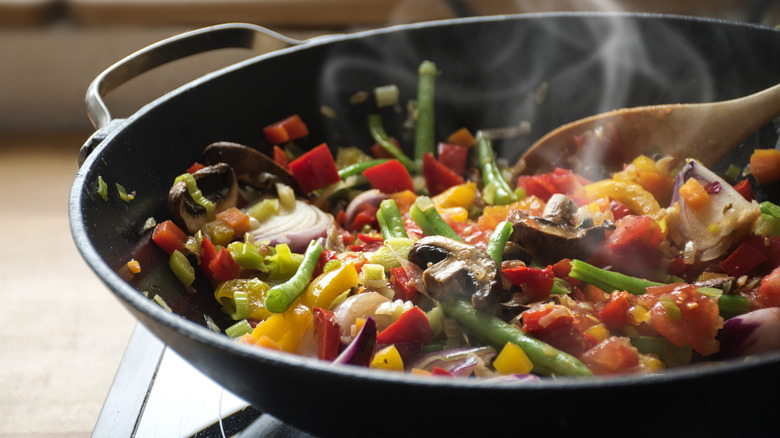
One of the most common mishaps with frozen vegetables is overcooking. This can leave things soggy, lifeless, and all-round unappetizing, or worse still, burnt and inedible. Whether you're boiling, steaming, roasting, or sauteing, getting the cooking time wrong is detrimental. So, to avoid disappointment, don't use guesswork. Instead, set a timer or keep a close eye on the vegetables as they cook, tailoring the timing to your specific method and vegetable variety.
Since most frozen vegetables have been blanched prior to freezing, they often require shorter cooking times than fresh varieties. And, the directions on the packaging aren't always guaranteed to yield the best results. Some vegetables will taste better after a shorter stint in the pan, microwave, or steamer (peas and corn are particularly quick-cooking). Or, if you're roasting vegetables in the oven, flipping them at regular intervals can help to promote even cooking, preventing any unwanted burnt spots.
If you've accidentally overdone it when boiling veggies, you may be able to salvage them somewhat, or at least prevent things from getting any worse. Drain the boiled veg and quickly transfer it to a large bowl of ice water. This will quickly halt the cooking process and prevent any further loss of texture, flavor, and color. Alternatively, you could blend the vegetables into a soup or sauce, where their softer texture will go unnoticed.
Not seasoning them
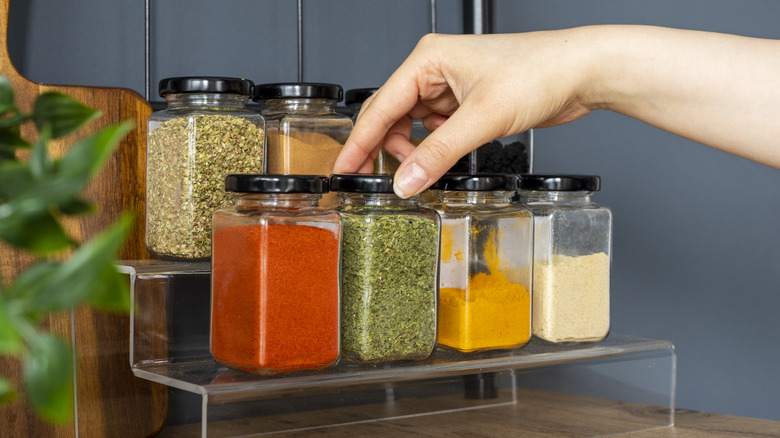
A bowl of plain, boiled vegetables isn't particularly inspiring, but all too often, frozen veg isn't given the attention it deserves. Rather than viewing it as a healthy obligation that isn't worth jazzing up, why not make it the main event of your meal? After all, it's much easier to add flavor to frozen vegetables than you might think.
If roasting or air-frying is your method of choice, there are plenty of ways to enhance the veggies. You'll first cook the veg unseasoned, straight from frozen. Once it's tender and just starting to brown, it's now ready to absorb some spicy, zesty, or aromatic flavors. Toss the vegetables with a splash of olive oil, plus salt, pepper, and your chosen seasonings. Garlic powder, paprika, mint, cumin, and sage will all work fantastically. Return everything to the oven for a final five minutes or so, and the veg should be gorgeously charred and fragrant.
When boiling vegetables, don't forget to add a generous sprinkling of salt to the cooking water. You could also drop sprigs of rosemary or thyme into the pot to infuse the veg as it cooks. Or, try adding flavor post-cooking. For example, toss the vegetables with garlic butter or soy sauce, squeeze over some lemon juice, or drizzle with fresh pesto. This technique is also ideal for steamed vegetables.
Not incorporating them into other recipes
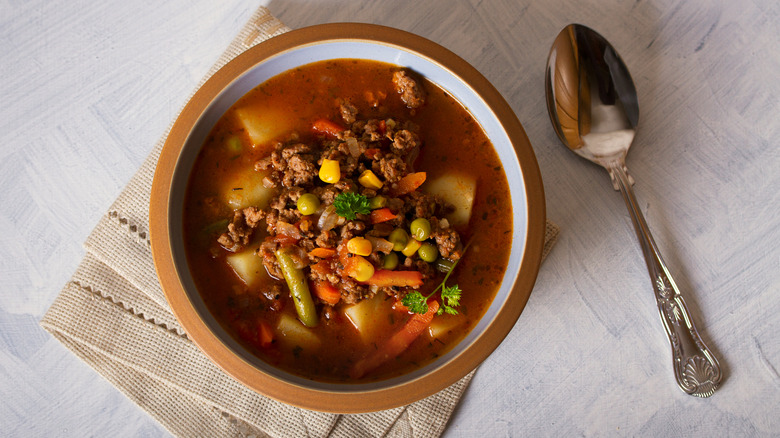
While frozen vegetables make an ideal side dish for meats, fish, and potatoes, that's not all they're good for. These colorful morsels can also enhance an array of other recipes, and the possibilities really are endless.
Frozen carrots, corn, and green beans are all excellent candidates for throwing into fried rice dishes. They're best added after you've sauteed any aromatics like ginger and garlic, but before the rice. Broccoli, cauliflower, and butternut squash work especially well in soups, stews, and curries, adding plenty of texture and heartiness, and absorbing the rich flavors of the broth or sauce beautifully. If you're whipping up a homemade pasta sauce, try starting with a base of sauteed frozen diced onions and bell peppers to inject heaps of aromatic depth and natural sweetness. Or, toss frozen mixed veg or thawed and drained frozen spinach into a risotto, pie filling, or quiche for a quick nutrient boost.
Once steamed, boiled, sauteed, or roasted, the vegetables can also be incorporated into grain bowls and salads, perhaps paired with a creamy dressing or zesty vinaigrette. The pre-cooked veggies are also ideal for sprucing up an omelet, topping a homemade pizza, or making a batch of crispy fritters.
Forgetting that cooking isn't always required
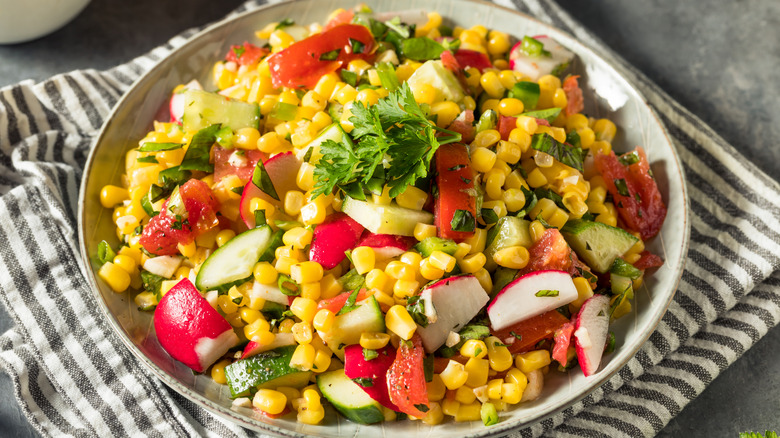
If grabbing a pan or steamer basket has become second nature when prepping frozen vegetables, consider whether this is actually necessary. That's right, most frozen vegetables don't technically require cooking at all. So, if you're incorporating them into chilled dishes, all they'll need is a quick thaw. This way, you'll avoid the inevitable loss of nutrients that comes with cooking, all while saving on time, energy, and clean-up.
To thaw the frozen veg, just pop it in a colander under some cold, running water. It should take around three to five minutes to defrost, depending on the size of the vegetable pieces. Then, it's ready to be added to salads and salsas. If you're making a pasta salad, a top tip is to thaw the vegetables by placing them into a bowl and simply pouring the hot, drained pasta on top. Let everything sit for a few minutes, then toss the ingredients together, and the veg will soon be tender and ready to eat.
Thawed vegetables are also great for blending into dressings, sauces, and dips. Think vibrant beet hummus, pesto with peas, or avocado in a creamy green goddess dressing. Veggies shine in smoothies too, and reaching for frozen varieties can help you achieve a lovely, thick, frosty texture. Try blitzing up frozen sweet potato with banana, dates, milk, and warming spices for a cozy, nutrient-loaded breakfast or snack.
Sticking to the same veggies every time
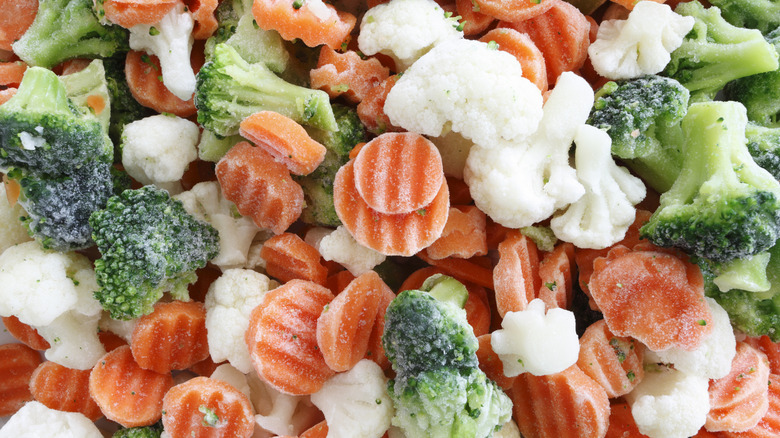
A standard bag of frozen mixed vegetables typically contains carrots, green beans, corn, and peas. While this medley offers plenty of color, flavor, and nutritional variety, don't let your culinary horizons end there. A whole host of other vegetables come in frozen form, many of which are highly underrated. As well as being incredibly convenient and versatile, these hidden gems of the freezer section are often a more economical choice, too.
First up, we have artichokes, and picking them up in frozen form is really a no-brainer. Famously fussy to prep, fresh artichokes require thorough trimming and washing, but with frozen artichokes, you'll have none of that. They also boast a firmer texture and fresher taste than canned varieties. Try adding thawed and drained frozen artichokes to a classic cheesy spinach artichoke dip, or blending them into creamy pasta sauce.
Edamame are also readily available in the freezer aisle, and these are fantastic for adding to poke bowls and salads, or blitzing into hummus. Another excellent option is bamboo shoots, which taste amazing in Asian-inspired soups and stir-fries. Frozen Brussels sprouts deserve more love, too, and these become beautifully tender and caramelized when sauteed or roasted.
Treating all frozen vegetables the same
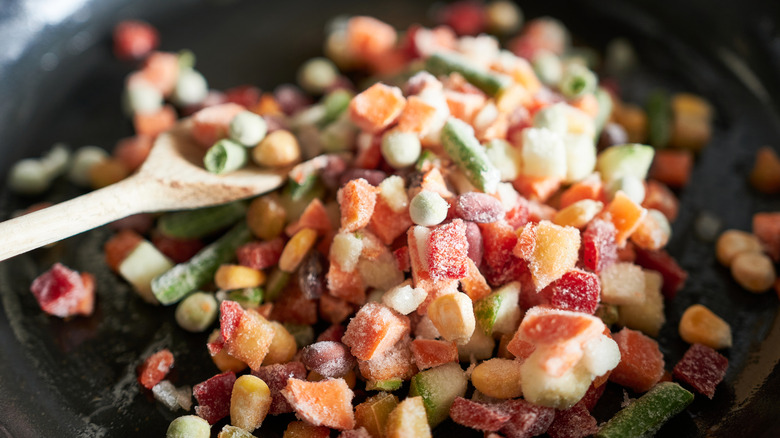
It's always good to aim for diversity when stocking up your freezer with vegetables, but remember that each variety will require a slightly different approach to prep. Different vegetables lend themselves particularly well to certain dishes and cooking methods, but perhaps the most crucial factor to consider here is cooking time. And, there's no one-size-fits-all solution. In a steamer, broccoli, carrots, and cauliflower will generally require around five to eight minutes, while corn and edamame can be ready in as little as two minutes. Pearl onions, on the other hand, may need around 13 minutes to cook through.
If you're opting for an oven-roasted finish, the veg might need anywhere between 15 and 25 minutes of cooking. Green beans, zucchini, and broccoli should sit somewhere towards the lower end of the cook time scale, while butternut squash and Brussels sprouts typically need longer. Sauteing is another great technique, and your timing should again be adapted to the veggies in question. Peas are a speedy choice, cooking in around three minutes, and most others will be ready within five to seven.
Overcrowding the pan when sauteing
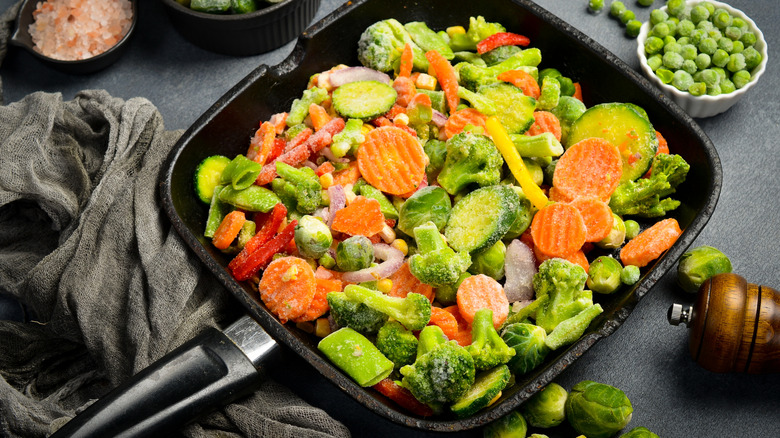
Another way to set yourself up for disappointingly soggy vegetables is to overcrowd the pan during sautéing. Ideally, you want your veggies of choice to sit in a single layer in the frying pan, as this will help you achieve caramelization and maintain texture. Pile them up in multiple layers, and the vegetables will not only take longer to cook, but they will likely look and taste a little lackluster.
As the frozen vegetables cook in the pan, they release water, and it's vital that this has space to evaporate. When the pan is too crowded, this liquid becomes trapped, and the veggies essentially boil or steam rather than getting sauteed, which can lead to sogginess. Instead, the vegetables should have enough breathing room so the water can escape, and continuous contact with the hot surface of the pan can be maintained. This way, you'll get that lovely golden brown finish, and the veg will still have some bite to it, making it tastier all round.