

10 Restaurant Customer Habits That Can Earn You Better Service

Ever wondered why some diners seem to get the VIP treatment — extra refills, complimentary sides, and better seating — while your service appears to be sluggish and punctuated with silent eye rolls? The former isn't necessarily a result of doling out fat wads of cash (although it is advisable to tip fairly and consistently), but likely because that customer has mastered the art of building positive rapport and fostering goodwill with their servers.
If you are looking to upgrade the service you receive from "get it done" to truly specialized care, it helps to take notes from those in the know. Rishabh Khosla, restaurant manager at The Westin Hyderabad Mindspace, believes that certain habits can encourage better cooperation. Make a good first impression by greeting your server warmly and using their name, communicate your order concisely, and politely phrase any additional requests. Ideal customer behavior helps reduce friction and conflict: share feedback on the food constructively and be patient during peak hours. By adopting these small changes, you can help make the service more friendly and efficient.
Once you earn the staff's goodwill, they're more likely to reciprocate with the perks at their disposal, such as faster seating at coveted tables and special attention during rush hour. Most importantly, they'll genuinely look forward to serving you and making each meal a memorable experience.
Always greet the staff warmly

Most restaurant servers undergo rigorous training on greeting customers — a common rule is to welcome guests within 30 seconds of their arrival, even during peak periods. There is no reason why this effort shouldn't be reciprocated. According to Rishabh Khosla, a warm greeting can humanize the interaction and set the mood for the meal to come. "A friendly tone and approachable body language communicate respect and ease. Express brief appreciation, such as acknowledging their effort or hospitality," he advises.
The principles are the same as making a good first impression at work — your facial expression, body language, and tone of voice all influence the server's initial opinion of you. To ensure it's positive, make eye contact, smile, and keep your body language open and friendly. Khosla believes that it's important not to rush these interactions. "Building rapport comes through small gestures: asking simple, considerate questions, remembering personal details, and staying consistent in friendliness," he says.
If these little gestures are missed, you will still be fed, but you may notice the exchange is more business-like and devoid of any extra hospitality — the staff may not be quite as willing to go out of their way to accommodate requests. "Genuine warmth paired with professionalism helps staff feel valued and encourages mutual respect, creating smoother communication and a welcoming atmosphere for both sides," he says.
Remember your server's name

If you are looking to build a connection with your server, make the effort to remember their name and use it respectfully throughout your interactions. Rishabh Khosla agrees, "It shows genuine appreciation, builds rapport, and helps your server feel valued, often leading to more attentive, thoughtful hospitality."
However, there are certain dos and don'ts regarding this etiquette. According to Khosla, the graceful approach is to learn the server's name during your initial introduction and use it naturally in conversation. He finds that it helps to add the name at the end of polite phrases, like "Thank you," or "That was wonderful." However, he recommends you avoid overusing the server's name or poking fun at it. "A polite tone, matched with friendliness and empathy, keeps boundaries intact while making the gesture sincere rather than forced," he says.
Not good at remembering names? Borrow a page from the playbook of President Franklin D. Roosevelt, who always surprised his staff by remembering the names of everyone he met. Roosevelt would visualize the person's name written across their forehead. Even the simple act of repeating someone's name out loud can fix it more firmly in your memory and promote more meaningful connections. "This thoughtful approach nurtures mutual respect, warmth, and lasting comfort throughout your dining experience," says Khosla.
Be polite, not demanding

We've all been there: you take a seat at a restaurant, only to realize that you'd prefer the quieter nook by the window. Your water arrives, but you want extra ice. Your nephew makes a mess and needs extra napkins. When the meal ends, there's the complicated process of splitting the bill among multiple people. The average restaurant dining experience is often littered with additional requests, all of which the staff will be inclined to accommodate despite their workload — as long as your needs are communicated politely and respectfully.
While most restaurants aim to prioritize customer experience, remember that the waitstaff have a room full of diners to serve. By bluntly firing off a volley of requests, especially during peak hours, you might receive less-than-adequate service rather than the exceptional attention you expect. "Being assertive means clearly stating what you need while remaining courteous and patient, striking a balance between confidence and respect," Rishabh Khosla explains.
While you may not intend any disrespect, Khosla believes that certain phrases, such as "please" and "thank you," cushion how requests land. It's also important to phrase requests as courteous questions rather than demands. "For example, say 'Could you please help me with...?' instead of 'I need this now.' It's essential to maintain a calm, friendly tone and show appreciation for the staff's effort," he advises.
Communicate your order precisely

If you ask your server to bring over "whatever's good," you can't be offended if the food you receive isn't what you wanted. When an order isn't relayed clearly and precisely, misunderstandings can snowball, wasting resources and causing customer dissatisfaction. "Clear communication ensures the kitchen receives accurate details, reducing errors and improving overall service quality," Rishabh Khosla explains.
Wanting to customize your order is not a crime, but the way you communicate it to the waitstaff can determine how far they're willing to go to accommodate you. The first thing Khosla recommends is avoiding vagueness. "Confirming your order by repeating key points helps ensure clarity," he says. As a rule of thumb, it's best to keep your order simple, especially during busy periods. If you have a string of customization requests, be prepared to tip generously. And, of course, be polite by using phrases such as, "Could I please have...?" or "May I request...?"
If you're ordering a menu item you can't pronounce, acknowledge that you are unfamiliar with the dish and would like to learn the correct way to say it. In Khosla's experience, clarity and courtesy show respect for the staff's efforts and time, leading to smoother service.
Be patient during busy periods

Understandably, service times might run longer when a restaurant is operating at full capacity during peak hours. Miscommunication between the front- and back-of-house teams can increase when they're dealing with a high volume of orders, and it's possible the staff is fatigued. This is your chance to demonstrate patience, rather than complaining loudly and disrupting the experience of your fellow diners. "Reacting calmly rather than with frustration shows respect and empathy for staff who are managing pressure, preventing added stress that can affect service quality," Rishabh Khosla says.
So, how should you handle the situation? Khosla suggests remaining polite when asking about expected wait times, and noting your appreciation for their efforts never hurts. "This understanding helps preserve goodwill, encourages staff to do their best, and contributes to a smoother dining experience despite delays," he says.
If you can, consider making an early reservation — booking a table during peak hours could be the mistake that costs you excellent service. By choosing to eat early, you're more likely to receive the undivided attention of the chef and staff, as there will be fewer diners in the restaurant. Plus, you'll have the rest of the night free to spend as you please.
Tip fairly and consistently
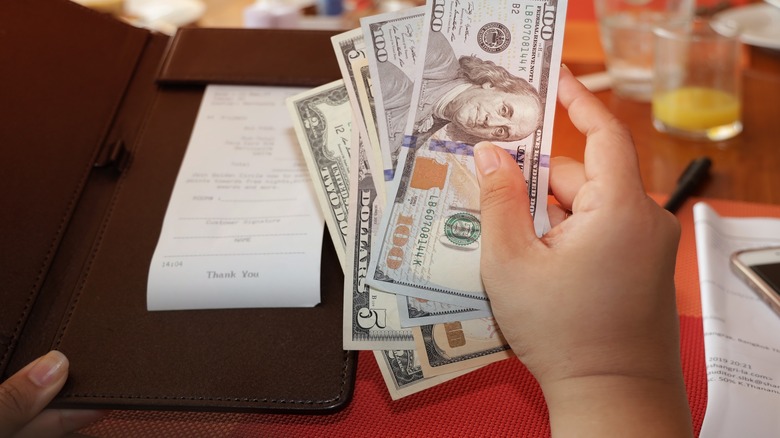
In the U.S., tipping is the lifeblood of the service industry. As wages generally run low in the hospitality sector, most servers rely on tips as a way to make ends meet. Beyond being an appreciation of good service, fair tipping can also earn you better service in the future, which is important if you plan on becoming a regular customer.
The percentage of the total bill that you should be tipping depends on several factors, including the type of restaurant. The amount you should tip at a fancy restaurant is around 18%, while 10% is considered an appropriate gratuity at a buffet. Rishabh Khosla also believes tipping depends on the occasion. If the staff have gone the extra mile for a special holiday, birthday, or anniversary, a more thoughtful tip acknowledges their additional effort. But how do you navigate tipping if you've received poor service? Try to distinguish how much of your bad dining experience was within your server's control. Depending on the situation, a minimum tip of 10% is considered common etiquette.
Besides reaching for your wallet, there are several other gestures that can show your appreciation for good service. "Beyond monetary tips, genuine verbal compliments, thanking servers warmly, and mentioning excellent service to management help boost staff morale. Writing positive online reviews or recommending the restaurant to others also supports their business," notes Khosla.
Give constructive feedback kindly
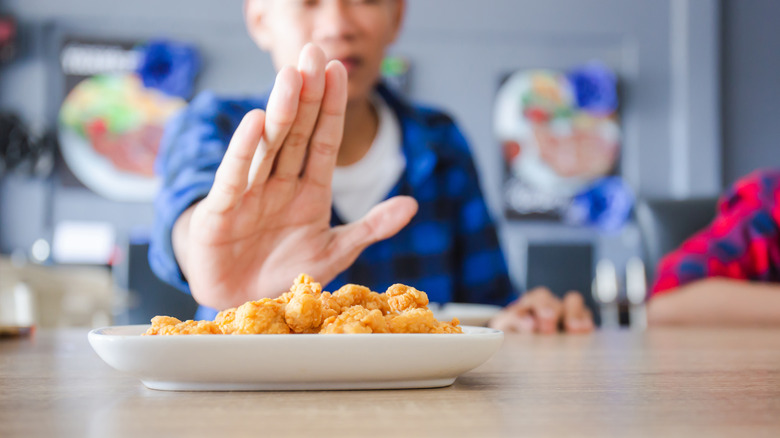
When giving any form of feedback, the intention should be to offer the chance for improvement, not to vent frustration and aimlessly criticize. When feedback comes from a place of genuine concern and respect, the staff is more likely to go the extra mile to ensure everything goes well during future visits.
For Rishabh Khosla, providing constructive feedback starts with considering your tone. "Use specific, objective language to describe the issue without blaming or judging, for example, 'The food was a bit cold when served,' rather than, 'You messed up my order'," he advises. By stating facts calmly and privately — instead of creating a public spectacle — you can work with the waitstaff toward a resolution. Khosla finds this approach encourages staff to listen and address your concerns without feeling defensive.
If a certain dish doesn't meet your expectations and you have to send it back, keep your tone neutral while explaining the issue instead of hurling accusations. It's also important to give the kitchen a chance to fix the problem, rather than immediately demanding a refund. "Ensuring feedback is respectful and focused on solutions strengthens communication, fosters goodwill, and helps staff feel supported in enhancing service quality," adds Khosla.
Respect the house rules

To maintain standards, restaurants generally have a set of house rules — and these can differ drastically from one eatery to the next. For example, paying at the register instead of the table is important to know when you're eating at a Waffle House. Likewise, restaurants can have different approaches to reservations, dress codes, and phone usage.
When the house rules clash with your preferences, Rishabh Khosla believes it helps to listen to staff rather than disrespecting or undermining their authority. "Maintaining a positive attitude demonstrates understanding of the restaurant's policies and the staff's position, which encourages them to assist you better," says Khosla.
In many cases, you can reach an acceptable compromise by requesting alternative solutions. If you do not have a reservation, for instance, many restaurants will offer you a seat at the bar to wait in case of any no-shows. If your outfit doesn't meet the restaurant's dress code, there might be workarounds: Ruth's Chris Steak House has a dress code for its main dining room, but allows hats and sports jerseys in its outdoor seating area and bar. "Being cooperative instead of confrontational helps preserve the dining experience's enjoyment and sets a tone of mutual respect, improving the quality of service one receives as a customer in challenging situations," observes Khosla.
Keep your table tidy

If you want a more efficient dining experience, help the waitstaff help you. Small measures, like keeping the table organized, can lead to smoother service. For Rishabh Khosla, maintaining cleanliness on the table demonstrates thoughtfulness for your server's efforts, as well as for other diners nearby. "Keeping your table tidy during a meal shows respect for the staff and enhances the overall dining experience," he says.
Keeping the table tidy also works in your favor: if the servers are constantly struggling to find a spare inch to place new dishes, the likelihood of accidental spills increases. "Practical ways to keep a table organized include placing used napkins neatly to the side rather than tossing them, and keeping utensils orderly on your plate or napkin when not in use. Avoid excessive clutter by handing over empty glasses and dishes promptly when asked," Khosla suggests.
To reduce clutter, try keeping personal items off the table. Some fancy restaurants provide small stools for your handbag and other belongings. If this isn't an option and you'd rather not keep your belongings on the floor, you can always put them on an empty chair or under a napkin on your lap. "These small efforts promote hygiene, create a pleasant environment, and allow staff to serve you efficiently without distractions," explains Khosla.
Arrive and leave on time
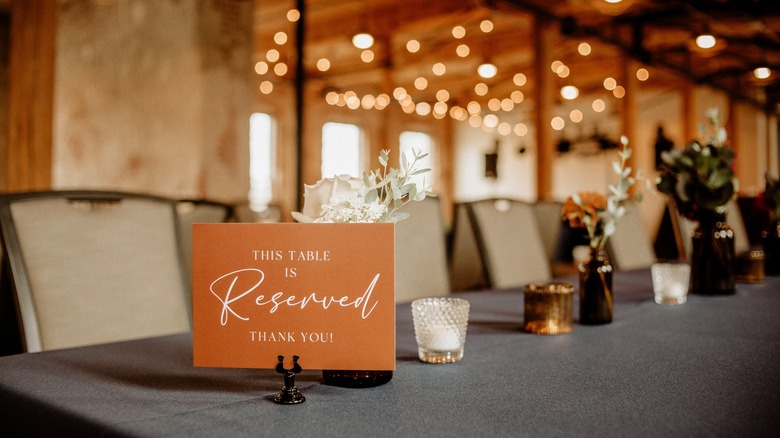
Successful restaurants generally rely on a tightly organized schedule and seating plan. When guests arrive too early or late, it can throw the reservation system off, affecting workflow and creating rushed service as servers struggle to accommodate more guests than originally planned.
If you're running late, Rishabh Khosla asks that you promptly inform the restaurant, so the staff can prepare accordingly — even small delays that seem inconsequential to you can strain the pace of service. It's equally important to consider how long you stay at the table. "Respecting closing times is a courtesy that acknowledges the staff's workday and their need to close on schedule," Khosla explains.
Given diners' tendency to linger indefinitely — even when they can see a queue forming at the door — it comes as little surprise that restaurants are starting to enforce time limits. Slots can run anywhere from 90 minutes to two hours, but the goal is seat the next reservation promptly and to reduce wait times, creating a smoother dining experience for everyone. "Balancing enjoyment and respect for reservations means arriving punctually, savoring your meal without overstaying, and being mindful of others waiting," Khosla concludes.