

The Restaurant Faux Pas That Says More Than You Think
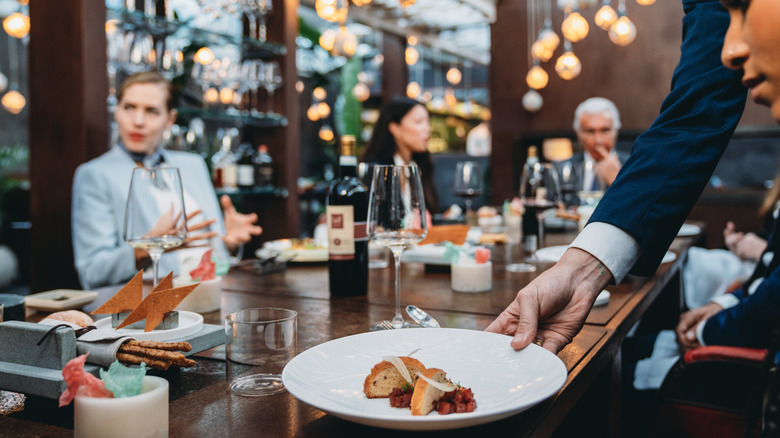
As a former server, I reminisce on my waitressing days with mostly positive emotions; the camaraderie of front-of-house staff is something best experienced firsthand. That said, sometimes when I dine out and see another customer doing something strange, my head spins, as I wonder what (and if) they're actually thinking. Some dining faux pas are like nails on a chalkboard, and one of the worst is bringing your own drinks and condiments to a restaurant. Yes, your server has noticed, and yes, it says more than you think.
Leaving personal goods at home is one of those international dining etiquette rules we should all be following. The biggest issue is damage to profit, particularly when smuggling in drinks. Staying afloat in the hospitality industry is notoriously challenging for businesses; add inflation and tariff anxiety, and profit margins are already squeezed. That fugitive can of Pepsi actually makes a difference, and it can look selfish. Having unregulated goods onsite is also a health code violation. Suppose you're struck with food poisoning, or have an allergic reaction — who's to blame?
A sneaky dash of Cholula is slightly more excusable than a chunky bottle of malbec, though. Perhaps you've nailed homemade mayonnaise and want to enjoy it. In all fairness, there are some condiments you should be making from scratch. However, it's still polite to steer clear. As one Reddit user succinctly puts: "Get it to go and add what you want at home." Save your server the stress as thoughts of potential financial and legal repercussions race through their mind. Besides, many agree agree that it's also tacky.
How restaurants overcome repeat offenders
Rewind to six years ago, and I was polishing glasses behind the bar. I noticed the manager grumbling and looking slightly stressed as a table had brought their own drinks. It wasn't mentioned again, but when I clocked in for my shift the following week, a BYOB fee had been swiftly introduced and printed proudly at the bottom of menus.
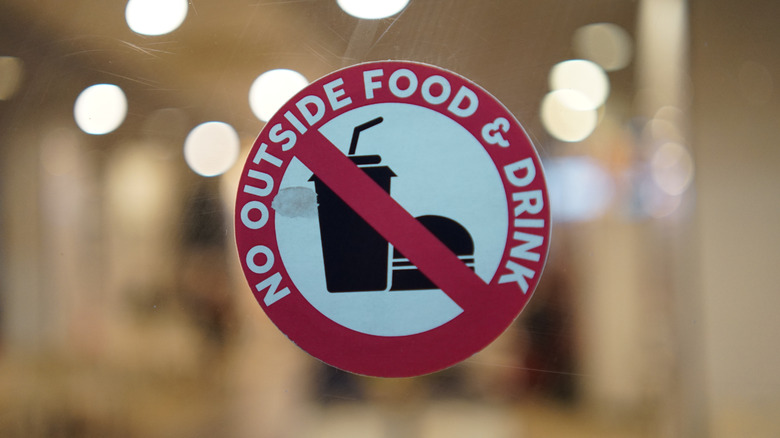
"Bring your own booze" charges, also known as corkage fees, are one strategy to scrape much-needed cash back into the business and create a clear, visible expectation. Laying down the law is a common first step for restaurants combating repeat offenders, and we've all spotted those "no outside food or drink" signs on windows and doorways. With the exception of pre-discussed medical conditions or allergies, it's safe to expect some backlash.
Smuggling items is a gamble for customers. Restaurants are within their rights to refuse service, but will they send you packing over a splash of hot sauce? Probably not. For sauces, be prepared for insulted glances or subtle scorn. For larger goods, like alcoholic drinks or cakes, always ask permission and be prepared to foot an extra bill. Glancing over etiquette tips for bringing your own wine to a restaurant can also be wise. As Debottled reports, the average corkage fee in New York is $37, and nobody wants to learn an unexpected lesson at payment time.