

8 Mistakes To Avoid When Making Chicago-Style Pizza
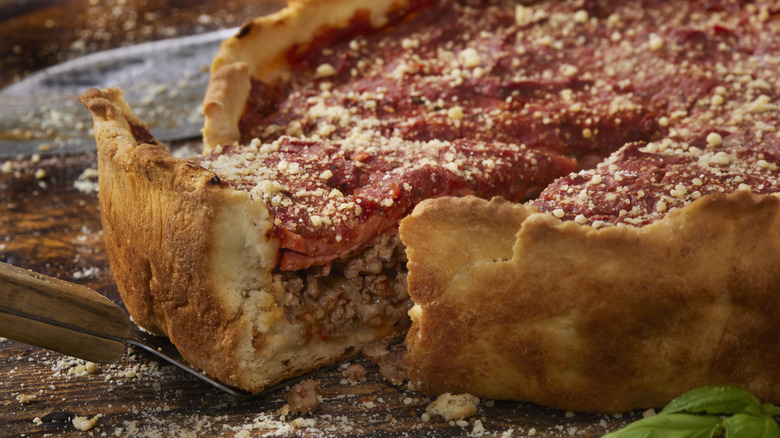
Can't decide whether you want to make a pizza or a classic casserole tonight? Well, then, deep dish, Chicago-style pizza may be your best option. This is not the flat, thin-crusted pizza you order from Domino's Pizza or snag a frozen version of from your grocery store. Chicago-style deep dish pizza has layers upon layers of cheese and toppings, necessitating the use of a fork and knife to get through a slice. If you're in Chicago, you should grab a deep dish at a famed local restaurant, but if you're outside of the Windy City, you may assume that you're simply out of luck. That's not true, provided you can figure out how to make your own deep dish pizza at home.
Constructing a good deep dish pizza isn't exactly an easy task, but you can ensure that your pie comes out perfectly every time if you know what mistakes to avoid. That's why we spoke to Chicago pizza legend and World Pizza Champion Tony Gemignani to get the scoop on what you shouldn't do when you're making Chicago-style deep dish at home. Avoid these mistakes, and you may find that you don't have to book a ticket to Chicago to get your pizza fix after all.
Using a lightweight aluminum pan
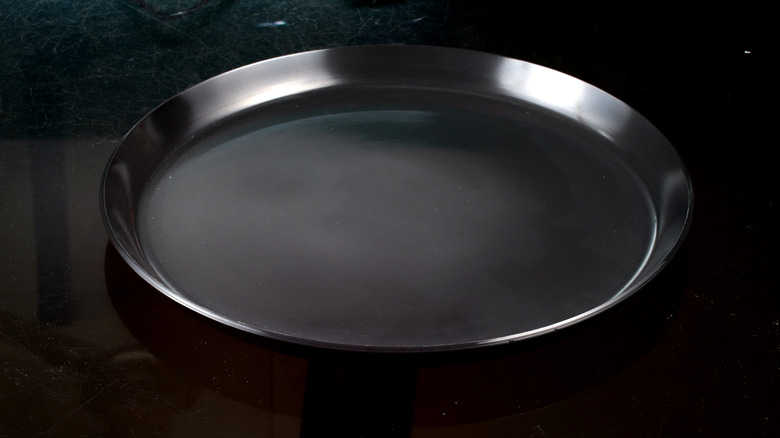
If you're like us, you probably don't want to have to go out and buy a whole new pan to make one specific recipe. You may assume that the pizza-making tools you already have in your kitchen will work fine for a deep dish pizza. But if you're planning on using a standard, lightweight aluminum pan for this type of pizza, then you may want to rethink that. These are not the best pans to use if you want your deep dish pizza to truly shine.
"I avoid lightweight aluminum pans, as they don't retain heat as well as steel pans," says Tony Gemignani. If you want to make pizza that even comes close to Gemignani's, you need to upgrade your pizza toolkit. So, what should you get instead? Gemignani recommends a black anodized steel pan or a heavy 14-gauge aluminum pre-seasoned Tuff-Kote pan for the best results. "Both options hold heat evenly and are stackable, making them easy to store if you own multiple." He goes on to recommend Chicago Metallic and LloydPans as trusted brands.
Need to snag an appropriate pan so you can make Chicago-style deep dish whenever you're craving it? There are many great places to buy high-quality cookware.
Opting for a full-fat cheese
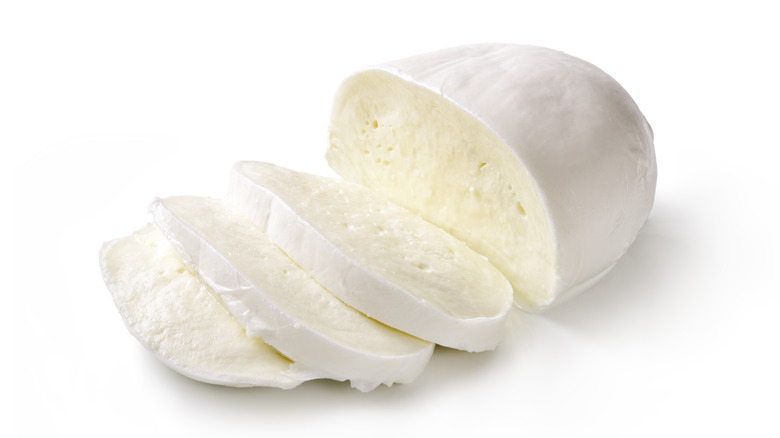
Deep dish pizza is an undeniably decadent dish, so you might think that you need to select an especially rich, fatty cheese to make it taste its best. But because you're working with so many other fatty, flavorful ingredients, that's not actually the case. In fact, opting for a full-fat cheese isn't your best bet if you're trying to avoid an overly oily pie.
Tony Gemignani uses a less-fatty cheese to keep the texture of his deep dish pizza right. "I prefer using part-skim, low-moisture mozzarella that's thinly sliced into one-ounce pieces," he says. "It's less oily than full-fat cheese and allows the pizza to bake more evenly while maintaining its structure." Cutting that cheese into small pieces is key to making sure that you get the right amount of cheese in every bite. Be sure to keep the leftover mozzarella water once you've popped your pizza in the oven — there are so many clever ways to use it in your cooking. An extra sprinkle of parmesan on top of the pie can also be a nice touch that won't introduce too much oiliness into the dish.
Baking the pizza at too high a temperature
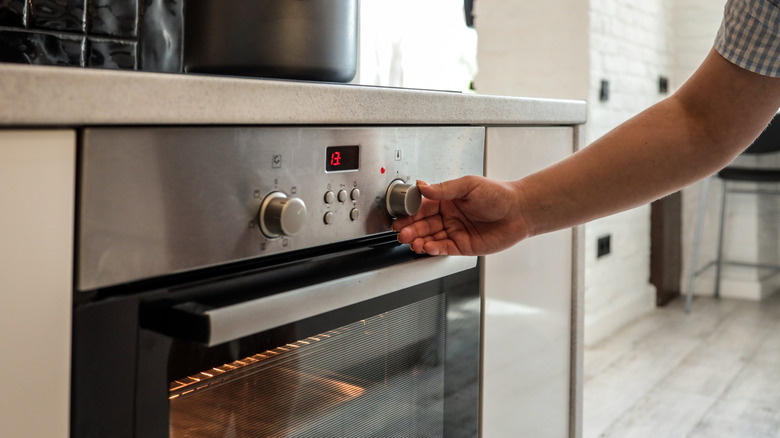
Head to your favorite local pizzeria — one that focuses on non-deep dish varieties — and you might realize that they're using a brick oven to cook their pies. Brick pizza ovens can get really, really hot. Some pizza ovens can reach around 800 degrees Fahrenheit, which is one reason why you get your pizza so quickly after you order. But don't worry. You don't have to invest in a brick pizza oven to reach those high temps, since it can be a mistake to bake at a super high temperature anyway.
Tony Gemignani has advice for home cooks who want to prevent a mushy crust in their deep dish pizza. "Bake [the pizza] at a lower temperature — around 450 degrees Fahrenheit — so the pizza cooks through evenly," says Gemignani. The exact cook time for your deep dish pizza will vary depending on how big the pizza is, how many toppings you layered on, the kind of pan you're using, and how your oven works. Generally, though, you're looking at a cook time of around 25 to 30 minutes.
Overloading your pizza with toppings
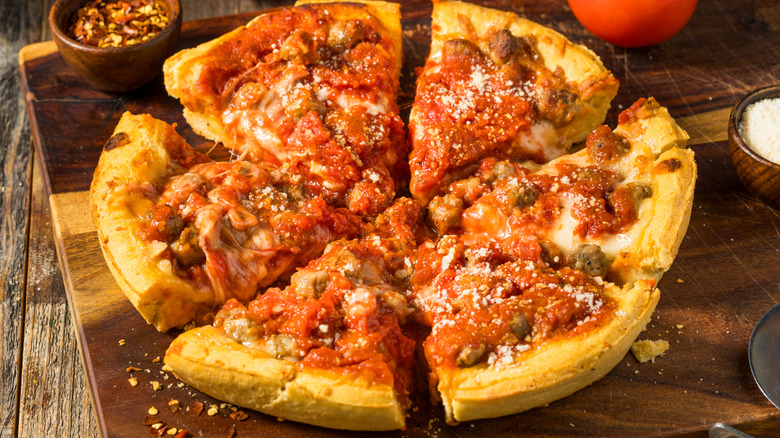
If you're the kind of person who likes a lot of toppings on their pizza, then deep dish is right up your alley. It has so many toppings that the pie literally works on a vertical axis, meaning that toppings are the star of the show. But just because you love a ton of toppings doesn't mean that you can't overdo it when it comes to constructing a Chicago-style pizza. Another way you risk a mushy deep dish pizza crust is by overloading the pie with toppings, Tony Gemignani says. Follow a recipe for the specific amount of each topping you should use, or simply make sure that the pizza isn't bursting with add-ins for the best results.
If you are wondering what you should include, the options are nearly endless. Some of the more classic options include pepperoni, sausage, garlic, giardiniera, spinach, and basil. Stick to a standard recipe, or experiment with a wider variety of toppings when you want to switch things up. Just keep in mind, though, that too many separate toppings can result in a pizza that has arguably too many competing flavors.
Using ingredients that are too wet
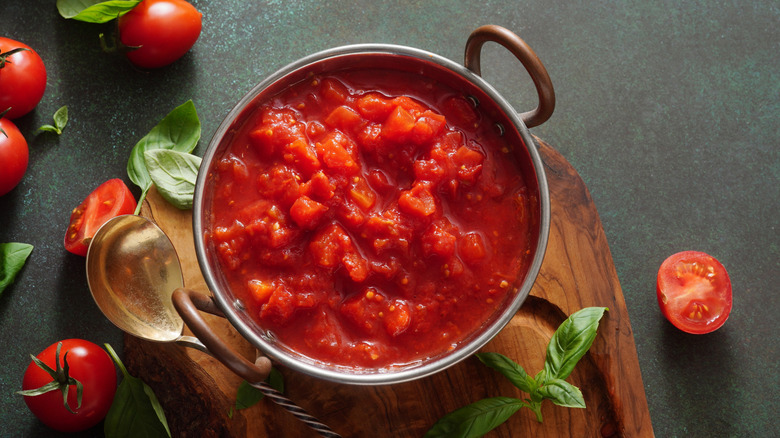
A common problem that home cooks experience with Chicago-style deep dish pizza is a wet crust. Since you're loading so many different ingredients into your pie, it's easy for that delicate dough to get weighed down under the weight of so much moisture. That's why it can be a mistake to use too many moist ingredients. According to Tony Gemignani, don't use a too-wet sauce. Instead, opt for a thicker, more concentrated tomato sauce for less-soggy results.
The same idea goes for other toppings. You don't want to introduce too much liquid into the recipe when you're selecting your add-ins. "Use drier ingredients when possible," says Gemignani. "Saute vegetables like spinach or mushrooms beforehand, and add fresh tomatoes after baking." Sure, cooking those veggies before adding them to the pie takes a bit of extra time, but it'll save you from developing a wet, soggy crust that ruins your homemade pizza.
Allowing it to sit too long after baking
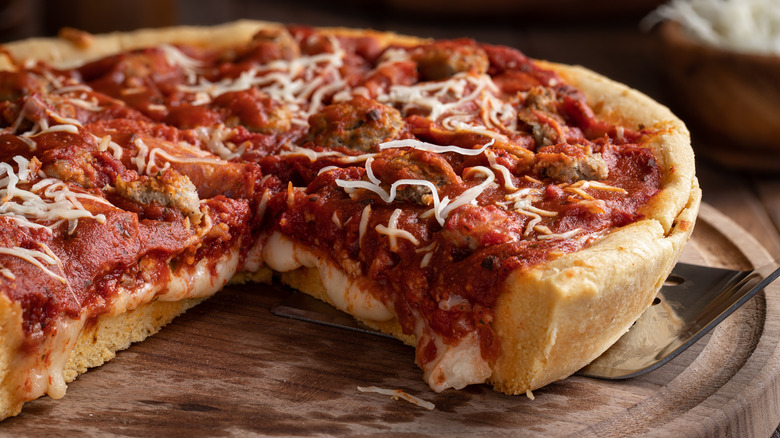
Some consider Chicago-style deep dish pizza to be a casserole, or at least casserole-adjacent. Whether you accept that comparison or not, you might assume that, like a casserole, deep dish pizza needs time to rest after it's been removed from the oven before serving. Some pizzas require rest time as well. Don't those ingredients need time to settle and meld together to create a harmonious flavor profile? But Tony Gemignani says no.
"Deep dish pizza doesn't need to rest long after baking," he says. "Letting it sit too long can cause the bottom to steam and become soggy." And since you're going to great lengths to avoid that soggy crust in the first place, it doesn't make sense to undo all your hard work by waiting too long to serve your pizza. Instead, you should plan on slicing into your pie about 10 minutes after it comes out of the oven. "Unlike Sicilian-style pizzas, which benefit from resting like a loaf of bread, deep dish has layered ingredients rather than a thick, airy crust," Gemignani says. After slicing the pie, you can place the pizza on a cooling rack with a pan underneath to catch any drippings. This will allow the pizza's excess moisture to drain nicely, according to Gemignani.
Neglecting to add fat to the dough
We've already discussed why you want to avoid a soggy crust, but we haven't actually covered how to make a particularly delicious crust beyond preventing sogginess. If you've had a good Chicago-style deep dish pizza before, then you know all about the importance of the crust. Not only does it have to hold all the ingredients together — not an easy task, considering how loaded a deep dish pizza tends to be — but it also has to provide a nice, slightly crispy, slightly soft texture that gives structure to every bite.
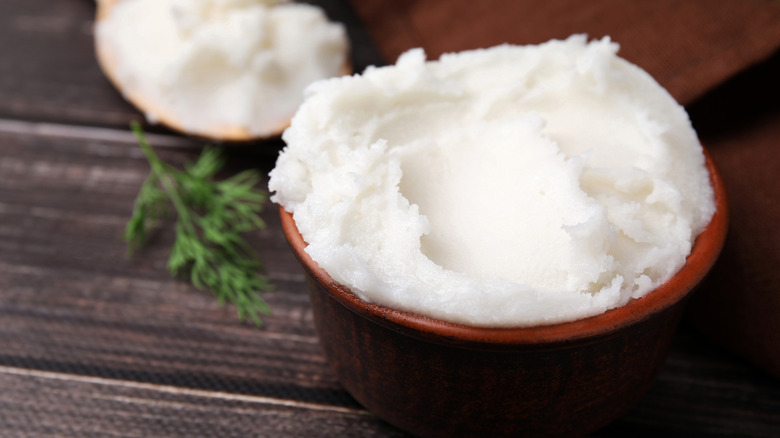
That's why it can be a mistake not to add enough fat to your homemade pizza dough. "Adding butter or lard to the dough enhances the texture and creates a flaky, rich finish," says Tony Gemignani. That extra-crispy texture is an excellent reason to use some extra fat, but we also like using lard specifically because it infuses the dough with a richer, more interesting flavor. Give it a try the next time you make a deep dish pizza at home.
Overloading your pizza with cheese
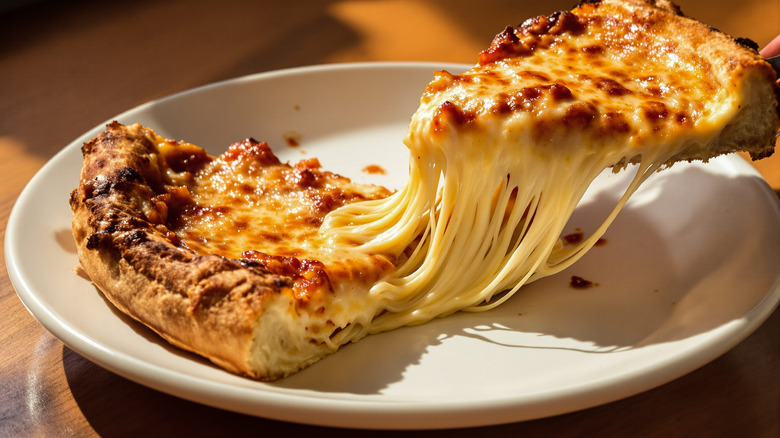
We get it: Cheese, in all its forms, is an amazing ingredient, one that can transform nearly any recipe from average to downright delectable. Of course, it's an essential ingredient in any kind of pizza, including Chicago-style deep dish, but don't go overboard with cheese only because you love it. Too much of a good thing can render a pizza that's too messy and has an unbalanced flavor profile.
Using too much cheese is one of the most common mistakes people make with Chicago-style deep dish pizza, says Tony Gemignani. The quest for maximum cheesiness may be a noble one, but it doesn't always turn out well. "This leads to a wet, weak, and messy result," he explains. "With deep dish, balance is key — less is often more." Follow a deep dish recipe to get a good sense of how much cheese you should use in your pizza (some call for as much as four cups of mozzarella and half a cup of parmesan), then don't overdo it. When it comes to cheese, restraint can sometimes be a good thing.