

10 Tips For Buying The Best Insulated Tumbler
We may receive a commission on purchases made from links.
There are many kitchen-adjacent things worth collecting. Some vintage cookbooks might be worth a fortune, but there comes a point where recipes for Jell-O salad just get old. The same can be said for antique kitchen tools and gadgets that are too valuable or sentimental to use. But one collectible item that's functional and worth investing in? An insulated tumbler.
I didn't really think about what I was drinking my coffee out of on the go until someone gifted me a Yeti Rambler. After that, I was hooked. Despite having a shelf full of insulated water cups and travel mugs of every shape and size, I still can't resist wandering down the tumbler aisle at my local sporting goods store or T.J. Maxx. Speaking from experience, although it seems like these are items you can buy without a second thought, doing so is a big mistake. Quality tumblers aren't cheap — some cost upwards of $40 — so you want to make sure you select the right material, size, and features for your needs. Here are the most important things to keep in mind when you're shopping for your next tumbler — just don't blame me if this article inadvertently kick-starts your collection.
Vacuum-insulated tumblers maintain the perfect temperature
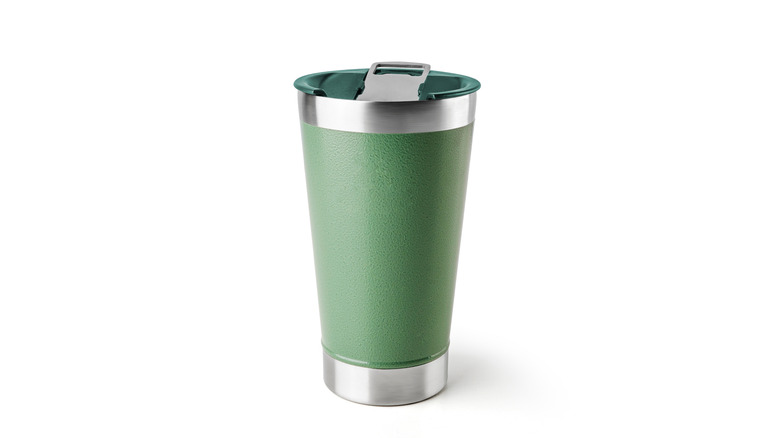
One of the benefits of an insulated tumbler is that it keeps your beverage at the right temperature. We've all left an iced drink on the countertop on a hot day, only to come back to a diluted, flavorless beverage. Or neglected a cup of once-steaming coffee while we complete errands, and returned to a drink that's the same temperature as bathwater. Many modern tumblers use vacuum insulation to keep hot drinks hot and cold drinks cold, and it's a feature worth investing in.
Vacuum-insulated tumblers have a double layer of stainless steel with a vacuum in between. This space acts as a buffer that reduces heat transfer, slowing the movement of heat from hot drinks to the outside and keeping cold drinks from warming up quickly. In other words, it keeps your beverage hot or cold much longer than something like a thin plastic cup or ceramic mug. While vacuum insulation may make your mug heavier, it's a small sacrifice to keep your drink at the ideal sipping temperature.
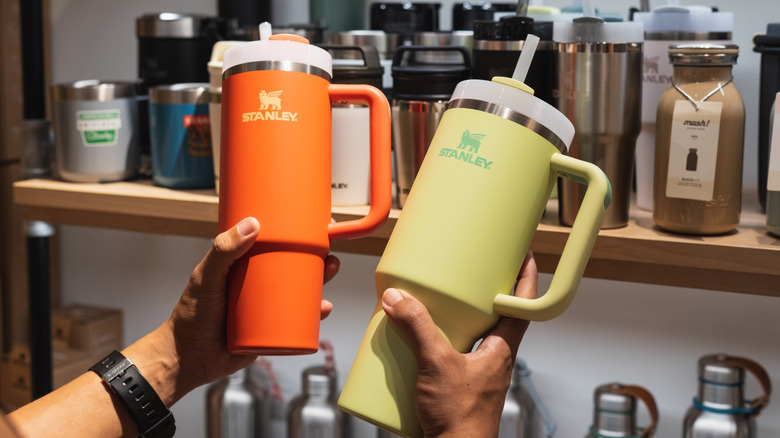
It's probably worth knowing that many tumblers with vacuum insulation technology contain lead. For example, Stanley uses lead solder in its tumbler bases. However, the toxic metal is enclosed in steel, so the health risks are minimal unless the tumbler becomes severely damaged. If you want a lead-free tumbler, there are options available.
Consider cup holder compatibility
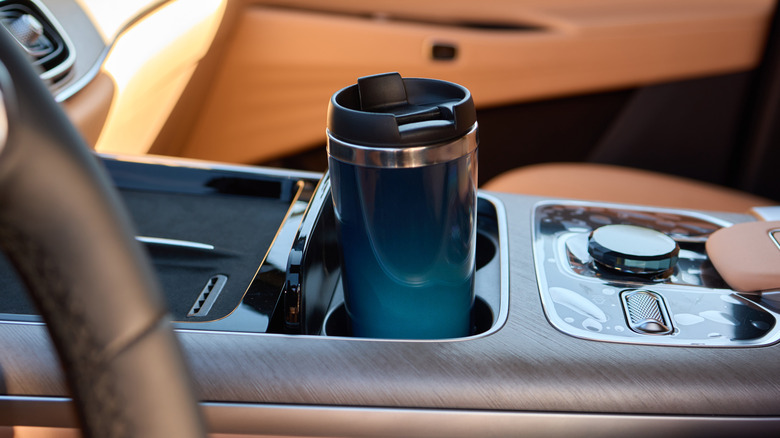
There are few things more frustrating than getting a new tumbler and realizing it doesn't fit in your vehicle's cup holder — something I've fallen victim to far too often. My favorite insulated Yeti Rambler campfire mug is definitely not car-compatible, and I'm always a little sad that I can't take it with me when I run errands. Honestly, if it wasn't insulated, I probably wouldn't have bought it in the first place.
If you're in the market for a new tumbler, cup holder compatibility is an absolute must. Holding it while driving is impractical, unsafe, and quite possibly illegal. You could place it on the floor or seat if you trust the "leak-proof" seal won't do you dirty, but it's a risk that's not worth taking. Luckily, many brands will state whether a tumbler is cup holder compatible in the product description on their website. You can also purchase an adjustable cup holder adapter that can hold a range of cup sizes. That said, it's arguably easier to just buy a tumbler that fits in the first place.
Besides width, you should also consider height when deciding what kind of tumbler works best for you. While Stanley tumblers hold a ton of water, the models with a straw poking out the top can be impractical for some center consoles.
Consider tumbler lid shape and design
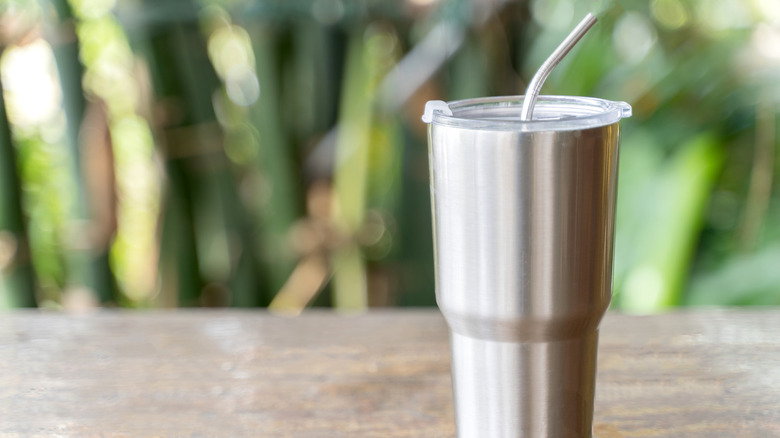
When it comes to tumblers, there are many different lid designs to choose from, and the style you choose should depend on what you use it for. If you're only using the tumbler for water, you can probably get away with a built-in straw. However, if you ever want to fill it with hot coffee, you'll need a secure lid that not only ensures your drink stays hot but guarantees the liquid remains in the cup rather than ending up in your lap.
For example, Yeti's MagSlider can accommodate both hot and cold beverages and uses magnets to keep it connected to the plastic lid. It's a smoother way to open and close your tumbler, and you can easily swap it out for one in a different color, but it's not leak-proof. You can also find tumblers with flip caps, built-in straws, and rotating seals. Most are sold with a lid, but if you're buying the part separately, always make sure it's compatible with the tumbler to prevent leaks and spills.
Pick a versatile tumbler for multiple beverages
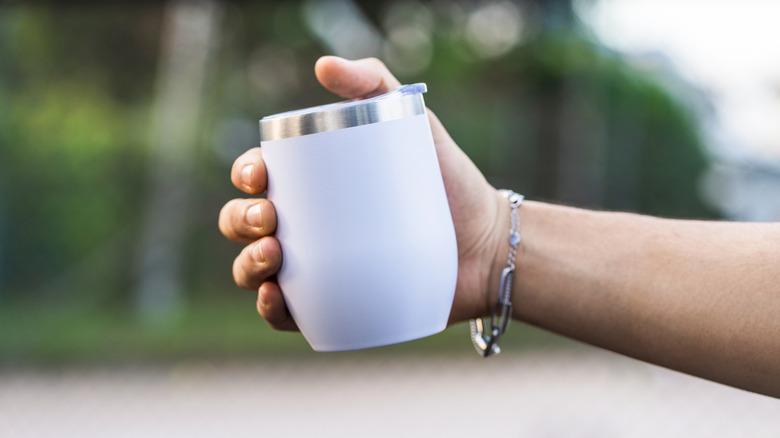
When you think of insulated tumblers, your mind might immediately go to water or coffee, but there are many different types designed specifically for other beverages. Insulated wine tumblers, for example, are shaped like a wide, stemless wine glass so you can quaff your vino outdoors. They're a must-have for wine nights by the campfire, especially as they prevent bugs from landing in your drink. Some brands, like Stanley, carry pint-sized tumblers that are perfect for beer, and you can even get miniature espresso-sized Yeti Ramblers.
While all of these styles have their uses, if you're investing in a higher-end product, you'll get the most bang for your buck by buying a versatile tumbler that works for different drinks. Sipping a cold brewski or glass of wine out of a full-sized Yeti Rambler may look a little odd, but it will save your wallet from having to shoulder the burden of your newfound tumbler addiction.
Find the most leak-proof tumbler possible
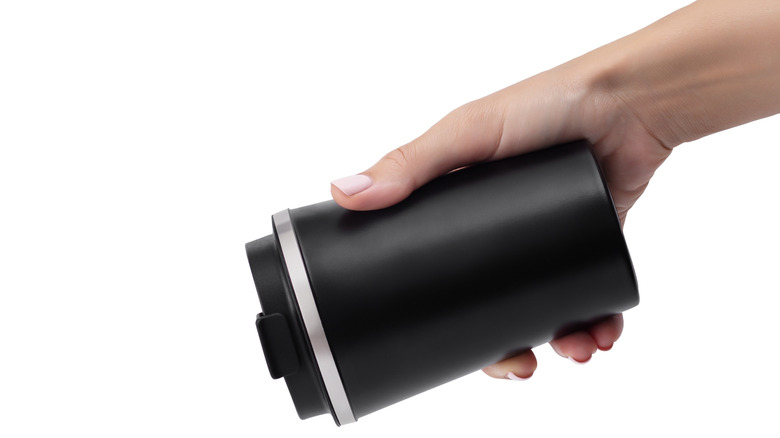
I don't think there is such a thing as a 100% leak-proof tumbler. While some brands tout it as a key selling point, accidents happen: caps are left open, gym bags get jostled, and lid gaskets wear down over time. Still, don't let this discourage you from pursuing the most leak-resistant tumbler on the market. Even if a brand's tumblers aren't as secure as advertised, some protection is always better than none.
The Owala FreeSip tumbler has received high marks for its lid design, which can be locked shut to prevent leaks. Other brands, like Yeti, offer leak-resistant lids, but avoid the term "leak-proof." When deciding which tumbler to purchase, be sure to read the product description carefully. More importantly, check customer comments and reviews to see what other folks have to say about the tumbler's leak-resistance.
When in doubt, bigger is better
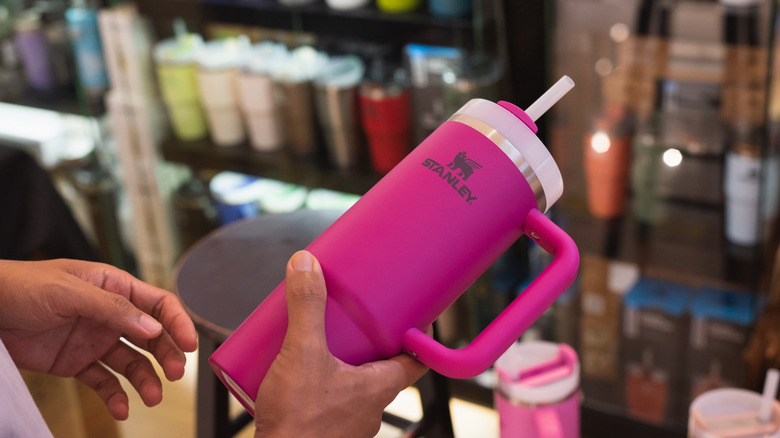
I was initially skeptical of the "emotional support water bottle" trend. Seriously, who needs to constantly lug around a water bottle that's the size of their head? However, after realizing that I could refill my bottle just once without getting up from my desk repeatedly, my view changed entirely. The same goes for coffee tumblers — although the 1- or 2-cup models are cute, they're really not practical if you're a coffee hound.
One of my biggest tips for choosing a tumbler is to always err on the bigger side. I'd much rather fill my container halfway than be disappointed because I can't fit all the coffee I just brewed into my travel mug. Of course, weight and height factor into the size you select, since larger tumblers tend to be heavier, but capacity is an important consideration when shopping.
Pick a lightweight tumbler if portability matters

Some people like to take their tumblers on walks — I am not one of those people. If I swing my hefty Yeti water bottle around too much, I might sprain something. If you plan on constantly carrying your tumbler in hand, you may want to consider the weight when shopping for one. The bad news is that cutting weight usually means you have to sacrifice temperature control. Stainless steel vacuum tumblers weigh significantly more than plastic ones, which aren't as effective at retaining heat. Yeti's plastic Yonder water bottles, for example, are about half the weight of its insulated Ramblers. If you're going on a hike and don't care about your water staying cool, you might be better off choosing a lightweight plastic tumbler over a heavy stainless steel one.
Portability isn't the only reason to consider weight — in my experience, the lighter the bottle, the lower its stability, and the more likely it is to tip over. If you don't mind the extra weight, heavier may be the way to go when it comes to durability and avoiding spills.
Dishwasher-safe tumblers make cleaning a breeze
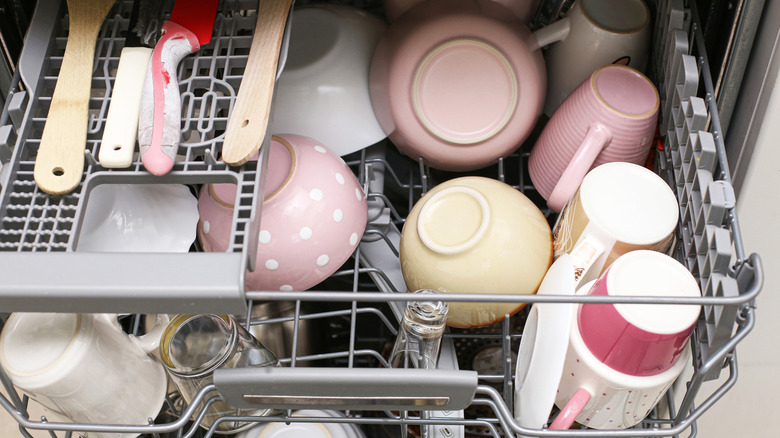
When was the last time you cleaned your water bottle? Okay, maybe you don't have to answer that — I don't think I can either. While it's safe to say that many of us don't think about washing our bottles daily if we're only using them for water, it's nice to be able to throw them in the dishwasher when you need to. Handwashing tumblers can be annoying, especially when they have narrow straws, flip-cap lids, or other fiddly parts. If you can let the dishwasher do all the work, why wouldn't you?
Most tumblers are dishwasher-safe (you can check the specs on the product description), but not all are dishwasher-friendly. For example, Yeti MagSliders are magnetic, so you can quickly remove them before running the dishwasher, making it easier to clean underneath and tackle that coffee grime. Stanley FloState tumbler lids, on the other hand, are much trickier to disassemble. Product descriptions don't usually share specific pros and cons around cleaning, so it's worth checking reviews to see how easy the lids and tumblers are to clean.
Personalizing your tumbler makes it easier to find
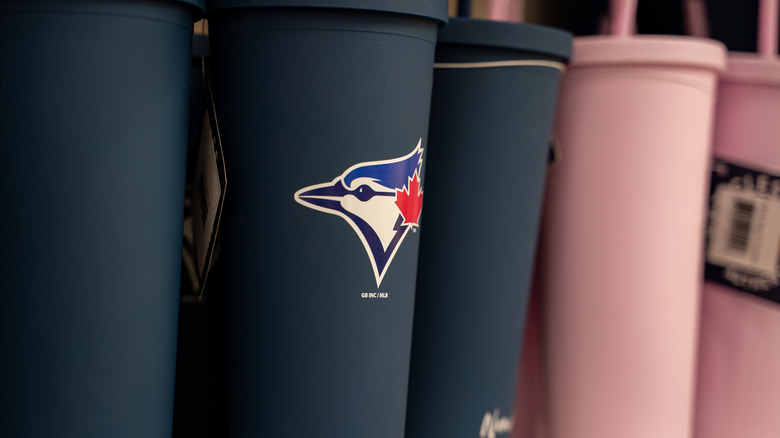
I'm not going to sit here and say that I got a Yeti Rambler before it was cool — because I didn't. I got a Yeti Rambler when everyone and their mother had one, which at times made it difficult to tell whose drink was whose. Brands like Yeti and Stanley offer many different colors to choose from, but there may come a time when you want to make your tumbler unique. If you order directly through their websites — rather than a third-party seller like Amazon — you may be able to personalize your insulated tumbler with a custom design that makes it stand out from every other one out there. The benefit of this is twofold: your coffee cup looks even cooler, and someone else is less likely to take it home (intentionally or unintentionally, as both have happened to me before).
You can browse the preset design options on the respective website or upload a custom graphic — some brands even let you use photos. Companies like Yeti often run sales and offer free personalization with your purchase. As long as you select a timeless or meaningful design, I can assure you it's totally worth it.
Read reviews and compare different brands before buying
It's a tumbler — do you really need to trawl through a 10-page review trying to interpret what UnicornDonkey1010 thinks about chug caps? Probably not, but if you're going to sink $40 into an insulated tumbler, you want to make sure the product is exactly what you're looking for. Brands highlight the most attractive features of their products in the descriptions, but the reviews contain the nitty-gritty details of the good, the bad, and the leaky. Once you've read the description, scroll down to the customer feedback section to learn what people really think about the tumbler. You can also consult a guide that compares the functionality of each model — read my strong opinions on various Yeti tumblers here.
Regardless of where you're getting your reviews from, you have to take subjectivity into account, and you'll never really know if negative reviews are being buried, deleted, or hidden. Trust your gut — and, if you're still unsure, choose a tumbler that comes with a warranty.