

Give Cheap Bourbon A Better, Sippable Taste With This Kitchen Gadget
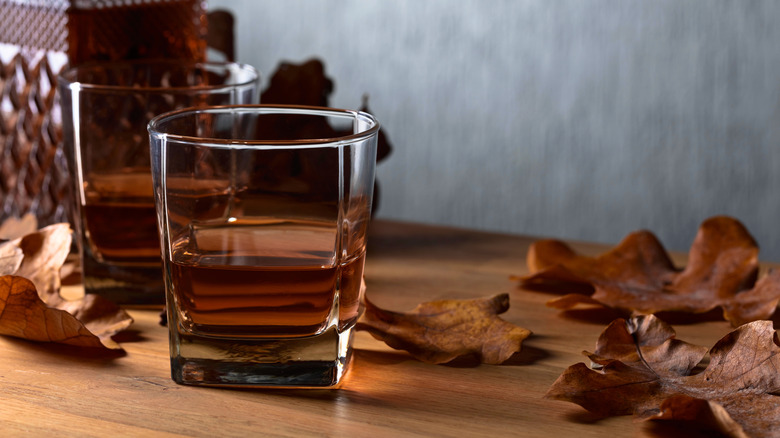
Buying a bottle of bourbon? The saying "you get what you pay for" often rings true. That is, unless you blend it; a little aeration might be the hack you've been waiting for. Chowhound interviewed Francesco Lafranconi, the Vice President of Carver Road Hospitality, which just launched The Blue Vault. He had some sage words of wisdom, revealing that "using a blender can introduce air and modify the texture of bourbon, potentially softening harsher notes."
Many drinkers are familiar with the advice of "letting the bourbon breathe" before drinking. The concept is simple: introducing air evaporates harsh-tasting ethanol. In this scenario, blending just speeds up that process by adding heat and intensifying movement. Instead of ethanol's intense flavor overwhelming the softer notes, its removal creates a better, more sippable taste. Lafranconi's advice does come with an important caveat, though: smooth results aren't quite guaranteed. "The effect can be subtle and varies based on the quality of the bourbon," he explained to Chowhound. Maybe invest in wide-rimmed glasses as well; this clever switch makes budget bourbon shine by better-dissipating aromas.
Why cheap bourbon often has stonger alcohol notes
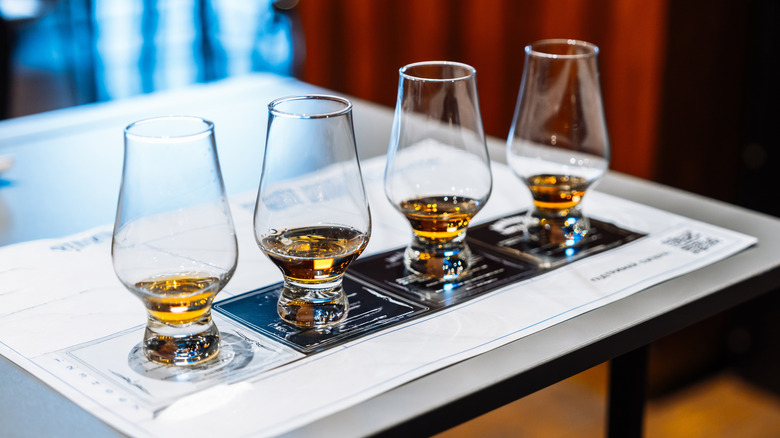
Grab your blender, but don't be afraid to evaluate your bourbon, too. Take a look at all the best bourbons of 2025 (so far). These bottles are all flavor-forward, from butterscotch to toasty oak and creamy vanilla — no "overwhelming smack of ethanol" in sight. So, where do these harsher alcohol notes come from? And is there always a correlation with price?
The secret often lies with age. The longer bourbon remains in a barrel, the more nuanced its flavors become. Lengthy aging also increases exposure to the angel's share, whereby ethanol evaporates, creating a mysterious disappearance of bourbon and imparting a subtler touch. Naturally, these longer processes tend to increase production costs and product prices, which leaves a correlation between cheaper bourbon and stronger alcohol notes.Time is money.
This is a trend, rather than a definitive rule, though. Cost and quality don't always go hand-in-hand. Incidentally, one of the best ways to tell the difference between high-quality and low-quality bourbon is by checking for a detailed label. Great bourbon wears its heart on its sleeve — whether it's $50 or $399 a bottle. Look for labels that spill the beans on age, distillery, and even mash bill. And never give up on finding a diamond on the cheaper shelves.
Static Media owns and operates Tasting Table and Chowhound.