

10 Mistakes Everyone Makes With Green Bean Casserole
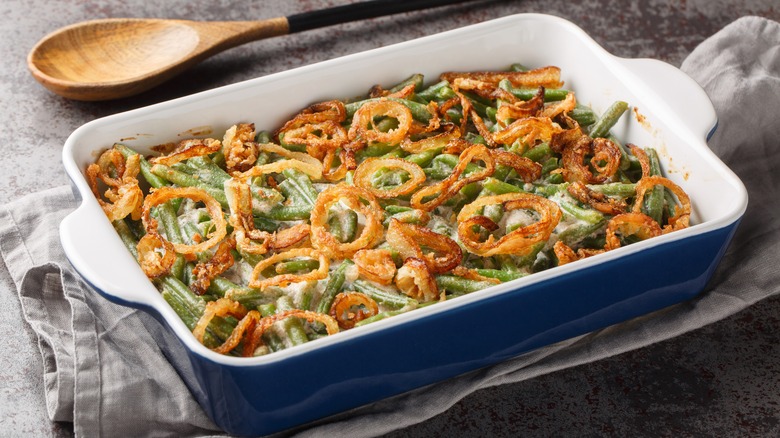
Many people make the mistake of assuming that the turkey is the most important dish on Thanksgiving. In reality, though, what really makes Thanksgiving so delicious is all the side dishes that complement the turkey. Think about it: Without the stuffing, the mashed potatoes and gravy, and the corn pudding, you're left with little else than a not-so-moist cut of meat. That's why it's so important to make sure your side dish game is as strong as can be on Thanksgiving.
Perhaps one of the most overlooked side dishes of the holiday is green bean casserole. It's rich, it's creamy, and it's a decadent way to get in some extra veggies when you're otherwise eating a lot of heavy, starchy foods. Since it's so often overlooked, a lot of home cooks make mistakes with their green bean casseroles and end up with a less-than-delicious side dish as a result. We've consulted with some green bean casserole experts, including Eric Sornoso, co-founder at MealFan, and Rena Awada, owner, head chef, food blogger, and content creator at Healthy Fitness Meals, to give us a better idea of what we might be doing wrong while tackling this dish. By avoiding these common mistakes, your green bean casserole will come out delicious every single Thanksgiving.
Using canned vegetables over fresh
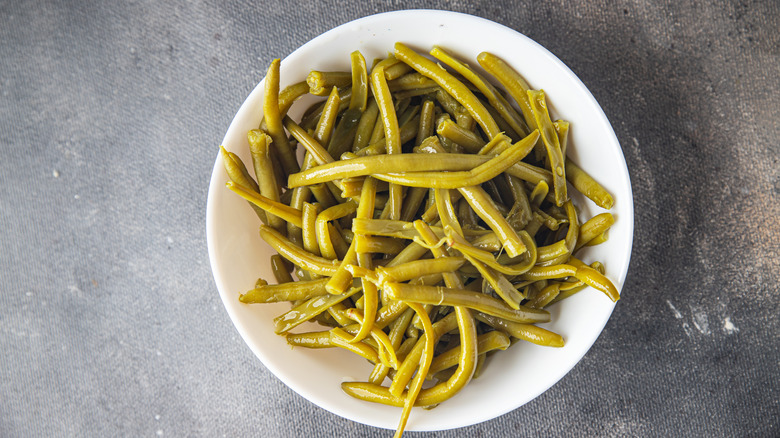
If you're on a serious budget, using canned products for your classic green bean casserole may be the way to go. However, if you can spare the money to spring for fresh produce and other ingredients, you're going to end up with a better casserole. That's why Eric Sornoso of MealFan says that it's a mistake to use canned ingredients over fresh, saying that they "ruin the dish in terms of texture and flavor."
The most important factor here is fresh green beans. According to Sornoso, you'll want to blanch them for a short period of time and ensure that they're still bright green and a bit crunchy when you incorporate them into your casserole. The same goes for the mushroom soup — you can ditch the canned version entirely. "Instead of the canned mushroom soup," says Sornoso, "make a mushroom veloute from fresh mushrooms, shallots, garlic, and cream; it is tastier and has much more complicated, and therefore nice, depth of flavor." Yes, refusing to use canned ingredients will make this recipe a bit more expensive and time-consuming, but we think the delicious results are more than worth it.
Overcooking the green beans before adding them to the casserole
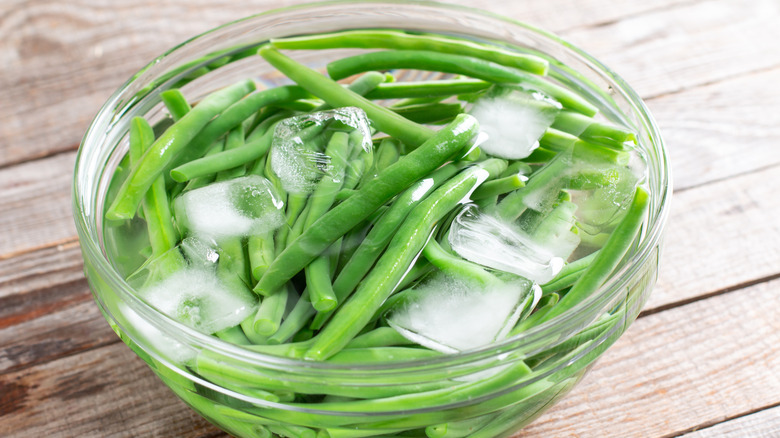
Have you ever had a green bean casserole before that felt soggy and mushy, where you couldn't even tell where the sauce ended and the green beans began? It's a common problem with this kind of casserole, and according to Rena Awada, it's likely because whoever made the casserole overcooked the green beans before adding them to the dish. In fact, she says it's "most likely the number one offense" when it comes to making green bean casserole. Why is it such a problem? Because "beans easily lose their structure when overcooked."
Luckily, this isn't a difficult mistake to fix. Awada simply recommends not blanching the beans for more than four or five minutes. Immediately after cooking, throw them in an ice bath. "This is done to stop the cooking because they will cook again in the oven," explains Awada. "Also, this technique locks in that bright green color and that crispy and tender texture at the same time." Just make sure you set a timer before blanching your beans, and you'll be left with a casserole that actually has some structure to it.
Using frozen green beans without thawing them first

We've already mentioned that you probably shouldn't use canned green beans if you want to make the tastiest possible green bean casserole, but sometimes, you just can't get fresh. When that's the case, frozen green beans are probably going to be your best bet. You may be surprised to learn that frozen produce — including green beans — is just as healthy (or even healthier) than fresh, so don't worry about taking this shortcut if you have to. However, if you do opt for frozen green beans, just keep in mind that it's a mistake not to thaw them before adding them to your casserole.
First of all, neglecting to thaw the green beans could result in a casserole that's too watery, and that's the last thing you want when you're working with a particularly creamy sauce. Additionally, those frozen veggies might make the casserole cook unevenly, which could lead to some parts of the dish tasting raw and others overcooked. Make sure to thaw the green beans in the fridge overnight, or simply let them soak in some warm water before drying them and assembling the dish.
Not including other vegetables in the casserole
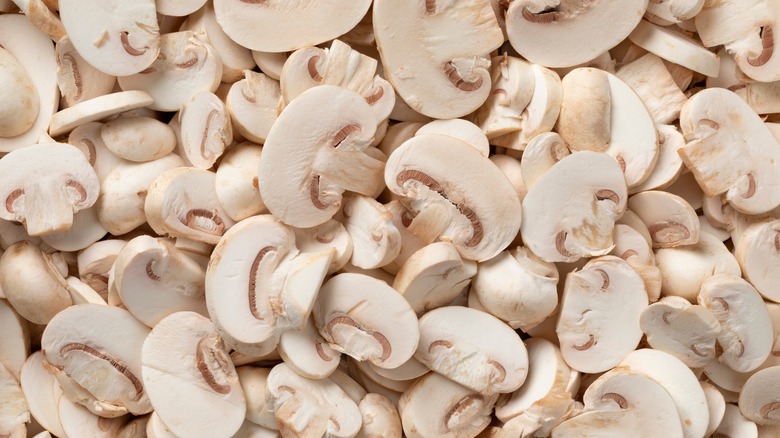
Sometimes, green bean casserole can taste kind of bland and one-note. If that's the case with the recipe you're following, you may need to switch things up a bit. One easy way to do that is to add some other veggies into the mix. Not only does this make the casserole more nutritious, but it also gives it more complexity because you'll be working with different flavors and textures. One great vegetable to include in your next green bean casserole is mushrooms. Their velvety, smooth, and slightly chewy texture, plus umami flavor profile, complements green beans and that rich, creamy sauce perfectly. Just make sure to cook the mushrooms separately before you add them to the casserole dish.
Not much of a mushroom person? No worries. You can also add onions to your green bean casserole. They can add lots of extra flavor and a touch of sweetness, which is an easy way to take things up a notch. Just like with the mushrooms, you'll want to cook those onions before including them in the casserole. Cauliflower can also make for an easy, healthy addition to your casserole.
Overbaking the casserole
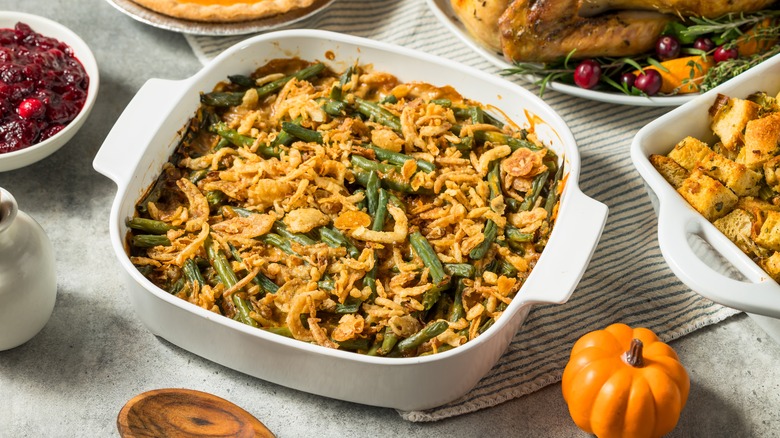
When you're preparing for Thanksgiving dinner, you're probably working with a lot of different dishes all at once. Therefore, it can be difficult to remember when you need to put things into and take things out of the oven. However, don't assume that you can just leave your green bean casserole in the oven until you remember to take it out. If you do, you could be left with an overbaked casserole, which Eric Sornoso says is another mistake that a lot of home cooks end up making with green bean casserole. According to Sornoso, this results in a "dish with a soggy texture and dull flavors" — probably not what you're going for.
So, how do you know when you should take the casserole out of the oven? Well, it depends on the size of your baking dish, but generally speaking, per Sornoso, "The casserole should be baked only until the sauce bubbles and the topping has become golden; usually, 20 to 25 minutes should be enough." Either set a timer or keep a close eye on the casserole to ensure you don't leave it in the oven for too long.
Under-seasoning your green bean casserole
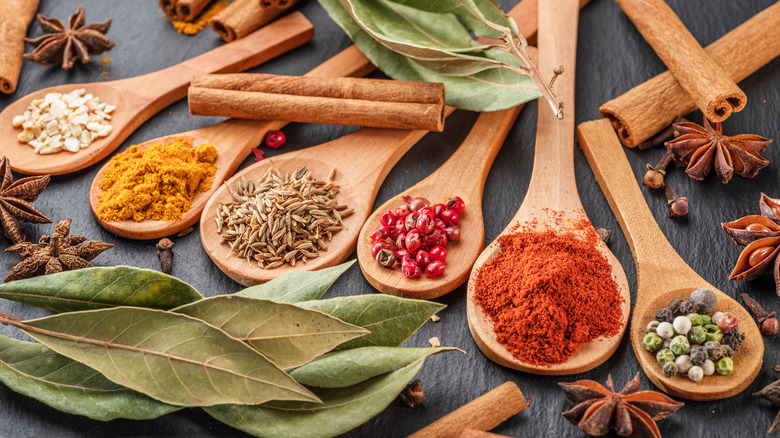
As much as we love Thanksgiving, we have to be honest: A lot of the time, Thanksgiving dishes are under-seasoned. Since these dishes are made with so many creamy, rich ingredients, they can often taste flat and uninteresting. This is especially true with green bean casserole, which is made from ingredients that tend not to have a lot of flavor all on their own. Therefore, one big mistake that a lot of home cooks run into with this dish is under-seasoning, and it can make an otherwise well-cooked green bean casserole fall flat.
Don't be afraid to use plenty of seasonings and spices to take your green bean casserole up a notch. Salt, of course, is the most important seasoning, since it enhances the flavors of all the other ingredients you're working with. However, other simple seasonings can also make a big difference. Freshly ground black pepper, garlic powder, and onion powder are some of our go-to seasonings to make green bean casserole shine the way it should.
Using too much sauce
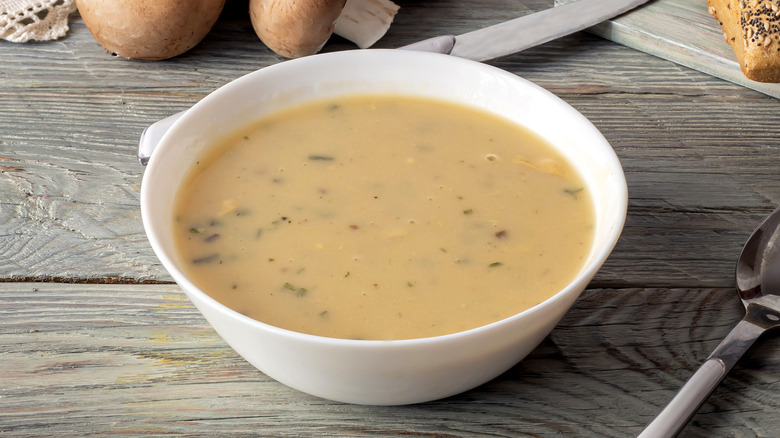
Without that rich, creamy, and decadent sauce, green bean casserole is just a pile of beans in a baking dish. Therefore, the sauce can really make or break the dish, which is why it's so important to add sauce to your casserole in just the right way. Unfortunately, it's all too easy to make the mistake of using too much sauce in your green bean casserole, which, according to Rena Awada, makes the casserole "heavy and soggy." Even if you spend a long time properly blanching your green beans, "it masks all those good textures you worked for," she claims.
How do you know you've added too much sauce to the mix? "When it looks like soup before it goes in the oven, you have probably gone too far," says Awada. Instead, she says that you should stick to 1½ to 2 cups of sauce per pound of green beans for the best results. "That's enough to coat everything without creating a swamp," she explains. "The sauce should cling, not pool."
Adding too much cheese to the top

We love cheese just as much as the next person, but when it comes to casseroles, there's a time and a place for a lot of cheese. And when it comes to a green bean casserole, less cheese is often going to create a tastier result. First of all, the star of the recipe is the green beans themselves, which should taste nice and fresh. Plus, you're already working with a heavy, creamy sauce, so there's plenty of dairy in the equation as is. Adding even more creaminess and heaviness to the dish isn't going to make it taste better — it's likely to weigh it down and distract from the freshness of the veggies.
That doesn't mean you can't add any cheese to the recipe at all, but it does mean that you should be sparing in your cheese application. Opt for a lighter, fresher kind of cheese, like Parmesan, instead of loading up on a ton of shredded cheddar. You might just realize that your green bean casserole tastes better than ever before.
Baking the crunchy topping along with the casserole for the whole bake time
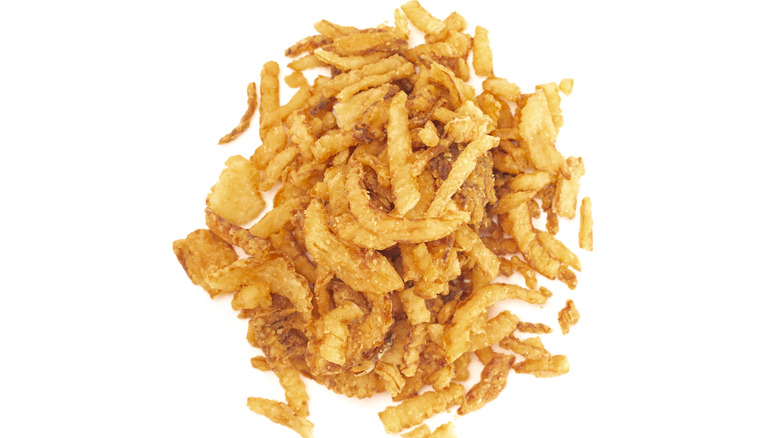
Perhaps the very best part of a green bean casserole is the crunchy topping made from fried onions. The rest of the casserole has a soft, creamy texture, so that extra crunchy element can make all the difference in the final product. However, one mistake that far too many home cooks make is adding that topping too early in the baking process. You might be tempted to sprinkle on those fried onions right before you put the casserole in the oven, but hold off until the casserole is almost completely baked, suggests Rena Awada. She says that you should add your topping only 10 minutes before the casserole is finished baking.
It's important to avoid this mistake because if you don't, you can end up with soggy onions, which negates the whole point of adding them in the first place. After all, they're there for crunch. Even worse, putting them onto the casserole too soon could result in burnt onions, which will have you trying to scoop them out of the dish before serving. Just remember to add them for the last few minutes of bake time, and you'll get the crispy, crunchy casserole topping of your dreams.
Forgetting to let the casserole rest before serving it
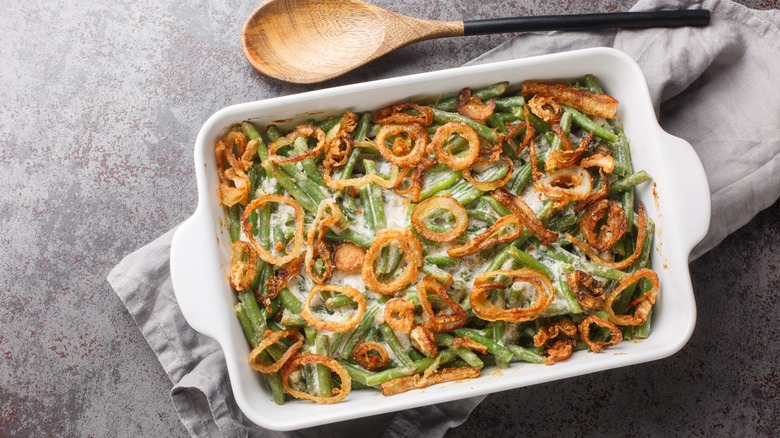
Generally speaking, you don't want to serve casseroles right when they come out of the oven. This is true for many of the casseroles you'll find on the Thanksgiving table, including your green bean variety. Instead, you should let the casserole rest a bit before you finally start to serve it. This is because that extra time out of the oven helps the flavors mix and meld together so you have a more coherent bite. Plus, allowing the casserole to cool down a bit before you serve it makes it less messy and will result in a better, more structured texture.
Luckily, you don't have to wait a super long time before you're ready to serve your masterpiece. Generally, within five to 10 minutes, the casserole will be ready to go. You can spend that time doing last-minute prep on the other dishes you're making for the meal. Plus, having to wait a few minutes makes your guests that much more excited to eat!