

The Reality Of Why Buffalo Trace Bourbon Is So Hard To Find
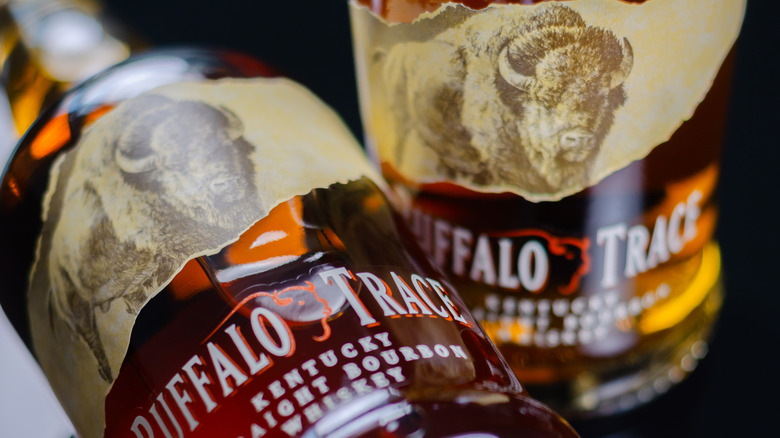
Buffalo Trace whiskeys are a favorite for bourbon drinkers of all stripes. The eponymous flagship whiskey, Buffalo Trace Straight Bourbon Whiskey, is an inexpensive entry level bottle that still boasts exceptional quality — the sort of bottle that can equally be sipped neat or used for mixing. But that is just the tip of the iceberg for the many bourbon brands produced by Buffalo Trace. Unfortunately, in recent years, many of these bottles — including the flagship — have become harder to track down for consumers, leading to plenty of speculation about what could be causing the apparent shortage.
As with many contemporary issues, if you aren't careful which internet rabbit holes you dive into, you'll quickly find yourself enraged and blaming the distillery for creating artificial scarcity to drive up demand and price. However, as with many other conspiracies touted by internet forum posters, there is no real evidence to suggest that this is the case. The most likely culprit of this seeming scarcity is also the most logical: Buffalo Trace has simply become a victim of its own popularity.
Bourbon in general has been on the rise for a while now, and Buffalo Trace whiskeys have been at the front of that wave, thanks in part to the exceptional quality of some of the higher-ticket bottles, such as the Pappy Van Winkle line and the Weller 12 Year Old. As the brand's fan base has grown, so too has demand, which in the bourbon world can quickly lead to more difficulty in finding treasured bottles on the shelf — especially when the scarcity mindset kicks in and shoppers start buying up more than they need.
How is Buffalo Trace reacting to the seeming shortage?
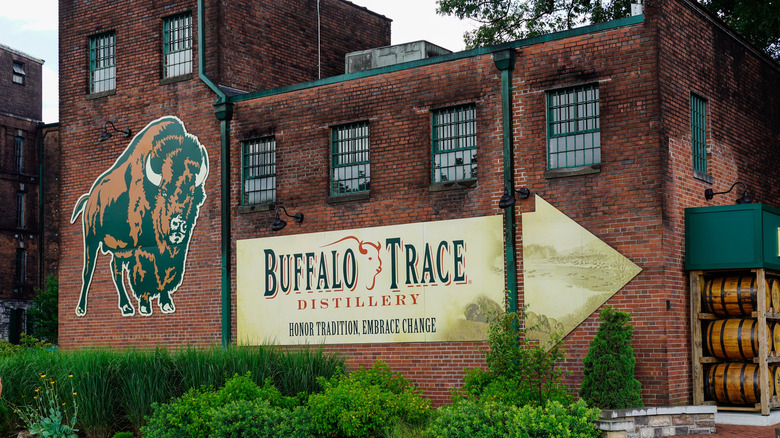
You see, whiskey is, unfortunately, a slow business. If we were talking about, say, gin or vodka, the brand could potentially find a quick fix to increase production and meet the rising demand. But, by its nature, bourbon must be aged. When it comes to Kentucky Straight Bourbon Whiskey — which is the designation you'll find on the Buffalo Trace flagship whiskey – that aging process must last a minimum of two years — and anything aged less than four years must bear an age statement on the bottle. But this bourbon ages for much longer than the bare minimum.
There is no official age statement on the bottle, but the believed average aging process of Kentucky Straight Bourbon Whiskey is somewhere between 6 and 10 years of aging. With a timeline like that, there is just no way that the distillery can quickly respond to rapid fluctuations in popularity — and that's just for the flagship. Many of the distillery's other popular products need even longer in the cask. If you take the Eagle Rare 10-Year, for example, the whiskeys going into that bottle must be at least 10 years old. The Pappy Van Winkle range stretches things further, with bourbons ranging from 10 years all the way up to 23 years — and there's even a 25-year Rip Van Winkle bottle.
Rather than be upset that they might be hard to find on the shelves, people should be thankful that these exquisite whiskeys exist at all. Between the year 2000 — when some of these whiskeys first hit the cask — and 2023, production of bourbon increased by 566%. Bourbon is booming, but as with any product that requires aging, it takes a while for those bottles to reach your home bar. Buffalo Trace is, however, making big changes.
How will the Buffalo Trace expansion address the bourbon scarcity?
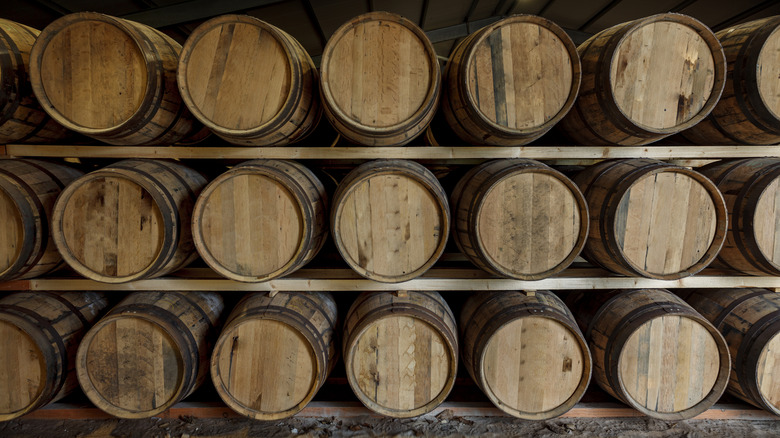
In response to the massive growth in not only the bourbon industry as a whole but its own product in particular, Buffalo Trace has taken on a massive distillery expansion. The $1.2 billion project was announced in 2015, but construction of this kind is not quick. In fact, it took a full 10 years, with the project only reaching completion in January of 2025.
The scope of the expansion was enormous, adding 12 new 95,000 gallon fermenters, a new boiler house, a new bottling line and distribution center, and 14 new barrel warehouses, among plenty else. With construction now complete, the distillery is already boasting an increase in production, taking its numbers from around 200,000 barrels of bourbon a year at the start to a staggering 500,000 now.
The downside to all of this, of course, is that even though Buffalo Trace is pumping out bourbon in much higher volumes, there is no way to speed up that damnable aging process. For now, you will just have to be patient and keep an especially keen eye on the shelves of your local liquor store or Costco warehouse. But all of you diehard fans out there can rest assured that the future is looking bright, and Buffalo Trace is doing its best to make sure your glass never goes dry.