

10 Common Mistakes To Avoid When Buying Cherries
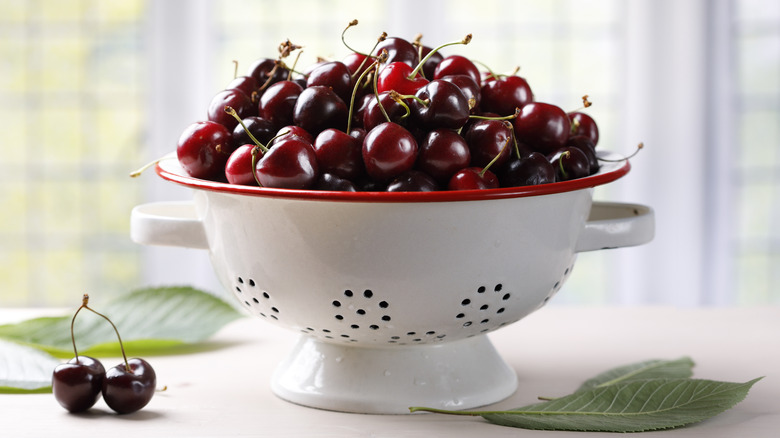
Summer is the season of cherries. As soon as it starts to get warm, you'll notice punnets of them popping up at your local grocery stores and farmers markets, beckoning you with their gleaming red flesh. And when you get a particularly good batch of them, it's heaven — cherries have the perfect combo of sweet and tart notes that make the fruit taste like juicy candy. However, bad cherries are especially disappointing, considering that they often taste flavorless (and tend to cost a lot to boot, making you feel like you wasted your money).
That's why it's so important to avoid the most common mistakes that people tend to make when buying cherries. We've spoken to cherry experts, including Joseph VanWagner, Executive Chef of Echelon Kitchen & Bar in Ann Arbor, Michigan; Bridget Vickers, senior chef-instructor at the Institute of Culinary Education Los Angeles; and Rena Awada, owner, head chef, food blogger, and content creator at Healthy Fitness Meals, to get a better sense of what mistakes you don't want to make when buying cherries. Once you know what not to do, you can better ensure that every batch of cherries you buy from now on will be as tasty as can be.
1. Buying underripe cherries
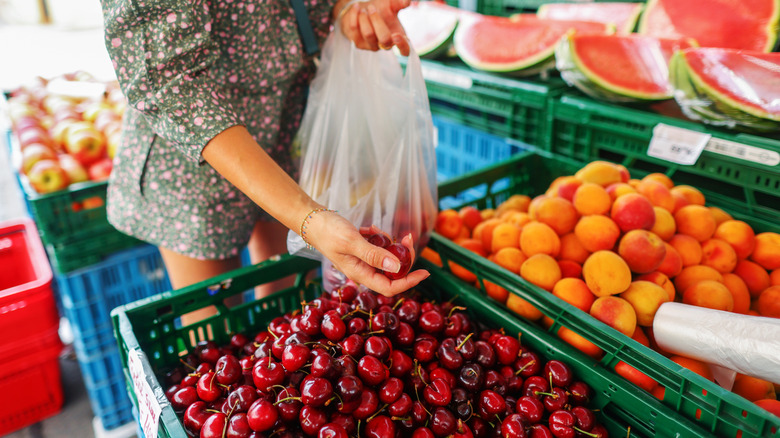
Have you ever purchased cherries only to realize that they were too hard and tart with an unpleasant texture to them? There's a good chance that the cherries weren't quite ripe yet. According to Joseph VanWagner of Echelon Kitchen & Bar, one of the most common mistakes produce buyers make is buying cherries that are underripe. It's easy to do, especially if it's early in the season and you're excited about purchasing cherries for the first time in a year. That's why it's so important to pay attention to signs of ripeness in your cherries.
First of all, check the color of your cherries. If they're still sort of green, then you can absolutely tell that they're not ripe yet. But even if the color is lighter than what you would expect for the kind of cherry you're purchasing, that's a good sign that the cherries aren't going to be as sweet and juicy as you want them to be. Additionally, you can be pretty sure that your cherries aren't yet ripe if they're hard to the touch. Pay attention to these signs to ensure that you're getting cherries you can start snacking on right away.
2. Forgetting to inspect your cherry haul for spoiled or blemished cherries
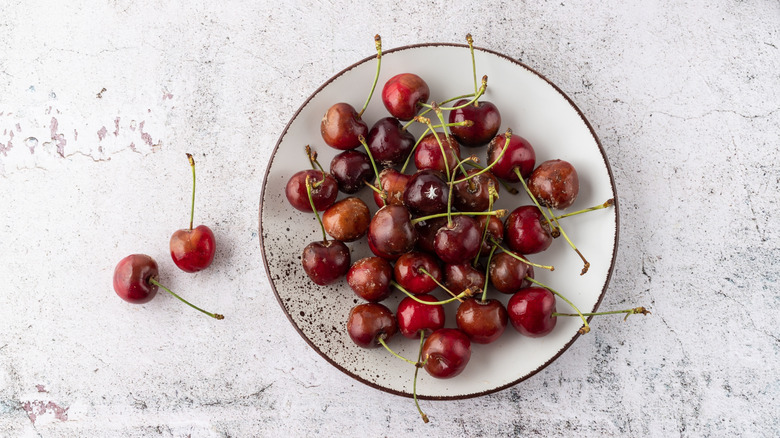
Sometimes, when you're buying cherries, you may get a big batch of them. They might come in a large plastic bag or other container that doesn't exactly allow you to see all the cherries inside until you kind of jostle them around. But it's a mistake to assume that just because the cherries you can easily see look good that all of the fruit is in good shape. It's important to inspect your cherry haul to check for spoiled or blemished cherries, as they can easily affect the whole batch of otherwise solid ones.
Blemished cherries are often overripe, and cherries that are already moldy can make the rest of the container go bad faster. If you notice that about a quarter or more of the cherries in the batch are moldy or spoiled, it's time to throw out the whole batch. By checking for these not-so-fresh cherries before you purchase them, you can avoid having to throw out a ton of fruit that you paid good money for.
3. Only selecting the cherries based on color
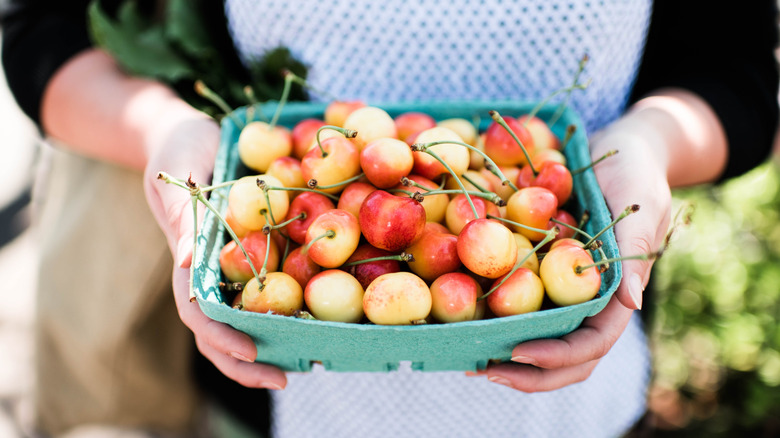
When it comes to just about any fruit, checking the fruit's color is often a good way of assessing quality. After all, with most fruit, including cherries, you can probably get a good idea of how ripe the fruit in question is based on the color alone. However, Rena Awada of Healthy Fitness Meals says it's a mistake to choose cherries based on color alone. That's because color can sometimes be deceiving, especially if you're choosing from lesser-known cherry varieties.
"Choosing just by color," is a major mistake that people make when buying cherries, she explains. "Deep or dark red doesn't always mean ripe or sweet. Some varieties, like Rainier, remain golden-pink even when perfectly ripe." Therefore, don't be afraid to ask about the variety of cherry you're inspecting (or Googling it if you're at the grocery store). Once you know what that particular cherry variety is supposed to look like when it's ripe, you can determine if you're getting a decent quality and ripeness level. Otherwise, you may miss out on some delicious cherries just because they don't look like the bright red cherries you may be used to.
4. Purchasing wet cherries
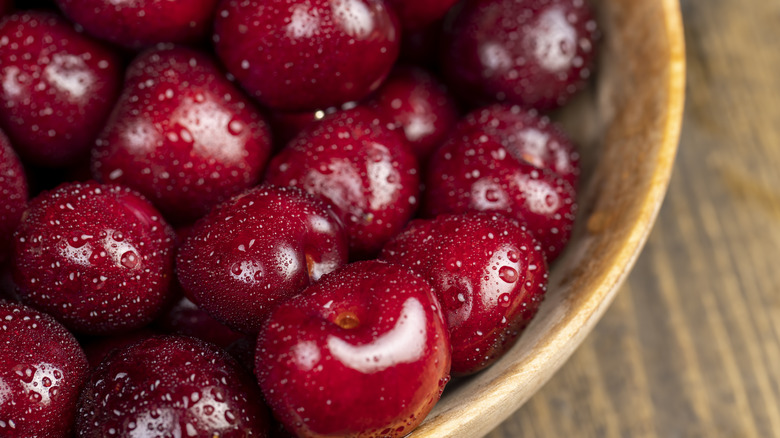
Eating wet, freshly washed cherries is one of the joys of summertime. However, according to Bridget Vickers of the Institute of Culinary Education Los Angeles, buying cherries that are already wet at the store or farmers market can be a big mistake. Sure, it may not always be a big deal, but wet cherries may indicate that you're getting fruit that's not quite as fresh as you'd want it to be.
"Wetness often indicates that the items were washed before packaging, which can reduce shelf life or worse, cause some to burst," explains Vickers. Ideally, you'd want to wash your cherries at home right before you get ready to eat them. Although it's nice to know that you're getting clean fruit, you don't want your cherries to go bad before you can eat them just because the store or farmers market selling them is taking that extra step. Rather, you should be on the lookout for dry, shiny cherries for the freshest results.
5. Selecting the wrong type of cherry for your intended use
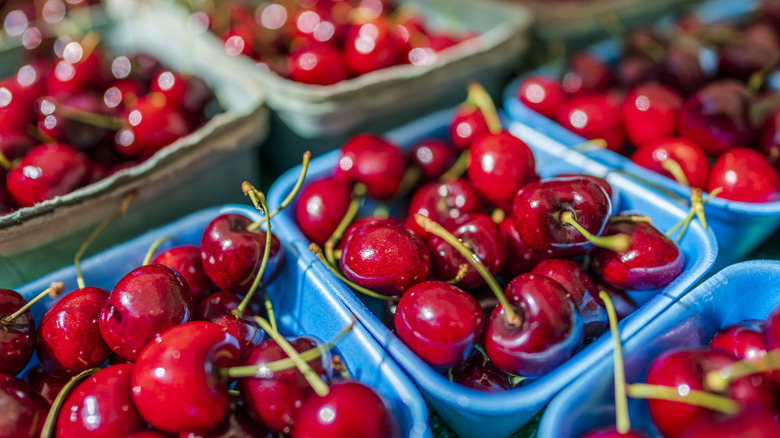
If you're shopping at a typical grocery store, you may notice that you really only have one type of cherry to choose from during the summer months. However, if you're at a specialty store or a farmers market, then you may encounter a wealth of different cherry varieties. Having lots of produce options is always fun, but it also means you need to understand which varieties will meet your specific culinary needs. Per Joseph VanWagner, it's a mistake to select a cherry variety that doesn't match your intended use.
For example, if you plan on making cherry jam, jelly, or pie, then you may want to opt for a tarter cherry variety. This is because you'll probably be adding sugar to the recipe, and you don't want to start with fruit that's already overly sweet. In this case, you should be looking for cherry varieties like Montmorency and Morello. On the other hand, if you just want to snack on your cherries, it's generally a good idea to select sweeter varieties. Bing and Rainier cherries are solid options in this case.
6. Not freezing the cherries you're not going to eat right away
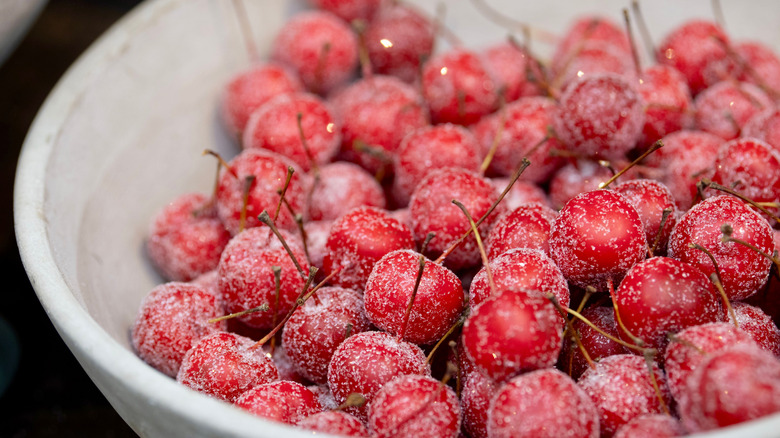
Ever gotten so many cherries, you just don't know what to do with them? It's not uncommon to get a lot more cherries in a container than you can actually eat before they all go bad — particularly if you only have one or two people in your household. One solution is to give some of those cherries away to friends, family members, or neighbors if you can't get through them all. But if you're really committed to getting the most bang for your buck out of those cherries, you might want to freeze some of the extras. That way, you'll ensure that you can use them at a later date.
Once you've frozen your cherries, you might not want to eat them on their own. Luckily, though, there are plenty of other ways you can utilize them. For example, you can blend them into smoothies or slushies for a refreshing beverage, or you can make homemade cherry pie filling. You can also dehydrate them to make for a fruity snack that you can take on the go or even infuse booze with them for more flavorful cocktails. Regardless, not freezing those cherries for later and simply allowing them to go bad in your fridge is definitely a mistake.
7. Forgetting to do the squeeze test
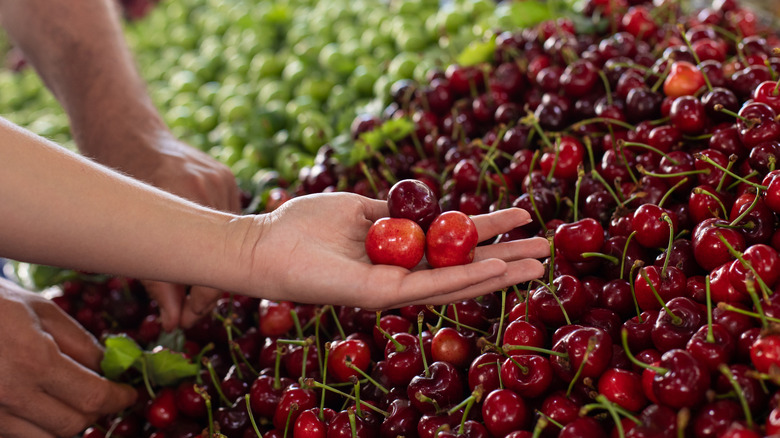
While color may not be able to tell you everything you need to know about the batch of cherries you're about to buy, firmness and texture can actually communicate a lot. That's why Rena Awada says "not doing the squeeze test" is a mistake that many consumers make when it comes to buying cherries. Checking the firmness of your cherries can give you a good sense of where the cherries are in their lifecycle.
According to Awada, "Cherries should feel firm. Not hard. If they're wrinkly soft, they're tired." In that case, the cherries you're inspecting will probably go bad pretty quickly, and they may not have the tartness you're looking for in a good batch of cherries. On the other hand, she says, " If they're rock solid, they were picked too early." Find a batch of cherries that feel firm but still have some give to them when you want to select the best, ripest, and most delicious fruit out there.
8. Opting for dull cherries over shiny ones
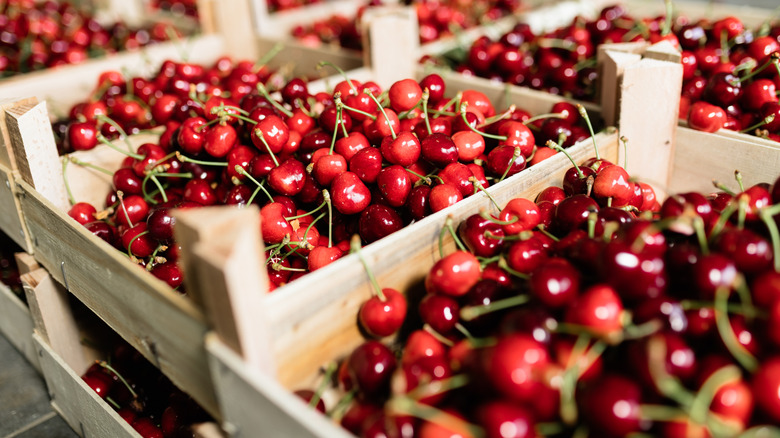
Cherries are one of the prettiest types of fruit out there. Not only is their deep red hue immediately appealing, but good, fresh cherries also have a shininess to them that makes them even more pleasing. That's why it's a mistake to select dull cherries over shiny ones, says Bridget Vickers. "Never settle for a dull cherry finish when it comes to luster," she suggests. "A fresh, ripe cherry, whether dark Bing or bright Rainier, should have a natural sheen, a beautiful, vibrant shine."
And if the cherries are missing that signature shininess? You may not be getting very good fruit quality. "Dull, muted, or wrinkled skin is a sign of age and dehydration," says Vickers. Unless you're looking for fruit that's going to go bad within a matter of days, you should steer clear of these old, dull-looking cherries. By looking for other signs of spoilage, like blemishes and a soft appearance, you should have a pretty good idea whether you're looking at fresh cherries or ones that are past their prime.
9. Not inspecting the cherries' stems
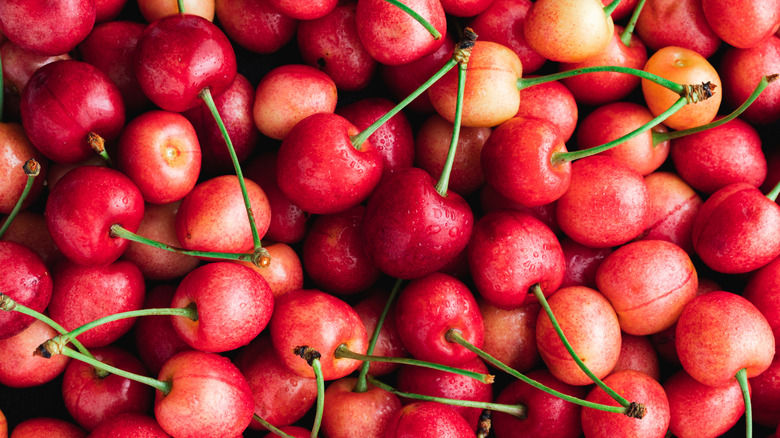
When you're trying to select the best cherries at a grocery store or farmers market, you can look for signs of freshness beyond the appearance and texture of the edible part of the fruit itself. In fact, sometimes, cherries' stems can tell you all you need to know about their freshness, says Rena Awada. She says that a significant mistake many cherry buyers make is "not checking the stem." According to Awada, "A dry stem means the cherry has been picked for a while. Look for stems that are still green and flexible."
You should also pay attention to how the stem attaches to the fruit. "Look for bright green stems that still cling tightly to the cherries," she suggests. "And the cherries shouldn't easily fall off of them." That being said, you should still be able to take the stems off of the cherries when you give them a good yank.
10. Buying cherries too early in the season
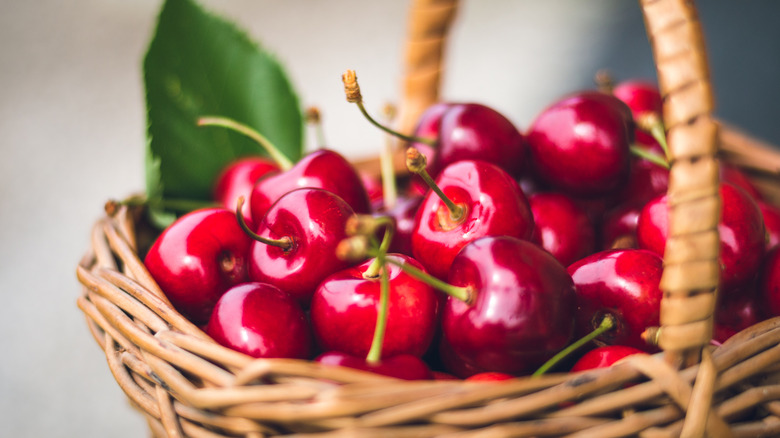
When summer finally rolls around, you probably can't wait to get your hands on some juicy, ripe cherries. We know that it can be hard to wait for this seasonal fruit to finally make its appearance at the farmers market. But Bridget Vickers says that it's a mistake to rush into cherry season and start buying cherries too soon. Sometimes, these early-in-the-season cherries just aren't going to taste as good as they will further into the summer.
"Be wary of buying too early in the season, and always taste if possible," Vickers suggests. Although it's not always possible to taste cherries you're thinking about buying, you can always ask your local farmers market vendor if you can have a taste. "Size and color can be deceptive. A high-quality cherry should have a good balance of acid and sugar; a rich, complex sweetness, not just a bland sugar rush." Generally, you're going to start finding good-quality cherries sometime around early June, although this timeline can vary depending on where in the world you're located.