

10 Mistakes Everyone Makes With Chili At Home
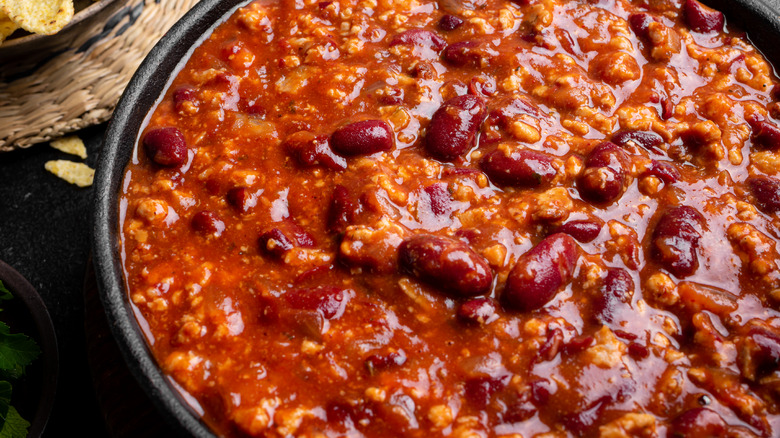
When the weather starts getting cold and blustery and you need a steaming hot meal that feels like a warm hug, chili is the perfect dish to make. It's deeply hearty and comforting, can be packed with veggies, beans, and meat, and can easily feed a crowd. Plus, since it's so easy to make a big batch of it, you can freeze the leftovers so you have delicious, homemade chili to eat on a day when you don't feel like cooking. And although chili seems like a relatively straightforward dish, you might be making some common chili mistakes that you don't even realize are a problem.
Luckily, most of these mistakes are quite easy to rectify and don't require a ton of extra time or effort in the kitchen. We spoke to chili experts, including Newman Miller, co-owner and chef at Mr. Tubs in Bardstown, Kentucky; Mark Sontag, director of food and beverage for Clancy's Hospitality in Noblesville, Indiana; Christian Gill, chef and culinary brand content manager at Spiceology; Sophina Uong, chef and owner of Mister Mao in New Orleans; and Marc Matsumoto, food writer, recipe developer, and founder of No Recipes, to learn about the mistakes they always suggest avoiding while making chili. So, let's take a closer look at what you may be doing wrong when you make a batch of chili, and you may just find that your next bowl of chili tastes more delicious than ever.
Not seasoning the chili heavily enough
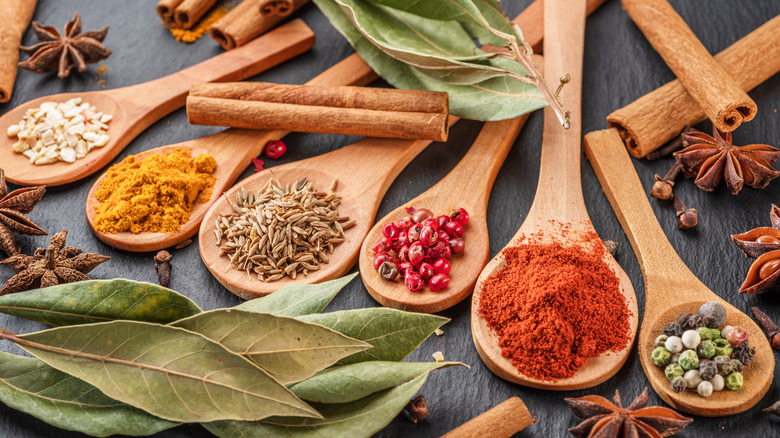
You know when you get a bowl of chili that's just ... bland? It's a huge bummer. It looks like all of the right ingredients are there — you see beans, meat, and plenty of veggies — yet, still, the flavor falls flat. There's a good chance that chili simply wasn't seasoned properly. According to Newman Miller of Mr. Tubs, this is an incredibly common mistake that home cooks make with chili. "Seasoning is the biggest mistake — people don't season enough," he explains.
You'll want to use a variety of seasonings, but salt is arguably the most important, as it enhances the flavors of all the other ingredients you're working with. "Not more salt but layers of flavor," Miller suggests. And don't be afraid to try the random seasoning blends you have in your spice cabinet. "My big chili secret is that I use Zing Zang Bloody Mary mix as the tomato element of my chili! I still season my chili as I would normally, but then add the Zing Zang to loosen it up and further season," says Miller.
Thinking you have to use beans
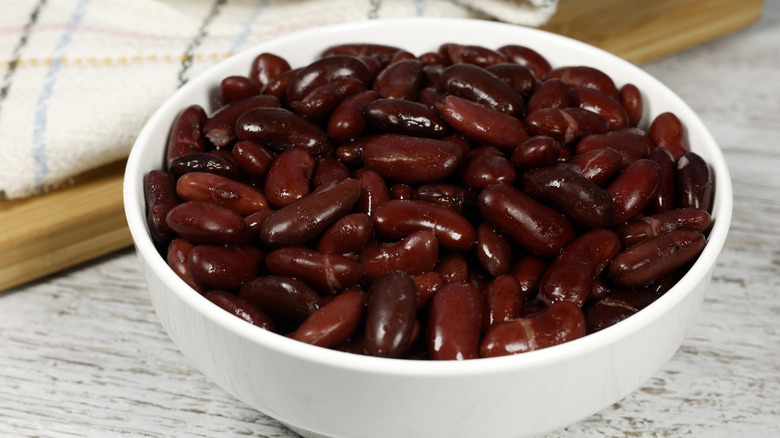
For a lot of people, chili is one very specific recipe, and they don't dream of deviating from that one flavor profile. But in reality, chili is an extremely versatile dish, and you can make it in countless different ways. Although some assume that beans are absolutely required in a chili dish, it's a mistake to think so, considering that some of the most delicious chili recipes out there call for no beans at all. "Beans are fine in some chilis, but they're not required — and they're definitely not universal," explains Christian Gill of Spiceology. "Texas-style chili often skips them entirely, while chicken or white chili embraces them. The key is understanding your regional style before you start throwing ingredients in a pot."
If you want to go beanless with your chili, find a recipe that calls for no beans at all. And if you don't want to follow a recipe, just riff with your other favorite chili ingredients. You may find that a meat-heavy chili tastes even better than the bean-heavy classics you've enjoyed in the past.
Using the wrong kind of meat for your chili
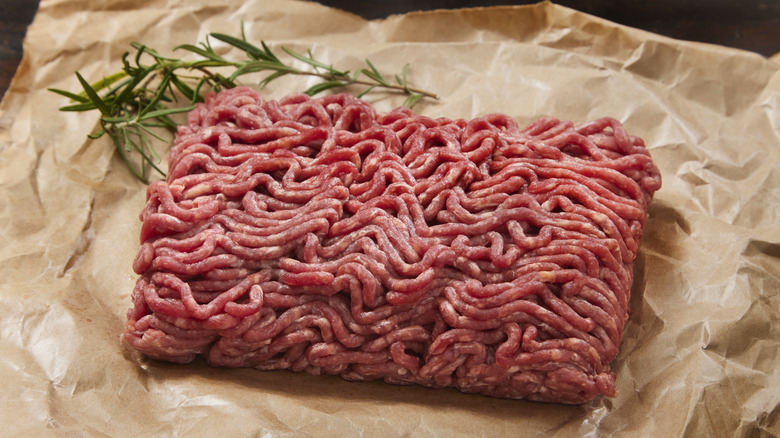
Not all chili recipes call for meat. In fact, some of the most delicious chili recipes out there rely on vegan or vegetarian protein sources entirely. However, if you do decide that you want to use meat in your homemade chili, then you're going to want to choose the right variety. Of course, that means actually opting for the variety of meat your specific chili recipe calls for, but it also means selecting meat that has enough richness and fattiness to it — super-lean meats aren't going to cut it if you really want to make a flavorful chili.
"The meat for chili should have some fat content to it," says Mark Sontag of Clancy's Hospitality. "This keeps the flavor and texture silky and smooth in the finished product." Not only does opting for fattier meat yield a better, richer texture, but it also ensures that you get more flavor in every bite of your chili. "I would suggest at least an 80/20 ground beef, brisket, or chopped steak," he says. Luckily, ground meat with a higher fat content is often more affordable than the super lean stuff.
Refusing to use unconventional ingredients to add complexity to the dish
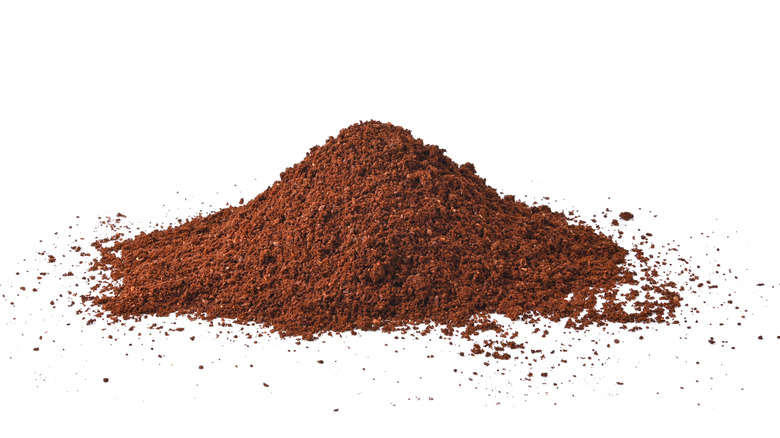
If you've made chili plenty of times in the past, then you probably already have a good idea of the type of ingredients you're going to use. Perhaps you already have canned beans, diced tomatoes, and ground beef on hand. But sometimes, adding in an unexpected ingredient can seriously take your homemade chili to the next level — and that's what Chef Sophina Uong of Mister Mao suggests doing. "We like to use a little bit of espresso powder and some chocolate for some depth of flavor and richness," she explains. "It's like a secret weapon for color." These ingredients may not be included in the average chili recipe, but experimenting with them is a surefire way of making your chili pop.
And when you want to give your chili a burst of fresh, mouthwatering flavor? "Don't forget a pinch of acid at the end," says Uong. "I've been known to add whey from feta cheese or the liquid off the top of the sour cream container for acid."
Cooking the chili too quickly
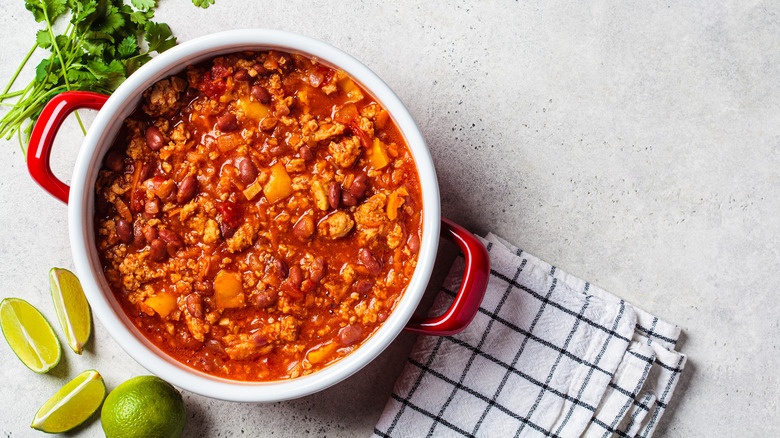
It's the end of a long day, and you want to get a comforting meal on the dinner table fast. There are plenty of recipes out there that you can whip up in a matter of minutes, but unfortunately, chili is not one of them. This dish requires a decent amount of time on the stove, so it's not ideal for those moments when you're in a rush to make a meal.
Unfortunately, though, rushing the cook time is a mistake that a lot of home cooks make when it comes to chili. "Chili needs to be cooked low and allowed to simmer for multiple hours for all of the flavors to meld together," says Mark Sontag. You can make sure all the ingredients are adequately cooked in less time, but your chili isn't going to have the rich, umami flavor it would if you were to give it the time it really needs to come together in the most delicious way possible. Next time you plan on making chili, give yourself plenty of time for it to simmer.
Only using water instead of broth or stock
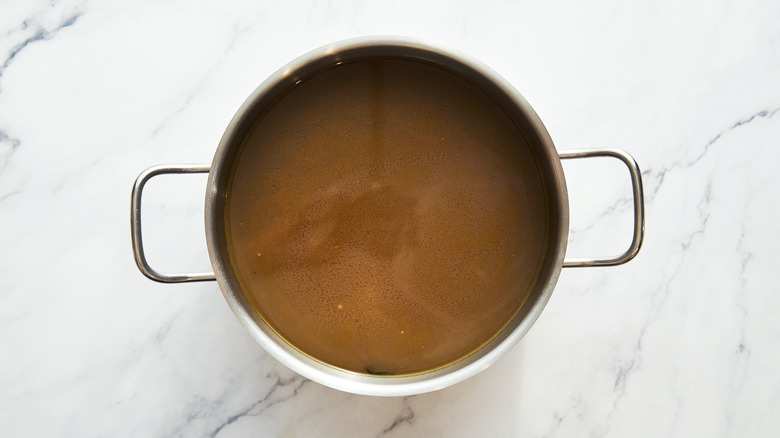
Take a look at some chili recipes, and you'll see that they ask you to cook the ingredients in water to keep the dish moist. Ostensibly, the idea is that all of those ingredients, from the beans to the vegetables to the meat, will infuse that water with a ton of flavor. That's true, but wouldn't it be better to start off with more flavor in the first place? That's why it's a mistake to use water in place of broth or stock for your chili cooking liquid. Broth and stock already have plenty of flavor — and often plenty of salt — that will automatically make your chili more flavorful from the jump.
You don't have to stop with those two, though. There are other flavorful liquids you can add to your chili to really make the flavor pop even more. Beer, red wine, tequila, and even bourbon can add a kick of flavor to your chili. Don't be afraid to add soy sauce, fish sauce, or other flavor-rich sauces for even more complexity.
Not browning the meat and aromatics
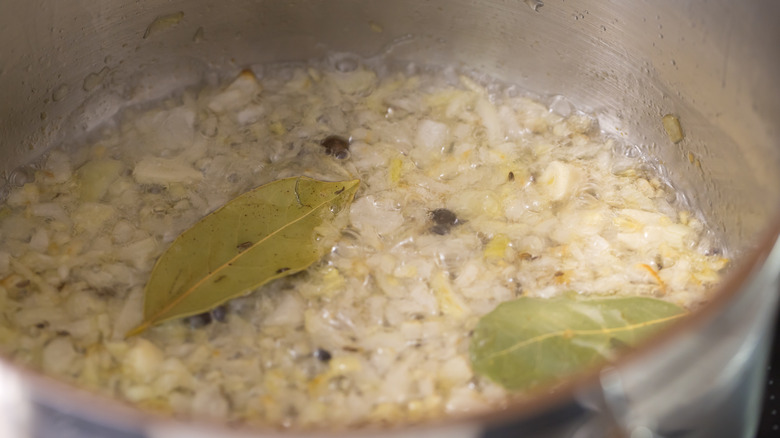
With chili, complexity is the name of the game. What separates an average chili from one that shines is a complex mix of flavors that requires time and specific cooking techniques to develop — you're not going to get the complexity you're looking for by simply boiling your ingredients for a few minutes on the stove, for example. That's why Marc Matsumoto of No Recipes says it's a mistake not to brown your meat and aromatics before adding the rest of your chili ingredients. "Browning the meat and aromatics until you get that deep fond on the pan gives you complexity you can't add later," he explains.
Heat some oil in your pan before adding the meat and aromatics. Cook them until they take on a nice, golden brown color, and you'll notice that your chili is infused with a lot more flavor than it would be if you were to skip this step entirely. To get even more of that complex flavor from your browned aromatics, pay attention to how you prepare them. "I also like to grate onions and garlic instead of chopping them," says Matsumoto. "The extra surface area helps them caramelize faster, so you get big flavor in less time." Not making this extra effort is one mistake that's especially easy to fix and that will only take a few extra minutes of cook time.
Forgetting to add umami elements to the dish
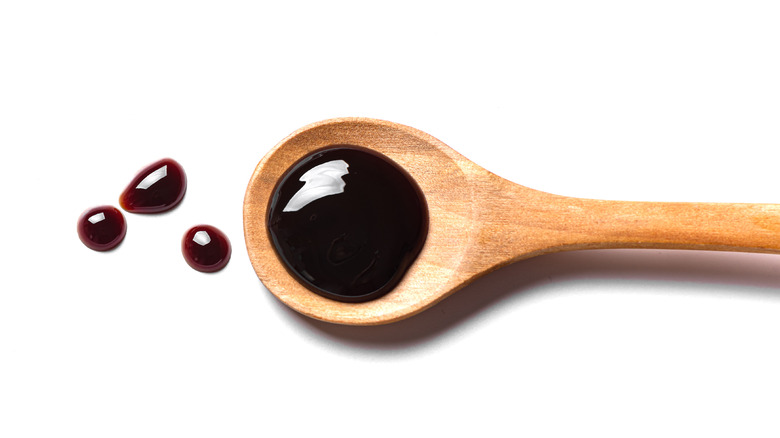
A good batch of chili isn't solely salty — it has a complex umami note to it that'll keep you coming back for spoonful after spoonful. Sure, you can build some of that umami quality simply by using plenty of meat and browning it ahead of time, but there are other, arguably easier ways to really get that punch of umami flavor that you're looking for in your chili. Marc Matsumoto says that adding "umami boosters" can liven up the chili.
These added ingredients may not appear on the ingredients list of your favorite recipe, but they can make a big difference in the final product. So, what sources of umami should you be adding to your dish? "A splash of soy sauce or a pinch of unsweetened cocoa powder adds earthy depth without turning the chili sweet," according to Matsumoto. Miso, fish sauce, and Worcestershire sauce can also play a similar role in your chili.
Not including any garnishes
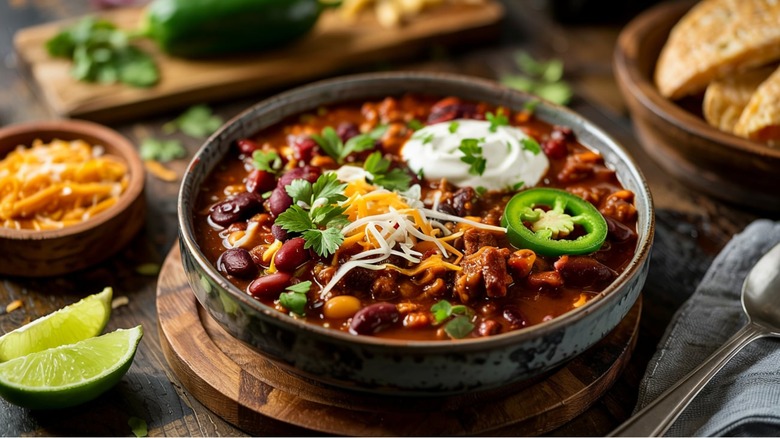
Ideally, your chili is going to be super flavorful all on its own. After all, once you've taken so many steps to build flavor, there's a good chance that the plain chili on its own is already going to taste delicious. But there's a way to include more flavor in the mix. "In my opinion, it is a crime to serve chili plain," says Mark Sontag. "It needs the additional flavor of garnishes." Depending on the garnishes you use, they can lend freshness, acidity, spice, or even creaminess to your chili, taking it to a whole new level.
Ideally, you'll serve your chili with a smattering of different garnishes that appeal to a wide range of palates. Sontag recommends using diced onions, jalapeños, fresh cilantro, sour cream, or cheese. Of course, you can get creative with your own chili additions depending on what you already have on hand in your fridge or pantry. "Those contrasting flavors just accentuate the chili," Sontag says.
Forgetting the let the chili rest overnight
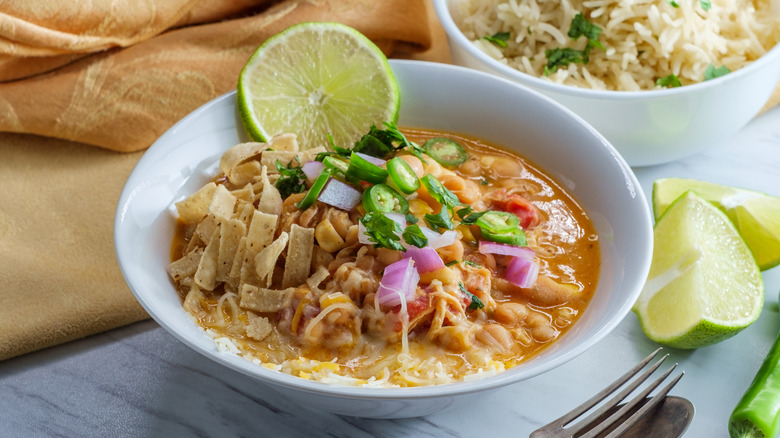
We get it: After spending hours simmering chili on your stove, you probably want to dig in right away. Of course, we assume that you're going to get yourself a bowl as soon as that chili comes off the heat. For the best-tasting chili possible, don't make the mistake of eating it right away — give it some time to rest so those flavors can mix and meld even more completely.
According to Mark Sontag, not allowing the chili to rest is a common mistake home cooks make. "Chili tastes better the next day," he says. "Let it refrigerate overnight before reheating and serving." Yes, that does mean that it'll be a bit longer before you get to eat your masterpiece, but you may be surprised at how much those complex flavors bloom and develop after the chili spends the night in the fridge.