

15 Old-School Cooking Hacks That Still Work Today

Modern ways of cooking, like chucking things in the air-fryer and hoping for the best, for example, are handy and effective, sure, but sometimes, to get the tastiest results, we need to look to the past. For hundreds of years, humans have had to cook food to sustain ourselves and our families. So it makes sense that during that time, we've figured out some pretty good cooking tips and tricks.
Below, we've gathered some of the best old-school cooking hacks that we could find. Many of them come from moms and grandmothers. This isn't that surprising, considering that, for centuries, cooking has been considered primarily a woman's task.
Whether you're into baking, bacon sandwiches, or you need ingenious ways to save your kitchen disasters, there's an old-school cooking hack for everyone. And the best part? Most of them are far from complicated and involve using simple items you likely already have on hand, like flour, mayonnaise, salt, sugar, and even a roll of cotton thread.
Use tinned soup to make everything from scrambled eggs to fish burgers

If you open the pantry and find a can of soup, the most obvious thing to do is to heat it up and eat it with some bread, as intended. But simple tinned soup can actually help to elevate many different dishes, adding texture and a boost of flavor with minimal effort.
In fact, one 1962 recipe, published by the Campbell's Company (then known as the Campbell Soup Company), even recommends combining a can of soup (either vegetable, mushroom, or chicken) into beaten eggs with butter to make "Campbelled Eggs." It sounds odd, but actually, the soup helps to give the eggs a nice creamy texture and, of course, added flavor, too.
Unsurprisingly, Campbell's was a big proponent of cooking with soup. The company even published its own cookbook, called "Cooking With Soup," in 1970, featuring recipes for dishes like tuna burgers (made with condensed celery soup) and broiled egg salad sandwiches (with condensed mushroom soup).
Sprinkle bacon with flour to make it extra crispy

If you like your bacon extra crispy, then you've probably tried a few tricks and hacks to increase the crisp factor. Some people swear by applying pressure to the bacon while it's cooking by placing another pan on top, for example, while others add water to the skillet or bake it on a rack with paper towels.
But if you haven't tried sprinkling a little flour on the bacon yet, let this be your sign to give it a go. The old-school cooking hack has been used by bakers for decades, and involves allowing the bacon to sit in flour in the fridge overnight before shallow-frying or baking in the oven. The result? Bacon that tastes like it has been deep-fried, but without the excess oil. Don't eat bacon? This trick works with many different plant-based foods, too. It will also give mushrooms a nice crispy texture, as well as tofu and tempeh.
Add mayonnaise to cake batter
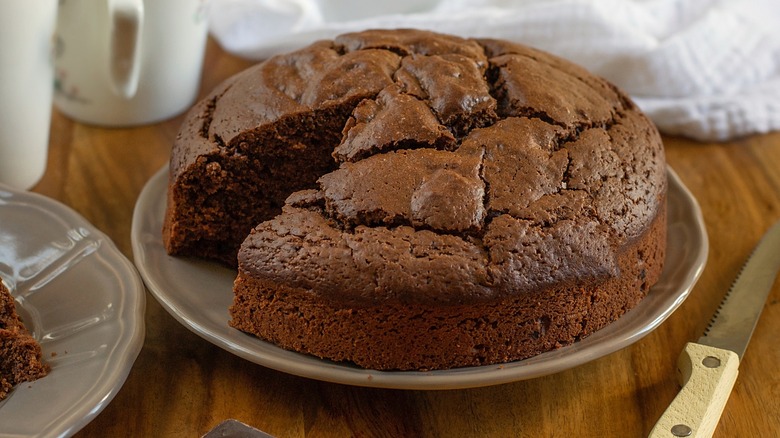
Mayonnaise in a cake? It sounds like something that shouldn't work, but it turns out, adding a dollop of the white condiment to your batter can help you bake a cake that is deliciously rich, tender, and moist.
One of the earliest recipes for cake with mayonnaise appeared in a cookbook in 1938. It simply advised the reader to mix together sugar and cocoa with mayonnaise, before combining it with baking soda, flour, and hot water before baking. Major condiment brand Hellmann's, of course, caught on to this innovative use of mayonnaise. One print advertisement from the 1960s also features a recipe for chocolate mayonnaise cake, advising home bakers to mix 1½ cups of Hellmann's Real Mayonnaise into their batter if they want to make a quick, low-effort, deliciously moist chocolate cake.
Why does mayonnaise work so well in cake batter? It's mostly because mayonnaise is actually a very simple sauce: It's pretty much just eggs and oil, both of which are essential ingredients in cake making, improving the taste and the overall structure.
Re-use cooking water
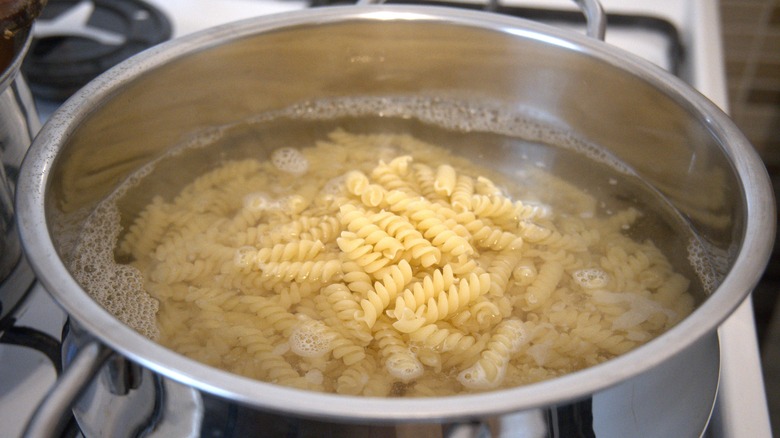
For most of us, after we've cooked our pasta, rice, or potatoes, it's second nature to drain the water straight into the sink. But actually, saving the water and using it as stock or to boil other ingredients can help to add more flavor to your dish. Some say they learned this hack from their grandmothers, who were experts at being resourceful in the kitchen.
Saving cooking water might even add more nutrients to your final dish, too, as when vegetables are boiled, they tend to leach out water-soluble nutrients like vitamin C. When you pour the water down the drain, you lose these nutrients, but if you keep it as stock, you'll consume them, instead.
And, of course, perhaps the most obvious benefit is that re-using cooking water also reduces waste. Per Save Water Save Money, 10% of a household's water is used in the kitchen. Cutting down on this can help to reduce the pressure on local water supplies and potentially help you make savings on your water bill, too.
Store fresh bread in the brown sugar
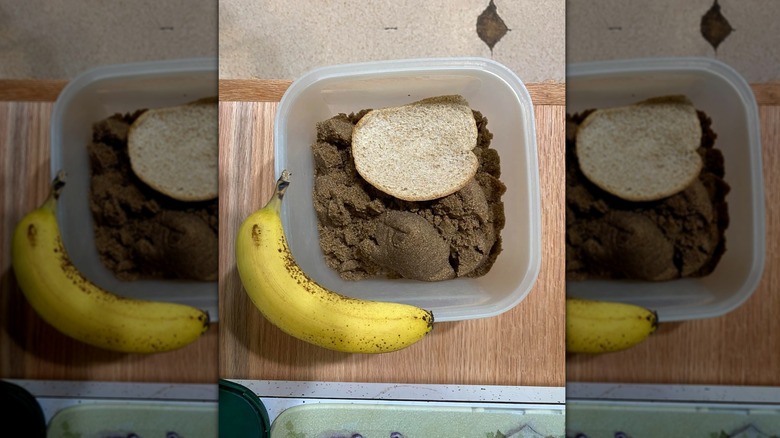
Another handy old-school hack that many say they learned from their grandmother is this: Always store fresh bread in the brown sugar. This is because doing so will help to prevent the sugar from hardening into lumps, which is always frustrating when you pull it out of the pantry to make a cake or a complicated dinner recipe.
It doesn't require any fancy preparation to put this hack into motion. After you've opened a new bag of sugar, just pop a piece of fresh bread in there and seal the bag airtight. That's it! When you go to use it, you'll find your sugar is the right texture and ready to add to whatever you're in the middle of whipping up. The science behind this trick is interesting, but pretty straight-forward. In a nutshell, as the bread turns from fresh to stale, it will emit moisture, and this keeps the sugar nice and soft.
Revive burnt rice with bread
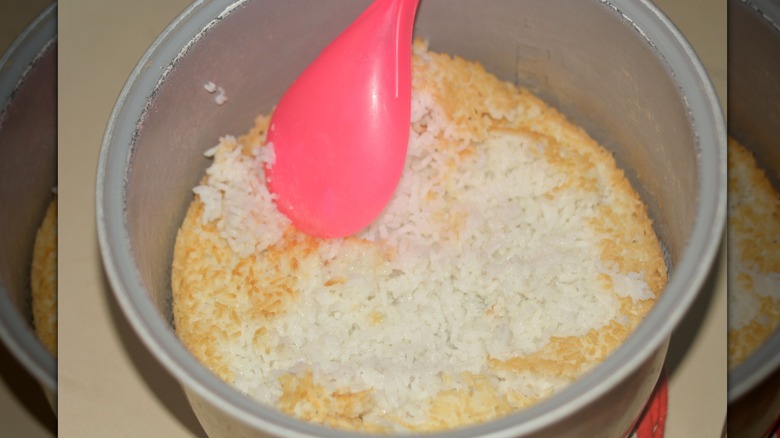
There is a lot you can do with a simple slice of bread. As well as saving your sugar from going hard, it can also bring burnt rice back from the brink. It turns out bread is not just delicious, it's multitalented.
Again, this is a trick that many say was handed down to them by their grandparents. If you get distracted while you're cooking rice (we've all been there), and you come back to the pot to find it burnt, just place a slice of bread over the top of the pot for around 10 minutes. Because bread is porous, it will absorb the bad smell of the burnt rice, turning it back into an edible ingredient again.
That said, sometimes, burnt rice is just too far gone. Before you try the bread trick, it's probably worth removing some of the seriously burnt bits first before you try salvaging the rest.
Add nutmeg to enhance flavor
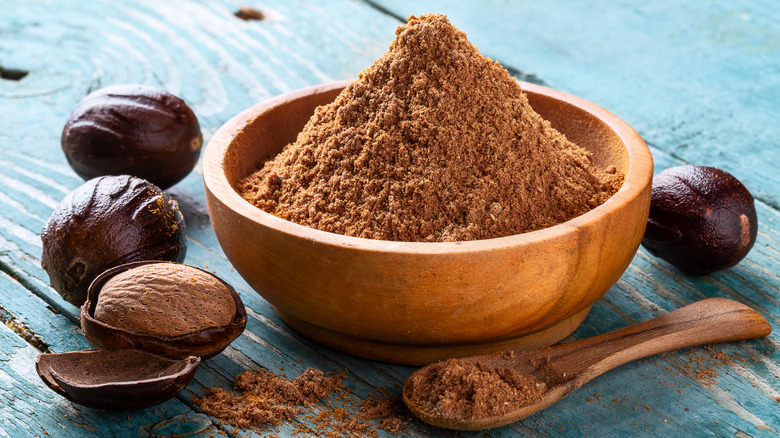
Nutmeg is an essential ingredient in holiday cookies and fall pumpkin pies, but this powerful spice can actually be put to good use in many other dishes, too. In fact, many say that after their mom or grandmother's often added a sprinkle of nutmeg to everything from meatloaf to mashed potato to stew to boost the flavor. It can also play a key role in boosting the umami of quiche and gratin dishes.
Nutmeg is a handy and versatile cooking ingredient, mainly because it is aromatic and flavorful, and, when used in moderation, it works well with other flavors to enhance them rather than overpower them. Just be careful not to use too much, because then you might find the flavor is a little strong. Still, if you enjoy its slightly sweet, spicy flavor profile, then sprinkle away. Just be sure not to get too carried away, as there is such a thing as nutmeg intoxication (in one case, symptoms like dizziness and confusion were brought on by just 2 teaspoons).
MSG is the secret to umami
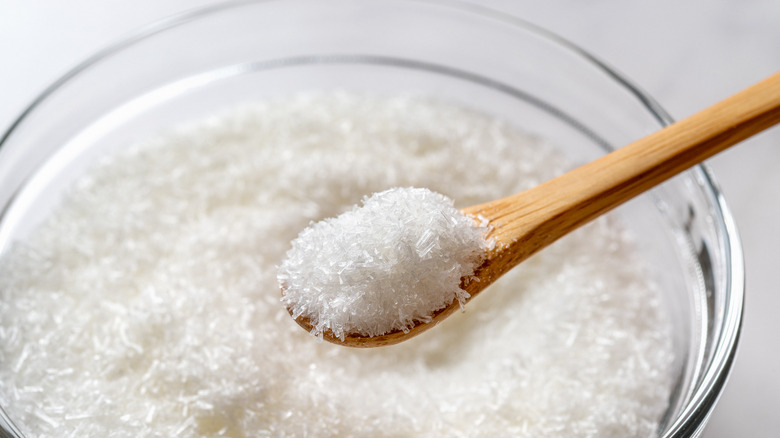
Monosodium glutamate, more widely known as just MSG, has had a bad reputation, but it is undeserved. The ingredient has been unfairly stigmatized through its association with "Chinese Restaurant Syndrome," a condition that is unproven, and many experts believe, racist. It all stems back to a letter that appeared in a New England Journal of Medicine in the 1960s that claimed Chinese food made them feel dizzy and gave them heart palpitations because of the MSG. The problem? It was all a lie. The letter was a hoax, but the damage was done, and many people went on believing that MSG was dangerous.
MSG is not, in fact, dangerous, and there is research to back that up. What it is, though, is a very talented flavor enhancer that brings out the umami in every dish it is added to. It has been used in Japanese homes since the 1920s and 1930s, and in U.S. households since the 1940s. Despite the infamous letter, home cooks back in the day added MSG to everything from creamed spinach to lasagna to chili con carne.
Intensify flavors with tomato paste
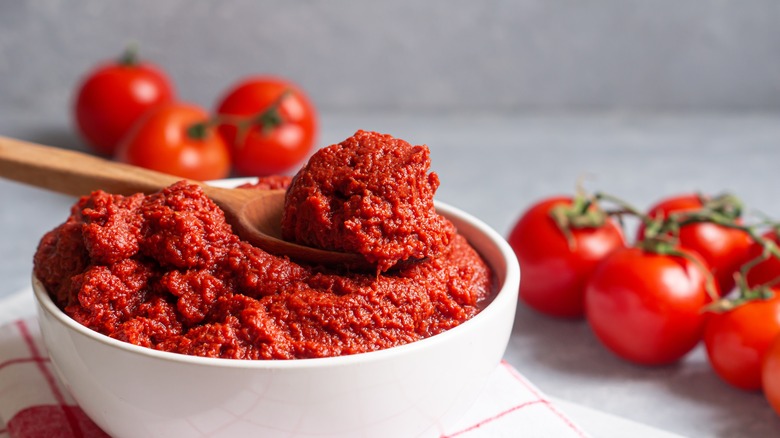
MSG can help to boost umami in many recipes, but another handy old-school trick for intensifying flavors is to add a dash of tomato paste. One Reddit user, for example, recalls trying to replicate the delicious flavors of their grandmother's recipes. They had no luck, until they started adding small amounts of tomato paste to everything from burgers to macaroni and cheese. "Am I the last person to realize the magic of tomato paste?," they asked.
The answer to that question is probably no, but tomato paste does deserve more attention as a meal enhancer. Because it's concentrated, it has an intensely rich flavor, which can help to boost the overall taste of the final dish. One of the best ways to use tomato paste is to add it to dishes like soups and stews, but as the Reddit user pointed out, it can also help to take pasta sauces and juicy burgers to the next level, too.
A rock can smash your garlic
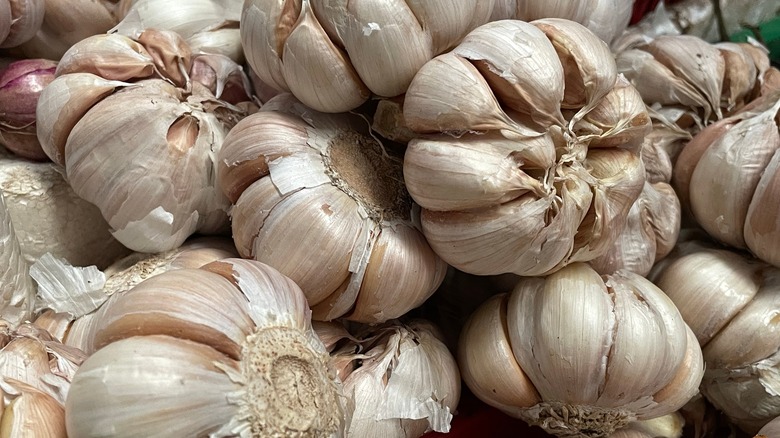
If you cook with garlic regularly, you'll know that this potent vegetable is a great way to infuse flavor into a dish. When garlic is cut, crushed, or minced, a sulfurous compound, called allicin, is released, giving it that signature distinctly potent flavor. Of course, you can chop garlic with a knife or use a garlic press to get all of that garlicky goodness into your cooking, but did you know another option is to give it a good smash with a rock?
This old-school method is far cheaper than buying a fancy garlic press, and it's pretty easy, too, as it involves just pressing down or hitting the clove with the rock to break it open and release the flavor. Of course, for hygiene reasons, make sure you give the rock a decent clean first, either by hand or by running it through the dishwasher.
Thread will cut cakes
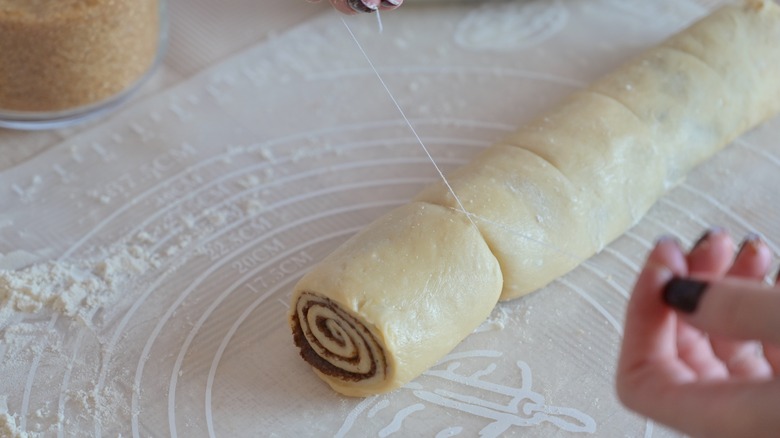
Slicing a cake perfectly is a tricky business. Sometimes, despite our best efforts, it still ends up in a crumbly mess. If you're looking for immaculate presentation when it comes to cake slicing, you might be better off using some simple cotton thread, just like they did in the 1950s.
It's simple, yet very effective: You just take the thread and pull it over the width of the cake, before slicing it into the cake like a saw. The result is smooth, clean edges, and beautifully cut cake, much neater than a knife. If you don't have any thread to hand, dental floss will have a similar effect. Some have even taken to using piano wire to get the same result. And it doesn't just work with cake, you can also use the trick to neatly slice everything from sausages to cinnamon buns to polenta.
Revive tomatoes with cold water and salt
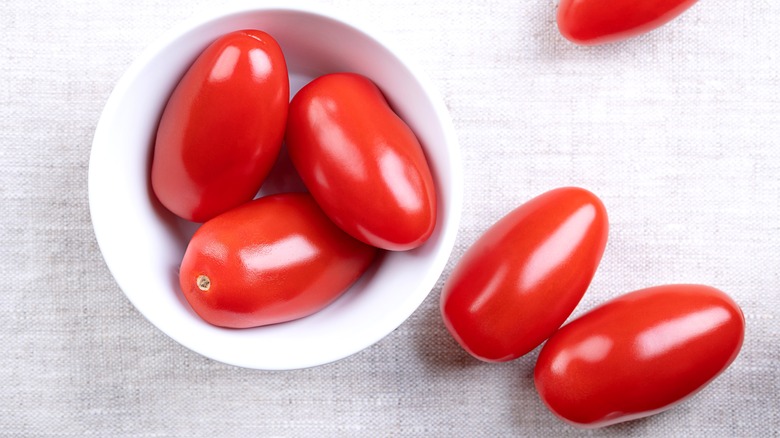
If you're preparing a salad, you're going to want fresh, juicy, firm tomatoes. Soft tomatoes that are slightly past their best just aren't going to taste as good or feel as satisfying when you bite into them. But if you find yourself with sad tomatoes, don't worry, because by using one old-school cooking hack from the 1950s, you might be able to bring them back from the brink and have them feeling firm again.
The hack is simple: You just pour some cold water into a bowl with a little salt and leave the tomatoes sitting in it for around an hour. When you come to prepare your meal, they should have some of their firmness back. The salt will also help to improve the flavor through osmosis, which is what happens when the tomato juice is drawn out of the fruit to sit on the surface. Side note: The cold water trick doesn't just work with tomatoes, but also vegetables like celery and kale, too.
Cook bitter vegetables with sugar
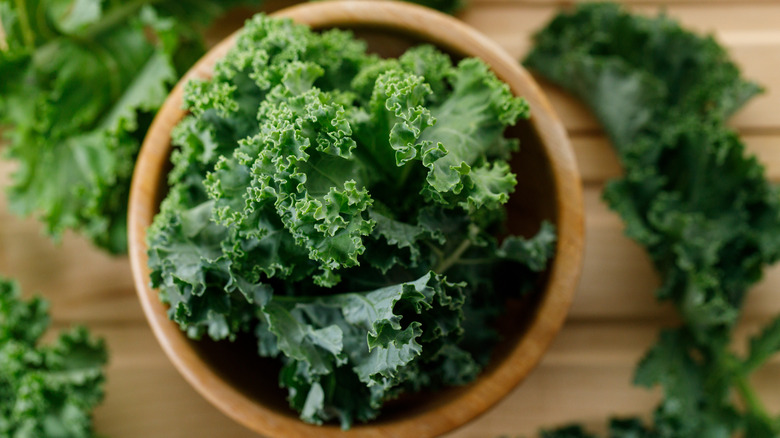
Some vegetables, like Brussels sprouts, kale, and arugula have a tendency to taste a little on the bitter side. But this doesn't mean we should avoid them. After all, many bitter vegetables are incredibly good for us, as they're loaded with essential vitamins and minerals, as well as fiber and antioxidants.
Don't worry if bitterness isn't your thing, though, because it is possible to balance it out. The secret? Add a little sugar to the pan or pot during the cooking process. In fact, this is one old-school cooking hack that many have learned from their relatives over the years.
If you're concerned that the sugar will negate the health benefits of the vegetables, don't be, because you only need a very small amount to improve the flavor. That said, if you really don't want to go anywhere near sugar, you can also add naturally sweet alternatives like dried fruits, date paste, or maple syrup.
Add a touch of soy sauce to gravy
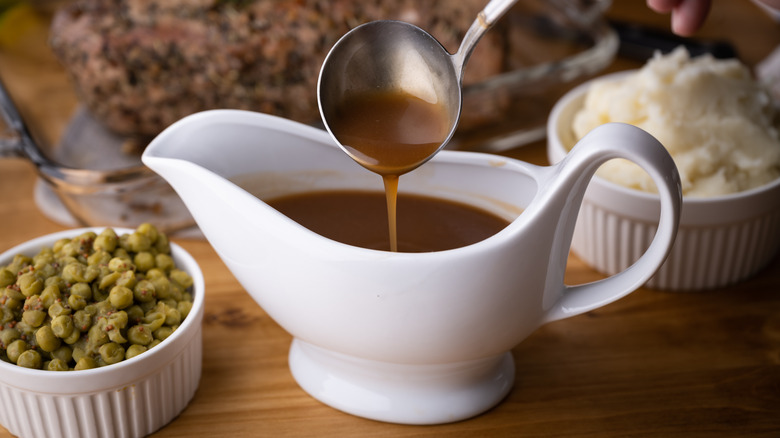
We've touched on MSG and tomato paste, but another great way to intensify the flavor of a recipe is by adding soy sauce. This is a particularly popular technique in old-school Cantonese cooking, but it can be applied to many different dishes.
Some Reddit users and recipe developers recall their grandmothers teaching them to add soy sauce to gravy, for example, as it helps to create a rich, dark color, while deepening the flavor at the same time. It also brings out the flavors of whatever you pour it over, like the turkey in a Thanksgiving dinner or mashed potato and roasted vegetables.
Cooking with soy sauce is pretty much as old-school as it gets. The very first written reference to the condiment dates back to the 13th century, although it's very likely that people were cooking with it even long before then.
Use your knuckle to get the perfect rice to water ratio
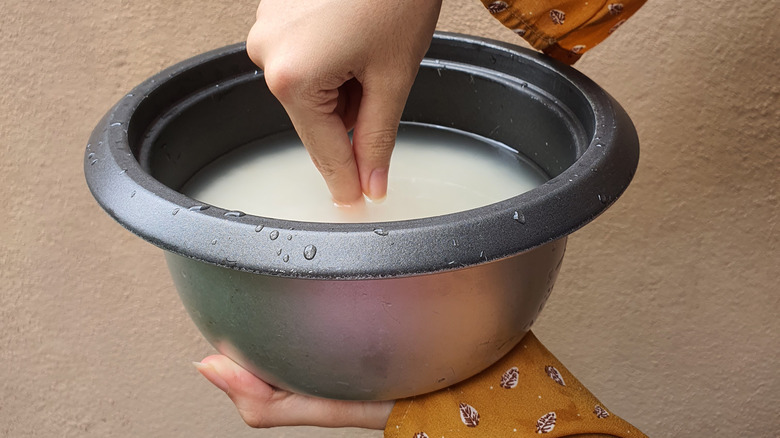
There are many different hacks out there on the internet for getting the best fluffy rice. Some swear by rinsing it first to remove the starch, for example, while others say to place a clean kitchen towel under the pot lid when it's removed from the heat. Both of these techniques have been proven to work, but if you don't start with the right water ratio, you're probably going to end up with mushy rice, whatever you do.
In many Asian cultures, measuring the water in the rice with your fingers is the norm. The method is often passed down through generations, as children learn to cook traditional dishes from their parents and grandparents. It's incredibly simple; you start by washing the rice before draining it into the pot, then touch the tip of your finger on the top of the rice, and fill up the water until it reaches your first knuckle. That's it. Give it a try next time you whip up some rice for dinner, and you'll likely be pleasantly surprised by the results.